

Free Oakland Travel Guide & Mobile App
Plan your Oakland trip with Evendo. Get free guides to top attractions, restaurants, hotels, and bars. Web access or download the mobile app.


Oakland, California blends Bay views, Ohlone heritage, historic districts, acclaimed arts, diverse food and lively waterfront culture across the East Bay.
A City Shaped by the Bay
Oakland occupies the eastern shore of San Francisco Bay, facing San Francisco across the water and stretching inland towards the Berkeley Hills and Redwood Regional Park. Its varied landscape moves from the working waterfront and broad avenues of the flatlands to the wooded slopes of the Oakland hills, giving the city a more spacious, layered character than its compact geography may first suggest. Jack London Square, Lake Merritt and the Oakland Estuary provide distinct waterside settings, while neighbourhoods such as Temescal, Rockridge, Fruitvale and Grand Lake each have their own rhythm of cafés, shops, galleries and community life.Read more about Oakland
Heritage and Culture
Urban Landscapes and Local Life
When is the best time to visit Oakland?
Best: July–September · 23–24°C| Month | High (°C) | Rainfall (mm) |
|---|---|---|
| January | 15 | 102 |
| February | 16 | 94 |
| March | 17 | 89 |
| April | 19 | 38 |
| May | 21 | 16 |
| June | 23 | 5 |
| July (best) | 23 | 1 |
| August (best) | 24 | 2 |
| September (best) | 24 | 11 |
| October | 21 | 35 |
| November | 18 | 88 |
| December | 15 | 99 |
Getting to and around Oakland
How to get there
Transportation
Best attractions in Oakland
Oakland's attractions range from the waterside to the wooded hills. Lake Merritt, America's oldest designated wildlife refuge, is a popular urban setting for walking, birdwatching and people-watching, with gardens and cultural institutions close by. The Oakland Museum of California combines galleries devoted to the state's art, history and natural sciences, offering a useful introduction to the region's layered identity. At Jack London Square, former port and railway landscapes frame restaurants, public spaces and views across the Oakland Estuary. The historic Grand Lake and Lakeshore districts add independent shops and cafés around the lake's western shore, while Temescal and Rockridge provide neighbourhood-scale exploration. In the hills, the redwoods and trails of Joaquin Miller Park and Redwood Regional Park reveal a quieter side of the city, although these green spaces are best treated as separate outings from the central sightseeing areas.
-
Tourist attraction
PIER 39
Experience San Francisco's iconic waterfront at PIER 39: Sea lions, stunning views, dining, and endless entertainment await!
32 min drive · 12 km from city centre
-
Historical place
Alcatraz Island
Explore the infamous former prison, Civil War fortress, and natural beauty of Alcatraz Island in the heart of San Francisco Bay.
34 min drive · 14 km from city centre
-
Historical landmark
Ferry Building
Experience San Francisco's culinary heart at the historic Ferry Building Marketplace, a vibrant hub of artisan food, shops, and stunning architecture.
31 min drive · 11 km from city centre
-
Stadium
Oracle Park
Experience baseball at its finest with stunning bay views, delicious food, and a vibrant atmosphere at San Francisco's iconic Oracle Park.
31 min drive · 11 km from city centre


Best landmarks in Oakland
Oakland's landmarks reveal its development as a port, railway city and centre of civic activism. The Tribune Tower, with its clock tower and ornate early twentieth-century architecture, remains one of Downtown's most recognisable buildings. Preservation Park gathers restored Victorian houses that evoke the city's nineteenth-century residential history, while the Camron-Stanford House beside Lake Merritt is one of Oakland's surviving historic homes. The Oakland California Temple, set on the Oakland hills, is distinguished by its illuminated spires and elevated Bay Area views, although access to interior spaces is subject to religious use and visitor arrangements. At Jack London Square, the Heinold's First and Last Chance Saloon is associated with the waterfront's literary and maritime past. The Oakland–San Francisco Bay Bridge shapes the western skyline, connecting the city physically and historically with its neighbour across the Bay.
-
Tourist attraction
PIER 39
Experience San Francisco's iconic waterfront at PIER 39: where playful sea lions, stunning bay views, diverse dining, and unique shopping create an unforgettable destination for all.
32 min drive · 12 km from city centre
-
Historical place
Alcatraz Island
Explore the infamous former prison island in the heart of San Francisco Bay, where notorious criminals were once confined and Native American activists made a stand for justice.
34 min drive · 14 km from city centre
-
Historical landmark
Union Square
Experience the vibrant heart of San Francisco at Union Square: a historic plaza surrounded by world-class shopping, dining, and cultural attractions, easily accessible and always buzzing with activity.
32 min drive · 12 km from city centre
-
Historical landmark
Coit Tower
Ascend to San Francisco's iconic Coit Tower for panoramic city views and Depression-era murals, a timeless landmark atop Telegraph Hill.
32 min drive · 12 km from city centre


Explore Oakland on the map
Plan your Oakland trip on one map. See where the top attractions, landmarks, restaurants, bars and hotels are, find what's near where you're staying, and book hotels and experiences in a few clicks.
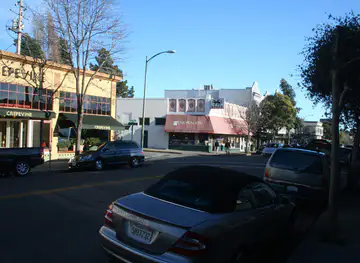
Neighbourhoods in Oakland
-

-

-

-
-


Swipe for more neighbourhoods
Best hotels in Oakland
Best restaurants in Oakland
Oakland's food culture reflects its position on San Francisco Bay and the many communities that have shaped the East Bay. Fruitvale is known for Mexican and Central American restaurants, bakeries, taquerias and market stalls, while Chinatown offers Chinese dining and specialist groceries close to Downtown. Temescal, Rockridge, Uptown and Grand Lake bring together cafés, neighbourhood restaurants, bars and contemporary kitchens, with menus influenced by Californian produce and Pacific Rim traditions. Soul food, Ethiopian cooking, Vietnamese dishes, Japanese specialities and a strong tradition of vegetarian and farm-led dining are all part of the city's broad culinary landscape. Farmers' markets provide seasonal fruit, vegetables, flowers and prepared foods, and Oakland's long-established bakeries and coffee shops give everyday dining a distinctly local feel without reducing the scene to a single signature cuisine.
-
Chocolate shop
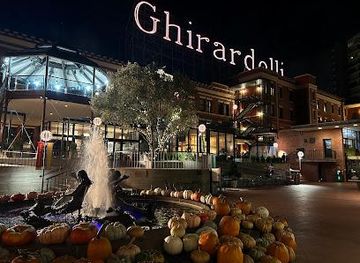
Ghirardelli Chocolate Experience
San Francisco's iconic chocolate haven in historic Ghirardelli Square: fresh fudge sundaes, live chocolatier demos, and bay-view indulgence since 1852.
33 min drive · 13 km from city centre
-
Restaurant
Boudin Bakery
San Francisco's 1849 sourdough legend at Fisherman's Wharf: tangy mother dough loaves, chowder bread bowls, and wharf vibes in every historic bite.
33 min drive · 13 km from city centre
-
Seafood
Scoma's Restaurant
San Francisco's iconic waterfront seafood haven since 1964, serving legendary Dungeness crab, cioppino, and chowder with bay views and old-school elegance at Fisherman's Wharf.
33 min drive · 13 km from city centre
-
American
Hard Rock Cafe
Rock out with burgers, ribs, and memorabilia at Pier 39's Hard Rock Cafe, where bay views meet high-energy vibes and classic American eats in San Francisco's heart.
32 min drive · 12 km from city centre

Best bars in Oakland
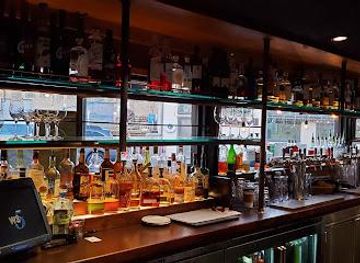
Oakland evenings are spread across several districts rather than concentrated in one entertainment quarter. Uptown has a particularly visible cluster of bars, live-music venues and performance spaces, while Downtown, Grand Lake, Temescal and Jack London Square offer more intimate options ranging from cocktail bars and breweries to relaxed neighbourhood drinking spots. The Fox Theater is an important landmark for touring concerts and larger performances, and smaller venues contribute to the city's traditions of hip-hop, jazz, soul, punk and independent music. Comedy, theatre, gallery events and community gatherings provide alternatives to clubbing, with cultural programmes often extending into the evening. Atmospheres differ sharply by street, so visitors should check current venue information, plan their route between districts and use reliable transport after dark.
-
American
The Fat Lady Bar & Restaurant
Experience the taste of America at The Fat Lady Bar & Restaurant in Oakland - a culinary haven for food lovers.
13 min walk · 1.0 km from city centre
-
Cocktail bar
Cafe Van Kleef
Experience the eclectic charm and lively nightlife at Cafe Van Kleef, a must-visit cocktail bar in Downtown Oakland.
3 min walk · 0.2 km from city centre
-
Restaurant
District Oakland
Discover the vibrant flavors of District Oakland, where tapas, cocktails, and a welcoming atmosphere await in the heart of Downtown Oakland.
6 min walk · 0.5 km from city centre
-
Cocktail bar
Comstock Saloon
Comstock Saloon: Where Historic Charm Meets Craft Cocktails in San Francisco's Chinatown.
32 min drive · 12 km from city centre


Best nightclubs in Oakland
Oakland evenings are spread across several districts rather than concentrated in one entertainment quarter. Uptown has a particularly visible cluster of bars, live-music venues and performance spaces, while Downtown, Grand Lake, Temescal and Jack London Square offer more intimate options ranging from cocktail bars and breweries to relaxed neighbourhood drinking spots. The Fox Theater is an important landmark for touring concerts and larger performances, and smaller venues contribute to the city's traditions of hip-hop, jazz, soul, punk and independent music. Comedy, theatre, gallery events and community gatherings provide alternatives to clubbing, with cultural programmes often extending into the evening. Atmospheres differ sharply by street, so visitors should check current venue information, plan their route between districts and use reliable transport after dark.
-
Night club
Cat Club
Cat Club offers an electrifying nightlife experience with eclectic music, diverse crowds, and themed events in the heart of San Francisco's SoMa district.
33 min drive · 13 km from city centre
-
Bar
Kona Club
Discover Kona Club in Oakland: A tropical bar oasis with exotic cocktails, live music, and a vibrant atmosphere, perfect for a night out.
11 min drive · 3.6 km from city centre
-
Karaoke bar
The Legionnaire Saloon
Experience the vibrant nightlife at the Legionnaire Saloon, Oakland's go-to karaoke bar for fun, music, and unforgettable memories.
11 min walk · 0.9 km from city centre
-
Night club
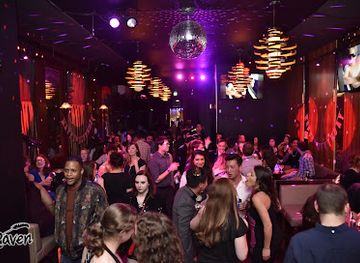
Raven Bar
Experience the vibrant nightlife at Raven Bar in San Francisco's SoMa district, where cocktails, dancing, and unforgettable memories await.
33 min drive · 13 km from city centre


Best shops in Oakland
Shopping in Oakland is strongly neighbourhood-based, combining independent retailers, specialist food shops, vintage stores, makers and everyday businesses rather than one dominant luxury district. Temescal and Rockridge are known for walkable commercial streets with boutiques, books, gifts, homeware and cafés, while Grand Lake and Lakeshore gather shops around the eastern side of Lake Merritt. Chinatown is a useful place for groceries, herbal products, restaurants and specialist Asian retailers, and Fruitvale offers food shops, bakeries, crafts and merchandise reflecting Mexican and Central American communities. Downtown and Uptown include galleries, design-led businesses and occasional markets, while farmers' markets sell Californian produce and prepared foods. Distinctive purchases may include locally made art, ceramics, clothing, books, coffee and regional food products, with the city's public murals and small creative businesses forming part of the retail landscape.
-
Department store
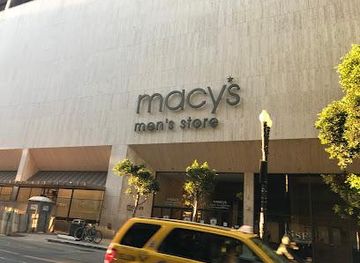
Macy's
Explore Macy's in Union Square, where fashion meets beauty in the heart of San Francisco's vibrant shopping district.
32 min drive · 12 km from city centre
-
Shopping mall
Embarcadero Center
Discover shopping, dining, and entertainment at the iconic Embarcadero Center in the heart of San Francisco's Financial District.
31 min drive · 11 km from city centre
-
Shopping mall
DURANT Marketplace
Discover the vibrant DURANT Marketplace in Oakland, CA - a shopping haven with diverse stores and delicious dining options for every taste.
32 min drive · 12 km from city centre
-
Shopping mall
The Cannery
Explore The Cannery in San Francisco, a historic shopping center blending maritime heritage with unique boutiques and delightful dining experiences.
33 min drive · 13 km from city centre

Get your free copy of our complete guide to Oakland, delivered straight to you.
Everything on this page, from attractions and restaurants to essentials and local phrases, in one PDF you can read offline, print or share.
Already have an account? Sign in
Your Oakland guide is ready.
We'll send it to · Not you? Sign out

Getting your guide ready…
We are putting together a fresh copy of the Oakland guide. This can take up to a minute.
This can take a few moments. If your browser asks, choose Allow so the download can start. You'll find the guide in your Downloads folder.
Nothing happened? Download it again
Sorry, the guide is taking longer than usual. Please try again in a minute, or get it by email instead.
Oakland essentials
Currency and Payment
Safety
Emergency Situations
Do's and Don'ts
Local Tips
From Eve
Local phrases worth knowing
You don't need to get them perfect. A few words go a long way, and locals appreciate the effort.
Basics
| English | Local | Say it |
|---|---|---|
| Hello | Wassup | [wuh-SUHP] |
| Goodbye | Later | [LAY-tuhr] |
| Yes | Yee | [YEE] |
| No | Nah | [NAH] |
| Please/You're welcome | Please/No problem | [PLEEZ / no PROB-lem] |
| Thank you | Thanks | [THANKS] |
| Excuse me/Sorry | My bad | [my BAD] |
| How are you? | How you doin'? | [how yoo DOO-in] |
| Fine. And you? | I'm cool. You? | [eye-em KOOL. yoo?] |
| Do you speak English? | You speak English? | [yoo speak ING-lish?] |
| I don't understand | I don't get it | [eye don't GET it] |
Eating & Drinking
| English | Local | Say it |
|---|---|---|
| I'd like to see the menu, please | Let me peep the menu | [let mee PEEP thee MENU] |
| I don't eat meat | I'm vegan | [eye-em VEE-guhn] |
| Cheers! | Cheers! | [CHEERS] |
| I would like to pay, please | Let me cash out | [let mee KASH out] |
Emergencies
| English | Local | Say it |
|---|---|---|
| Help! | Yo, help! | [yoh, HELP] |
| Go away! | Get lost! | [get LOST] |
| Call the Police! | Call 5-0! | [call FIVE-OH] |
| Call a doctor! | Get a doc! | [get uh DOC] |
| I'm lost | I'm hella lost | [eye-em HEL-luh LOST] |
| I'm ill | I'm sick | [eye-em SIK] |
Shopping
| English | Local | Say it |
|---|---|---|
| I'd like to buy... | I'm tryna cop... | [eye-em TRY-nuh COP] |
| I'm just looking | Just browsing | [just BROW-zing] |
| How much is it? | How much this cost? | [how much this COST?] |
| That's too expensive | That's hella pricey | [that's HEL-luh PRY-see] |
| Can you lower the price? | Can you hook it up? | [can yoo hook it UP?] |
Time & Numbers
| English | Local | Say it |
|---|---|---|
| What time is it? | What's the time? | [whats the TIME?] |
| It's one o'clock | It's one | [its ONE] |
| Half past (10) | Ten-thirty | [TEN-thur-tee] |
| Morning | Mornin' | [MORN-in] |
| Afternoon | Afternoon | [AF-tur-NOON] |
| Evening | Evenin' | [EVE-nin] |
| Yesterday | Yest'day | [YES-tuh-DAY] |
| Today | Today | [to-DAY] |
| Tomorrow | Tomorrer | [to-MOR-rer] |
| 1 | One | [wun] |
| 2 | Two | [too] |
| 3 | Three | [three] |
| 4 | Four | [for] |
| 5 | Five | [fiv] |
| 6 | Six | [siks] |
| 7 | Seven | [sev-in] |
| 8 | Eight | [ayt] |
| 9 | Nine | [nine] |
| 10 | Ten | [ten] |
Transport & Directions
| English | Local | Say it |
|---|---|---|
| Where's a/the...? | Where's the... at? | [wheres the... AT?] |
| What's the address? | What's the addy? | [whats the ADD-ee] |
| Can you show me (on the map)? | Can you show me on the map? | [can yoo show mee on the MAP] |
| When's the next (bus)? | When's the next bus? | [whens the next BUS] |
| A ticket (to ....) | A ticket to... | [uh TICK-et to...] |
History of Oakland
Ohlone Homelands and Early Settlement
Before European settlement, the East Bay was home to Ohlone-speaking peoples whose communities used the shoreline, wetlands, oak woodlands and inland hills for fishing, gathering and hunting. The area now called Oakland formed part of a wider network of villages and travel routes rather than a single urban centre. Spanish expeditions reached the region in the eighteenth century, bringing missions, disease and profound disruption to Indigenous societies. In the early nineteenth century, Spanish and Mexican authorities granted large ranchos across the East Bay, including Rancho San Antonio to Luís María Peralta in 1820. The Peralta family later became closely associated with the land on which Oakland developed, although their ranching landscape was soon transformed by American settlement and commercial expansion.
American Incorporation in 1854
Following the Mexican-American War and the 1848 Treaty of Guadalupe Hidalgo, California became part of the United States. American settlers, entrepreneurs and land speculators moved rapidly into the East Bay during the Gold Rush era, while the shoreline offered access to shipping and a natural site for urban growth. Oakland was incorporated as a city in 1854. Early development concentrated around the waterfront and the routes linking it with inland communities, gradually replacing the rancho landscape with streets, homes, warehouses and businesses. The city's location opposite San Francisco allowed it to grow as a complementary commercial and residential centre, while its broad flat terrain created room for expansion.
Railways and Port Expansion
Oakland's fortunes changed decisively with railway development. The Western Pacific Railroad reached Oakland in the 1860s, and the completion of the transcontinental railway in 1869 strengthened the city's role as the western terminus of a major national transport network. Rail yards, wharves, warehouses and ferry connections helped turn the waterfront into a centre of movement and trade. The Port of Oakland later became one of the principal container ports on the Pacific coast, especially after container shipping transformed maritime logistics in the twentieth century. Jack London Square and the surrounding waterfront retain traces of this commercial history, even as former industrial areas have gained restaurants, offices, public spaces and cultural uses.
Migration, Industry and the Great Upheaval
Industrialisation and port activity drew workers from across the United States and from overseas, giving Oakland a diverse social character. Chinese migrants, Japanese American communities, European immigrants and Mexican workers all contributed to the city's economic and cultural life, despite discriminatory laws and unequal treatment. During the Second World War, shipbuilding and defence industries brought a dramatic influx of workers, including large numbers of African Americans migrating from the southern states. The wartime boom expanded Oakland's population and intensified housing pressures. Japanese American residents were forcibly removed and incarcerated during the war, while Black workers often faced segregated housing and employment. These patterns shaped the neighbourhoods, institutions and civil-rights struggles of the post-war city.
The Black Panther Party and Civic Activism
Oakland became nationally associated with the Black Panther Party, founded in the city in 1966 by Huey P. Newton and Bobby Seale. The organisation emerged amid police violence, racial inequality and wider Black freedom movements, combining armed self-defence with community programmes such as free breakfast initiatives and health campaigns. Its presence reflected Oakland's long tradition of grassroots organising, but also brought intense surveillance and conflict with law-enforcement agencies. The city's Black cultural and political history extends well beyond the Panthers, encompassing churches, newspapers, artists, educators and neighbourhood organisations. Institutions such as the African American Museum and Library at Oakland preserve and interpret this complex civic legacy.
Renewal, Displacement and Contemporary Oakland
Late twentieth-century Oakland experienced industrial decline, fiscal pressures, disinvestment and social inequality, while community organisations continued to sustain local cultural life. Since the 1990s, parts of the city have seen new restaurants, galleries, technology businesses, housing and public-realm projects, particularly around Downtown, Uptown, Lake Merritt and the waterfront. This change has brought investment and renewed attention but has also raised serious concerns about housing affordability, displacement and the loss of established businesses and communities. Contemporary Oakland is therefore shaped by both reinvention and continuity: historic neighbourhood identities, port activity, arts organisations, immigrant businesses and long-standing activism remain central to the city's character.
Oakland in Photos
Browse through our photo collection highlighting the charm and character of the destination.
Cities near Oakland
The closest cities to Oakland, if you have time for more than one stop.
-

-

-

-

-


Swipe for more cities
Explore more
Explore more of California
Discover California: A land of diverse landscapes, iconic cities, and endless adventures, from sun-soaked beaches to towering redwoods and vibrant cultural experiences.
Explore California