

Yuma Building, San Diego Travel Guide
Discover the Yuma Building in San Diego's Gaslamp Quarter: a historic landmark with Victorian architecture, Native American culture, and a vibrant past, offering a unique glimpse into the city's heritage.
The Yuma Building, a striking Victorian Italianate Revival structure in San Diego's Gaslamp Quarter, stands as a testament to the city's rich history. Built in 1882 by Captain Alfred Henry Wilcox, a key figure in San Diego's early development, it's one of the first brick buildings downtown. Named for Wilcox's Colorado River transport ventures supplying Fort Yuma, the building has housed diverse businesses, from a Japanese bazaar to medical offices. Notably, it was the first establishment closed during the 1912 Stingaree District raids. Today, it remains a captivating landmark, showcasing the architectural and cultural evolution of the Gaslamp Quarter, and is home to the first Native American boutique in California.
A brief summary to Yuma Building
- 631 Fifth Ave, San Diego, Gaslamp Quarter, California, 92101, US

Know before you go
Hi, I'm Eve. Here are a few practical things to know before exploring Yuma Building.
- Explore the Gaslamp Quarter's architecture by taking a walking tour to fully appreciate the intricate details of the Yuma Building and its neighbors.
- Visit Native Star Boutique inside the Yuma Building to discover unique Native American designs and support Indigenous artists.
- Check out the Gaslamp Quarter Historical Foundation's website for upcoming events and exhibits related to the Yuma Building and the area's history.
Do you manage this location?
Take control to get all the benefits, like improved information, better appearance, and stronger visibility across AI-powered discovery. Learn more about listing your business on Evendo
Activate your presenceOther nearby places you may find interesting
The closest places of the same kind, if this one is not quite what you had in mind.
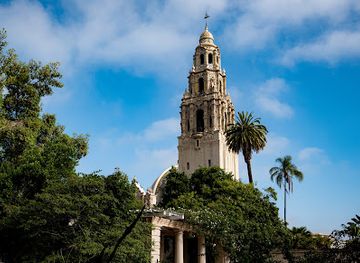
Explore Yuma Building on the Map
A handpicked selection of must-see spots near Yuma Building, mapped for you.
Unlock the Best of Yuma Building
Buy tickets
-
No tickets available
Book tours with entry


Getting There
-
Walking
The Yuma Building is located in the heart of the Gaslamp Quarter and is easily accessible on foot from most points within the district. If you are coming from the San Diego Convention Center, walk north on Fifth Avenue for approximately 5 blocks. The Yuma Building will be on your left, between F Street and G Street. This is a pedestrian-friendly area, allowing you to enjoy the sights and sounds of the Gaslamp Quarter along the way.
-
Public Transport
The Gaslamp Quarter is well-served by San Diego's Metropolitan Transit System (MTS). The Gaslamp Quarter Station trolley stop (serviced by the Green and Silver lines) is located at Fifth Avenue and L Street, a few blocks south of the Yuma Building. From the station, walk north on Fifth Avenue. The Yuma Building will be on your left. A one-way trolley fare is around $2.50. Several bus routes also serve the Gaslamp Quarter, with stops along Fifth Avenue and Market Street.
-
Taxi/Ride-Share
Taxis and ride-sharing services like Uber and Lyft are readily available throughout San Diego. Simply request a ride to 631 Fifth Avenue, San Diego. Be aware that traffic in the Gaslamp Quarter can be heavy, especially during evenings and weekends. A short ride from the Convention Center or downtown hotels will typically cost between $8 and $15, depending on demand.
-
Driving
If driving, navigate to the Gaslamp Quarter. Parking in the immediate vicinity of the Yuma Building can be challenging, especially during peak hours. Street parking is limited and metered. Several parking garages are located within a few blocks, including the 6th & K Parkade (289 6th Ave) and Park It On Market (614 Market St). Expect to pay between $15 and $30 for parking, depending on the garage and the time of day. Some garages offer flat rates during evenings and weekends. $5 Flat Rate parking at the 6th & K Parkade Sunday-Thursday, 6:00 PM to 3:00 AM.
Discover more about Yuma Building













Your all‑in‑one travel companion app
Explore expert travel guides, compare and book tours, experiences, hotels, and more—all from the palm of your hand. Download now for seamless trip planning wherever your wanderlust takes you.


Explore More of San Diego
Looking beyond Yuma Building? Discover San Diego for broader travel guides, local hot-spots, and regional highlights.
Explore San Diego
Explore the Gaslamp Museum at the Davis-Horton House and uncover the fascinating history of San Diego in the heart of the Gaslamp Quarter.

Explore the historic Independent Order of Odd Fellows Building in San Diego's Gaslamp Quarter, a landmark of fraternal history and Italian Renaissance architecture dating back to 1882.
