Background

Haight-Ashbury Clock: A Timeless Icon

Visit the Haight-Ashbury Clock in San Francisco, a timeless symbol of the Summer of Love, counterculture, and the city's free-spirited history, nestled in the heart of the iconic Haight-Ashbury district.

★★★★★5 (1)

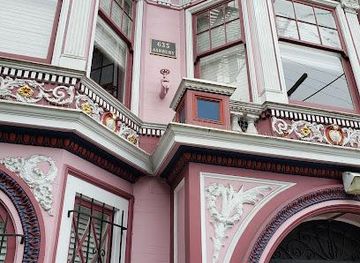
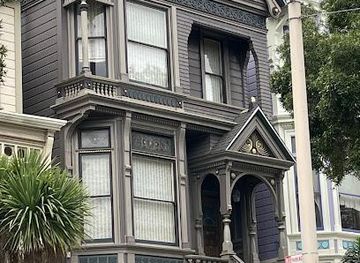
The Haight-Ashbury Clock, situated at the iconic intersection of Haight and Ashbury Streets in San Francisco, stands as a vibrant symbol of the city's counterculture history. More than just a timepiece, it represents the free-spirited era of the 1960s, when the Haight-Ashbury district became the epicenter of the Summer of Love. The clock, often frozen at 4:20, serves as a playful nod to cannabis culture and the neighborhood's rebellious roots. Surrounded by colorful Victorian homes, vintage shops, and murals depicting rock legends, the clock offers visitors a chance to reflect on the past while immersing themselves in the district's unique atmosphere. It's a must-see landmark for anyone seeking to experience the enduring legacy of the Haight-Ashbury.

Plan your visit

A brief summary to Haight-Ashbury Clock

Opening times, essentials, and a few local tips gathered into one calmer, easier-to-scan planning section.

Plan your visit

📍
1500 Haight St, San Francisco, Haight-Ashbury, California, 94117, US
Eve
From Eve

Know before you go

Hi, I'm Eve. Here are a few practical things to know before exploring Haight-Ashbury Clock.

Local know-how to help you travel smarter and make the most of every moment.

Visit early in the morning to avoid crowds and have a more peaceful experience at the iconic Haight-Ashbury Clock.
Bring your camera to capture the clock and the colorful murals and Victorian architecture that surround it.
Explore the nearby shops and cafes to immerse yourself in the local culture and discover unique vintage finds.
Check out local events or performances happening in the area to experience the vibrant community spirit.

Discover more about Haight-Ashbury Clock

The Haight-Ashbury Clock, located at the corner of Haight and Ashbury Streets, is more than just a functional object; it's a symbol of San Francisco's countercultural past and a reminder of the neighborhood's pivotal role in the 1960s. This unassuming clock has become an iconic landmark, drawing visitors from around the world who seek to connect with the spirit of the Summer of Love and the hippie movement. The Haight-Ashbury district rose to prominence in the mid-1960s as a haven for artists, musicians, and free thinkers. Inspired by opposition to the Vietnam War, the rise of the New Left, and a belief in the transformative power of psychedelic drugs, the neighborhood became a melting pot of creativity and social experimentation. The Human Be-In in January 1967, held in nearby Golden Gate Park, drew tens of thousands and served as a catalyst for the Summer of Love, attracting people from all over the country to experience the Haight's unique atmosphere. The Haight-Ashbury Clock, often set permanently to 4:20, is a playful nod to cannabis culture, a significant aspect of the neighborhood's history. While the exact origins of the 4:20 reference are debated, it has become widely recognized as a code for marijuana consumption. The clock's whimsical setting adds to the area's quirky charm and serves as a conversation starter for those exploring the neighborhood. Today, Haight-Ashbury retains much of its original character, with colorful Victorian homes, vintage clothing stores, record shops, and eclectic boutiques lining the streets. Murals depicting legendary musicians like Jimi Hendrix, Janis Joplin, and Jerry Garcia pay homage to the neighborhood's musical heritage. Walking through the Haight, one can almost feel the echoes of the past, a time when peace, love, and artistic expression reigned supreme. While the hippie movement may have faded, the Haight-Ashbury Clock remains a tangible link to that era. It's a place where visitors can pause, reflect, and appreciate the neighborhood's unique history. The clock is also a popular photo spot, with tourists eager to capture a piece of Haight-Ashbury's iconic imagery. Beyond the clock itself, the Haight-Ashbury district offers a wealth of attractions for visitors to explore. Golden Gate Park, located just west of the neighborhood, provides a vast green space for recreation and relaxation. The park is home to attractions like the Conservatory of Flowers, the Japanese Tea Garden, and the California Academy of Sciences. Haight Street is the main thoroughfare, lined with shops, restaurants, and cafes. Here, you can find everything from vintage clothing and records to books and art. The street is also home to several historic buildings, including the Doolan-Larson Building, which once housed one of the neighborhood's first hippie boutiques. For those interested in the Haight's musical history, a visit to the former homes of famous musicians is a must. The Grateful Dead House at 710 Ashbury Street and Janis Joplin's former apartment on Lyon Street are popular stops for fans. The Haight-Ashbury Clock is more than just a timekeeping device; it's a symbol of a bygone era, a reminder of the power of counterculture, and a testament to the enduring spirit of San Francisco. Whether you're a history buff, a music lover, or simply seeking a unique travel experience, the Haight-Ashbury Clock is a must-see destination. While in the Haight, consider exploring some of the area's hidden gems. The Haight Street Art Center showcases historic rock concert posters, while the Booksmith offers a wide selection of literature. For those seeking unique souvenirs, Loved to Death offers a collection of memento mori and Victorian-inspired items. The Haight-Ashbury Clock stands as a reminder of a time when San Francisco was at the forefront of social and cultural change. It's a place where visitors can connect with the past, celebrate the present, and imagine the future. The clock's enduring appeal lies in its ability to evoke a sense of nostalgia, curiosity, and wonder, making it a truly unforgettable landmark.

Explore places near Haight-Ashbury Clock

    See all →

    Unlock the Best of Haight-Ashbury Clock

    Find tickets, tours with entry, and experiences available for this location.

    Buy tickets

    No tickets available

    Book tours with entry

    No tours with entry available

    Book tours without entry

    No tours without entry available

    Getting There

    Public Transport

    From downtown San Francisco or Union Square, take the 6-Haight/Parnassus or 7-Haight/Noriega bus. These buses run along Market Street and have stops at Haight & Masonic, or Haight & Ashbury. The closest stops to the clock are Ashbury St & Haight St, Haight St & Masonic Ave, and Masonic Ave & Haight St. A single ride on Muni costs $3.00.

    Taxi/Ride-Share

    A taxi or ride-share from downtown San Francisco to the Haight-Ashbury Clock will typically cost between $10 and $25, depending on traffic and the specific location of your starting point. The journey usually takes around 15 minutes.

    Walking

    If you are near the Berkeley campus, start at Sproul Plaza. Walk south on Telegraph Avenue for about 1.5 miles until you reach the intersection with Haight Street. Turn left onto Haight Street and continue walking for about 1 mile. You will arrive at the Haight-Ashbury Clock located at 1500 Haight St.

    Mobile App
    Get the app

    Your all‑in‑one travel companion app

    Explore expert travel guides, compare and book tours, experiences, hotels, and more—all from the palm of your hand. Download now for seamless trip planning wherever your wanderlust takes you.

    File:Aerial view of San Leandro Marina and golf course.jpg - Wikimedia  Commons

    More about San Leandro

    Discover San Leandro, a hidden gem in California's Bay Area, known for its rich history, beautiful parks, and annual Cherry Festival—perfect for year-round adventures.

    Tell me more about San Leandro

    Select Currency

    Choose the currency you want prices to display in.