Santa Barbara Botanic Garden: A Native California Sanctuary
Discover California's native plant life at the Santa Barbara Botanic Garden, a 78-acre sanctuary showcasing diverse ecosystems, historic landmarks, and breathtaking views in a serene Mission Canyon setting.
Escape to the Santa Barbara Botanic Garden, a 78-acre living museum dedicated to California's native flora. Established in 1926, this serene haven showcases over 1,000 plant species across diverse habitats, from redwood forests to desert landscapes. Explore miles of trails, discover the historic Mission Dam and Aqueduct, and immerse yourself in the region's natural beauty. With its commitment to conservation and education, the garden offers a tranquil retreat and a deeper understanding of California's unique botanical heritage. Reservations are required, ensuring a peaceful and uncrowded experience amidst stunning natural displays. Don't miss the iconic meadow bursting with California poppies in spring or the peaceful Redwood grove, a truly magical place.
A brief summary to Santa Barbara Botanic Garden
- 1212 Mission Canyon Rd, Santa Barbara, California, 93105, US
- +1805-682-4726
- Visit website
Local tips
- Reservations are required to visit the garden, so book in advance, especially during peak season (April-July).
- Wear comfortable shoes for walking the garden's five miles of trails, which range from paved to rocky.
- Bring sunscreen and water, as much of the garden is unshaded.
- Visit during the spring to witness the iconic meadow bursting with California poppies and other wildflowers.
- Consider becoming a member of the American Horticultural Society for free admission to this and other botanical gardens across North America.

Getting There
-
Driving
From downtown Santa Barbara, take State Street north towards Mission Santa Barbara. Continue onto Mission Canyon Road. The Botanic Garden is located at 1212 Mission Canyon Road, approximately 1.5 miles past the Old Mission. Limited parking is available on-site, included with your reservation. Be aware that Mission Canyon Road can experience increased traffic, especially on weekends. Vehicles longer than 31 feet are not permitted.
-
Public Transport
From the Santa Barbara Transit Center, take MTD Line 22 towards the Old Mission. From there, it is approximately a 1.5 mile walk along Mission Canyon Road to the Botanic Garden. Alternatively, from the Transit Center, take MTD Line 33 to the La Cumbre & State stop, and then take a taxi or ride-share to the Botanic Garden; this will cost approximately $14-$20. Note that MTD Line 22 only serves the Old Mission and the Museum of Natural History daily, and the Santa Barbara Botanic Garden on weekends.
-
Taxi/Ride-Share
From downtown Santa Barbara, a taxi or ride-share to the Botanic Garden will take approximately 10-15 minutes, depending on traffic. Expect to pay around $17-$21 for the ride. Be sure to specify the Santa Barbara Botanic Garden at 1212 Mission Canyon Road as your destination.
Discover more about Santa Barbara Botanic Garden
Iconic landmarks you can’t miss

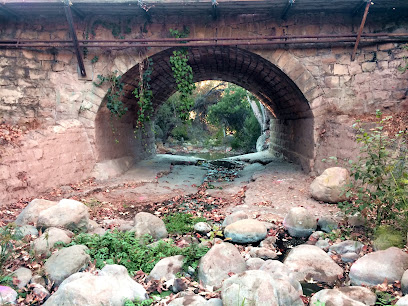
Mission Creek Bridge
1.8 km
Discover the historic Mission Creek Bridge in Santa Barbara, a picturesque landmark connecting the city's rich past with its vibrant present, nestled near iconic cultural and natural attractions.
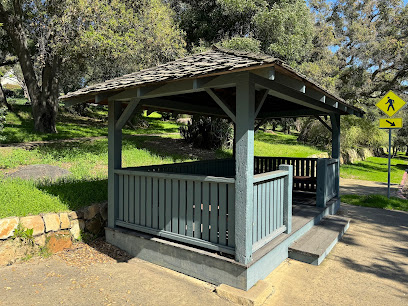
Historic Riviera Streetcar Stop Shelter
2.1 km
Step back in time at Santa Barbara's Historic Riviera Streetcar Stop Shelter, a beautifully preserved landmark offering stunning views and a glimpse into the city's early transit history.
Trinity Episcopal Church
3.4 km
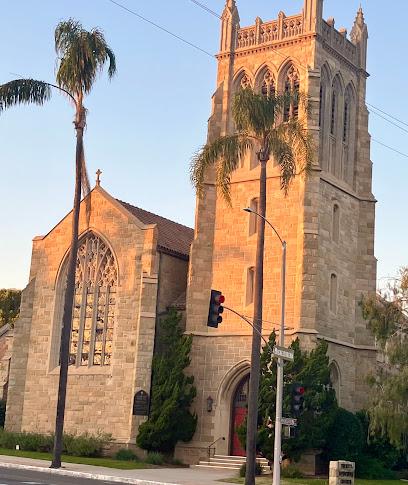
Discover a Santa Barbara landmark: Trinity Episcopal Church, a historic sanctuary with stunning Gothic architecture, vibrant community programs, and a welcoming spirit for all.
Rafael González House
3.8 km
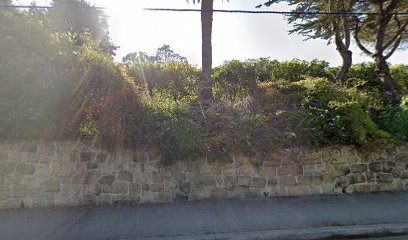
Explore the historical charm of Rafael González House, a stunning example of Spanish-Moorish architecture in Santa Barbara's Laguna neighborhood.
Janssens-Orella-Birk Building
3.9 km
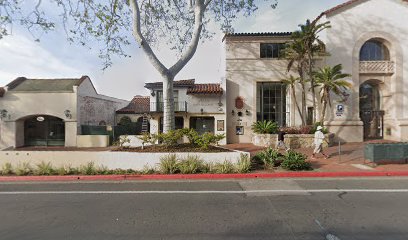
Explore the Janssens-Orella-Birk Building in Santa Barbara, a historic landmark showcasing enchanting Spanish Colonial Revival architecture and a captivating glimpse into the city's past.
Santa Barbara Old Japantown Plaque
4.0 km
Explore Santa Barbara's rich cultural tapestry at the Old Japantown Plaque, honoring the legacy of the Japanese community that once thrived in this historic city.

The Orena Adobe
4.1 km
Discover the Orena Adobe in Santa Barbara: a historic landmark showcasing Spanish Colonial heritage and the blending of cultures in California's captivating past.

Casa Covarrubias
4.1 km
Step back in time at Casa Covarrubias, a beautifully preserved 1817 adobe offering a glimpse into Santa Barbara's rich history and the lives of its prominent early families.

El Paseo "Street in Spain"
4.2 km
Discover the charm and history of El Paseo Street in Santa Barbara, Spain, where vibrant culture meets stunning architecture for an unforgettable experience.
Paseo de la Guerra
4.2 km
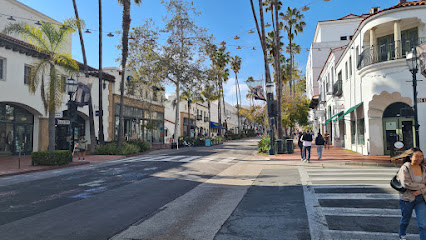
Explore the historic Paseo de la Guerra in Santa Barbara, a landmark that embodies the rich cultural heritage of California's coastal history.

De La Guerra Plaza
4.2 km
Experience the vibrant heart of Santa Barbara at De la Guerra Plaza, a historic public square surrounded by iconic architecture, where community and culture come alive.
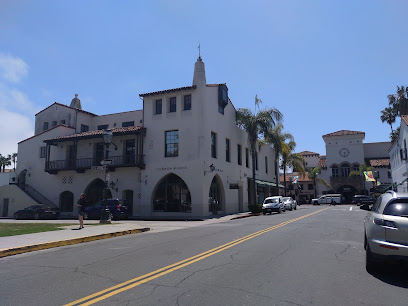
The Arches
4.7 km
Discover the timeless beauty of The Arches in Santa Barbara, a historical landmark showcasing stunning architecture and a serene atmosphere perfect for relaxation and photography.
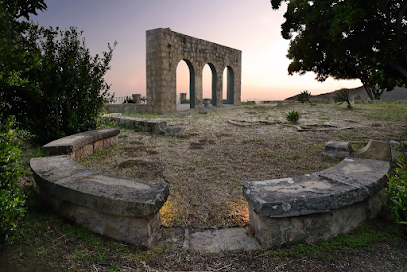
Andalucia Building
4.8 km
Discover the Andalucia Building in Santa Barbara: A unique Moorish-style landmark on State Street, blending history, architecture, and downtown charm for an unforgettable experience.
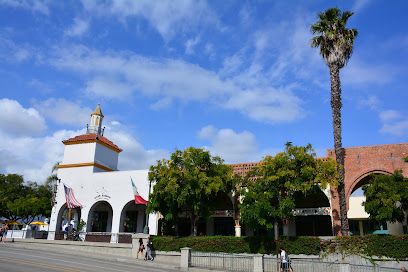
Fess Parker Funk Zone
4.9 km
Experience the acclaimed wines of Fess Parker Winery in the heart of Santa Barbara's Funk Zone, a vibrant arts district offering a modern tasting experience and a taste of local wine heritage.
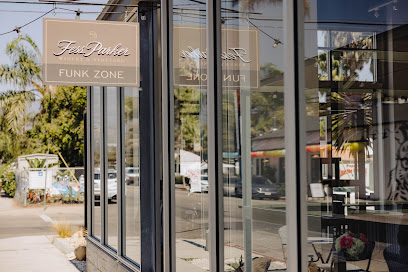
Area 5.1 Winery
5.0 km
Discover unconventional wine blends in a quirky, alien-themed tasting room located in Santa Barbara's Funk Zone, offering an out-of-this-world experience with live music and a vibrant atmosphere.
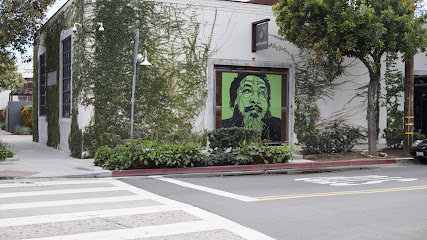
Unmissable attractions to see

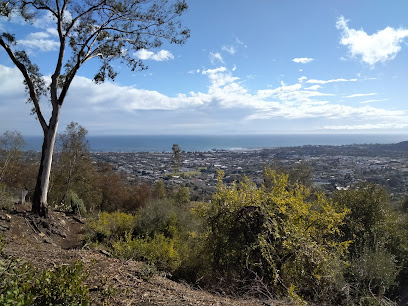
Inspiration Point Trailhead
1.0 km
Hike to Inspiration Point for panoramic views of Santa Barbara, the Pacific Ocean, and Channel Islands. A rewarding trek for nature lovers!
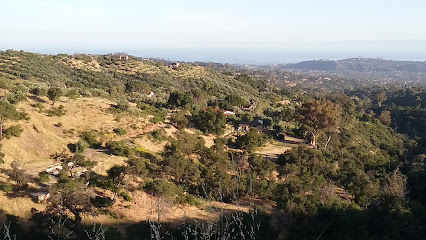
Rocky Nook Park
1.8 km
Explore the serene landscapes and hiking trails of Rocky Nook Park, a hidden gem in Santa Barbara perfect for outdoor enthusiasts and nature lovers.
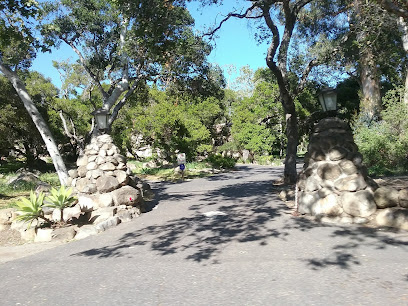
Santa Barbara Museum of Natural History
1.8 km
Discover the rich natural history of California at the Santa Barbara Museum of Natural History, an engaging destination for all ages.
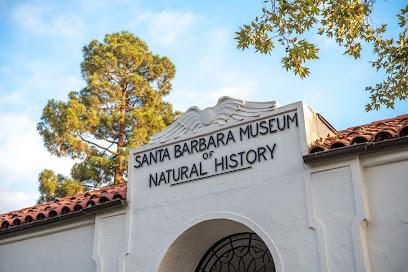
Old Mission Santa Barbara 1786
2.1 km
Experience the rich history and stunning architecture of Old Mission Santa Barbara, the 'Queen of the Missions' in California.
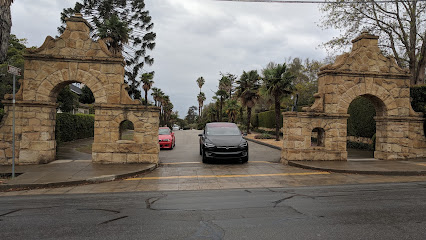
Seven Falls
2.1 km
Discover Santa Barbara's Seven Falls: A scenic hiking trail leading to cascading waterfalls and refreshing pools in the Santa Ynez Mountains.
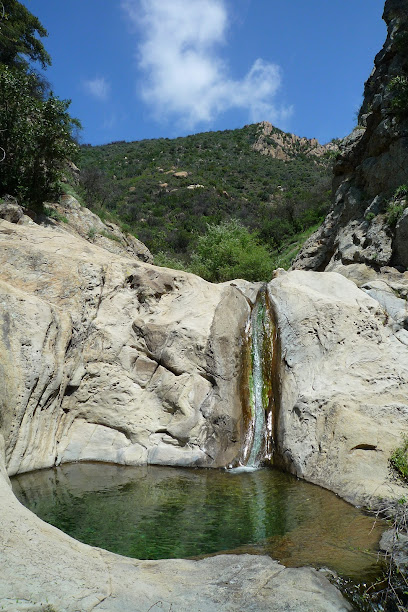
Mission Historical Park
2.1 km
Explore the serene Mission Historical Park in Santa Barbara, where nature meets history in a captivating landscape.
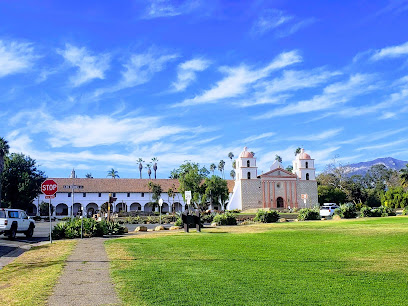
Mission Rose Garden
2.1 km
Experience the enchanting beauty of the Mission Rose Garden in Santa Barbara, a floral paradise showcasing over 1,500 stunning rose varieties.
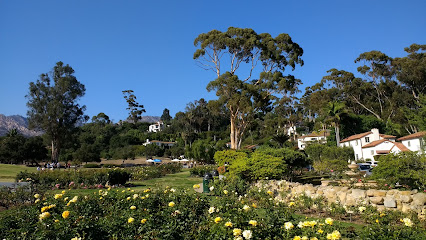
Franceschi Park
2.3 km
Experience the tranquility and stunning views at Franceschi Park, a must-visit destination in Santa Barbara's beautiful Riviera neighborhood.
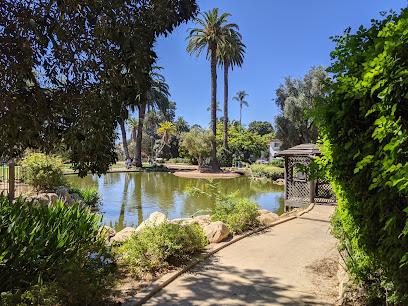
Alice Keck Park Memorial Garden
3.1 km
Explore the serene beauty of Alice Keck Park Memorial Garden, a lush oasis in Santa Barbara perfect for relaxation, picnics, and romantic strolls.
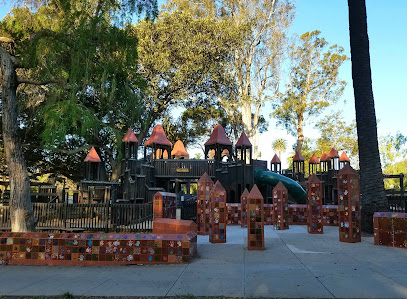
Kids World
3.1 km
Experience the joy of play at Kids World in Santa Barbara, a delightful playground designed for family fun and adventure.
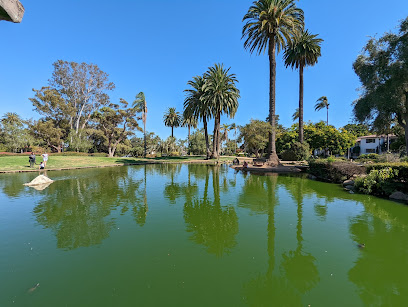
Alameda Park
3.2 km
Experience the beauty of Alameda Park in Santa Barbara, where lush landscapes, recreational facilities, and a family-friendly environment await every visitor.
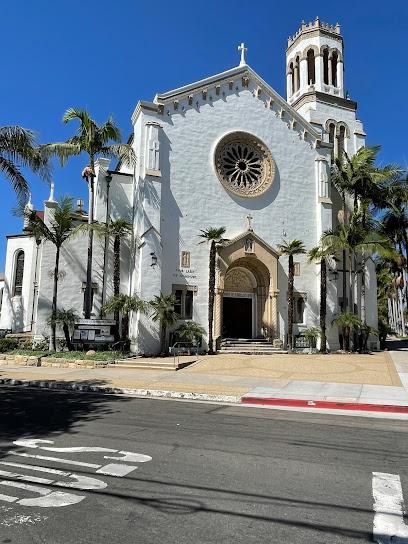
Our Lady of Sorrows Roman Catholic Church
3.4 km
Discover Santa Barbara's historic Our Lady of Sorrows Church, a beautiful landmark with Spanish Colonial Revival architecture and a rich spiritual heritage.
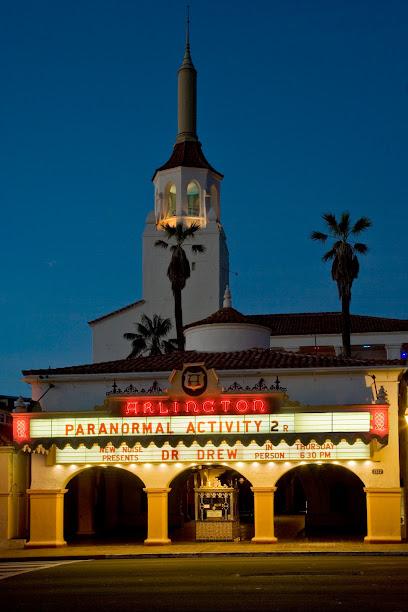
Arlington Theatre
3.6 km
Discover the enchanting Arlington Theatre in Santa Barbara, where performing arts, cocktails, and cinematic magic come to life.
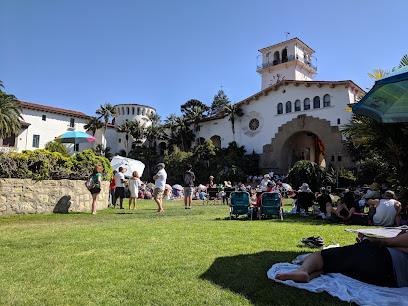
Santa Barbara County Courthouse Gardens
3.6 km
Discover the stunning gardens of Santa Barbara County Courthouse, a historical landmark blending nature and culture in California's beautiful coastal city.
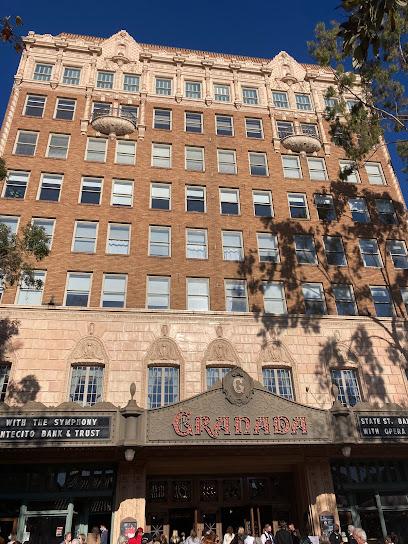
The Granada Theatre
3.7 km
Experience the rich cultural heritage and vibrant performances at The Granada Theatre, a historic landmark in Santa Barbara, California.
Essential places to dine

Crocodile Restaurant & Bar
2.4 km
Discover the vibrant flavors of California at Crocodile Restaurant & Bar in Santa Barbara - where great food meets a lively atmosphere.
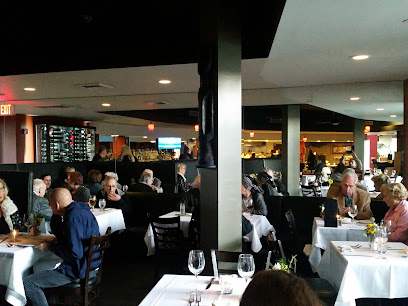
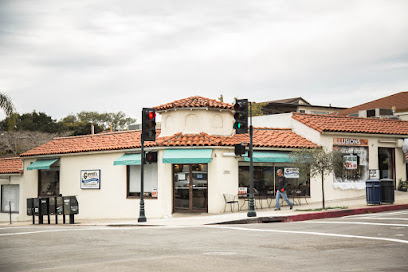
Garrett's Old Fashioned Restaurant
2.9 km
Experience classic American dining at Garrett's Old Fashioned Restaurant in Santa Barbara—where every meal is a delicious tradition.
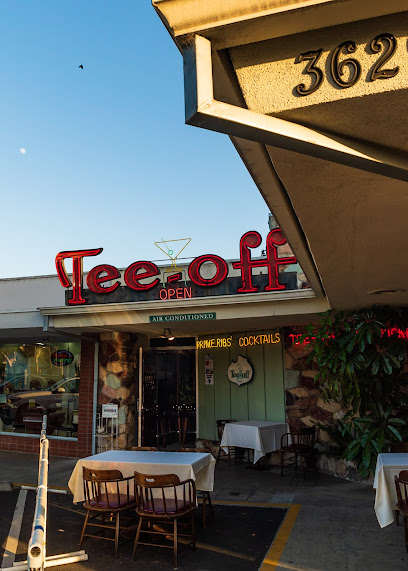
Tee-Off Restaurant and Lounge
3.4 km
Experience culinary excellence at Tee-Off Restaurant and Lounge in Santa Barbara - where prime steaks meet an inviting atmosphere.
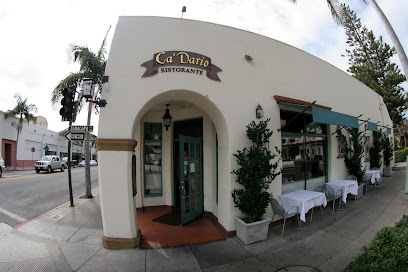
Ca' Dario Santa Barbara
3.5 km
Discover authentic Italian cuisine at Ca' Dario in Santa Barbara – where each dish tells a story of tradition and flavor.
Opal
3.5 km
Experience exquisite American cuisine at Opal in Santa Barbara – where vibrant flavors meet elegant dining.
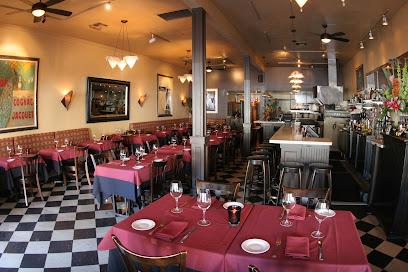
Jane
3.6 km
Experience the best of Californian cuisine at Jane in Santa Barbara – where fresh ingredients meet culinary creativity.
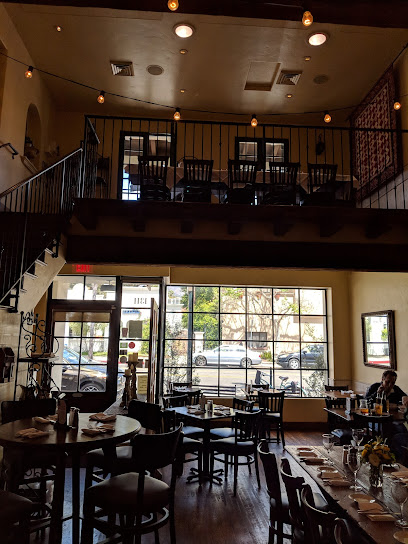
bouchon Santa Barbara
3.6 km
Discover exquisite Californian cuisine at Bouchon Santa Barbara - where every meal is an unforgettable experience.
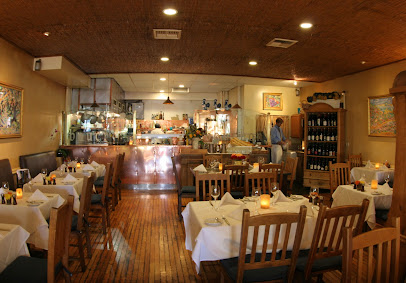
Olio e Limone Ristorante
3.7 km
Discover authentic Italian cuisine at Olio e Limone Ristorante in Santa Barbara, where every dish tells a story of tradition and flavor.
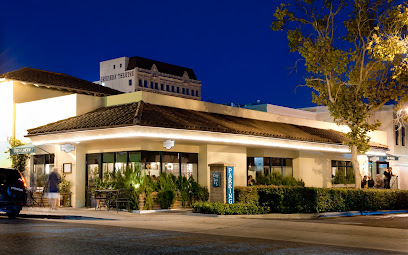
Sama Sama Kitchen
3.7 km
Discover authentic Southeast Asian cuisine in the heart of Santa Barbara at Sama Sama Kitchen - where every bite tells a story.
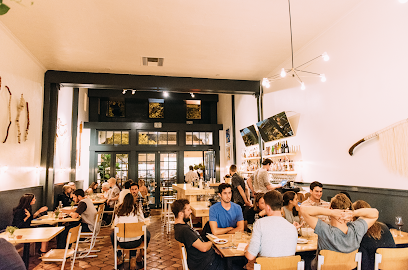
Louie's California Bistro
3.7 km
Discover Louie's California Bistro: A dog-friendly haven offering delectable Californian cuisine in the heart of Santa Barbara.
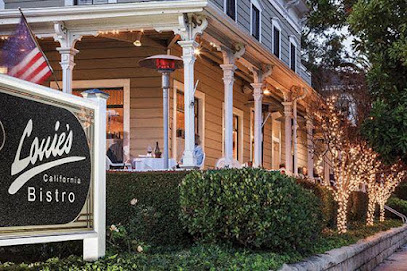
Benchmark Eatery
3.7 km
Experience the best of American cuisine at Benchmark Eatery in Santa Barbara—where gourmet burgers meet fresh seafood in a vibrant setting.
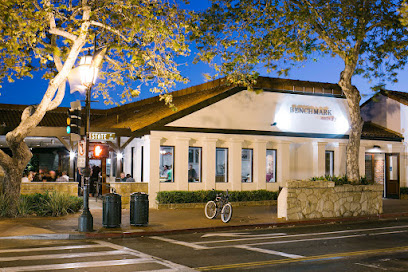
State & Fig
3.7 km
Experience authentic Californian cuisine at State & Fig, where fresh ingredients meet culinary artistry in Santa Barbara's vibrant downtown.
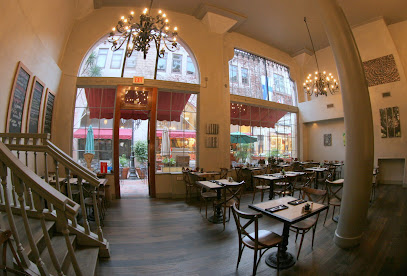
Petit Valentien
3.8 km
Discover authentic French cuisine at Petit Valentien in Santa Barbara – where every dish tells a story of culinary artistry and passion.
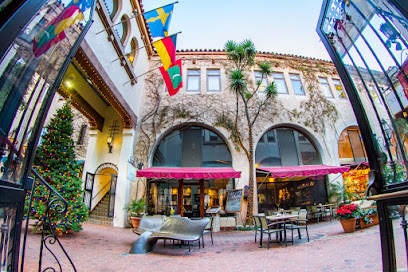
Mizza
3.8 km
Savor authentic Italian flavors at Mizza in Santa Barbara - where every bite feels like a trip to Italy.
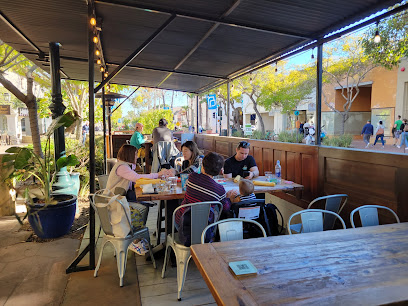
milk & honey
3.8 km
Savor authentic Spanish tapas and vibrant cocktails at milk & honey in downtown Santa Barbara - A culinary gem for every food lover.
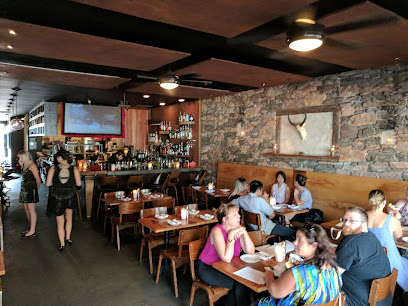
Markets, malls and hidden boutiques

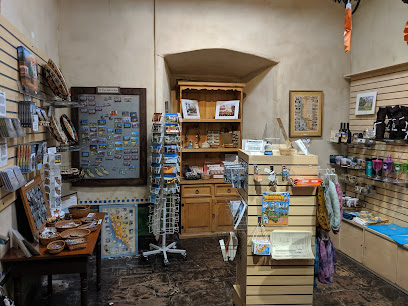
Serra Shop
2.1 km
Discover unique gifts and locally crafted treasures at Serra Shop, a charming gift shop in Santa Barbara, California.
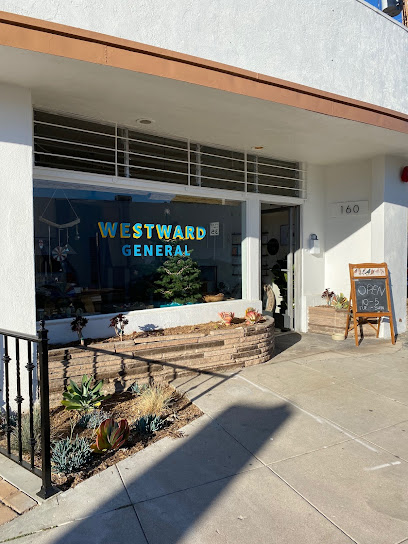
Westward General
2.7 km
Explore Westward General, your go-to vintage clothing store in Santa Barbara offering unique apparel and delightful home goods.
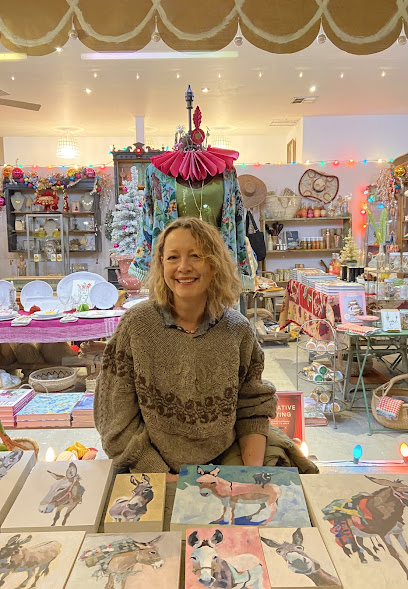
Folly
3.5 km
Explore Folly Gift Shop in Santa Barbara for unique, locally crafted treasures and gifts that capture the essence of California's vibrant culture.
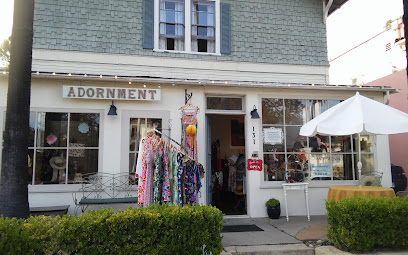
Adornment
3.5 km
Discover unique fashion accessories at Adornment, a chic boutique in Santa Barbara’s vibrant downtown, perfect for elevating your style.
Sirena
3.5 km
Explore the finest in women's fashion at Sirena, a stylish boutique in the heart of Santa Barbara, California.
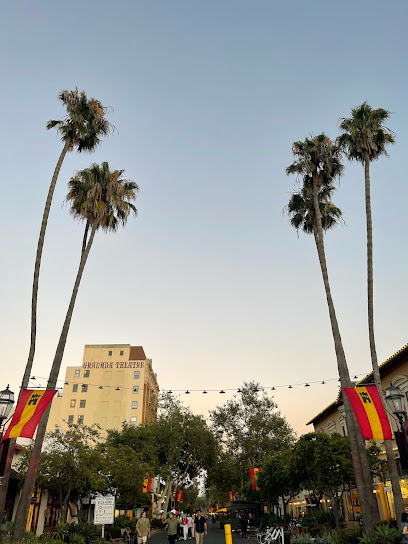
Paradise Found
3.7 km
Explore Santa Barbara's Paradise Found - a unique gift shop and bookstore offering local art and one-of-a-kind treasures for every traveler.
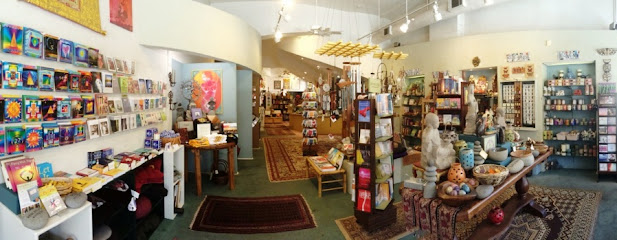
Santa Barbara Museum of Art Store
3.7 km
Explore unique gifts and art-inspired treasures at the Santa Barbara Museum of Art Store, a hub of creativity in California's coastal paradise.
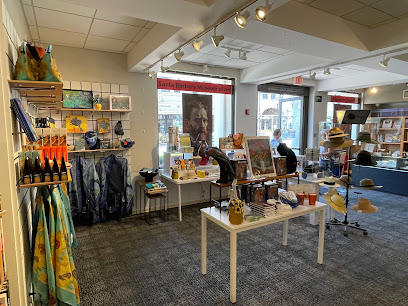
Lewis & Clark
3.8 km
Explore the charm of Santa Barbara with unique gifts and handcrafted jewelry at Lewis & Clark, the ultimate destination for memorable souvenirs.
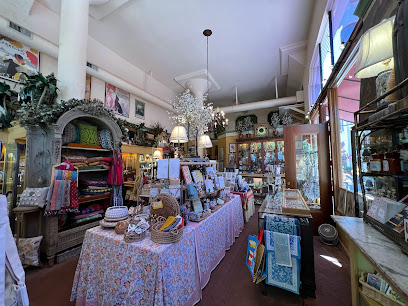
Anthropologie
3.8 km
Explore Anthropologie in Santa Barbara for an eclectic mix of women's fashion, beauty, and home decor that inspires creativity and individuality.
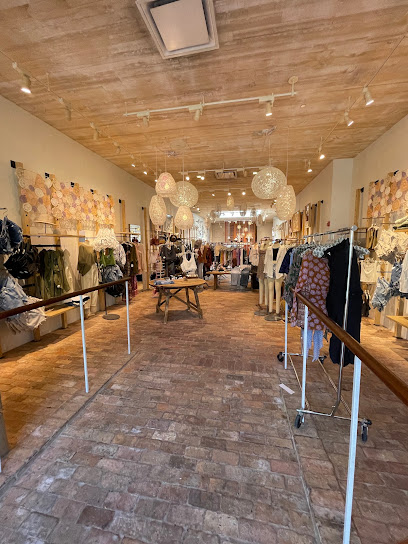
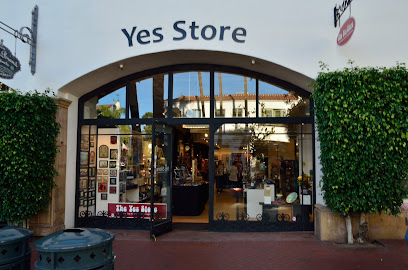
The Yes Store
3.8 km
Discover unique gifts and local artistry at The Yes Store in Santa Barbara, a treasure trove for tourists seeking memorable souvenirs.
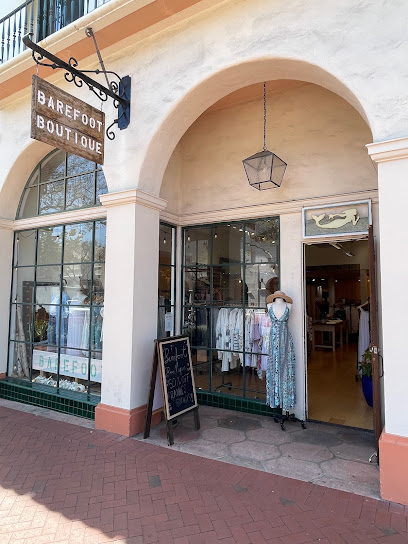
Barefoot Boutique
4.0 km
Explore Barefoot Boutique: Your go-to destination for unique clothing and accessories in the heart of Santa Barbara's vibrant shopping scene.
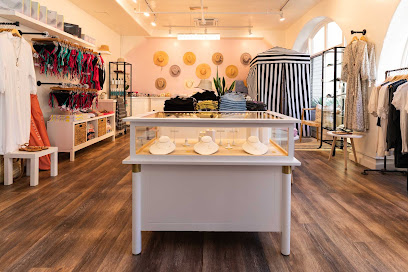
Sands Boutique
4.0 km
Discover unique fashion at Sands Boutique in Santa Barbara, featuring stylish women's and men's clothing along with trendy swimwear.
Marshalls
4.1 km
Experience unbeatable deals on fashion and essentials at Marshalls Santa Barbara, where every visit is a treasure hunt for unique finds.
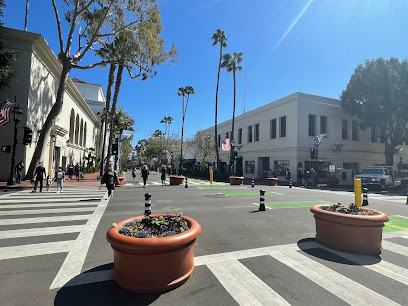
Salt Boutique
4.1 km
Explore the elegance of Salt Boutique, Santa Barbara's premier destination for women's fashion and unique local styles.
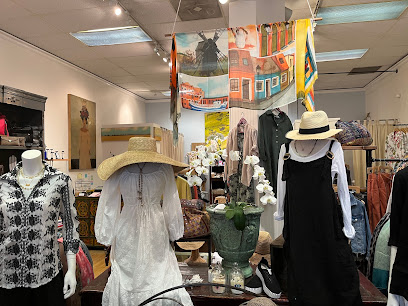
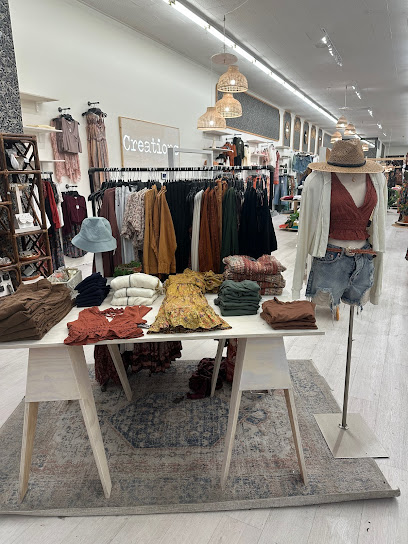
Creations Boutique
4.2 km
Discover the essence of Santa Barbara fashion at Creations Boutique, your go-to destination for stylish women's clothing and accessories.
Essential bars & hidden hideouts

Uptown Lounge
2.7 km
Experience the vibrant atmosphere and delicious offerings at Uptown Lounge, Santa Barbara's hidden gem for pizza and drinks.
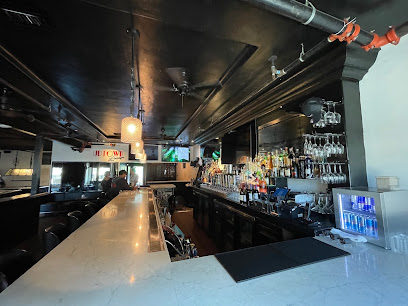
De la Vina lounge
2.7 km
Experience the vibrant cocktail culture at De la Vina Lounge in Santa Barbara, where handcrafted drinks meet a cozy, inviting atmosphere.
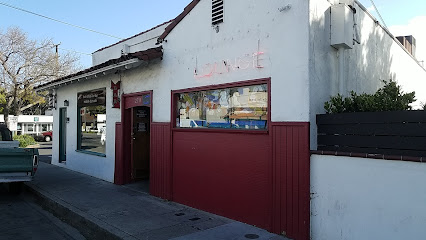
Sportsman Lounge
3.6 km
Experience the vibrant atmosphere and friendly vibes at Sportsman Lounge, a top bar destination in the heart of Santa Barbara.
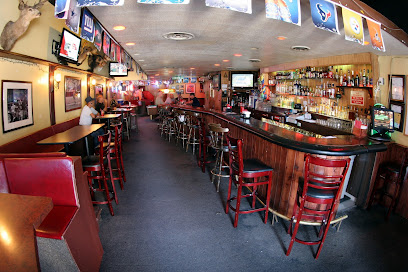
The Good Lion
3.7 km
Experience the vibrant cocktail culture of Santa Barbara at The Good Lion, where expertly crafted drinks meet a lively atmosphere.
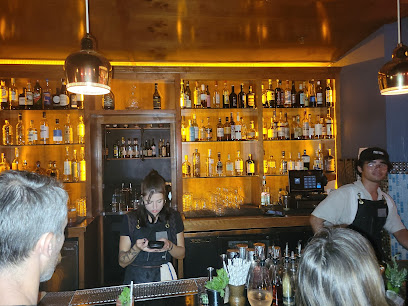
Odessa Lounge
3.8 km
Discover a serene wine haven at Odessa Lounge in Santa Barbara, where exquisite wines and a cozy atmosphere create unforgettable moments.
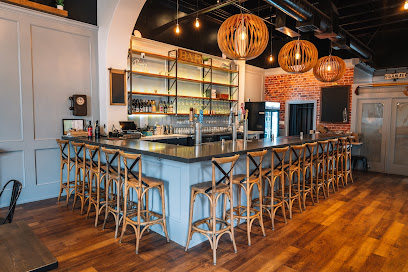
The Pickle Room
4.0 km
Experience the vibrant nightlife at The Pickle Room - Santa Barbara's premier cocktail bar and grill that delights with innovative drinks and delicious food.
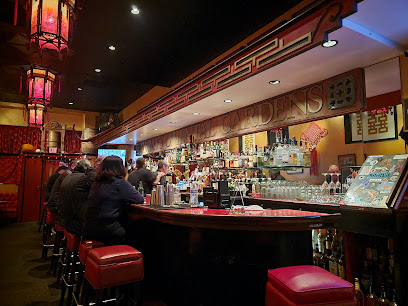
Mel's Lounge
4.2 km
Experience the vibrant atmosphere and affordable drinks at Mel's Lounge, a popular dive bar in Santa Barbara, CA.
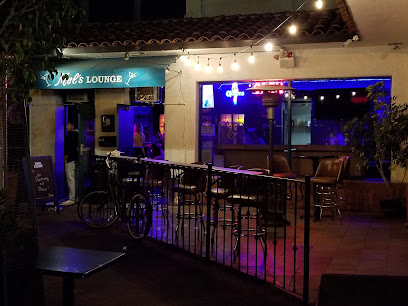
Press Room
4.3 km
Experience the vibrant nightlife at The Press Room, a charming bar in Santa Barbara offering generous pours and a welcoming atmosphere for all.
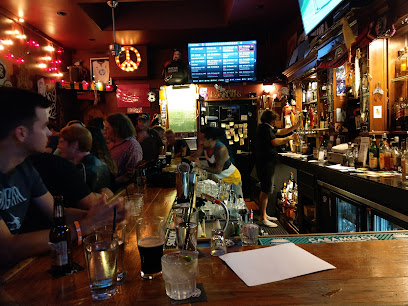
Dargan's
4.3 km
Experience authentic Irish hospitality at Dargan's, a lively pub in Santa Barbara offering delicious cuisine and live entertainment.
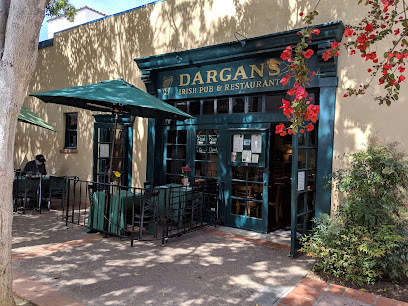
Elsies Tavern
4.4 km
Experience the lively atmosphere at Elsies Tavern, Santa Barbara's go-to pub for drinks, food, and friendly gatherings in a vibrant setting.
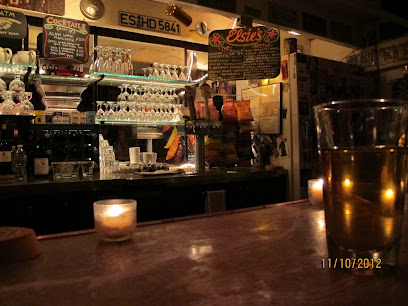
The Bobcat Room
4.4 km
Experience the vibrant retro charm of The Bobcat Room in Santa Barbara, where unique cocktails and lively atmosphere await every visitor.
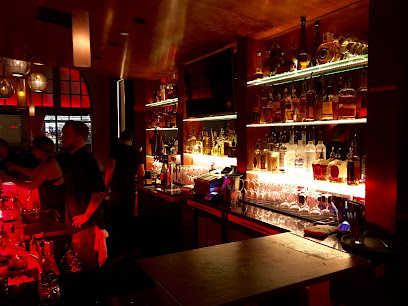
Old Kings Road
4.5 km
Discover the vibrant atmosphere and delightful offerings of Old Kings Road, a beloved pub in Santa Barbara perfect for relaxation and local flavor.
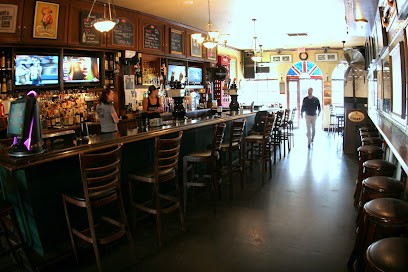
Dusk Bar
4.5 km
Experience the vibrant nightlife of Santa Barbara at Dusk Bar, where creative cocktails and a relaxing atmosphere await every visitor.
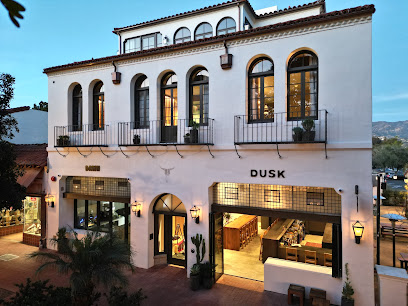
O'Malleys Bar
4.5 km
Discover O'Malleys Bar in Santa Barbara, a vibrant cocktail bar offering expertly crafted drinks and a lively atmosphere for an unforgettable night out.
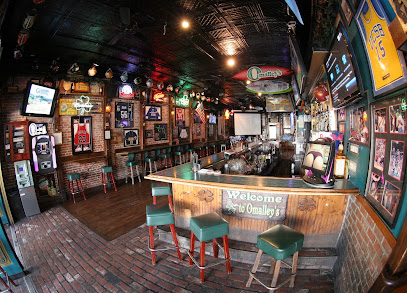
Unbearable Skee Lodge
4.6 km
Experience the vibrant atmosphere of Unbearable Skee Lodge, where craft beer meets fun arcade games in Santa Barbara's lively bar scene.
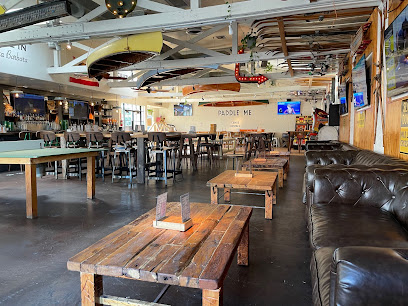
Nightclubs & after hour spots

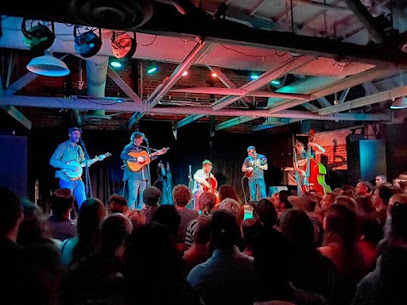
SOhO Restaurant & Music Club
3.7 km
Discover Santa Barbara's nightlife at SOhO Restaurant & Music Club, where dining meets live music in an intimate setting.
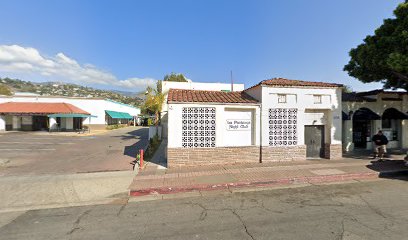
La Pachanga
4.0 km
Experience the electrifying atmosphere at La Pachanga, Santa Barbara's premier night club featuring vibrant music, delicious drinks, and unforgettable dance nights.
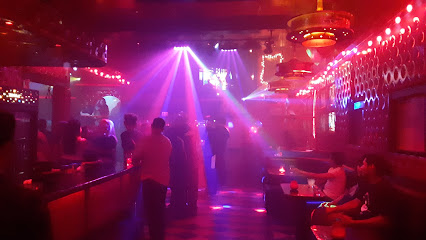
Wildcat Lounge
4.4 km
Discover the vibrant nightlife at Wildcat Lounge in Santa Barbara, featuring creative cocktails, lively atmosphere, and late-night fun.
Emerson Lower Rooms
4.5 km
Discover the energetic nightlife of Emerson Lower Rooms in Montecito, California, where music and camaraderie create unforgettable memories.
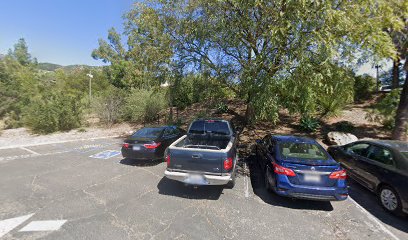
EOS Lounge
4.5 km
Discover the vibrant nightlife at EOS Lounge in Santa Barbara, where live music meets craft cocktails in a stylish lounge atmosphere.
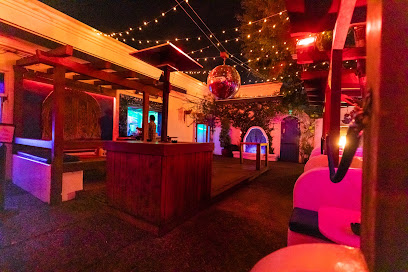
The Red Piano
4.6 km
Discover the charm of The Red Piano in Santa Barbara, a premier piano bar offering live music, exquisite cocktails, and a vibrant nightlife experience.
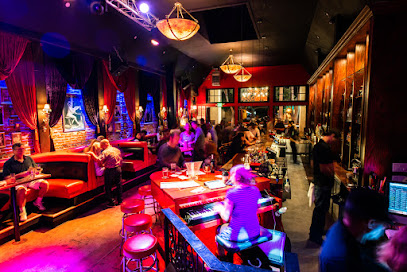
Sandbar
4.6 km
Savor authentic Mexican cuisine and vibrant nightlife at Sandbar, a must-visit spot in Santa Barbara for food lovers and partygoers alike.
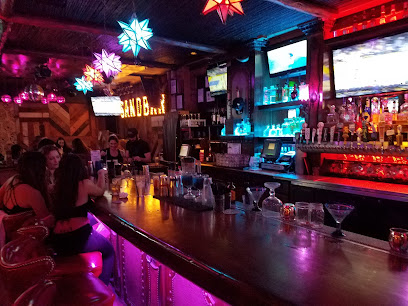
Indochine
4.6 km
Experience the vibrant nightlife of Santa Barbara at Indochine, a lively night club offering eclectic music and a welcoming atmosphere.
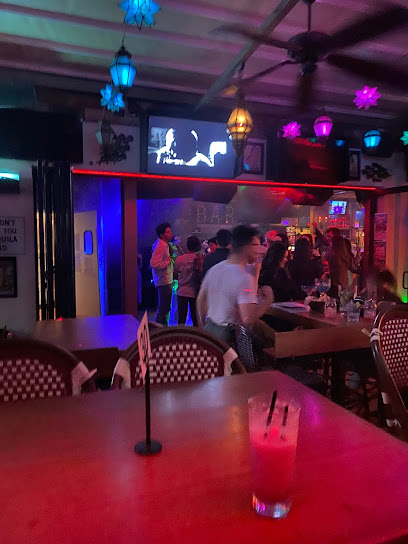
The vip
4.7 km
Experience the heartbeat of Santa Barbara's nightlife at The VIP, where unforgettable nights and vibrant energy await.
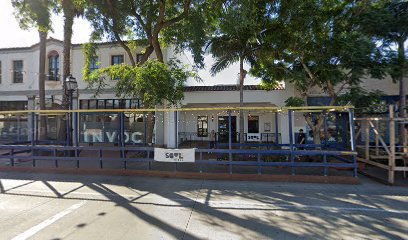
MLounge
4.7 km
Experience the vibrant nightlife of Santa Barbara at MLounge, where unique cocktails and a stylish atmosphere await you.
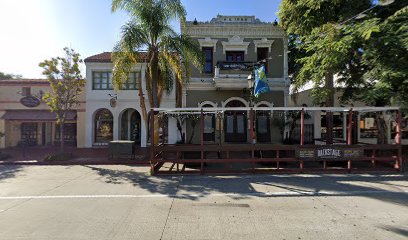
Backstage Santa Barbara
4.7 km
Discover the lively nightlife of Backstage Santa Barbara - a premier bar and lounge featuring cocktails, music, and unforgettable experiences.
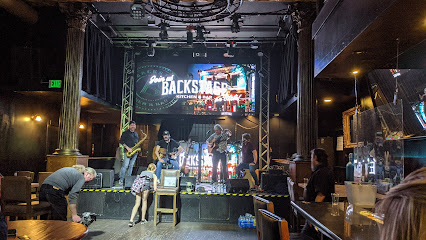
The Tower Club, Oxnard
55.3 km
Experience the elegance of The Tower Club in Oxnard, where stunning views, exquisite cocktails, and vibrant nightlife await.
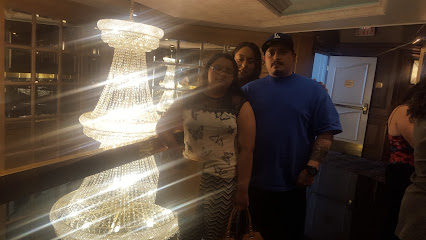
Ruby's Cafe
56.7 km
Discover the vibrant flavors and festive atmosphere of Ruby's Cafe, a premier Mexican dining experience in Oxnard, California.
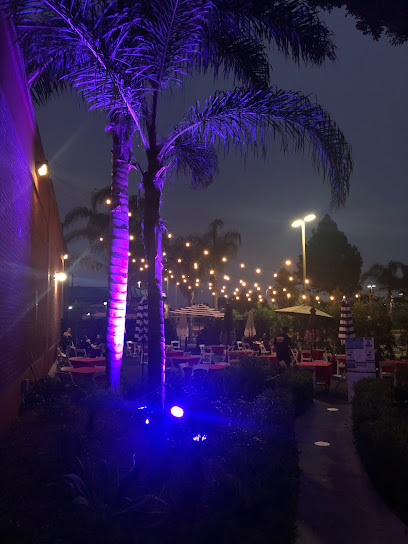
VidaLive!
56.9 km
Discover the lively nightlife at VidaLive! in Oxnard, California, where vibrant drinks and a friendly atmosphere await.
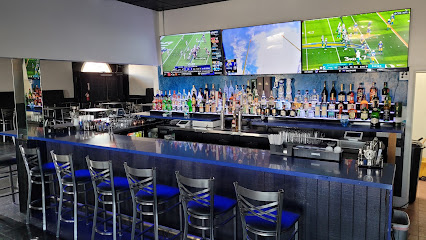
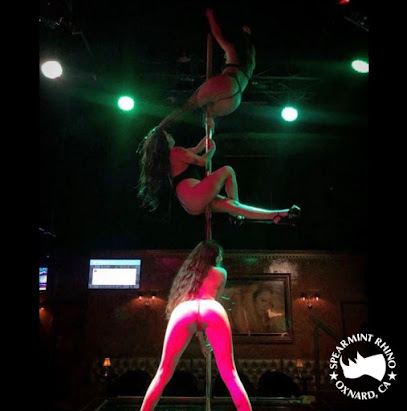
Spearmint Rhino Gentlemen's Club Oxnard
58.9 km
Discover the vibrant adult entertainment scene at Spearmint Rhino Gentlemen's Club Oxnard, where nightlife comes alive with exhilarating performances.