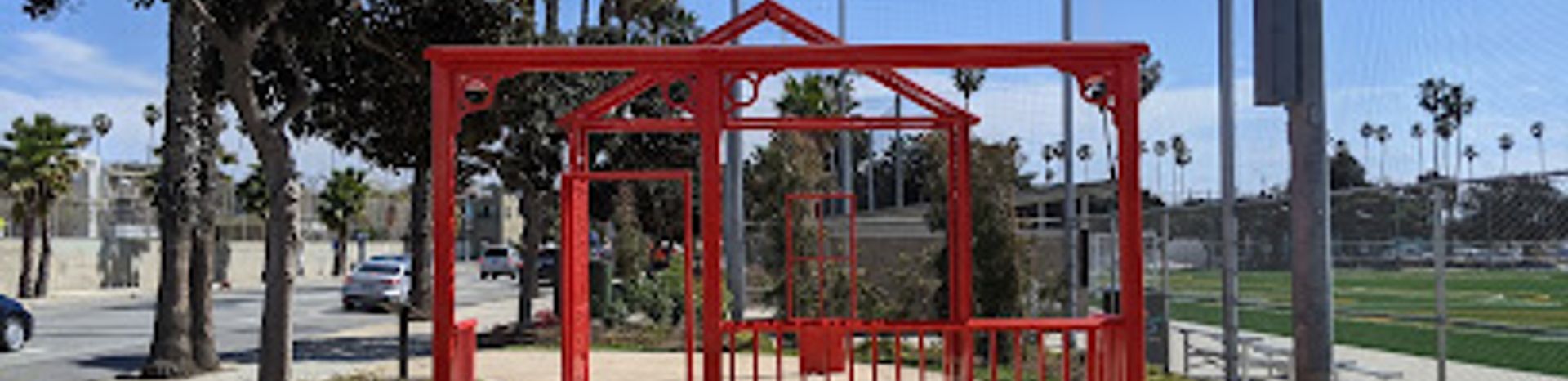
Historic Belmar Park: A Place of Remembrance and Recreation
Discover Santa Monica's Historic Belmar Park: A poignant memorial and vibrant community space honoring a displaced African American neighborhood through art, history, and recreation.
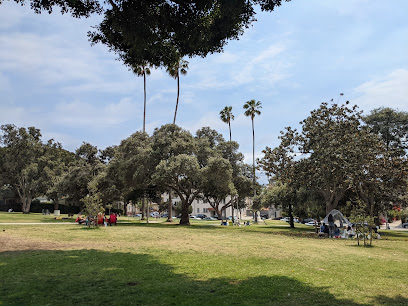
Historic Belmar Park in Santa Monica is more than just a park; it's a poignant memorial to a once-thriving African American community displaced in the 1950s. This 3.5-acre multi-purpose sports field complex features a public art installation, "A Resurrection in Four Stanzas" by April Banks, and interpretive signage detailing the history of the Belmar neighborhood. Visitors can stroll along the walking path, reflecting on the stories of those who lived and contributed to Santa Monica's vibrant culture. The park serves as a space for both active recreation and quiet contemplation, offering a unique blend of history, art, and community engagement. Open from sunrise to sunset, it's a place to learn, remember, and connect with the past while enjoying the present.
A brief summary to Historic Belmar Park
- Santa Monica, California, 90401, US
- +1866-311-7266
- Visit website
Local tips
- Take your time to read the interpretive signs along the walking path to fully understand the history of the Belmar neighborhood.
- Visit the park during community events to experience its role as a gathering place and learn more about local initiatives.
- Reflect on the art installation, "A Resurrection in Four Stanzas," and consider its message of resilience and remembrance.

Getting There
-
Public Transport
From Downtown Santa Monica, the Big Blue Bus Route 1 provides a convenient way to reach Historic Belmar Park. Board the bus heading towards Santa Monica College and disembark at the stop on 4th Street and Colorado Avenue. From there, it's a short walk south on 4th Street to the park. A single ride fare is approximately $1. Purchase a TAP card at the Big Blue Bus transit store at 1444 4th St.
-
Walking
If starting from the Santa Monica Pier, head east on Ocean Avenue for about 0.5 miles. Turn left onto Colorado Avenue and walk one block to 4th Street. Turn right onto 4th Street, and the park will be a short walk ahead on your left. This walk offers a pleasant way to experience the downtown area.
-
Taxi/Ride-Share
A taxi or ride-share from the Third Street Promenade to Historic Belmar Park is a quick and convenient option. The ride typically takes around 5-10 minutes, depending on traffic, and costs approximately $8-$12. Be sure to confirm the fare with the driver or through the app before starting your trip.
-
Driving
If driving, approach the park via the I-10 freeway, exiting at 4th Street. Parking is available in nearby public parking structures along 4th Street. The Civic Center Garage, located off the 10 West freeway exit on 4th and Olympic, is a convenient option. Parking rates vary, with the first 90 minutes free and a daily maximum of $17 on weekdays and $20 on weekends. Check for special event rates.
Discover more about Historic Belmar Park
Iconic landmarks you can’t miss

Viceroy Santa Monica
0.3 km
Discover luxury at Viceroy Santa Monica, where modern elegance meets stunning ocean views in the heart of California's iconic beach city.

Santa Monica Place
0.7 km
Discover the ultimate shopping experience at Santa Monica Place, where luxury meets the laid-back charm of California's coast.
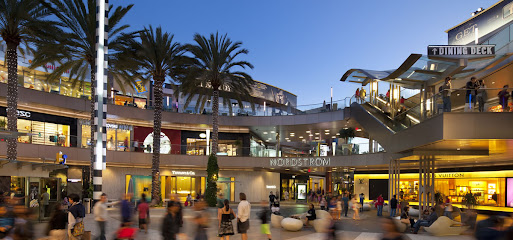
Horatio Court (Point of Interest - Architecture)
0.7 km
Discover Horatio Court in Santa Monica: An architectural masterpiece by Irving Gill, showcasing early modernist design and a commitment to simple, functional living in Ocean Park.
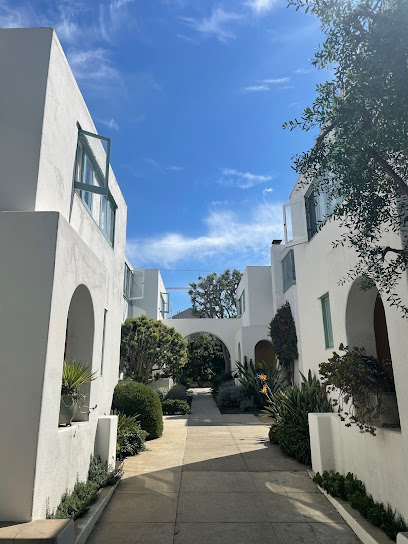
Route 66 End of the Trail
0.9 km
Explore the historic End of Route 66 at Santa Monica Pier, where adventure meets the beautiful California coastline in a vibrant, cultural hub.
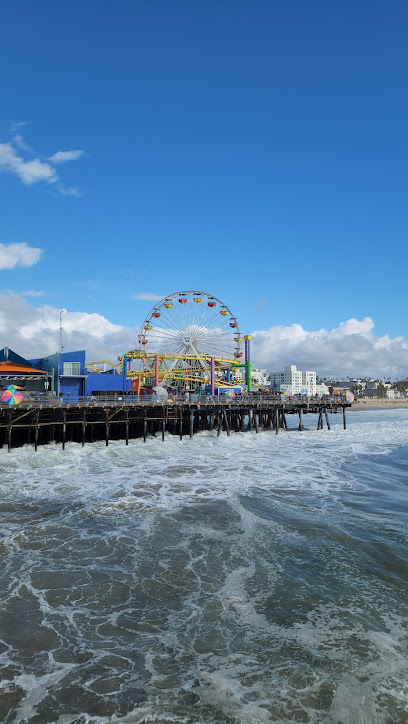
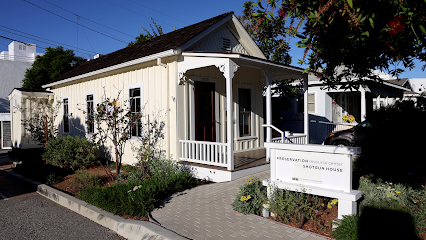
Shotgun House
0.9 km
Discover Santa Monica's architectural heritage at the Shotgun House, a preserved 19th-century home showcasing local history and sustainable preservation in the heart of Ocean Park.
Santa Monica Conservancy
0.9 km
Explore the Santa Monica Conservancy, where history meets community in a beautiful setting filled with heritage buildings and lush gardens.
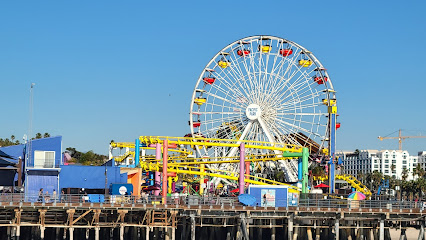
Pacific Wheel
0.9 km
Experience breathtaking views of the Pacific Ocean and the Santa Monica coastline on the world's first and only solar-powered Ferris wheel, a dazzling icon of sustainable fun.
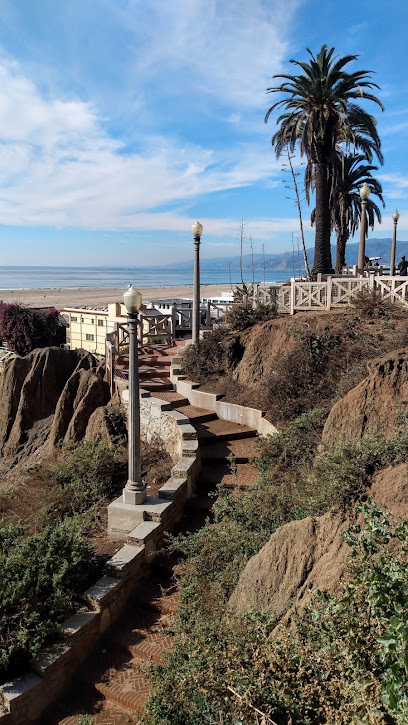
Beach Crossing Staircase
0.9 km
Discover Santa Monica's coastal charm at the Beach Crossing Staircase, a historical landmark offering stunning ocean views and a seamless connection between city life and beach serenity.
California Heritage Museum
1.0 km
Explore California's vibrant past at the California Heritage Museum in Santa Monica, showcasing diverse exhibits from surfing to Native American culture in a landmarked 1894 house.
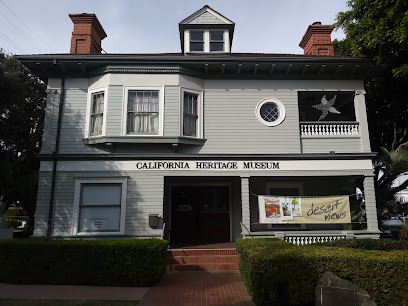
Clock Tower Building
1.0 km
Discover Santa Monica's iconic Clock Tower Building: an Art Deco masterpiece with a rich history, offering a blend of architectural beauty and modern attractions in the heart of downtown.
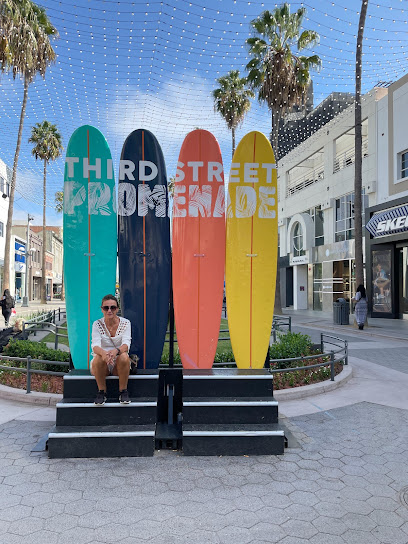
Santa Monica Pier
1.0 km
Discover the enchanting Santa Monica Pier, where history meets fun with attractions, stunning views, and vibrant coastal culture.
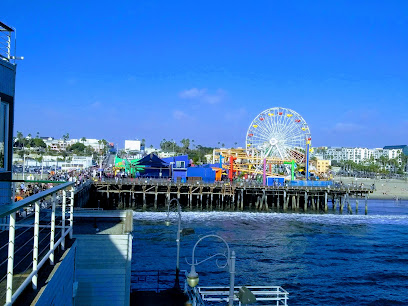
Downtown Santa Monica
1.0 km
Experience the best of Southern California in Downtown Santa Monica: sun-kissed beaches, vibrant shopping, diverse dining, and iconic attractions all steps from the Pacific Ocean.
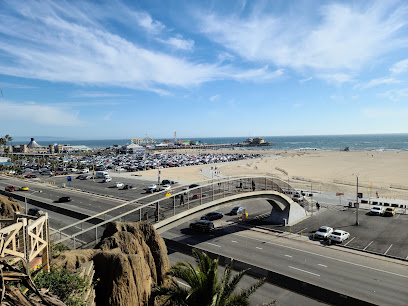
Will Rogers Highway Marker
1.0 km
Commemorating the iconic Route 66 and the beloved Will Rogers, this Santa Monica marker offers a glimpse into America's open road spirit and a tribute to a legendary entertainer.
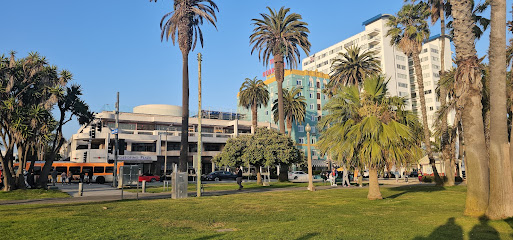
Dorothy Green Park
1.1 km
Discover Santa Monica's beachfront gem: Dorothy Green Park, a tribute to environmental champion Dorothy Green, offering recreation, relaxation, and stunning ocean views.
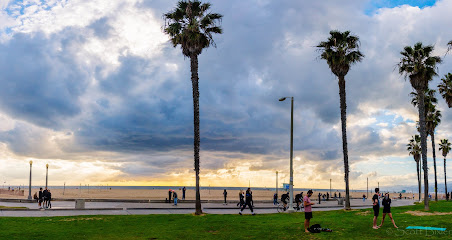
Old Rte 66,
1.1 km
Discover the western end of the legendary Route 66 in Santa Monica, where the iconic highway meets the Pacific Ocean, offering a blend of history, culture, and seaside charm.
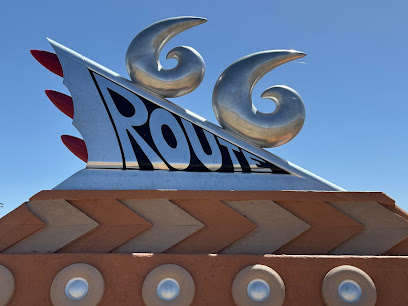
Unmissable attractions to see

Santa Monica Civic Auditorium
0.2 km
Explore the Santa Monica Civic Auditorium, a cultural hub showcasing diverse performances in a historic setting, surrounded by vibrant coastal attractions.
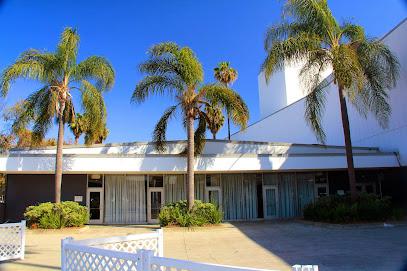
Tongva Park
0.5 km
Explore the beauty of Tongva Park in Santa Monica, a serene urban oasis with stunning landscapes, vibrant community events, and breathtaking ocean views.
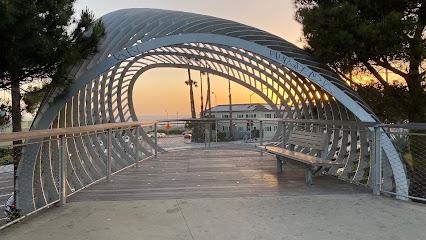
Surf City Tours
0.5 km
Discover the breathtaking beauty of Santa Monica with Surf City Tours, offering memorable sightseeing experiences along the stunning California coastline.
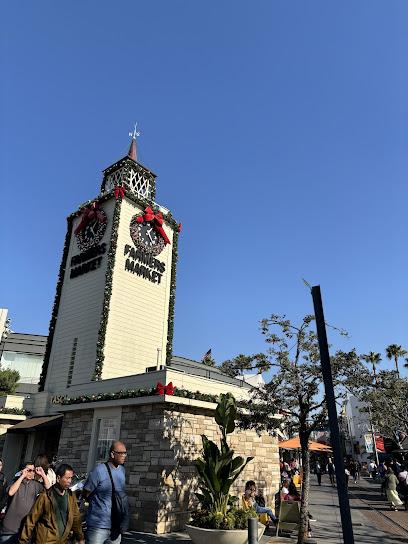
Crescent Bay Park
0.5 km
Explore Crescent Bay Park in Santa Monica: A stunning coastal park perfect for relaxation, recreation, and breathtaking ocean views.
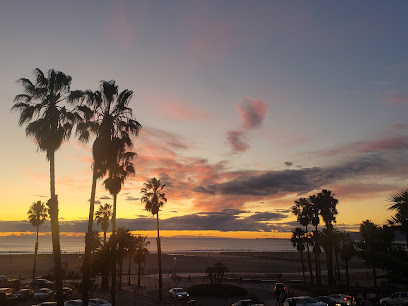
Sci-Fi World
0.5 km
Explore iconic props and sets from your favorite sci-fi and fantasy films at Sci-Fi World in Santa Monica!
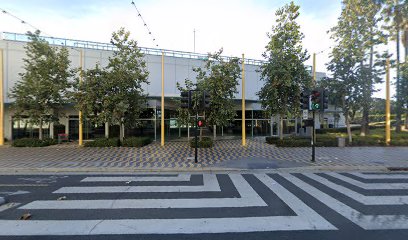
Hotchkiss Park
0.6 km
Explore Hotchkiss Park in Santa Monica, a serene escape filled with lush greenery, scenic paths, and vibrant community events by the coast.
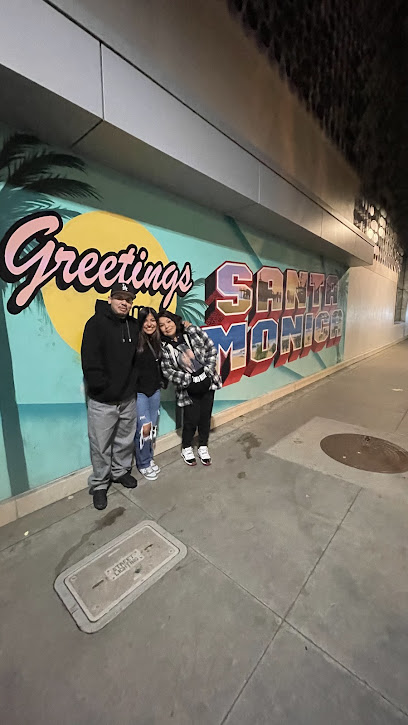
Greetings from Santa Monica Mural
0.6 km
Experience the colorful Greetings from Santa Monica Mural, a vibrant landmark that showcases the artistic spirit and beach culture of California.
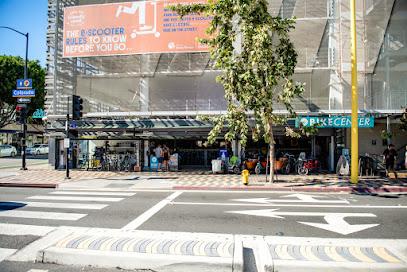
The Bike Center Santa Monica
0.6 km
Explore Santa Monica's iconic sights and hidden gems with quality bike rentals, tours, and services at The Bike Center!
Santa Monica Street Art
0.6 km
Explore the colorful murals and artistic installations of Santa Monica Street Art, a vibrant outdoor gallery along California's stunning coastline.
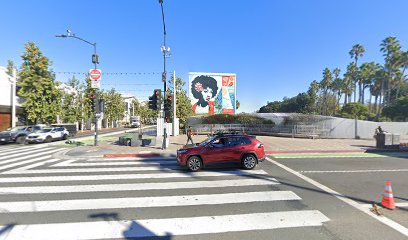
Chess Park
0.6 km
Experience the unique charm of Chess Park in Santa Monica—a seaside destination for chess lovers and beachgoers alike.
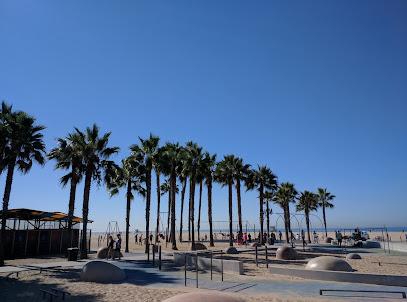
Original Muscle Beach Santa Monica
0.6 km
Discover the legacy of fitness at Original Muscle Beach in Santa Monica, where history meets health in a stunning coastal setting.
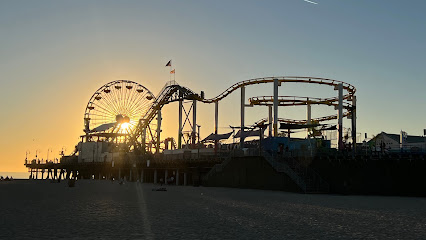
Yacht Harbour, Santa Monica
0.7 km
Experience the stunning Yacht Harbour in Santa Monica, a vibrant coastal gem perfect for relaxation, dining, and water activities.
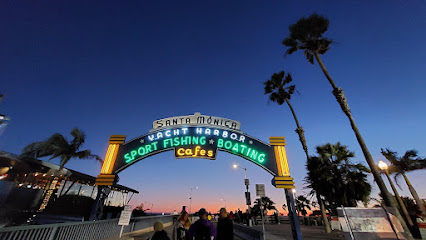
Santa Monica Pier Arch
0.7 km
An iconic gateway to seaside fun, the Santa Monica Pier Arch welcomes visitors to a historic landmark filled with amusement park thrills, classic charm, and breathtaking ocean views.
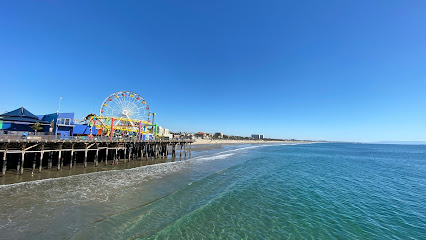
Cayton Children's Museum
0.7 km
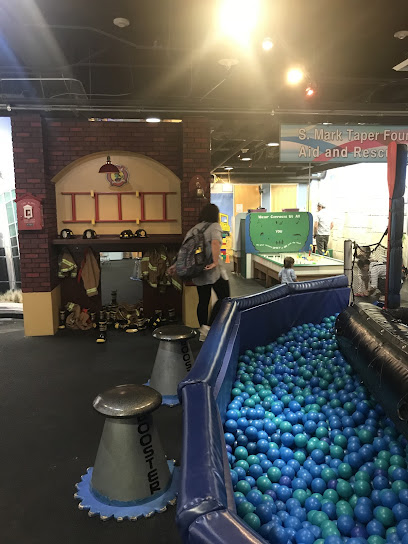
Discover creativity and fun at the Cayton Children's Museum – an imaginative paradise for kids in Santa Monica, California.
Heal the Bay Aquarium
0.7 km
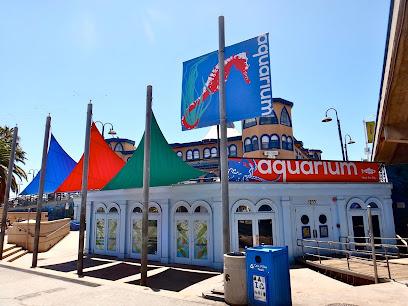
Discover marine wonders at the Heal the Bay Aquarium in Santa Monica, where education meets conservation and oceanic beauty awaits.
Essential places to dine

Sugar Palm Santa Monica
0.3 km
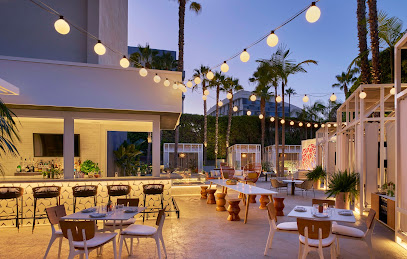
Experience culinary excellence at Sugar Palm Santa Monica - where coastal charm meets exquisite dining.
Sol Agave - santa monica
0.3 km
Savor authentic Mexican cuisine at Sol Agave in Santa Monica; indulge in flavorful dishes and an extensive tequila selection by the beach.
Capo
0.4 km
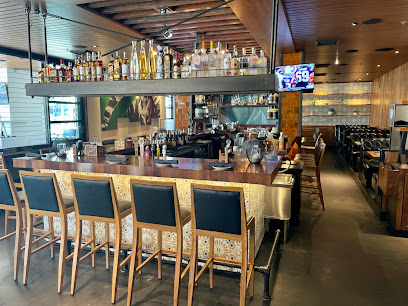
Indulge in authentic Italian cuisine at Capo in Santa Monica - where fine dining meets stunning coastal views.
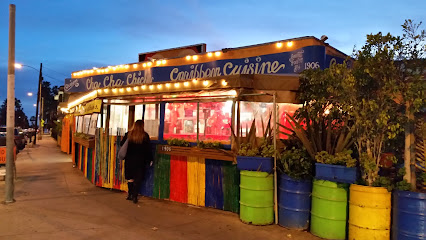
Cha Cha Chicken
0.4 km
Experience authentic Jamaican flavors at Cha Cha Chicken in Santa Monica – a must-visit Caribbean restaurant for food lovers.
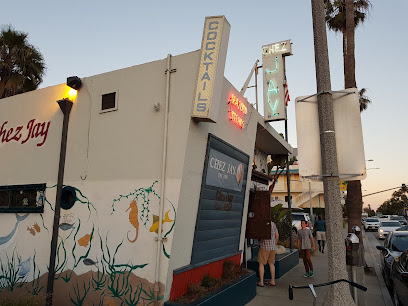
Chez Jay
0.5 km
Experience exceptional steak and seafood at Chez Jay in Santa Monica - where coastal charm meets culinary excellence.
Coast
0.5 km
Experience exquisite Californian cuisine with stunning ocean views at Coast in Santa Monica—where every meal is a celebration.
1 Pico
0.5 km
Experience exquisite seafood dining at 1 Pico in Santa Monica - where coastal charm meets culinary excellence.
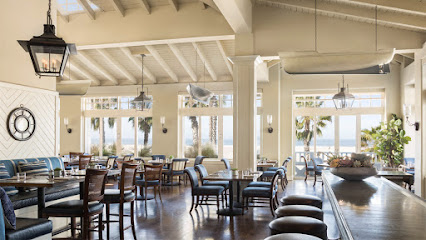
Terrazza
0.5 km
Experience Terrazza in Santa Monica - where American comfort meets Mediterranean charm amidst breathtaking ocean views.
Bruno's Italian Restaurant
0.5 km
Experience authentic Italian flavors at Bruno's Italian Restaurant in Santa Monica - where every dish tells a story.
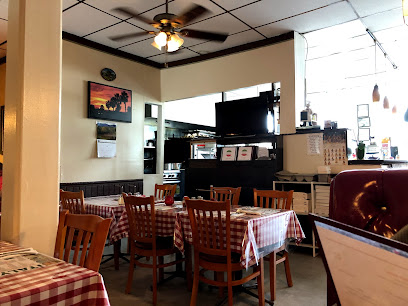
THE Curious PALATE
0.6 km
Discover unique American cuisine at The Curious Palate in Santa Monica – where classic dishes meet creative twists in an inviting atmosphere.
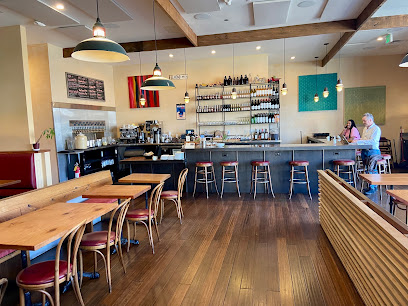
The Lobster
0.6 km
Experience exquisite seafood dining at The Lobster in Santa Monica, where ocean views meet culinary artistry for an unforgettable meal.
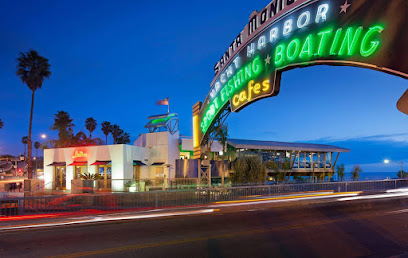
RED O CANTINA
0.7 km
Experience authentic Mexican cuisine with a modern twist at RED O CANTINA in Santa Monica - where vibrant flavors meet coastal charm.
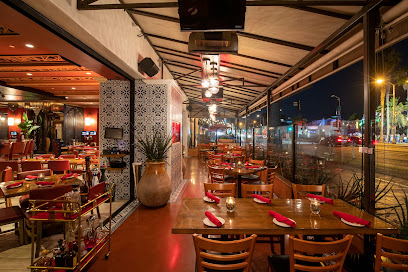
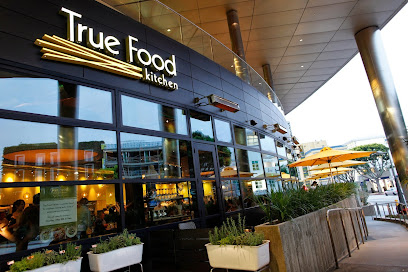
True Food Kitchen
0.7 km
Discover healthful dining at True Food Kitchen in Santa Monica - where delicious meets nutritious with diverse menu options for every palate.
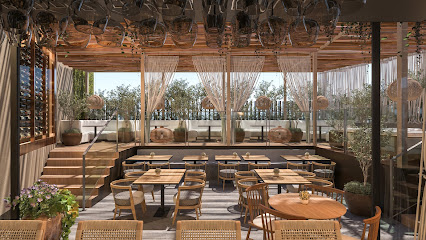
LouLou Santa Monica
0.7 km
Experience exquisite French-Mediterranean cuisine at LouLou Santa Monica, where stunning views meet culinary excellence in the heart of California's coastline.
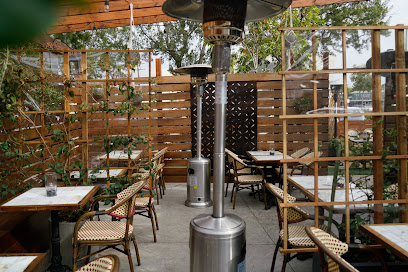
Piccolo Santa Monica
0.7 km
Discover the rich flavors of Italy at Piccolo Santa Monica – where authentic cuisine meets vibrant coastal charm.
Markets, malls and hidden boutiques

Kathmandu Boutique
0.5 km
Explore Kathmandu Boutique in Santa Monica for unique clothing and accessories inspired by Himalayan culture, perfect for memorable souvenirs.
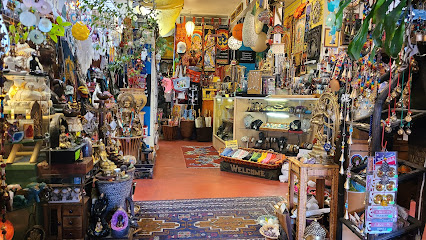
Lost & Found
0.6 km
Discover unique fashion treasures at Lost & Found, a charming clothing store in Santa Monica's Ocean Park district, perfect for stylish souvenirs.
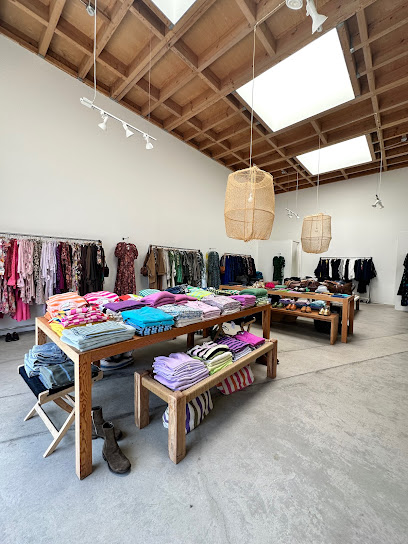
Gift & Souvenirs Santa Monica
0.6 km
Explore Santa Monica's Gift & Souvenirs for unique keepsakes and stylish clothes that capture the essence of California's coastal charm.
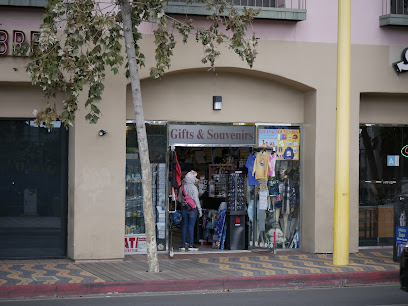
UNIQLO Santa Monica Place
0.6 km
Explore modern fashion for all ages at UNIQLO Santa Monica Place, a stylish clothing store in the heart of Santa Monica.
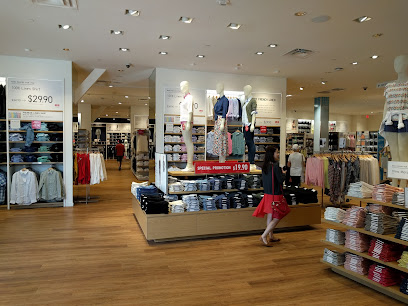
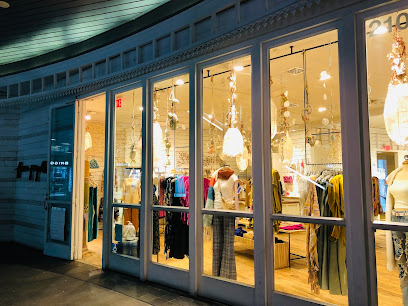
Free People
0.7 km
Discover bohemian fashion and unique clothing at Free People, a must-visit women's clothing store in the heart of Santa Monica.
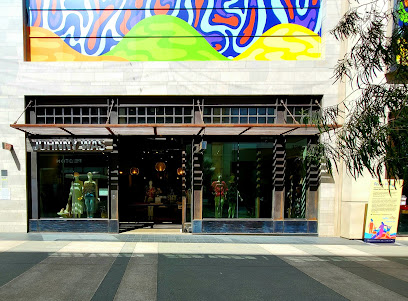
Johnny Was
0.7 km
Explore the unique blend of bohemian fashion and luxurious accessories at Johnny Was in Santa Monica, a must-visit boutique for every style enthusiast.
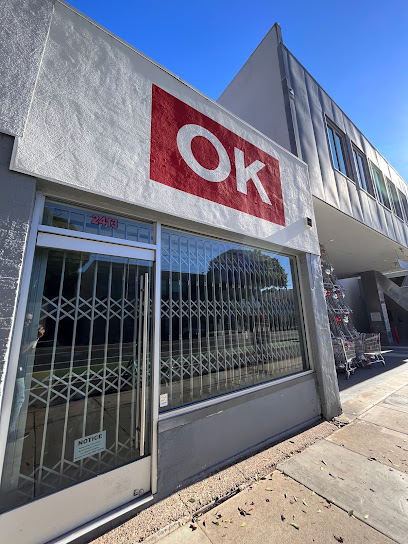
OK Santa Monica
0.7 km
Explore OK Santa Monica, a charming gift shop brimming with unique treasures and local art that captures the spirit of Santa Monica's coastal vibe.
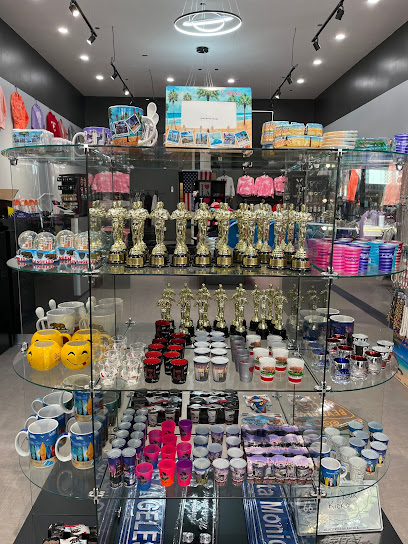
LA Gift Stop
0.8 km
Explore LA Gift Stop in Santa Monica for unique gifts and treasures that embody the spirit of California's coastal charm.
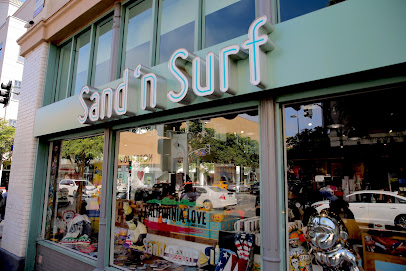
Sand 'n Surf
0.8 km
Explore Sand 'n Surf in Santa Monica for unique gifts and souvenirs that capture the essence of California's vibrant coastal culture.
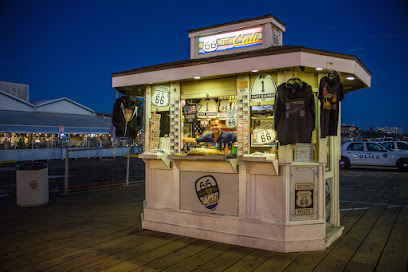
66-To-Cali
0.8 km
Explore the vibrant culture of California at 66-To-Cali, a unique gift shop in Santa Monica offering local souvenirs and trendy apparel.
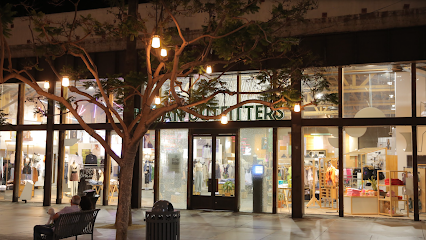
Urban Outfitters
0.8 km
Discover Urban Outfitters in Santa Monica, where fashion meets fun with a unique blend of clothing, beauty, and home goods.
Beachcomber Gift Cart
0.9 km
Discover unique souvenirs and local crafts at Beachcomber Gift Cart, your go-to gift shop on Santa Monica Pier.
Santa Monica Pier Rock Shop
0.9 km
Explore unique gifts and souvenirs at the Santa Monica Pier Rock Shop, a treasure trove of coastal charm and local craftsmanship.
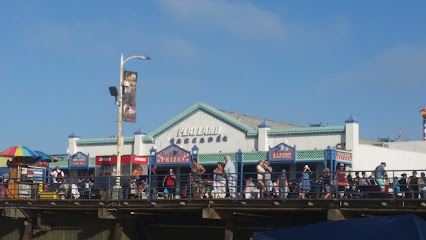
Oatman Rock Shop
0.9 km
Explore the unique gifts and treasures at Oatman Rock Shop, your go-to destination for souvenirs at the iconic Santa Monica Pier.
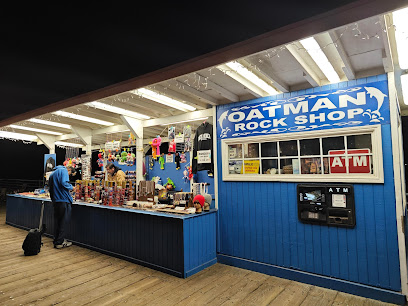
Pier Gear
0.9 km
Explore Pier Gear at Santa Monica Pier for a diverse selection of unique souvenirs capturing the spirit of California's coastal charm.
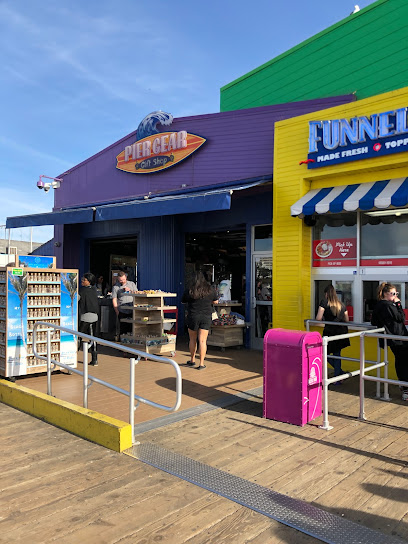
Essential bars & hidden hideouts

The Backyard
0.5 km
Discover the vibrant flavors of The Backyard in Santa Monica, where crafted cocktails and coastal cuisine meet in a stunning outdoor oasis.
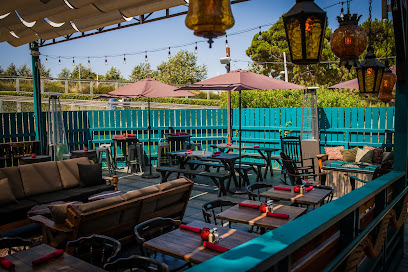
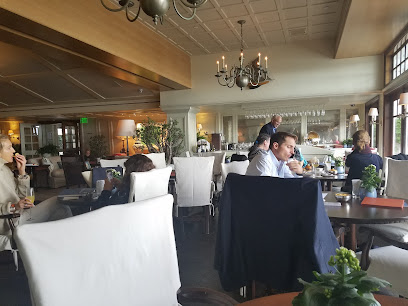
The Living Room
0.5 km
Experience the elegance of The Living Room in Santa Monica, where coastal charm meets culinary excellence and breathtaking ocean views.
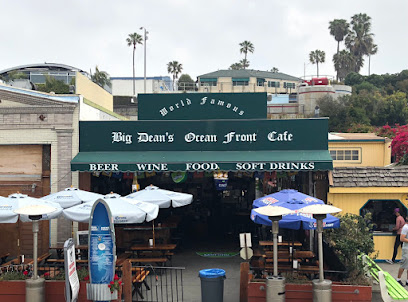
Big Dean's Ocean Front Cafe
0.7 km
Experience the best of Santa Monica dining at Big Dean's Ocean Front Cafe, where fresh seafood and stunning ocean views come together.
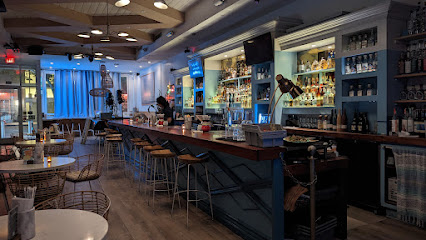
Lanea
0.8 km
Experience the vibrant atmosphere of Lanea, a Santa Monica cocktail bar offering delicious Mexican cuisine and live music in a chic beach setting.
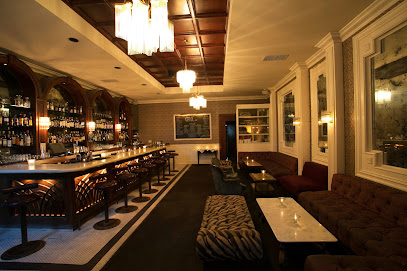
Bar Chloe
0.8 km
Experience the vibrant atmosphere and unique cocktails at Bar Chloe, Santa Monica's trendy bar perfect for unwinding after a day of exploration.
Bodega Wine Bar
0.9 km
Experience the perfect blend of artisan pizzas, fine wines, and a cozy ambiance at Bodega Wine Bar in Santa Monica, California.
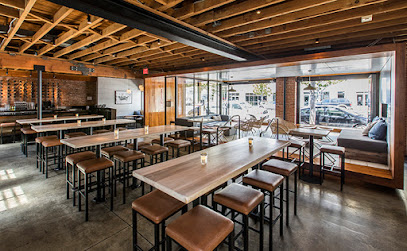
Ye Olde King's Head
1.0 km
Discover the charm of British cuisine at Ye Olde King's Head in Santa Monica, a brewpub and tea house offering a delightful culinary experience.
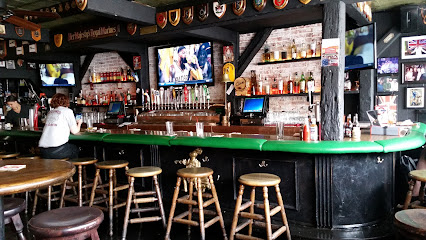
Basement Tavern
1.1 km
Basement Tavern: A lively bar and American restaurant in Santa Monica, perfect for great food, drinks, and vibrant nightlife.
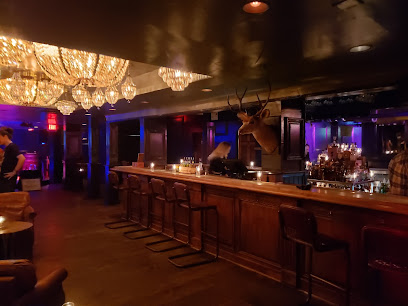
Jameson’s Pub
1.1 km
Discover the charm of Ireland at Jameson’s Pub in Santa Monica, where great food, drinks, and hospitality come together in a lively atmosphere.
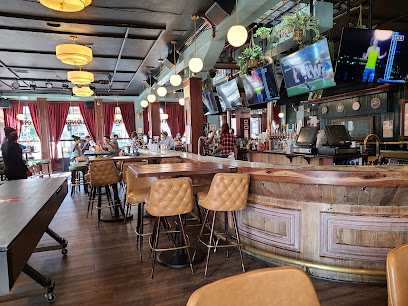
The Coco Club
1.2 km
Experience the vibrant nightlife at The Coco Club, Santa Monica's premier rooftop bar and lounge with stunning ocean views and crafted cocktails.
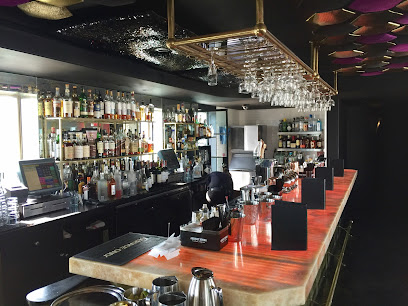
Esters Wine Shop & Bar
1.2 km
Experience the finest selection of wines and gourmet bites at Esters Wine Shop & Bar in Santa Monica, where every sip tells a story.
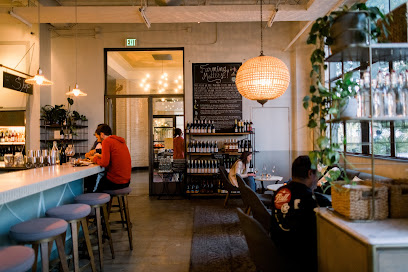
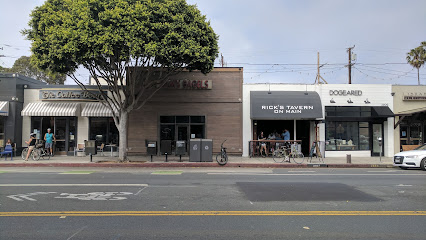
Tavern on Main SM
1.4 km
Experience the vibrant flavors of Tavern on Main SM in Santa Monica, where delicious grill dishes and a lively bar atmosphere come together.
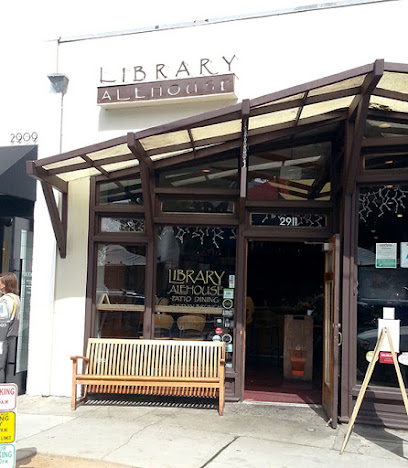
Library Alehouse
1.4 km
Discover Library Alehouse in Santa Monica, where American cuisine meets a cozy brewpub atmosphere filled with craft beers and literary charm.
JuneShine - Santa Monica
1.4 km
Experience the unique taste of hard kombucha in a vibrant bar atmosphere at JuneShine, Santa Monica's refreshing oasis for tourists.
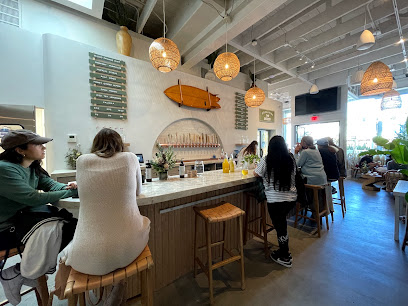
THE BUNGALOW
1.5 km
Discover The Bungalow, a stylish bar and restaurant in Santa Monica offering a unique blend of relaxation, vibrant nightlife, and coastal charm.
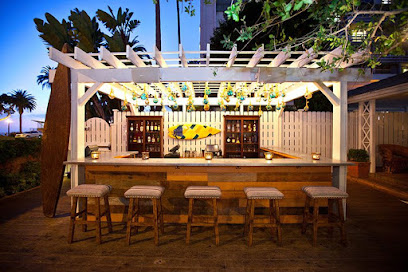
Nightclubs & after hour spots

TR!P Santa Monica
0.7 km
Discover the lively atmosphere of TR!P Santa Monica, where great drinks and live music create unforgettable memories in California.
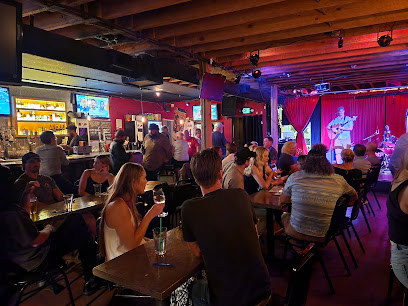
Harvelle's
0.9 km
Experience the vibrant nightlife of Santa Monica at Harvelle's, where live music and classic cocktails create unforgettable evenings.
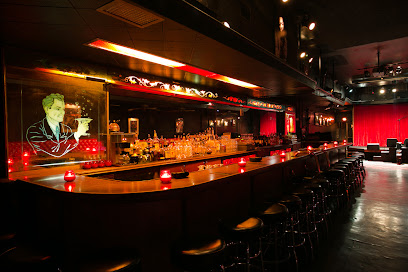
Jame’s’ smoothies
0.9 km
Discover the vibrant nightlife at Jame's Smoothies, the perfect night club in Santa Monica for unique smoothies and great atmosphere.
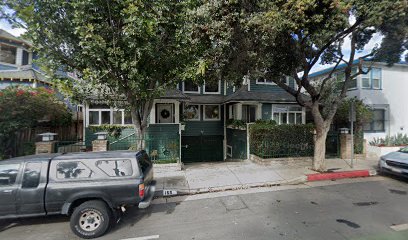
Nameless Santa Monica
1.3 km
Experience the electrifying nightlife at Nameless Santa Monica, where music, dance, and unforgettable moments await in the heart of California.
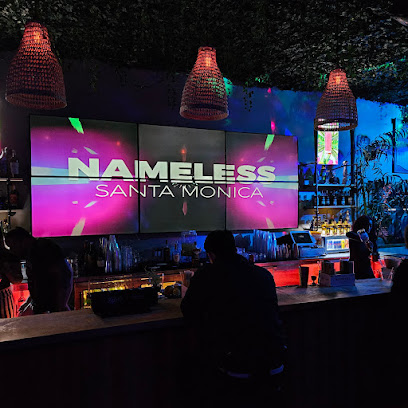
Senator Jones
2.5 km
Discover the electrifying nightlife of Santa Monica at Senator Jones, where music and vibrant energy come alive every weekend.

Gas Lite
2.5 km
Experience the ultimate karaoke and cocktail scene at Gas Lite, a vibrant bar in Santa Monica offering music, laughter, and unforgettable nights.
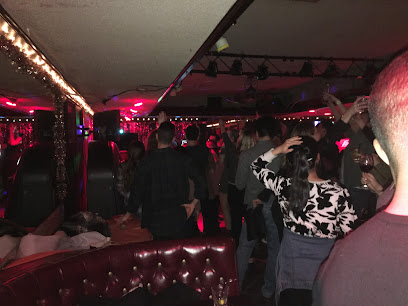
Acts Of Service Sounds
2.9 km
Discover the heartbeat of Venice nightlife at Acts Of Service Sounds, where music and energy collide for an unforgettable evening.
The Venice West
3.2 km
Experience the vibrant nightlife of Venice, CA at The Venice West, where delicious food meets live music in a lively bar atmosphere.
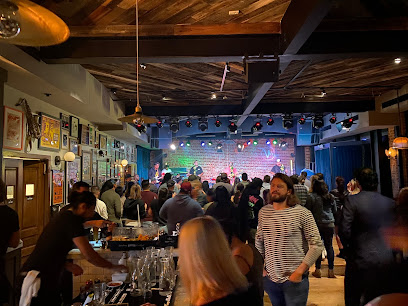
Club Sunset
3.2 km
Discover the electrifying nightlife at Club Sunset in Venice, CA—where dance, drinks, and unforgettable memories await.
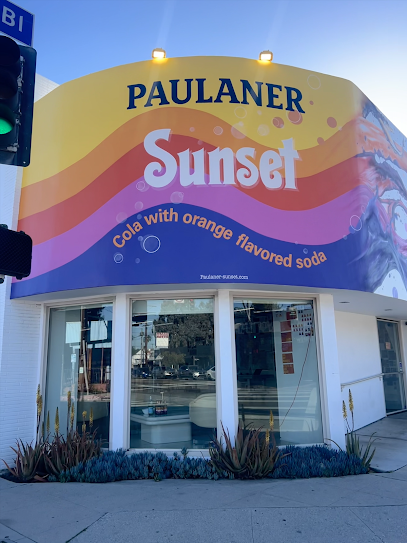
Busby's West
3.5 km
Experience the vibrant atmosphere of Busby's West in Santa Monica, where delicious grill cuisine meets lively nightlife for an unforgettable outing.
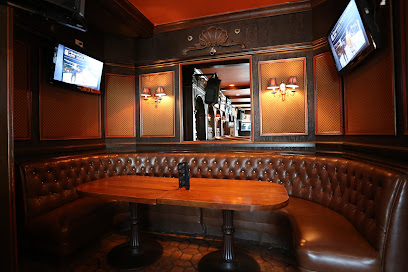
thelma todd's sidewalk cafe
7.5 km
Experience the charm of Thelma Todd's Sidewalk Café, a historic gem where delicious food meets stunning ocean views in Pacific Palisades, California.
Nightclub Rescue
9.5 km
Discover the ultimate nightlife experience at Nightclub Rescue in Beverly Hills, where music, dancing, and unforgettable memories await.
Nightlife Empire
9.5 km
Discover the vibrant nightlife at Nightlife Empire, Beverly Hills' premier destination for music, dancing, and unforgettable evenings.
Grand Havana Room
10.5 km
Experience luxury at the Grand Havana Room in Beverly Hills, where exquisite cigars and fine drinks meet an elegant ambiance.
Jim
11.1 km
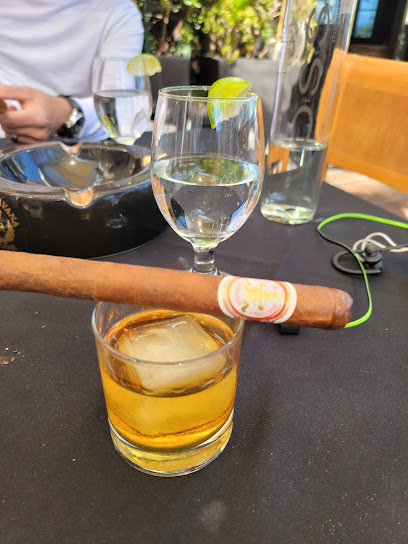
Discover the electrifying nightlife at Jim Night Club in Beverly Hills, where unforgettable experiences and vibrant music await every visitor.