Hemet Maze Stone: An Enigmatic Petroglyph
Unravel the mysteries of the Hemet Maze Stone, an ancient petroglyph shrouded in speculation, offering a glimpse into Southern California's enigmatic past and the artistry of unknown hands.
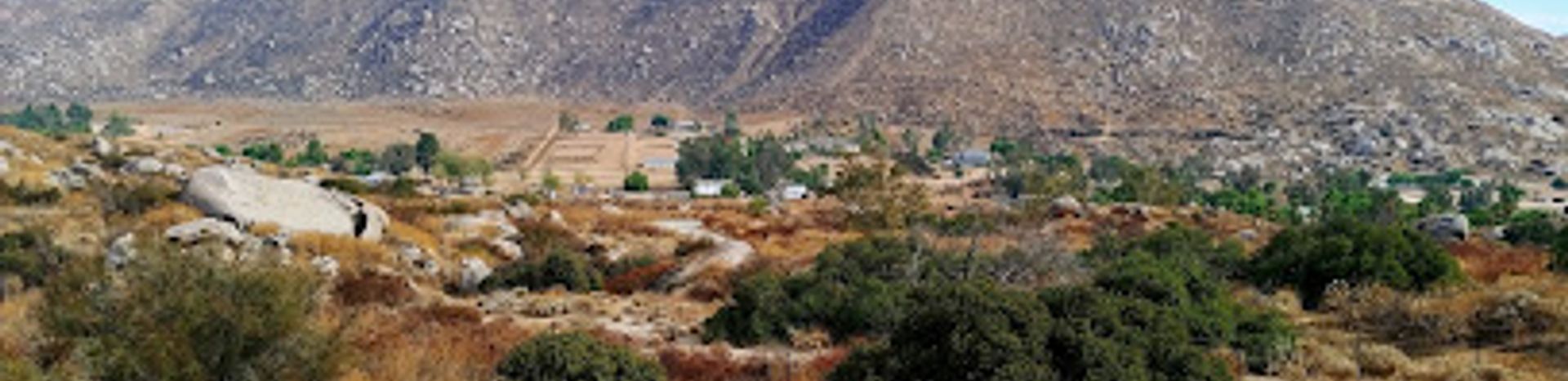
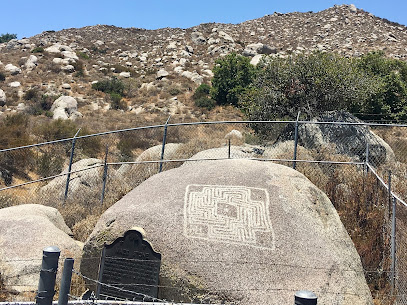
The Hemet Maze Stone, a registered California Historical Landmark, presents a captivating mystery etched into a boulder in Reinhardt Canyon. This prehistoric petroglyph, featuring an intricate maze-like design resembling interlocking swastikas, has baffled historians and archaeologists for over a century. Discovered in 1914, its origins remain shrouded in speculation, with theories ranging from Native American origins to ancient Chinese mariners. Protected by chain-link fences due to past vandalism, the Maze Stone invites intrepid travelers to ponder its enigmatic past while enjoying scenic views of the surrounding valley. A short, paved hike leads to this intriguing site, offering a glimpse into a time long past and sparking curiosity about the hands that crafted this unique symbol. The surrounding area, while somewhat abandoned, provides a sense of solitude and reflection, enhancing the experience of encountering this ancient puzzle.
A brief summary to Hemet Maze Stone
- 23519 California Ave, Hemet, California, 92545, US
- +1951-765-3712
Local tips
- Wear comfortable shoes for the short, paved uphill hike from the parking area to the Maze Stone.
- Bring water, especially during warmer months, as there are limited facilities at the site.
- Visit during the spring to enjoy the surrounding landscape when it's green and in bloom.
- Be respectful of the site and its history by not climbing on the rocks or attempting to touch the petroglyph.

Getting There
-
Driving
From CA-74, head north on California Avenue for approximately 3.2 miles. The road ends at a gate where you can park. The Hemet Maze Stone is a short 0.3-mile walk from the parking area. The walk is paved but slightly uphill.
-
Walking
From the nearest bus stop on California Avenue, head north until California Avenue ends at a gate. The Hemet Maze Stone is a short 0.3-mile walk from the parking area. The walk is paved but slightly uphill.
Discover more about Hemet Maze Stone
Iconic landmarks you can’t miss

Hemet Maze Stone
0.0 km
Explore the Hemet Maze Stone, a historic landmark with ancient petroglyphs, set in beautiful parkland with hiking trails in Hemet, California.
County of Riverside Historical Marker No.52 Transpolar Record Flight Site
4.3 km
Explore the Transpolar Record Flight Site in Riverside County, CA, and uncover the fascinating history of aviation's daring transpolar achievements.
Estudillo Mansion
8.2 km
Discover the historic Estudillo Mansion in San Jacinto, a beautiful landmark with exquisite gardens, rich history, and fascinating architecture to explore.
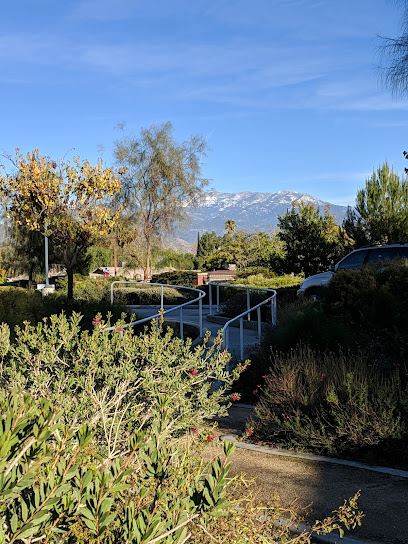
adobe house ruins
21.7 km
Discover the Adobe House Ruins in Perris, CA - a historical landmark showcasing unique adobe architecture and rich cultural heritage.

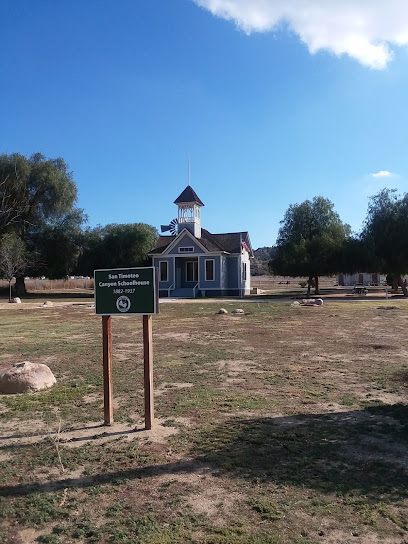
San Timoteo Canyon Schoolhouse
22.1 km
Explore the historic San Timoteo Canyon Schoolhouse, a charming landmark surrounded by nature's beauty, perfect for history lovers and outdoor enthusiasts.
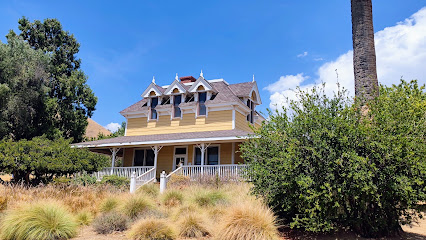
Gilman Historic Ranch and Wagon Museum
22.7 km
Explore the rich history of the American West at Gilman Historic Ranch and Wagon Museum in Banning, CA - a family-friendly attraction steeped in local culture.
Historic Coplin House
23.1 km
Step back in time at the Historic Coplin House in Banning, CA, a beautifully restored landmark offering a glimpse into the city's rich history and architectural heritage.
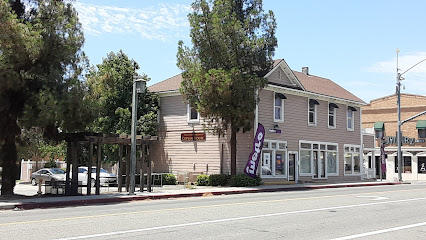
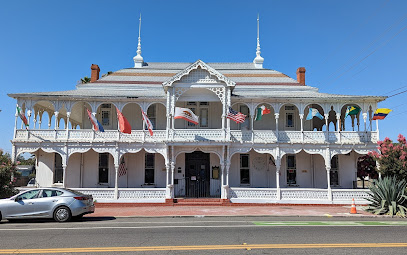
The Chimes
28.2 km
Discover the historical charm of The Chimes in Lake Elsinore, a captivating landmark showcasing the region's rich architectural heritage.
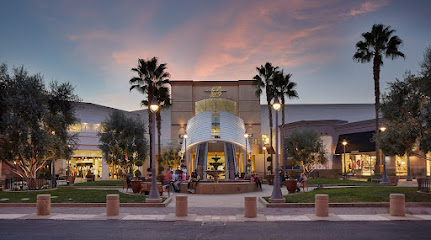
Promenade Temecula
29.9 km
Temecula's premier shopping destination with department stores, restaurants, entertainment, and a wide variety of retailers for the whole family.
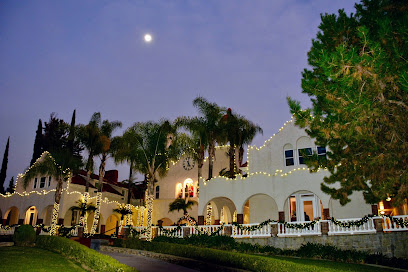
Burrage Mansion
30.1 km
Explore Burrage Mansion, a historic landmark in Redlands, California, offering a beautiful blend of architecture and captivating history.
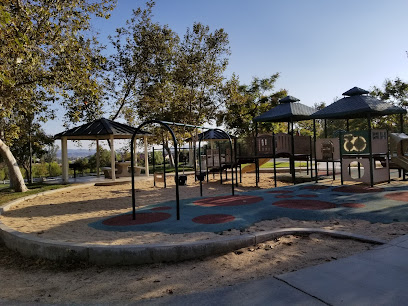
Pauba Ridge Park
30.1 km
Discover Temecula's Pauba Ridge Park: trails, sports, playgrounds, and picnic spots in a serene natural setting for family fun and relaxation.
Largest Concrete Dinosaur Building
30.4 km
Discover the whimsical charm of the Largest Concrete Dinosaur in Cabazon, a historical landmark blending nostalgia with fun for the whole family.
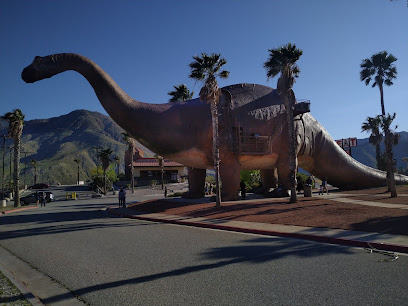
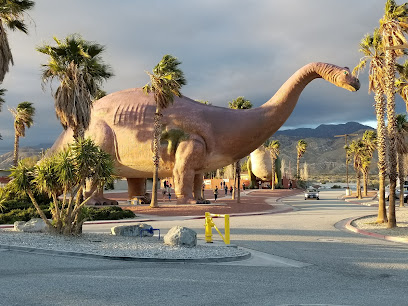
Cabazon Dinosaurs - World's Biggest Dinosaurs
30.4 km
Explore the Cabazon Dinosaurs, a fascinating attraction showcasing colossal dinosaur sculptures and educational exhibits in the heart of California's desert landscape.
Carriage House- Prospect Park
30.5 km
Discover the enchanting Carriage House at Prospect Park, a historical gem in Redlands, California, where nature meets rich architectural heritage.
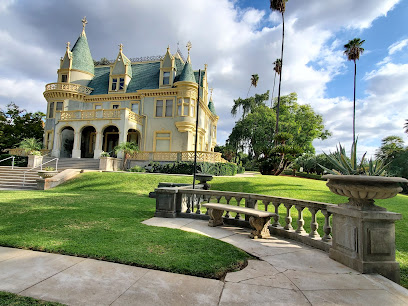
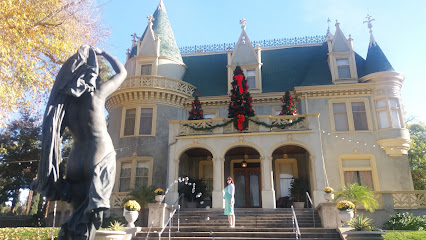
Kimberly Crest House & Gardens
30.5 km
Explore Kimberly Crest House & Gardens, a beautiful historical landmark in Redlands, California, offering stunning architecture and tranquil gardens.
Unmissable attractions to see

Southern California Railway Museum
16.4 km
Discover the charm and history of rail transport at the Southern California Railway Museum with vintage trains, interactive exhibits, and scenic rides.
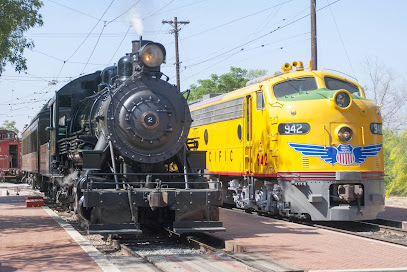
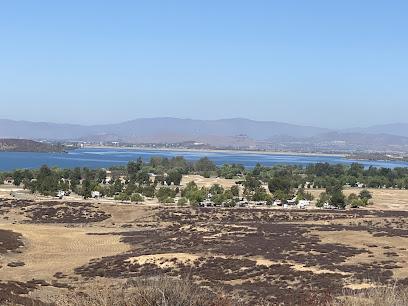
Lake Skinner Recreation Area
21.6 km
Explore Lake Skinner Recreation Area: A serene getaway in California offering outdoor adventures, stunning landscapes, and a tranquil lake experience.
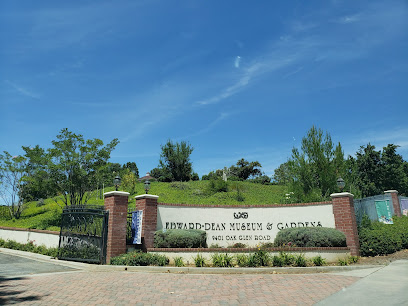
Edward-Dean Museum & Gardens
24.0 km
Explore art and history at the Edward-Dean Museum & Gardens, a serene retreat in Cherry Valley, California, perfect for culture lovers and nature enthusiasts alike.
Chapin Family Vineyards
24.3 km
Experience the essence of Temecula Valley at Chapin Family Vineyards, where exceptional wines meet stunning landscapes.
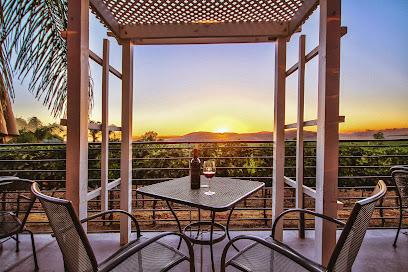
Doffo Winery
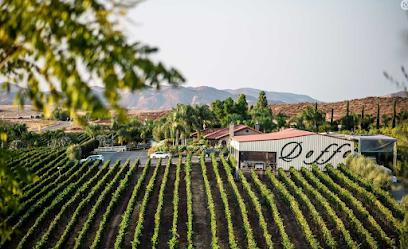
24.4 km
Experience the charm of Doffo Winery in Temecula Valley, where exquisite wines and stunning landscapes combine for an unforgettable visit.
Foot Path Winery
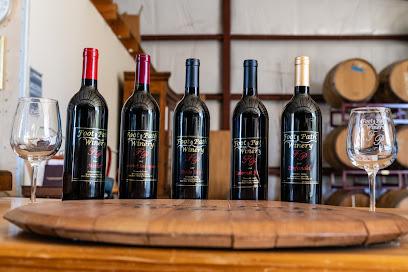
25.8 km
Experience the best of Temecula's wine culture at Foot Path Winery, where exceptional wines meet stunning vineyard views.
Vitagliano Winery
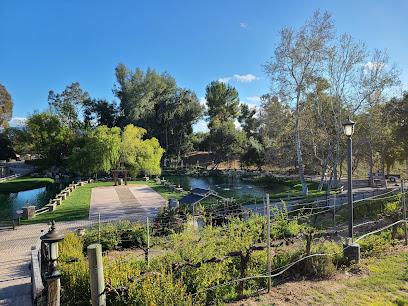
26.1 km
Discover the charm of Vitagliano Winery in Temecula, California, where exquisite wines and stunning vineyards await your exploration.
Wilson Creek Winery
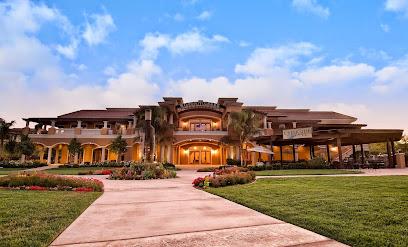
26.1 km
Experience the beauty and flavor of Temecula at Wilson Creek Winery, a premier destination for wine lovers, events, and stunning vineyard views.
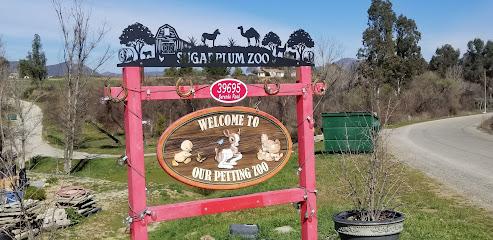
Sugarplum zoo
26.1 km
Discover the enchanting Sugarplum Zoo in Temecula, California, where captivating animals meet delightful chocolate treats for a unique family experience.
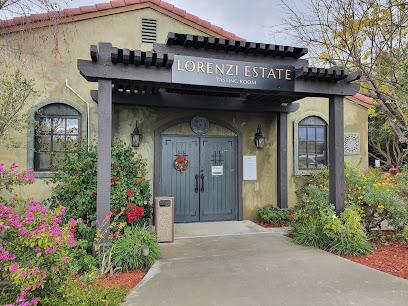
Lorenzi Estate Vineyards & Winery
26.8 km
Experience handcrafted Italian-style wines in the heart of Temecula Valley at Lorenzi Estate Vineyards & Winery. A family-owned gem with award-winning wines.
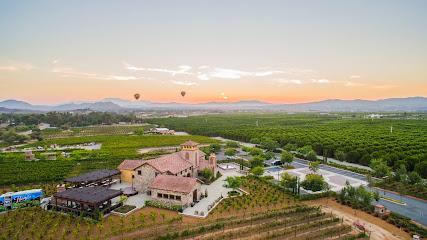
Lorimar Vineyards and Winery
26.9 km
Experience award-winning wines, live music, and local art in a Tuscan-inspired setting at Temecula Valley's Lorimar Vineyards and Winery.
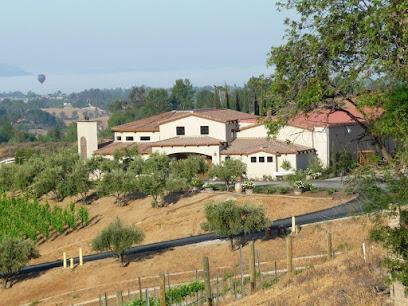
Cougar Vineyard and Winery
26.9 km
Experience the beauty and taste of Temecula at Cougar Vineyard and Winery, where exquisite wines meet breathtaking views in California's scenic wine country.
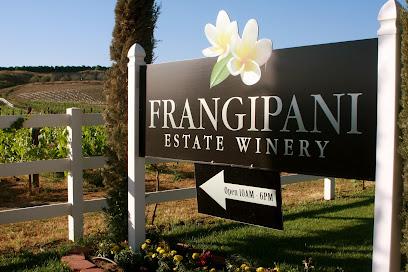
Frangipani Estate Winery
26.9 km
Discover handcrafted wines and breathtaking vineyard views at Frangipani Estate Winery, a family-owned gem in Temecula Valley's De Portola Wine Trail.
Wiens Cellars
27.0 km
Experience the best of Temecula's wine country at Wiens Cellars, where exquisite wines meet breathtaking views in a charming atmosphere.
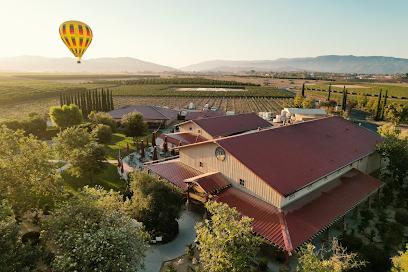
Akash Winery & Vineyard
27.1 km
Experience modern wine tasting at Akash Winery & Vineyard in Temecula, CA. Enjoy quality wines, stunning views, and a commitment to wellness.

Essential places to dine

Carol's Restaurant
28.8 km
Experience culinary excellence at Carol's Restaurant in Temecula – where fresh ingredients meet local flavors in an inviting atmosphere.
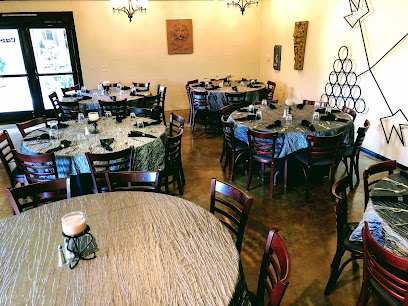
Bolero Restaurante
28.9 km
Experience authentic European breakfast and tapas at Bolero Restaurante in Temecula – where every meal is a celebration of flavor.
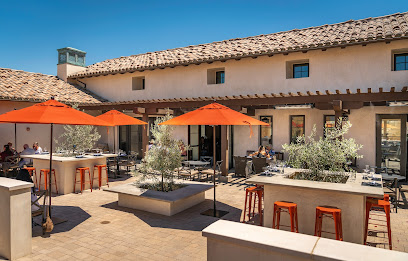
Cafe Champagne
29.3 km
Experience exquisite American cuisine at Cafe Champagne in Temecula's scenic vineyards, where every meal is a celebration of local flavors.
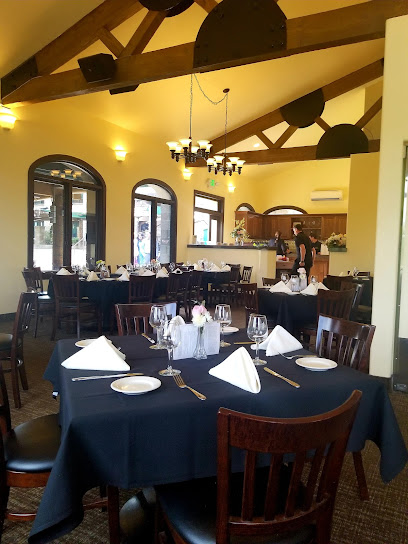
Islands Restaurant Temecula
29.5 km
Experience delicious American cuisine at Islands Restaurant Temecula - perfect for families and burger lovers in California's wine country.
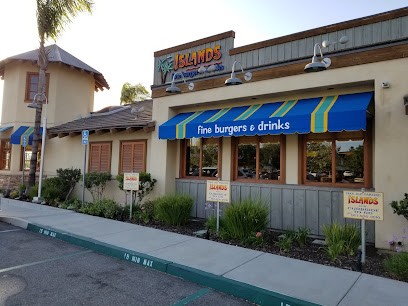
Earth Bistro
29.5 km
Discover Earth Bistro in Temecula: where health meets flavor with organic pizzas and vegan delights.
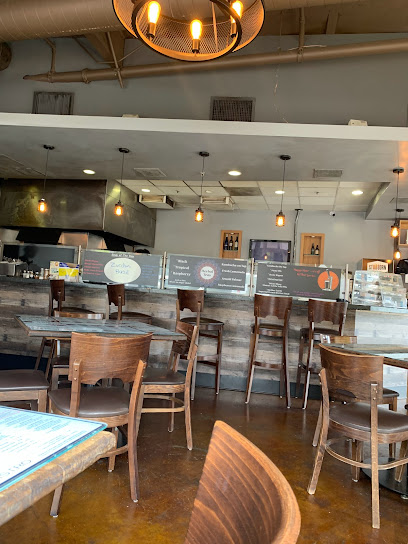
Bushfire Kitchen - Temecula
29.6 km
Discover Bushfire Kitchen in Temecula: Organic American cuisine with gluten-free options perfect for families and food lovers.
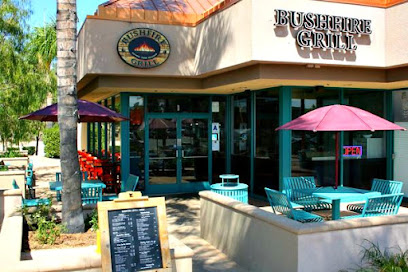
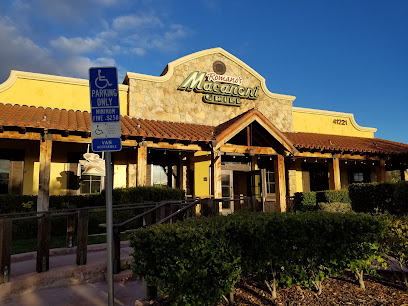
Romano's Macaroni Grill
29.8 km
Savor authentic Italian cuisine at Romano's Macaroni Grill in Temecula—where every meal is a celebration of flavor and tradition.
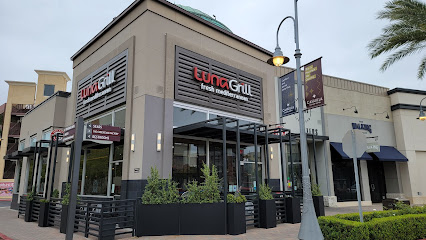
Luna Grill Temecula
29.9 km
Savor authentic Mediterranean cuisine at Luna Grill Temecula – where fresh ingredients meet vibrant flavors in a welcoming atmosphere.
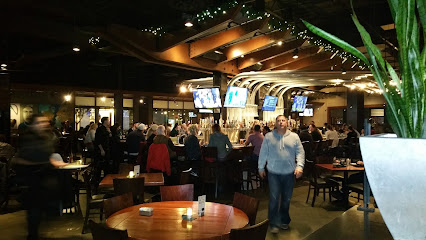
Yard House
30.0 km
Experience New American cuisine and craft beers at Yard House in Temecula - perfect for food lovers and sports fans alike.
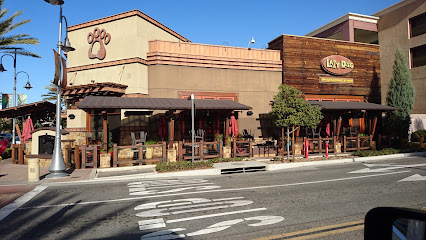
Lazy Dog Restaurant & Bar
30.0 km
Discover the heart of American dining at Lazy Dog Restaurant & Bar in Temecula—where comfort food meets cozy ambiance.
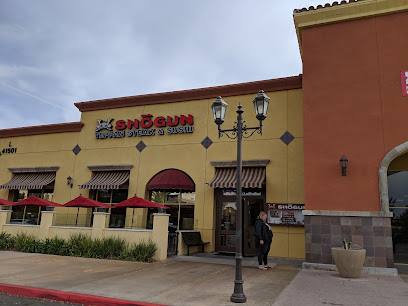
Shogun Restaurant
30.1 km
Savor authentic Japanese cuisine at Shogun Restaurant - home of thrilling teppanyaki performances and delicious sushi in Temecula.
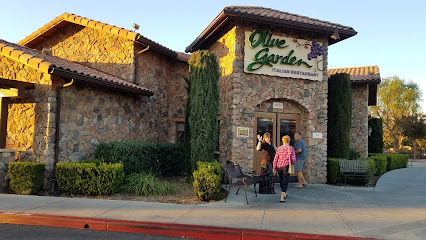
Olive Garden Italian Restaurant
30.4 km
Savor authentic Italian flavors at Olive Garden in Temecula - perfect for families and food enthusiasts seeking delicious culinary experiences.
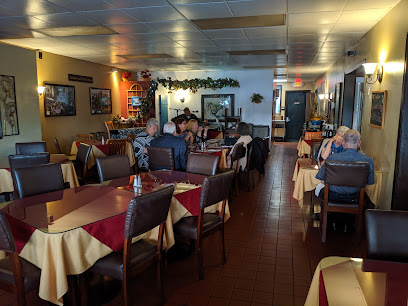
Pangaea Restaurant and Wine Bar
30.5 km
Experience the best of Greek and Italian cuisine at Pangaea Restaurant and Wine Bar in Temecula—where every dish tells a story.
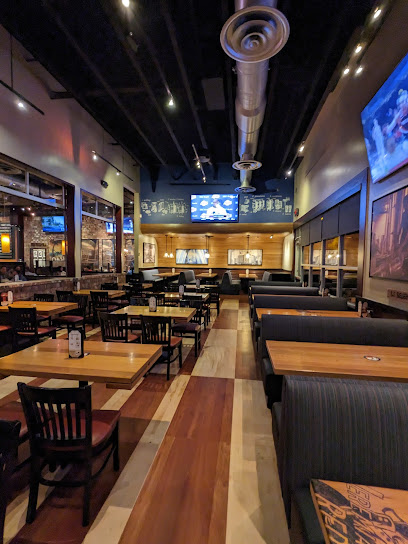
BJ's Restaurant & Brewhouse
30.5 km
Discover the ultimate dining experience at BJ's Restaurant & Brewhouse in Temecula—where flavor meets fun in a vibrant atmosphere.
Trattoria Toscana Italian Restaurant
30.5 km
Experience authentic Italian cuisine at Trattoria Toscana in Temecula - where every dish tells a story.
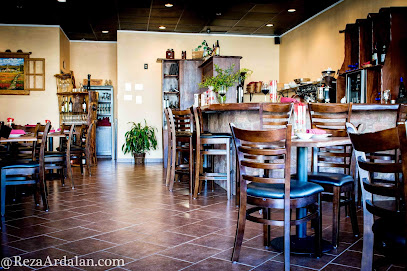
Markets, malls and hidden boutiques

BoxLunch
29.9 km
Explore BoxLunch in Temecula for unique gifts, collectibles, and clothing, all while supporting a great cause with every purchase.
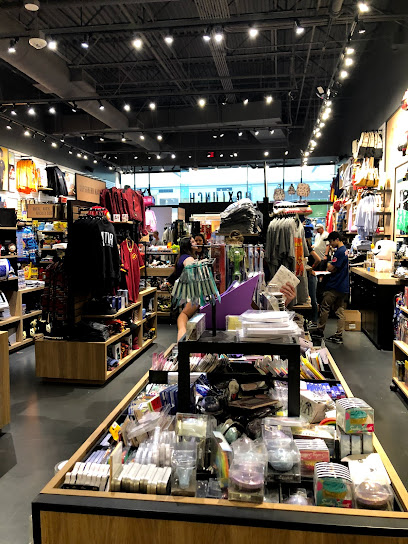
intivintage
30.0 km
Discover unique vintage clothing at IntiVintage in Temecula, where every piece has a story and style is timeless.
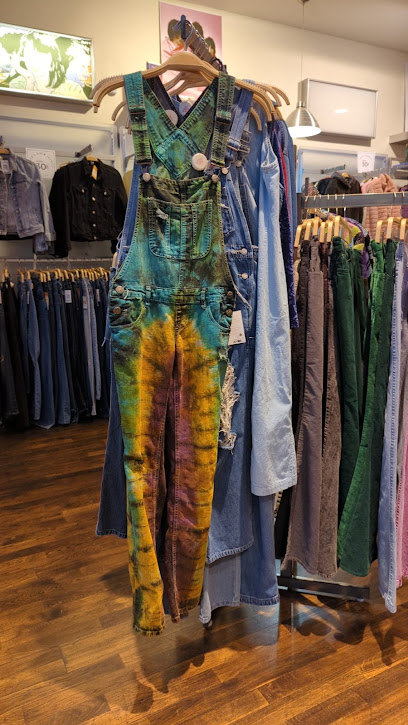
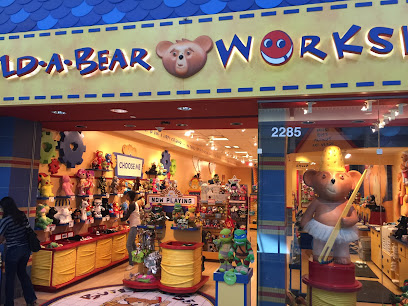
Build-A-Bear Workshop
30.0 km
Experience the joy of creating personalized stuffed animals at Build-A-Bear Workshop in Temecula, a family-friendly destination for unforgettable memories.
Lady of the Lake
30.5 km
Discover unique spiritual gifts and memorable souvenirs at Lady of the Lake in Temecula, California - a treasure trove for tourists and locals alike.
Urban Exchange
30.6 km
Explore Urban Exchange in Temecula, a sustainable thrift store offering unique clothing finds for men and women at budget-friendly prices.
Surreal Luxury
30.9 km
Discover unique high-end fashion at Surreal Luxury, Temecula's premier boutique for style enthusiasts seeking elegance and individuality.
We Boutique
31.8 km
Discover trendy women's clothing at We Boutique in Temecula, where style meets personalized shopping in a chic environment.
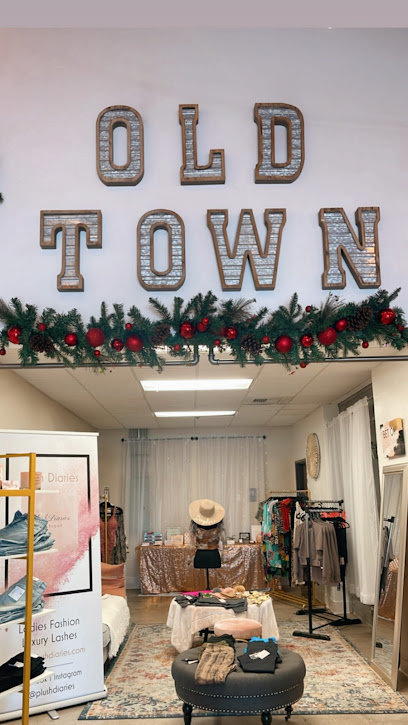
Plush Diaries Boutique
32.9 km
Explore the latest women's fashion trends at Plush Diaries Boutique in Temecula, where style meets sophistication in a charming shopping experience.
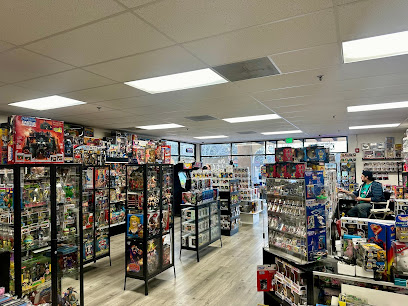
The Retro Store
32.9 km
Explore The Retro Store in Temecula, CA, a paradise for comic enthusiasts filled with vintage comics, collectibles, and nostalgic memorabilia.
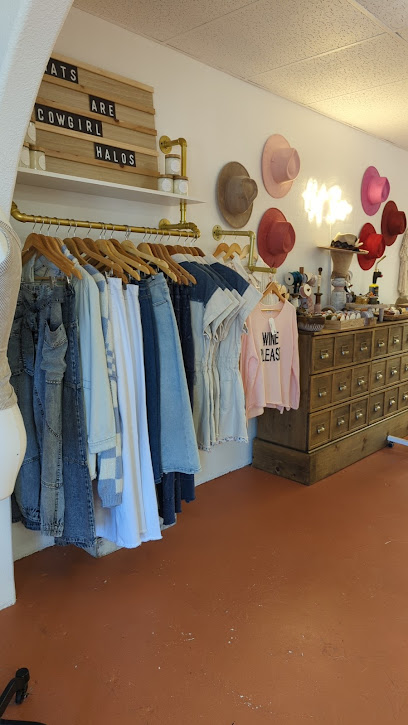
Wild Gypsea Boutique
32.9 km
Explore Wild Gypsea Boutique in Temecula for unique fashion and decor that embodies Southern California's artistic spirit.
Citrus and Moss
33.0 km
Explore Citrus and Moss in Temecula, a boutique filled with unique fashion, home decor, and gifts that celebrate local artistry and creativity.
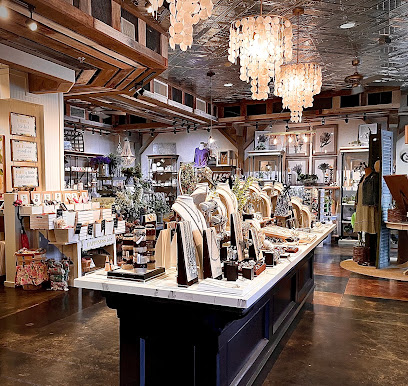
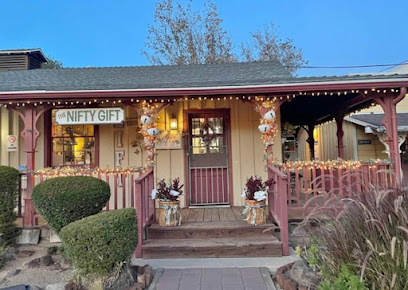
The Nifty Gift
33.0 km
Discover unique treasures at The Nifty Gift, Temecula's charming gift shop offering eclectic finds and local artistry.
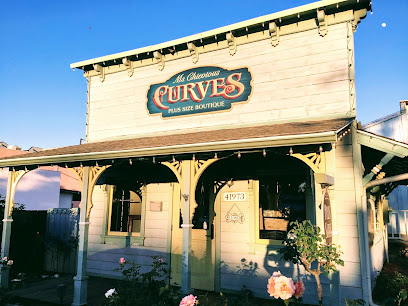
Ms Chievious Boutique
33.0 km
Explore Ms Chievious Boutique in Temecula for unique women's fashion and accessories that elevate your style effortlessly.
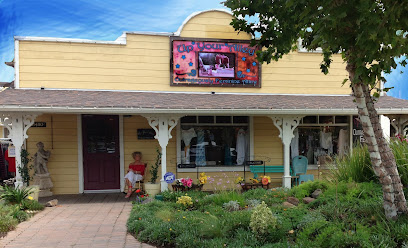
Up Your Alley
33.0 km
Discover unique women's fashion at Up Your Alley in Temecula, CA - a boutique haven for stylish finds and eclectic accessories.
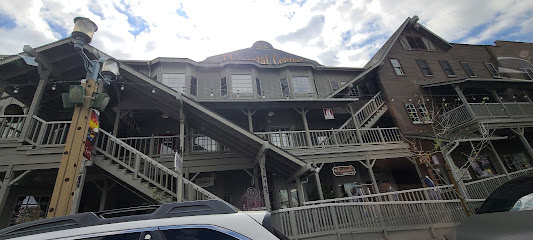
The Katwalk
33.0 km
Explore The Katwalk, a chic boutique in Old Town Temecula offering unique fashion finds and personalized shopping experiences for every style.
Essential bars & hidden hideouts

The Bar Next Door
30.1 km
Discover the vibrant nightlife of Temecula at The Bar Next Door, where craft cocktails and local wines create an unforgettable atmosphere.
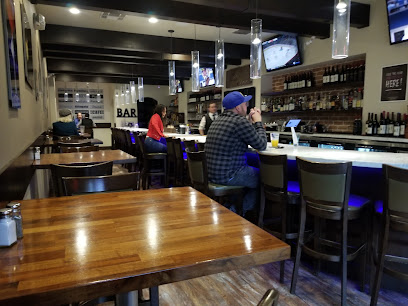
E T 's Sports Lounge
30.9 km
Experience the thrill of live sports at E T's Sports Lounge in Temecula, where great food, lively atmosphere, and friendly faces await.
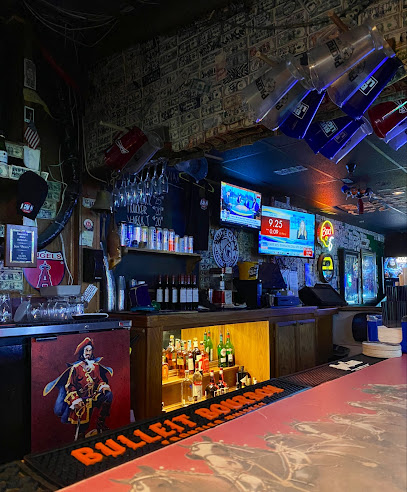
Salud Lounge Temecula
31.5 km
Discover the lively atmosphere at Salud Lounge Temecula, a premier sports bar offering delicious bites, craft drinks, and live entertainment for a memorable night out.
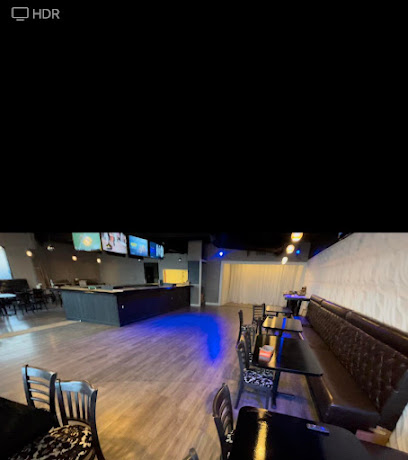
The Boiler Room Temecula
31.6 km
Explore The Boiler Room Temecula – where delicious grill cuisine meets electrifying live music in a vibrant atmosphere perfect for all ages.
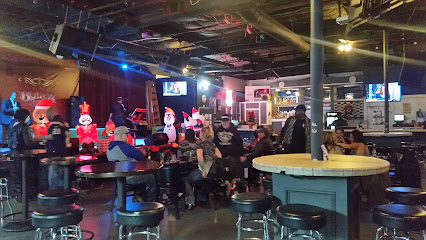
Two Travelers Wine Bar + Merchant
32.9 km
Experience the essence of Temecula's wine country at Two Travelers Wine Bar + Merchant, where exquisite wines and delicious cuisine await.
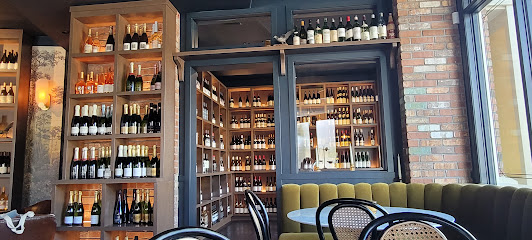
Old Town Pub & Grub
33.2 km
Discover the lively spirit of Old Town Pub & Grub in Temecula, where great food, live music, and dance come together for an unforgettable night out.
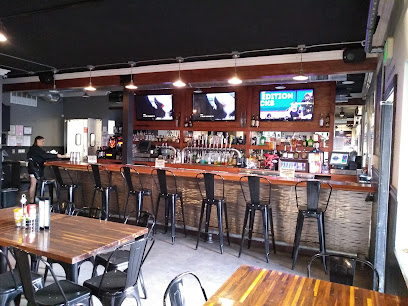
Apparition Room
33.2 km
Discover the magical atmosphere and exquisite cocktails at Apparition Room, Temecula's premier cocktail bar blending creativity and elegance.
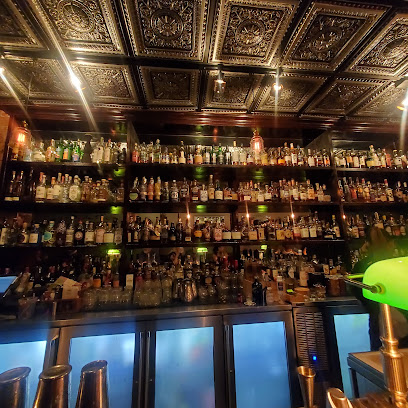
Uncle Bob's
33.4 km
Experience the heart of American cuisine at Uncle Bob's, where great food, sports, and a welcoming atmosphere come together in Temecula.
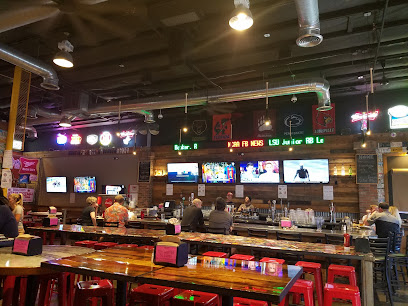
Killarney's Restaurant & Irish Pub
33.5 km
Discover the heart of Ireland at Killarney's Restaurant & Irish Pub in Temecula, where authentic cuisine meets a lively atmosphere.
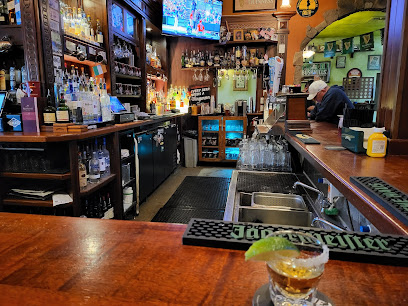
Shooters Sports Bar & Grill Temecula
33.9 km
Shooters Sports Bar & Grill in Temecula offers great food, vibrant sports atmosphere, and plenty of pool tables for a fun-filled outing.
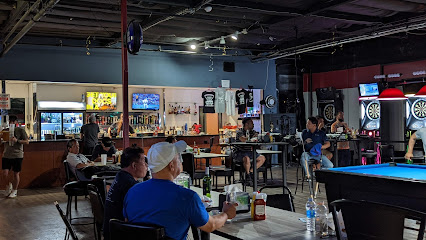
The Daisy
33.9 km
Experience the vibrant nightlife of Temecula at The Daisy, where innovative cocktails and a lively atmosphere await every visitor.
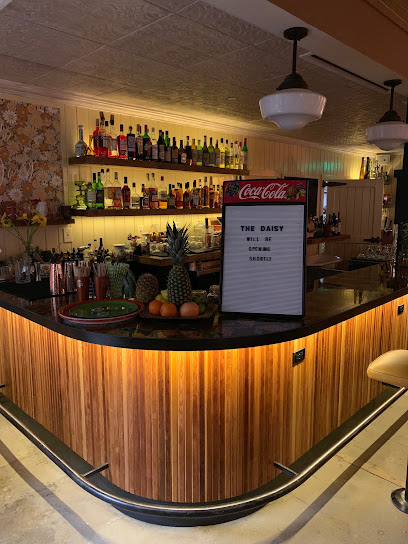
Kelsey's | Pechanga Resort Casino
36.4 km
Experience the vibrant atmosphere and exquisite American cuisine at Kelsey's in Pechanga Resort Casino, a top destination for food and drinks.
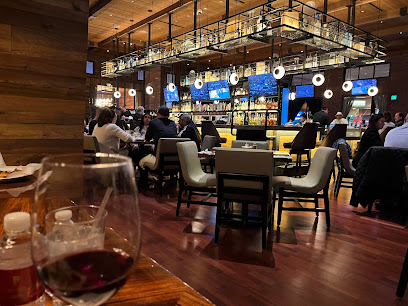
Sugar High Rooftop Lounge
47.2 km
Experience the vibrant atmosphere of Sugar High Rooftop Lounge in Palm Springs, where stunning views and signature cocktails meet for an unforgettable night out.
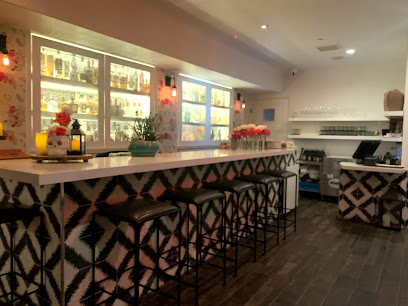
Window Bar
47.2 km
Discover the vibrant atmosphere of the Window Bar in Palm Springs, where delicious drinks and a lively ambiance create the perfect escape.
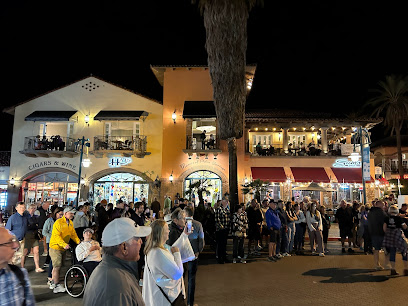
Bar Cecil
47.2 km
Discover the culinary gem of Palm Springs at Bar Cecil, where American and French flavors blend in a stylish bar setting.
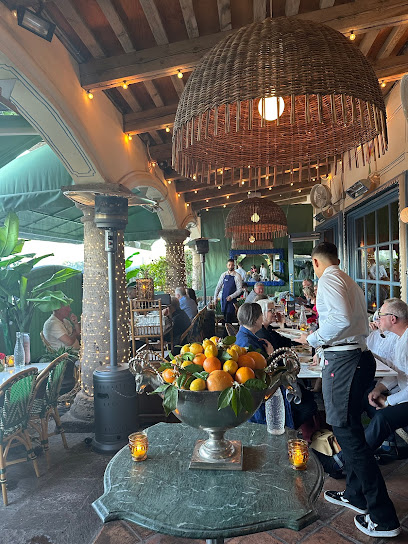
Nightclubs & after hour spots

Inland Empire DJ Services
30.0 km
Unleash your inner party animal at Inland Empire DJ Services, where vibrant beats and unforgettable nights await in Temecula's nightlife scene.
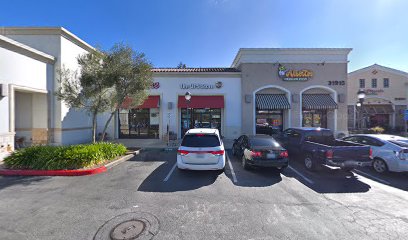
Hair Extension Lounge
30.4 km
Experience luxury hair extensions and personalized beauty services at Hair Extension Lounge in Temecula, California.
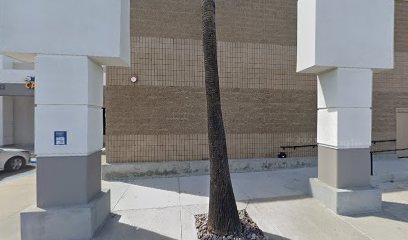
The Burgundy Club
32.9 km
Discover the elegance of The Burgundy Club in Temecula, where luxury meets relaxation in an exquisite lounge atmosphere.
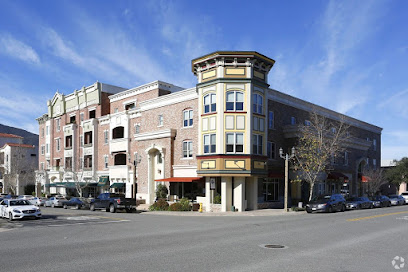
Pechanga
36.6 km
Discover the ultimate nightlife experience at Pechanga, a top night club in Temecula, California, where the party never stops.
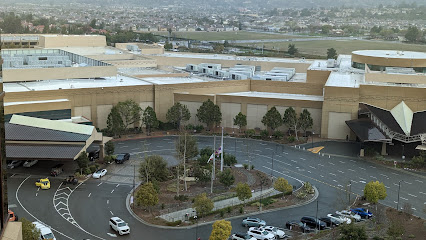
Privado Palm Springs
47.4 km
Discover the ultimate nightlife experience at Privado Palm Springs, a chic venue combining lounge, bar, and club vibes in the heart of California.
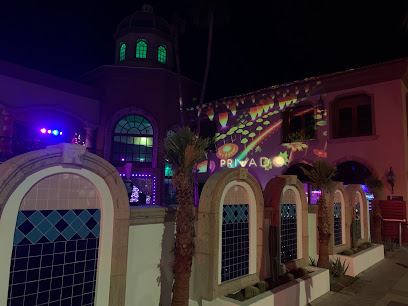
QUADZ
47.5 km
Discover the vibrant nightlife at QUADZ in Downtown Palm Springs, a premier gay bar and night club with unforgettable entertainment and inclusive atmosphere.
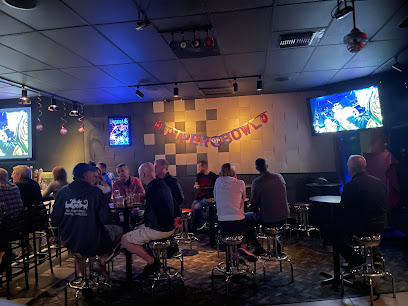
Pretty Faces Nightclub
47.5 km
Pretty Faces Nightclub in Palm Springs: A hub of vibrant nightlife, electrifying music, and unforgettable dance experiences.
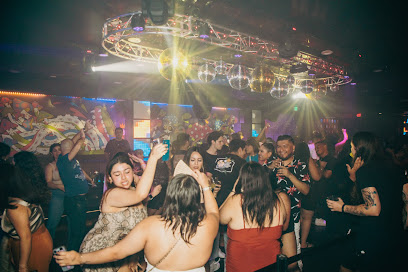
Chill Bar
47.5 km
Chill Bar: A lively night club and lounge in Downtown Palm Springs that embraces inclusivity and offers a fantastic nightlife experience.
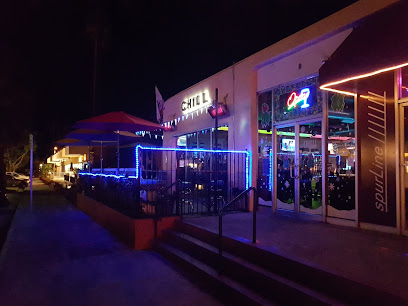
The Club Downtown Palm Springs at Hotel Zoso
47.5 km
Discover the lively nightlife at The Club Downtown Palm Springs, a premier destination for music, dancing, and unforgettable entertainment.
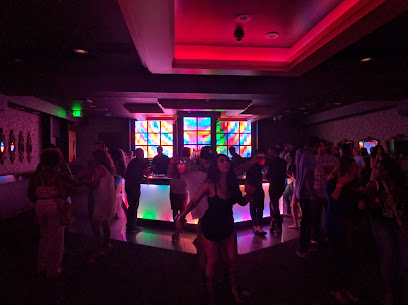
Copa Nightclub
47.6 km
Discover the lively Copa Nightclub, Palm Springs’ premier nightlife destination offering live music, DJs, and unforgettable nights filled with fun and excitement.
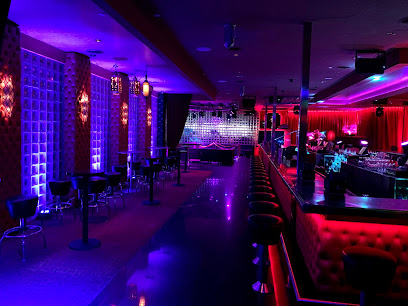
Club 541
47.6 km
Dive into the vibrant nightlife of Palm Springs at Club 541, a premier gay nightclub offering an inclusive and energetic atmosphere for all.
Rocks
48.1 km
Discover the vibrant nightlife of Palm Springs at Rocks, a stylish lounge offering exquisite cocktails and lively entertainment under the stars.
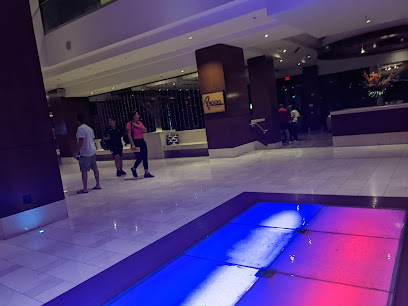
Purple Room Supper Club
49.1 km
Discover the lively charm of the Purple Room Supper Club in Palm Springs, where exquisite dining meets unforgettable live entertainment.
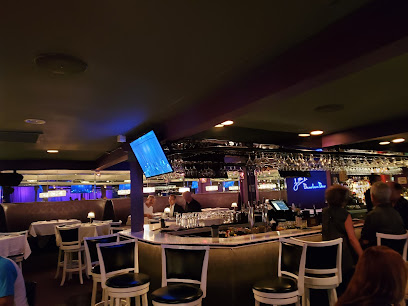
Bart Lounge
53.2 km
Experience the vibrant nightlife at Bart Lounge, combining art, live music, and a stylish atmosphere in the heart of Cathedral City.
Frank's Hideout
62.4 km
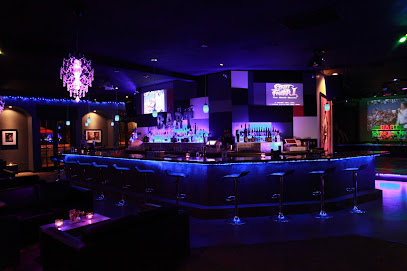
Experience the vibrant social scene of Palm Desert at Frank's Hideout, where relaxation meets entertainment in a stylish lounge and bar.