

Free Koh Rong Travel Guide & Mobile App
Plan your Koh Rong trip with Evendo. Get free guides to top attractions, restaurants, hotels, and bars. Web access or download the mobile app.


Koh Rong, Cambodia, pairs palm-fringed beaches and rainforest trails with bioluminescent waters, village life, snorkelling, diving and relaxed island evenings.
Beaches and Forest
Koh Rong lies in the Gulf of Thailand, off Cambodia’s south-western coast and a short boat journey from Sihanoukville. The island is known for long pale beaches, warm shallow water and a forested interior crossed by informal paths. Koh Touch, the principal settlement and ferry landing, is the island’s busiest corner, with simple guesthouses, restaurants, bars and dive centres clustered along the shore. Beyond it, Long Set Beach, Sok San Beach and quieter stretches of coastline offer a more spacious island atmosphere, although facilities become increasingly limited away from the main village.Read more about Koh Rong
Island Communities
Life on the Water
When is the best time to visit Koh Rong?
Best: January, September, November · 30–31°C| Month | High (°C) | Rainfall (mm) |
|---|---|---|
| January (best) | 31 | 0 |
| February | 31 | 0 |
| March | 31 | 0 |
| April | 32 | 0 |
| May | 31 | 0 |
| June | 31 | 0 |
| July | 31 | 0 |
| August | 31 | 0 |
| September (best) | 30 | 0 |
| October | 31 | 0 |
| November (best) | 30 | 0 |
| December | 31 | 0 |
Getting to and around Koh Rong
How to get there
Transportation
Best attractions in Koh Rong
Koh Rong’s principal attractions are its beaches and the landscapes between them. Koh Touch provides the easiest introduction, with a broad sandy shoreline, bathing areas and immediate access to restaurants and boat trips. Long Set Beach, often known as 4K Beach, stretches along a quieter section of the south-eastern coast, while Sok San Beach offers a long western shoreline associated with a local village and resort development. Inland trails pass through dense tropical vegetation and lead towards less developed coves, though route conditions vary after rain. The surrounding waters support snorkelling and diving around reefs and rocky outcrops, and boat excursions can reach fishing villages or nearby islands. At night, some dark beaches offer the chance to see bioluminescent plankton glowing in disturbed seawater. The experience is less about formal monuments than about moving between forest, sand, village and sea at an unhurried pace.
-
Tourist attraction
M-Pai Bay
M-Pai Bay: A Tropical Paradise in Cambodia's Koh Rong Sanloem, Perfect for Beach Lovers and Adventurers Seeking Serenity.
31 min drive · 11 km from city centre
-
Tourist attraction
M-Pai Bay
Discover M'Pai Bay: A serene Cambodian island escape with tranquil beaches, vibrant marine life, and authentic village charm.
31 min drive · 11 km from city centre
-
Tourist attraction
Ocean Breeze
Discover the serene beauty of Longset Beach on Koh Rong Island: pristine sands, turquoise waters, and stunning sunsets await in this accessible tropical paradise.
19 min drive · 6.2 km from city centre
-
Beach
Royal Beach
Discover Royal Beach in Preah Sihanouk, Cambodia: A stunning coastal paradise offering relaxation, adventure, and vibrant local culture.
5 min drive · 1.6 km from city centre


Best landmarks in Koh Rong
Koh Rong has few built heritage landmarks in the conventional architectural sense; its defining landmarks are coastal, communal and environmental. Koh Touch Pier marks the island’s principal arrival point and the threshold between ferry traffic and the settlement’s sandy main strip. The fishing villages of Prek Svay and Daem Thkov provide important cultural reference points, with homes, boats and shoreline activity reflecting the island’s maritime economy rather than monumental design. Sok San Beach is associated with a long western coastline and a local village, while the forested interior forms a natural landmark that distinguishes Koh Rong from more intensively developed mainland resorts. Offshore reefs, rocky shallows and bioluminescent waters are ecological features rather than constructed monuments, yet they are central to the island’s identity. Koh Rong Sanloem, although often visited from the same mainland port, is a separate island and should not be treated as a Koh Rong landmark.
-
 Hotel
HotelSok San Beach Resort
Escape to Sok San Beach Resort on Koh Rong: pristine beaches, turquoise waters, and authentic Khmer hospitality await your tranquil island getaway.
13 min walk · 1.1 km from city centre
-
Resort hotel
Tree House Bungalows
Experience rustic beachfront charm at Tree House Bungalows on Koh Rong Island, Preah Sihanouk – a tranquil escape into nature's beauty.
18 min drive · 5.9 km from city centre
-
Hostel
Nest Beach Club
Experience Koh Rong's vibrant social scene and stunning beachfront at Nest Beach Club on 4K Beach, a perfect getaway for budget travelers.
17 min drive · 5.6 km from city centre
-
Resort hotel
Lonely Beach
Discover Koh Rong's best-kept secret: Lonely Beach. Pristine sands, turquoise waters, and ultimate tranquility await on this secluded paradise.
24 min drive · 8.1 km from city centre

Explore Koh Rong on the map
Plan your Koh Rong trip on one map. See where the top attractions, landmarks, restaurants, bars and hotels are, find what's near where you're staying, and book hotels and experiences in a few clicks.
Best hotels in Koh Rong
Best restaurants in Koh Rong
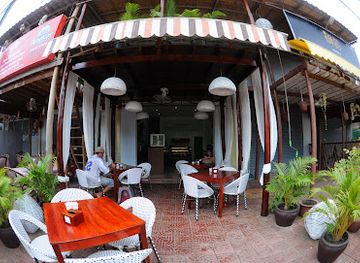
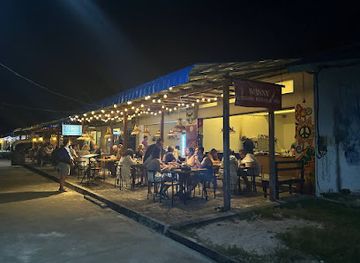
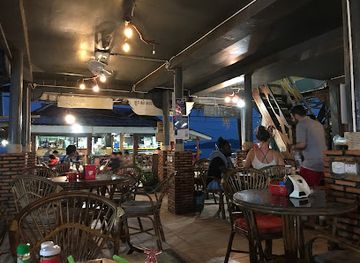
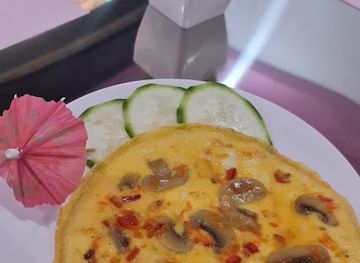
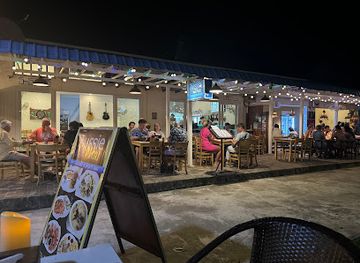
Koh Rong’s dining scene is concentrated around Koh Touch and the larger accommodation areas, where Cambodian dishes sit alongside simple Western, vegetarian and seafood menus created for international visitors. Fish and other seafood reflect the island’s coastal setting, while familiar Cambodian cooking may include rice dishes, noodle soups, stir-fries, amok and fresh herbs. Beachfront restaurants and cafés tend to be informal, with meals served close to the sand and supplies arriving by boat or from the mainland. Smaller village eateries offer a more local setting, although choice and opening patterns can be limited outside the tourist hub. Fresh fruit shakes, coffee and inexpensive grilled food are common around the ferry landing. Travellers with dietary or medical requirements should explain them clearly and carry suitable provisions when heading to remote beaches, where menus and refrigeration may be less dependable.
-
Italian
Enocafe Coffee & Italian Restaurant
Discover the taste of Italy at Enocafe Coffee & Italian Restaurant on beautiful Koh Rong Island—where exquisite cuisine meets tropical charm.
17 min drive · 5.7 km from city centre
-
Restaurant
Sunny Turkish Fast Food
Discover authentic Turkish cuisine at Sunny Turkish Fast Food on Longset Beach in Preah Sihanouk - where flavor meets paradise.
18 min drive · 6.1 km from city centre
-
Restaurant
White Rose Guesthouse & Restaurant 餐厅
Discover delectable dishes at White Rose Guesthouse & Restaurant while enjoying stunning views on Koh Touch Beach.
17 min drive · 5.8 km from city centre
-
Crêperie
The French Girls
Experience authentic French crêpes in Preah Sihanouk at The French Girls—where every bite is a taste of France.
17 min drive · 5.8 km from city centre
Best bars in Koh Rong
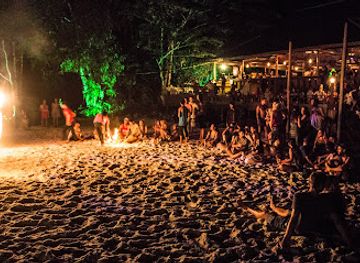
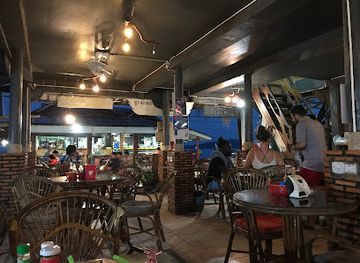
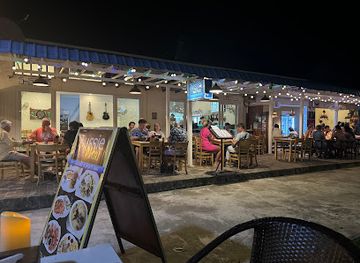
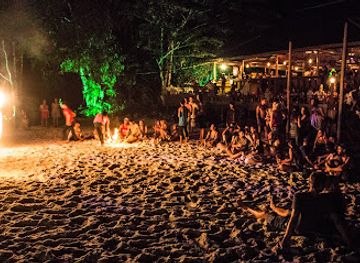
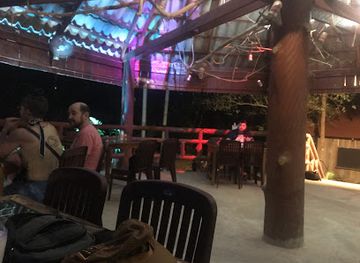
Koh Touch is the island’s main centre for evening activity, with beach bars, casual drinking spots, music and social gatherings that attract a predominantly young, international crowd. The atmosphere ranges from quiet sunset drinks to late-night events, but it is informal rather than comparable with the club scenes of Phnom Penh or Sihanoukville. Other beaches are generally much quieter, with evenings shaped by the sound of surf, small resort bars and dark skies rather than organised nightlife. Bioluminescent-plankton swims are a nature-based evening experience, not a substitute for conventional entertainment, and should be undertaken with local safety guidance. Outside Koh Touch, power cuts, limited transport and early-closing businesses are possible, so visitors should not assume that late-night services or taxis will be available across the island.
-
Hostel
Nest Beach Club
Discover the vibrant atmosphere of Nest Beach Club on Koh Rong - a perfect blend of relaxation and adventure by the sea.
17 min drive · 5.6 km from city centre
-
Restaurant
White Rose Guesthouse & Restaurant 餐厅
Discover the captivating blend of local and international flavors at White Rose Guesthouse & Restaurant on Koh Touch Beach, a culinary gem in Cambodia.
17 min drive · 5.8 km from city centre
-
Bar
Jungle Bar and kitchen
Experience the vibrant flavors and lively entertainment at Jungle Bar and Kitchen in Preah Sihanouk, a tropical gem for every traveler.
18 min drive · 6.0 km from city centre
-
Thai
Aussie Le Thai Restaurant and Sports Bar
Discover the vibrant flavors of Thai cuisine at Aussie Le Thai Restaurant and Sports Bar, the perfect spot for food lovers and sports fans in Preah Sihanouk.
18 min drive · 6.0 km from city centre
Best nightclubs in Koh Rong
Koh Touch is the island’s main centre for evening activity, with beach bars, casual drinking spots, music and social gatherings that attract a predominantly young, international crowd. The atmosphere ranges from quiet sunset drinks to late-night events, but it is informal rather than comparable with the club scenes of Phnom Penh or Sihanoukville. Other beaches are generally much quieter, with evenings shaped by the sound of surf, small resort bars and dark skies rather than organised nightlife. Bioluminescent-plankton swims are a nature-based evening experience, not a substitute for conventional entertainment, and should be undertaken with local safety guidance. Outside Koh Touch, power cuts, limited transport and early-closing businesses are possible, so visitors should not assume that late-night services or taxis will be available across the island.
-
Hostel
Nest Beach Club
Experience the vibrant atmosphere of Nest Beach Club on Koh Rong, where relaxation meets adventure on the stunning 4K Beach.
17 min drive · 5.6 km from city centre
-
Bar
Jungle Bar and kitchen
Discover the vibrant atmosphere of Jungle Bar and Kitchen in Preah Sihanouk, where delicious food meets live music and unforgettable experiences.
18 min drive · 6.0 km from city centre
-
Restaurant
Sandbank Restaurant & Camping
Experience the perfect blend of beachside dining and camping at Sandbank Restaurant, where flavors and nature meet on the shores of Koh Rong.
17 min drive · 5.8 km from city centre
-
Thai
Aussie Le Thai Restaurant and Sports Bar
Experience the vibrant flavors of Thailand at Aussie Le Thai Restaurant and Sports Bar, where culinary delights meet sports entertainment in Preah Sihanouk.
18 min drive · 6.0 km from city centre
Best shops in Koh Rong
Shopping on Koh Rong is modest and centred mainly on practical supplies, beachwear, snacks, drinks, toiletries and small souvenirs rather than dedicated retail districts. Koh Touch has the greatest concentration of small shops and informal stalls, while businesses near more remote beaches offer a much narrower selection. Locally produced food, simple woven items, shell-inspired souvenirs and casual clothing may appear, but visitors should be cautious about buying coral, shells, wildlife products or anything removed from the marine environment. Cambodia’s wider craft traditions are better represented in mainland markets than on the island. Because stock arrives by boat and electricity and refrigeration can be variable, it is sensible to bring specialist medication, particular toiletries, chargers and other essentials from Sihanoukville. Reusable containers and reef-safe products are more useful island purchases than disposable beach goods.
-
Crêperie
The French Girls
Experience the taste of authentic French crêpes in Preah Sihanouk at The French Girls, where tradition meets culinary delight.
17 min drive · 5.8 km from city centre
-
Restaurant
Jungle Bar and kitchen
Discover the vibrant flavors of Preah Sihanouk at Jungle Bar and Kitchen, where culinary delights meet lively entertainment in a welcoming atmosphere.
18 min drive · 6.0 km from city centre
-
Diving center
KOH RONG DIVE CENTER
Explore the vibrant underwater ecosystems at Koh Rong Dive Center, a premier diving destination on Cambodia's stunning Koh Rong Island.
17 min drive · 5.8 km from city centre
-
Coffee shop
Bella Vista - italian coffee and bistró
Experience authentic Italian coffee and bistro delights at Bella Vista, your serene getaway on beautiful Ko Rong Island.
17 min drive · 5.7 km from city centre
Get your free copy of our complete guide to Koh Rong, delivered straight to you.
Everything on this page, from attractions and restaurants to essentials and local phrases, in one PDF you can read offline, print or share.
Already have an account? Sign in
Your Koh Rong guide is ready.
We'll send it to · Not you? Sign out

Getting your guide ready…
We are putting together a fresh copy of the Koh Rong guide. This can take up to a minute.
This can take a few moments. If your browser asks, choose Allow so the download can start. You'll find the guide in your Downloads folder.
Nothing happened? Download it again
Sorry, the guide is taking longer than usual. Please try again in a minute, or get it by email instead.
Koh Rong essentials
Currency and Payment
Safety
Emergency Situations
Do's and Don'ts
Local Tips
From Eve
Local phrases worth knowing
You don't need to get them perfect. A few words go a long way, and locals appreciate the effort.
Basics
| English | Local | Say it |
|---|---|---|
| Hello | សួស្តី | [suostei] |
| Goodbye | លាហើយ | [leahaei] |
| Yes | បាទ | [baat] |
| No | ទេ | [te] |
| Please/You're welcome | សូម | [soum] |
| Thank you | អរគ | [arkoun] |
| Excuse me/Sorry | សូមជួយ | [soum chuoy] |
| How are you? | អ្នកសួស្តីប៉ុណ្ណា? | [nak suostei bonnea?] |
| Fine. And you? | ល្អមិនទេ និងអ្នក? | [leam min te ning nak?] |
| Do you speak English? | អ្នកនិយយាយអង់គ្លេសទេ? | [nak niyeay angkles te?] |
| I don't understand | ខប់ខូស | [kab kos] |
Eating & Drinking
| English | Local | Say it |
|---|---|---|
| I'd like to see the menu, please | ខុសតាមម៉ឺនុយបរិច្ចា | [khos tam menou berk chea] |
| I don't eat meat | ខុសតាមទារក | [khos tam trak] |
| Cheers! | សន្តិភាព! | [santepheap] |
| I would like to pay, please | ខំផ្តិត, សូម | [kam pdit, soum] |
Emergencies
| English | Local | Say it |
|---|---|---|
| Help! | ជូស! | [chuos] |
| Go away! | ទៅចេញ! | [tow cherng] |
| Call the Police! | ហាងបំពេង! | [hang bompeang] |
| Call a doctor! | ហាងវេជ្ជបញ្ជា! | [hang vejj bonjnea] |
| I'm lost | ខុសភ្នែក | [khos phnaek] |
| I'm ill | ខុសថ្ងៃបញ្ចិត | [khos thngai bonchet] |
Shopping
| English | Local | Say it |
|---|---|---|
| I'd like to buy... | ខុសទិញ... | [khos teun...] |
| I'm just looking | ខុសកូម៉ារ | [khos komra] |
| How much is it? | តើវាតិប៉ុណ្ណា? | [te wat te bonnea?] |
| That's too expensive | វាគឺមួយច្បាន | [vek kumuy chban] |
| Can you lower the price? | តើអ្នកអាចយកតម្លៃទេ? | [te nak aek yuk tamley te?] |
Time & Numbers
| English | Local | Say it |
|---|---|---|
| What time is it? | ម៉ោងណា? | [maong nea?] |
| It's one o'clock | វាគឺមួយម៉ោង | [vek kumuy maong] |
| Half past (10) | កន្លះចុលម៉ឺនុយ | [knol chol menou] |
| Morning | ពេលព្រឹក | [peal preuk] |
| Afternoon | ពេលល្ងាច | [peal langchae] |
| Evening | ពេលយប់ | [peal yab] |
| Yesterday | ម្សិលមិញ | [msul min] |
| Today | ថ្ងៃនេះ | [thngai nee] |
| Tomorrow | ថ្ងៃស្អែក | [thngai saek] |
| 1 | មួយ | [muy] |
| 2 | ពីរ | [pii] |
| 3 | បី | [bei] |
| 4 | បួន | [buon] |
| 5 | ប្រាំ | [bram] |
| 6 | បុរស | [bus] |
| 7 | បូម | [bum] |
| 8 | បិត | [beit] |
| 9 | កេរ | [kaer] |
| 10 | ដប់ | [dop] |
Transport & Directions
| English | Local | Say it |
|---|---|---|
| Where's a/the...? | តេឡរ...? | [te ler...?] |
| What's the address? | អាសយដ្ឋណា? | [asiet nea?] |
| Can you show me (on the map)? | តេឡរអ្នកបង្ហាញខ្ញុំ(នៅលើផែនដី)? | [te ler nak bonghaeng khnyom (nowe ponday)?] |
| When's the next (bus)? | នៅខេត្តណាពីរ(ខេត្តណាបួន)? | [nowe khett nea pii (khett nea buon)?] |
| A ticket (to ....) | សំបកសេវា (ទៅ ....) | [sombok sewea (tow ....)] |
History of Koh Rong
Coastal Communities and Island Life
Before tourism became significant, Koh Rong was shaped primarily by the sea and by small coastal communities whose livelihoods included fishing and the movement of goods between the Cambodian mainland and nearby islands. The island’s forest, beaches and sheltered coves supported a relatively dispersed pattern of settlement rather than a large urban centre. Local villages such as Prek Svay and Daem Thkov remain reminders that Koh Rong is a lived-in island as well as a holiday destination. Fishing practices, boat travel and knowledge of the seasonal sea continue to influence daily life, even as tourism has become increasingly important to household incomes.
A Remote Island in Modern Cambodia
For much of the twentieth century, Koh Rong remained remote from Cambodia’s principal towns and transport networks. Its distance from the mainland, limited infrastructure and heavily forested interior kept development modest compared with coastal Sihanoukville. The island forms part of the wider Koh Rong archipelago, whose waters and shorelines have long been connected by fishing, local travel and trade. The absence of a substantial historic town means that Koh Rong’s past is more visible through settlement patterns, maritime traditions and the natural landscape than through grand monuments or surviving civic buildings.
Tourism Reaches the Shoreline
Tourism began to alter Koh Rong markedly during the early twenty-first century, as improved boat connections from Sihanoukville brought backpackers and independent travellers to Koh Touch and other beaches. Simple accommodation, beach restaurants and informal activity businesses appeared first, followed by more varied resorts and organised marine excursions. Development has not been even: Koh Touch became the social and transport hub, while places such as Long Set Beach and Sok San developed more gradually and remote villages retained a quieter character. This rapid transition has also brought familiar island pressures, including waste management, energy supply, freshwater provision and the need to protect coastal ecosystems.
A Contemporary Island Destination
Today Koh Rong occupies an important place in Cambodia’s coastal tourism economy while retaining a stronger sense of remoteness than mainland resort areas. Visitors arrive for beaches, diving, snorkelling, jungle landscapes and the possibility of seeing bioluminescent plankton, but the island’s future depends on balancing construction and visitor numbers with the needs of local communities and marine habitats. Separate development plans and changing transport links have periodically influenced the coastline, yet Koh Rong remains recognisable for its combination of informal village life, forested terrain and tourism concentrated around a handful of accessible beaches.
Koh Rong in Photos
Browse through our photo collection highlighting the charm and character of the destination.
Cities near Koh Rong
The closest cities to Koh Rong, if you have time for more than one stop.
-
-

-

-

-


Swipe for more cities
Explore more

Explore more of Cambodia
Discover Cambodia: From the ancient wonders of Angkor Wat to the vibrant streets of Phnom Penh, immerse yourself in a land of history, culture, and natural beauty.
Explore Cambodia