Ak Yum Temple Travel Guide
Free Guide: Explore Ak Yum Temple near Siem Reap: a serene glimpse into early Khmer architecture and history, predating Angkor, and free to visit.


A brief summary of Ak Yum Temple
Explore Ak Yum Temple near Siem Reap: a serene glimpse into early Khmer architecture and history, predating Angkor, and free to visit.
Ak Yum Temple, located near Siem Reap, is a historically significant site offering a glimpse into early Khmer architecture. Built before the Angkorian period, it provides a serene escape and a unique perspective on the region's rich cultural heritage.
Opening hours
- Every day6 am–5:30 pm
Opening hours as listed on the venue’s Google Business Profile. Hours can change for services and special events, so check with the venue before you go.
- Address
- CQFG+QPG, Krong Siem Reap
Getting there
Tuk-tuk
Bicycle
Discover more about Ak Yum Temple
Overview
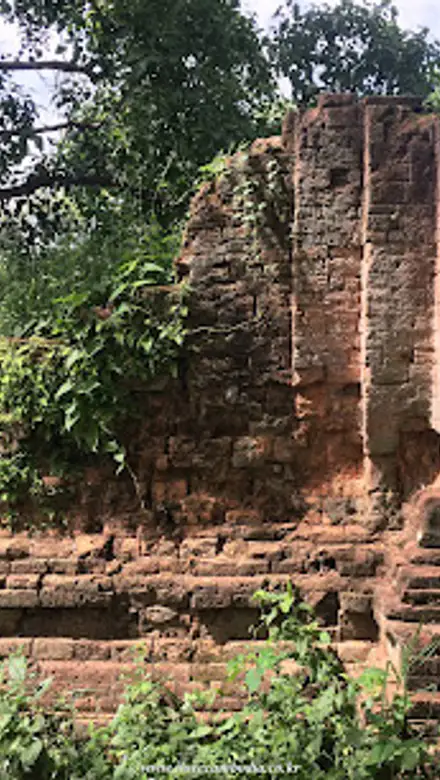
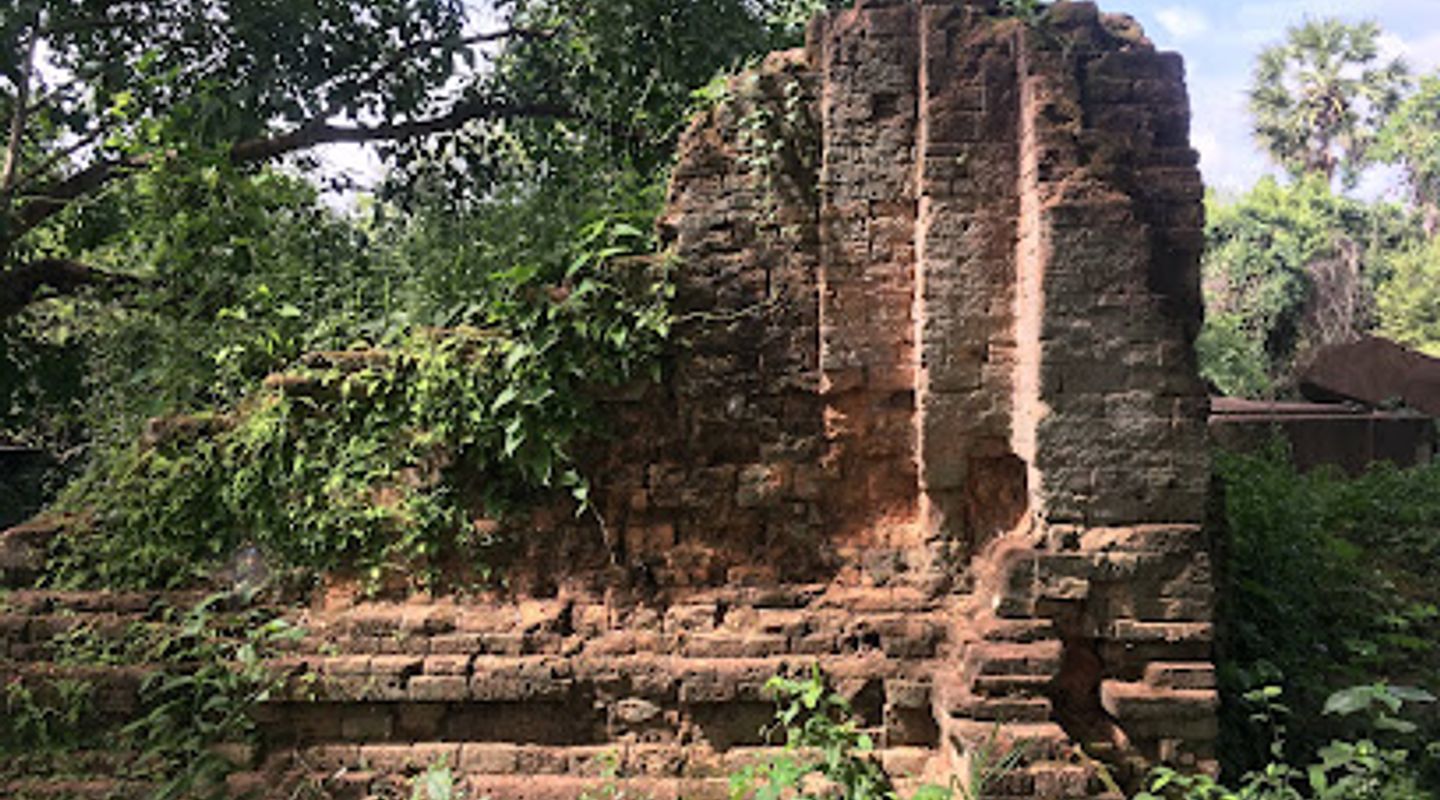
Ak Yum Temple, or Prasat Ak Yum, is an ancient temple located near the West Baray in the Angkor region of Cambodia. It is considered one of the earliest examples of Khmer temple architecture, dating back to the 7th or 8th century. The temple is believed to have been built during the reign of King Jayavarman I or possibly King Jayavarman II, and was dedicated to the Hindu deity Gambhiresvara, the “God of the Depths”.Originally, Ak Yum was a small, single-chamber brick sanctuary. In the 9th century, it was expanded into a larger, stepped pyramid structure with a base of approximately 100 meters square. This expansion marked a crucial step in the development of Khmer temple architecture, establishing the temple mountain concept that would become a hallmark of state temples in the Angkor period. The temple likely featured five towers, a common motif in Khmer architecture symbolizing Mount Meru.In the 11th century, the construction of the West Baray reservoir led to the partial submersion of Ak Yum by the reservoir's southern dike, causing its gradual deterioration. The temple remained hidden until it was excavated in the 1930s by French archaeologist George Trouvé. Today, Ak Yum is a lesser-visited site, offering a peaceful atmosphere for exploration. Though much of the original structure is in ruins, recent archaeological excavations have revealed the true scope and grandeur of Ak Yum. The site also features a unique underground cellar, the only known example of a man-made cave in the entire Angkor Archaeological Area. Unlike many other temples in the Angkor region, Ak Yum does not require an Angkor Pass to visit.
Evendo Review Centre
 Google
Guest reviews
Explore Ak Yum Temple on the map
A handpicked selection of must-see spots near Ak Yum Temple, mapped for you.
Get your free copy of our complete guide to Ak Yum Temple, delivered straight to you.
Everything on this page, from opening hours and how to get there to Eve’s tips and the best time to go, in one PDF you can read offline, print or share.
Already have an account? Sign in
Your Ak Yum Temple guide is ready.
We'll send it to · Not you? Sign out

Getting your guide ready…
We are putting together a fresh copy of the Ak Yum Temple guide. This can take up to a minute.
This can take a few moments. If your browser asks, choose Allow so the download can start. You'll find the guide in your Downloads folder.
Nothing happened? Download it again
Sorry, the guide is taking longer than usual. Please try again in a minute, or get it by email instead.
Unlock the best of Ak Yum Temple
Skip-the-line tickets, guided tours with entry, and walking tours of the area, booked in a few clicks.

Other nearby places you may find interesting
The closest places of the same kind, if this one is not quite what you had in mind.
-
-
-
-
-


Swipe for more places
More to explore near Ak Yum Temple

 Best experiences near Ak Yum Temple
 Best hotels near Ak Yum Temple
 Best landmarks near Ak Yum Temple
 Best attractions near Ak Yum Temple
 Best shops near Ak Yum Temple
 Best restaurants near Ak Yum Temple
 Best bars near Ak Yum Temple
Do you manage this location?
Take control to get all the benefits, like improved information, better appearance, and stronger visibility across AI-powered discovery.
Explore more
Explore more of Oddar Meanchey
Discover the untamed beauty and historical depth of Oddar Meanchey, Cambodia's hidden gem, where history, nature, and culture intertwine seamlessly.
Explore Oddar Meanchey
Explore more of Cambodia
Discover Cambodia: From the ancient wonders of Angkor Wat to the vibrant streets of Phnom Penh, immerse yourself in a land of history, culture, and natural beauty.
Explore Cambodia