

Toul Tom Poung (Phnom Penh) Travel Guide - Free
Explore Toul Tom Poung in Phnom Penh with Evendo's free guide. Find the best shops, historic streets, restaurants, and gems on web or mobile.


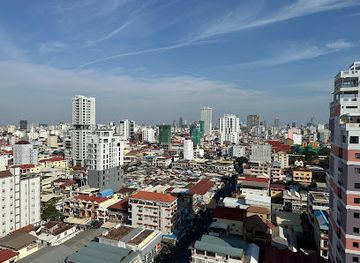
Toul Tom Poung in Phnom Penh blends Russian Market shopping, Khmer food, cafés, craft studios and lively local streets in a compact urban quarter.
Market Streets and Local Rhythm
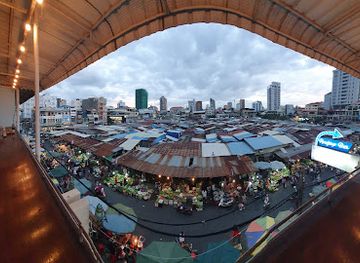
Toul Tom Poung, widely known to visitors as the Russian Market area, occupies a busy south-central part of Phnom Penh where residential lanes, small workshops, cafés and one of the capital’s best-known markets meet. Its local name refers to the neighbourhood, while “Russian Market” is the enduring foreign nickname of Phsar Tuol Tom Poung, a covered market whose narrow aisles sell clothing, household goods, souvenirs, fabrics, food and everyday Cambodian provisions. The market is crowded, warm and practical rather than staged for tourism, with a constant movement of shoppers, vendors, delivery vehicles and tuk-tuks around its perimeter.Read more about Toul Tom Poung
A Working, Creative Quarter
Exploring Beyond the Market
Best attractions in Toul Tom Poung
Phsar Tuol Tom Poung, usually called the Russian Market, is Toul Tom Poung’s principal attraction and an absorbing place to browse Cambodian textiles, clothing, souvenirs, household goods, fresh food and prepared snacks under one crowded roof. Its narrow passages reward slow exploration, though the heat and congestion are part of the experience. Around the market, the numbered streets reveal a different side of the neighbourhood: independent cafés, bakeries, small galleries, design-led shops and social enterprises occupy low-rise premises alongside repair businesses and family-run stores. Wat Tuol Tom Poung adds a quieter cultural dimension, with the compound’s religious life contrasting with the traffic and commerce outside. Visitors can also simply walk the surrounding lanes to observe Phnom Penh’s changing shop-house architecture and everyday street economy. Toul Tom Poung’s attractions are therefore closely connected: market, pagoda, food stops and neighbourhood walking form a more accurate portrait than a checklist of major museums.
-
Tourist attraction
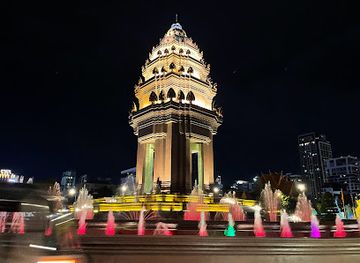
Independence Monument
A lotus-shaped monument in Phnom Penh commemorating Cambodia's independence, designed with Angkorian architectural inspiration.
7 min drive · 2.2 km from neighbourhood centre
Best landmarks in Toul Tom Poung
Phsar Tuol Tom Poung is both a commercial landmark and a piece of living urban infrastructure, its covered structure and dense perimeter of stalls giving the neighbourhood its internationally familiar identity. The name Russian Market belongs to the market’s modern foreign reputation rather than indicating Russian architectural or trading origins. Wat Tuol Tom Poung provides the area’s principal religious landmark, contrasting with the market’s compressed circulation and roadside commerce through its compound, Buddhist imagery and quieter ritual setting. Around these anchors, the most characteristic built features are low-rise shophouses, narrow lanes, awnings and workshop fronts rather than grand civic monuments. Their significance is cumulative: they show how Phnom Penh’s southern neighbourhoods developed through daily trade, residence and adaptation. Architecture here is best read at street level, where older premises sit beside renovated cafés and newer commercial interiors.
-
Museum
Tuol Sleng Genocide Museum
A chilling memorial to the victims of the Khmer Rouge, preserving the evidence of Cambodia's tragic past and promoting peace.
12 min walk · 1.0 km from neighbourhood centre
-
Market
Tuol Tompoung Market
Explore Phnom Penh's vibrant Tuol Tompoung Market for unique souvenirs, local crafts, and a taste of Cambodian culture. A shopper's paradise!
3 min walk · 0.3 km from neighbourhood centre
-
 Monument
Independence Monument
A majestic lotus-shaped monument in Phnom Penh, commemorating Cambodia's independence and honoring its heroes. A symbol of freedom and resilience.
7 min drive · 2.2 km from neighbourhood centre
-
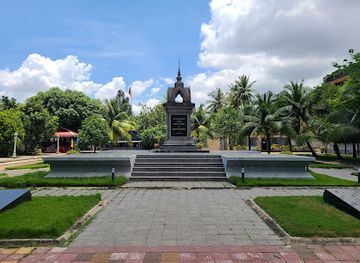
Historical landmark
Statue of His Majesty Preah Bat Samdech Preah Norodom Sihanouk
A golden tribute to Cambodia's King Father Norodom Sihanouk, a symbol of independence and national unity, located in a peaceful memorial park.
7 min drive · 2.3 km from neighbourhood centre

Explore Toul Tom Poung on the map
A handpicked selection of must-see spots in Toul Tom Poung, mapped for you.
Best hotels in Toul Tom Poung
Best restaurants in Toul Tom Poung
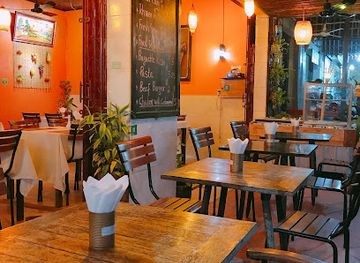
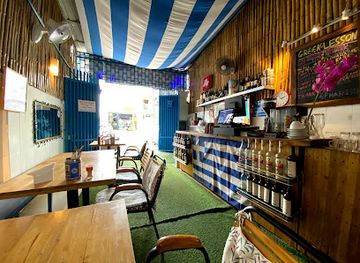
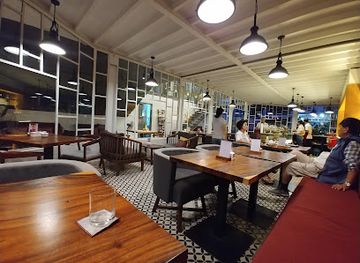
Toul Tom Poung has one of Phnom Penh’s most approachable concentrations of casual dining, shaped by the market’s proximity and the arrival of cafés, bakeries and small international restaurants along the surrounding numbered streets. Local Khmer food remains central, with rice dishes, noodles, soups and grilled foods available from market counters and modest eateries, while neighbourhood cafés have added coffee, pastries and daytime brunch styles to the mix. The area also supports vegetarian and vegan dining, contemporary Cambodian cooking and a range of Asian and Western-influenced menus, reflecting its resident and visitor communities. Around Phsar Tuol Tom Poung, food is often informal and close to the street; farther along the quieter lanes, converted shop-houses provide more leisurely settings. Rather than a single signature dish, the neighbourhood’s culinary identity comes from the contrast between market eating, family-run businesses and newer independent venues.
-
Cambodian
Eleven One Kitchen
Savor authentic Cambodian cuisine at Eleven One Kitchen - a delightful blend of local flavors and international favorites in Phnom Penh.
3 min walk · 0.2 km from neighbourhood centre
-
Restaurant
Golden Pumpkin Restaurant Phnom Penh
Discover authentic Cambodian flavors at Golden Pumpkin Restaurant – a must-visit dining spot in Phnom Penh's vibrant Russian Market area.
1 min walk · 0.1 km from neighbourhood centre
-
Greek
Greek Souvlaki Restaurant
Experience authentic Greek flavors at the renowned Greek Souvlaki Restaurant in Phnom Penh—where every bite tells a story.
4 min walk · 0.3 km from neighbourhood centre
-
Restaurant
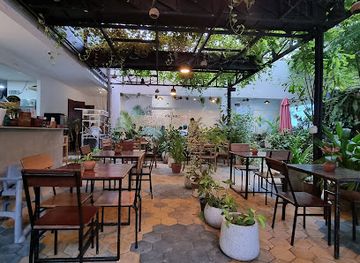
Java Creative Cafe Toul Tom Poung
Discover culinary delights at Java Creative Cafe Toul Tom Poung – where exceptional food meets inspiring local art in Phnom Penh.
6 min walk · 0.5 km from neighbourhood centre
Best bars in Toul Tom Poung
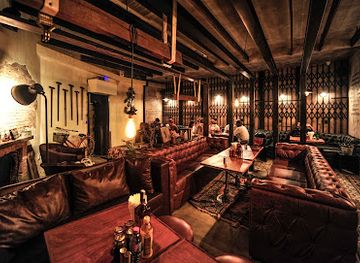
Toul Tom Poung is better known for relaxed evening dining and small bars than for large nightclubs. After sunset, the streets around the market fill with diners, café customers and residents meeting at casual beer spots, cocktail bars and restaurant terraces, while some venues offer music or occasional cultural programming. The atmosphere is generally social and informal, with a mix of Cambodian and international clientele, rather than the club-oriented nightlife associated with parts of central Phnom Penh. Certain cafés and bars in the numbered streets also function as creative meeting places, reflecting the neighbourhood’s gallery, design and social-enterprise scene. Noise levels vary sharply: commercial lanes can remain lively, but residential streets become comparatively quiet and should be treated with respect. Visitors seeking major clubs or late-night entertainment may need to travel beyond Toul Tom Poung into other parts of the city.
-
Bar
BATTBONG Speakeasy Bar . Bistro
Discover the vibrant nightlife at BATTBONG Speakeasy Bar & Bistro, where creative cocktails and cozy ambiance create unforgettable memories in Phnom Penh.
6 min drive · 1.9 km from neighbourhood centre
-
Bar
Long After Dark
Discover the vibrant nightlife of Phnom Penh at Long After Dark, where great drinks and a relaxing atmosphere await you.
2 min walk · 0.2 km from neighbourhood centre
-
Bar
Sundown Social Club
Experience the vibrant nightlife of Phnom Penh at Sundown Social Club, where stunning views and delicious drinks await you.
3 min walk · 0.3 km from neighbourhood centre
-
Bar
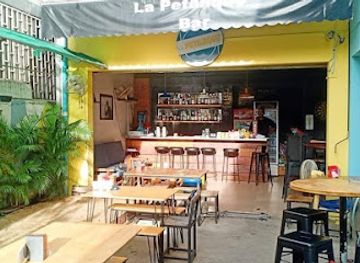
La Pétanque Bar & Kitchen
Discover La Pétanque Bar & Kitchen in Phnom Penh, where French culinary delights meet a lively bar scene in a cozy atmosphere.
6 min walk · 0.5 km from neighbourhood centre


Best nightclubs in Toul Tom Poung
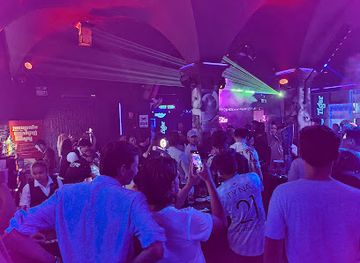
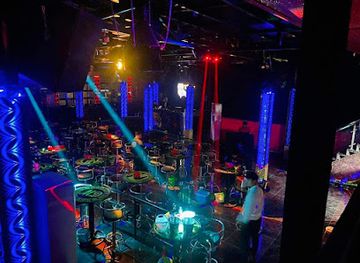
Toul Tom Poung is better known for relaxed evening dining and small bars than for large nightclubs. After sunset, the streets around the market fill with diners, café customers and residents meeting at casual beer spots, cocktail bars and restaurant terraces, while some venues offer music or occasional cultural programming. The atmosphere is generally social and informal, with a mix of Cambodian and international clientele, rather than the club-oriented nightlife associated with parts of central Phnom Penh. Certain cafés and bars in the numbered streets also function as creative meeting places, reflecting the neighbourhood’s gallery, design and social-enterprise scene. Noise levels vary sharply: commercial lanes can remain lively, but residential streets become comparatively quiet and should be treated with respect. Visitors seeking major clubs or late-night entertainment may need to travel beyond Toul Tom Poung into other parts of the city.
-
Bar
Sundown Social Club
Experience the vibrant nightlife of Phnom Penh at Sundown Social Club, where delicious cocktails and a lively atmosphere await.
3 min walk · 0.3 km from neighbourhood centre
-
Night club
LOVE - Phnom Penh
Immerse yourself in Phnom Penh's vibrant nightlife at LOVE, where music meets excitement for an unforgettable experience.
6 min drive · 1.9 km from neighbourhood centre
-
Night club
ULTRA CLUB CAMBODIA
Discover Phnom Penh's energetic nightlife at ULTRA CLUB CAMBODIA, where world-class DJs and vibrant parties await every night.
7 min drive · 2.4 km from neighbourhood centre
-
Night club
MD CLUB & PUB អឹមឌីក្លឹប
Discover the pulse of Phnom Penh's nightlife at MD CLUB & PUB, where great music and a vibrant atmosphere await you.
8 min walk · 0.7 km from neighbourhood centre

Best shops in Toul Tom Poung
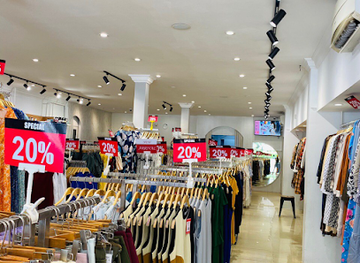
Shopping in Toul Tom Poung centres on Phsar Tuol Tom Poung, whose maze of stalls combines everyday Cambodian retail with goods aimed at visitors. Clothing, fabrics, accessories, souvenirs, handicrafts, household items and food are sold alongside practical products for local residents, making the market more varied than a dedicated tourist bazaar. Bargaining may be appropriate for some non-essential goods, while food and ordinary provisions generally follow more established prices. The streets around the market extend the shopping experience through tailors, repair services, small design businesses, independent boutiques and shops connected to Cambodia’s growing creative economy. Retail is mixed into residential and working life rather than concentrated in a polished mall environment, so browsing includes traffic, deliveries and narrow entrances. Visitors interested in locally made products should look beyond the most visible souvenir stalls and compare the market with the smaller independent shops in nearby lanes.
-
Clothing store
Little Fashion Shop
Explore the vibrant styles of Little Fashion Shop in Phnom Penh, where unique clothing and accessories blend modern fashion with local craftsmanship.
5 min drive · 1.5 km from neighbourhood centre
-
Clothing store
ZANDO The Concept Store (BKK1)
Discover the essence of contemporary fashion at ZANDO The Concept Store in the heart of Phnom Penh's vibrant BKK1 neighborhood.
17 min walk · 1.4 km from neighbourhood centre
-
Souvenir store
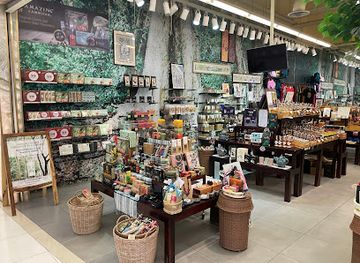
Amazing Cambodia
Experience the essence of Cambodia at Amazing Cambodia, your premier destination for authentic souvenirs and local crafts in Phnom Penh.
6 min drive · 2.0 km from neighbourhood centre
-
Gift shop
Decollec
Explore Decollec, a delightful gift shop in Phnom Penh offering unique local crafts and souvenirs that capture the spirit of Cambodia.
4 min walk · 0.3 km from neighbourhood centre


Toul Tom Poung essentials
Getting There
Getting Around
Safety
Emergency Situations
Do's and Don'ts
Local Tips

From Eve
Local phrases worth knowing
You don't need to get them perfect. A few words go a long way, and locals appreciate the effort.
Basics
| English | Local | Say it |
|---|---|---|
| Hello | សួស្តី | [sousdei] |
| Goodbye | លាស់ជា | [leah chia] |
| Yes | បាទ/ទាទ | [baat/taat] |
| No | ទេ | [te] |
| Please/You're welcome | សូម | [suom] |
| Thank you | សូមអរគុណ | [suom aokun] |
| Excuse me/Sorry | សូមអភ័យ | [suom ahbay] |
| How are you? | អ្នកបានបងប្អូនដើម្បីណា? | [nak bann bong baon daem bai na?] |
| Fine. And you? | មានសុខរដ្ឋបែបសិស្សទាយ? | [man sokarot baep seysat dai?] |
| Do you speak English? | អ្នកនឹកនិយាយអង្គរហេតុទេ? | [nak neak neyay angkeah het te?] |
| I don't understand | ខុសលាឆ្នេង | [kous lechna] |
Eating & Drinking
| English | Local | Say it |
|---|---|---|
| I'd like to see the menu, please | ខុសមើលម៉ឺនុយបងខាងអិល | [kous muul menu bang kang ert] |
| I don't eat meat | ខុសអិលឥន្ទិល | [kous erl undol] |
| Cheers! | សំរាប់ជា! | [sombai chia] |
| I would like to pay, please | ខុសបង់លុយបងខាងអិល | [kous bang luoy bang kang ert] |
Emergencies
| English | Local | Say it |
|---|---|---|
| Help! | ជម្រើស! | [chamres] |
| Go away! | ទៅស៊ី! | [tve si] |
| Call the Police! | ហាត់ក្រសួង! | [hat krosuon] |
| Call a doctor! | ហាត់វេជ្ឈា! | [hat vejja] |
| I'm lost | ខុសបានយល់ | [kous ban yol] |
| I'm ill | ខុសរំលាយ | [kous romlay] |
Shopping
| English | Local | Say it |
|---|---|---|
| I'd like to buy... | ខុសទិញ... | [kous tien...] |
| I'm just looking | ខុសមើលពិភពលោក | [kous muul pipoplook] |
| How much is it? | តើវាៈតើមជំរាបិតយ៉ា? | [toe voat toam chomrapet yah?] |
| That's too expensive | វានេបារ | [yah nebar] |
| Can you lower the price? | អ្នកអាកករបងចងចាំតើបានយ៉ា? | [nak akar kaa bang chongcham toe bann yah?] |
Time & Numbers
| English | Local | Say it |
|---|---|---|
| What time is it? | ម៉ោងប៉ុណ្ណា? | [mong pong na?] |
| It's one o'clock | វាៈមួយថ្ងៃ | [yah muoy thngai] |
| Half past (10) | សួស្តីខ្លះ (១០) | [sousdei kloh (sep)] |
| Morning | ព្រឹក | [prok] |
| Afternoon | ល្ងាច | [langcha] |
| Evening | ល្ងាច | [langcha] |
| Yesterday | ម្សិល | [msil] |
| Today | ថ្ងៃនេះ | [thngai nee] |
| Tomorrow | ថ្ងៃស្អែក | [thngai saek] |
| 1 | ១ | [mouy] |
| 2 | ២ | [pii] |
| 3 | ៣ | [bei] |
| 4 | ៤ | [buon] |
| 5 | ៥ | [pram] |
| 6 | ៦ | [pram muoy] |
| 7 | ៧ | [pram pii] |
| 8 | ៨ | [pram bei] |
| 9 | ៩ | [pram buon] |
| 10 | ១០ | [dop] |
Transport & Directions
| English | Local | Say it |
|---|---|---|
| Where's a/the...? | ទីណាបាល...? | [ti na bal...?] |
| What's the address? | អាសេរបងតែនេហ្គាតេ? | [asep bang thae nekateh?] |
| Can you show me (on the map)? | អ្នកអាស៊ីអ្ខេតយើង? | [nak asi ekateyong?] |
| When's the next (bus)? | នេហ្គាតេម្រេចនា? | [nekateh merch na?] |
| A ticket (to ....) | សេចង៉ុយតែមើល (ទៅ...) | [sechung tae muol (tov...)] |
History of Toul Tom Poung
A Southern Phnom Penh Quarter
Toul Tom Poung developed as part of Phnom Penh’s expanding southern urban fabric rather than as one of the colonial city’s principal ceremonial districts. Its identity grew from residential settlement, small commerce and access to the roads linking the centre with southern parts of the capital. The Khmer name Toul Tom Poung is commonly associated with the neighbourhood itself, while the area’s built form reflects the gradual layering typical of Phnom Penh: low-rise homes and shop-houses, religious compounds, workshops and later commercial premises occupy a landscape that has been repeatedly reshaped by the city’s growth.
The Market Takes Root
Phsar Tuol Tom Poung became the defining institution of the neighbourhood, providing a place for residents to buy fresh food, clothing, household articles and other necessities. The market is better known internationally as the Russian Market, a nickname generally linked to the period when foreign visitors and residents in Phnom Penh commonly shopped there, particularly during the 1980s. The name endured even though the market’s trade has always been connected primarily to local Cambodian life. Its importance lies less in a single architectural monument than in its continuing role as a daily commercial centre.
Reconstruction and Everyday Commerce
Phnom Penh’s population and economy changed profoundly after the upheavals of the 1970s, and Toul Tom Poung was gradually reabsorbed into the capital’s renewed network of homes, markets and small businesses. The market and surrounding streets became places where ordinary retail, repair work and food commerce resumed alongside the city’s return to growth. Much of the neighbourhood’s character comes from this practical continuity: vendors, shopkeepers and households have occupied the same broad commercial setting even as buildings, products and transport patterns have changed.
A Changing Creative District
From the late twentieth century into the twenty-first, Toul Tom Poung attracted increasing numbers of international residents, travellers and locally oriented entrepreneurs. Cafés, bakeries, restaurants, design shops, galleries and social enterprises appeared among established businesses, giving parts of the neighbourhood a more outward-facing identity. This change has not converted the whole area into a visitor district: the market, pagoda, repair shops and residential lanes remain central to its daily life. The resulting mix of local trade and new creative businesses is one of Toul Tom Poung’s clearest contemporary characteristics.
Toul Tom Poung in Photos
Browse through our photo collection highlighting the charm and character of the destination.
Neighbourhoods near Toul Tom Poung
The closest neighbourhoods to Toul Tom Poung, if you have time for more than one stop.
-

-


Swipe for more neighbourhoods
Explore more

Explore more of Phnom Penh
Phnom Penh blends Khmer history, Royal Palace grandeur, riverside life, vibrant markets and powerful museums with Cambodia’s modern urban energy.
Explore Phnom Penh