

Chamkar Mon (Phnom Penh) Travel Guide - Free
Explore Chamkar Mon in Phnom Penh with Evendo's free guide. Find the best shops, historic streets, restaurants, and gems on web or mobile.


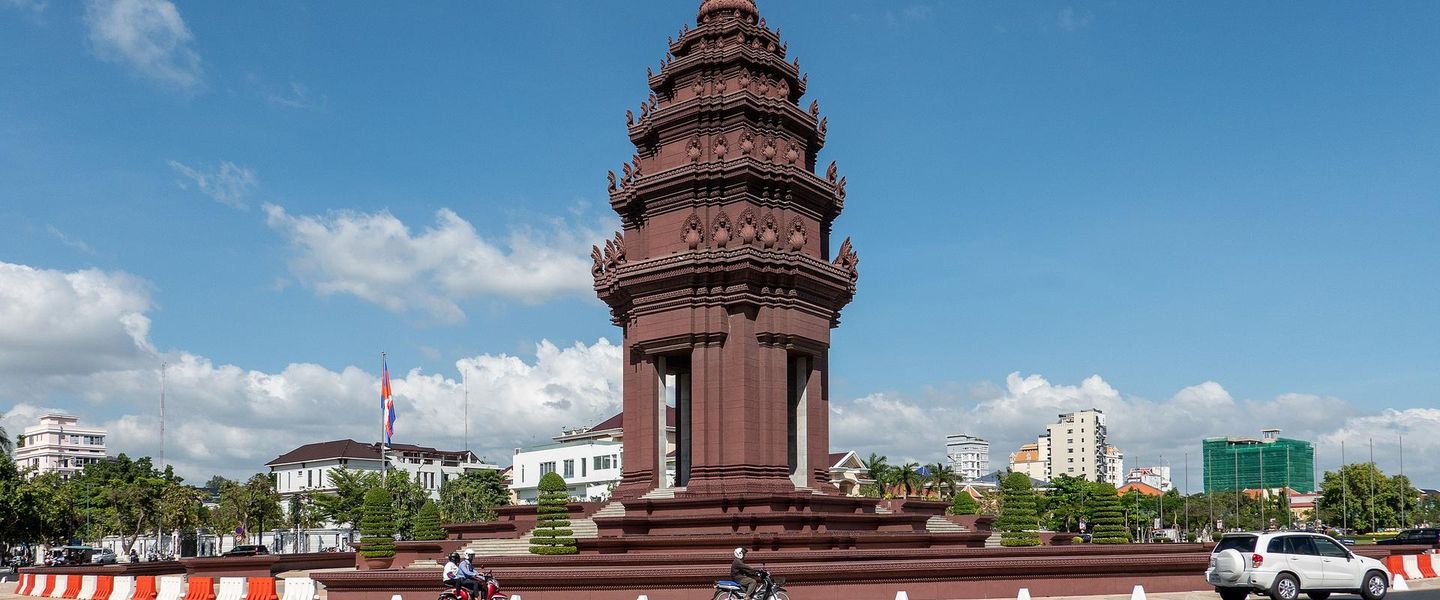


Chamkar Mon, Phnom Penh, blends Tuol Sleng, Russian Market, Wat Langka, Bassac cafés, Khmer food and lively streets south of the capital’s centre.
A District of Contrasts
Chamkar Mon is one of Phnom Penh’s most varied central districts, stretching across busy commercial streets, leafy residential lanes and the broad avenues south of the historic centre. It is not a single tightly defined pocket but a collection of urban areas whose character changes from the embassy-lined streets of Boeung Keng Kang to the riverside calm of Tonle Bassac and the market energy of Tuol Tom Poung. Together they reveal several sides of contemporary Phnom Penh: formal boulevards, low-rise shophouses, modern apartment buildings, Buddhist temples and dense local commerce.Read more about Chamkar Mon
History in the Streets
Markets, Food and Evening Life
Best attractions in Chamkar Mon
Chamkar Mon’s attractions range from major historical sites to the ordinary urban scenes that give the district its character. Tuol Sleng Genocide Museum occupies the former S-21 prison and presents a carefully preserved account of Cambodia’s Khmer Rouge period; it warrants a quiet visit and time for reflection. Wat Langka, near the Independence Monument, provides a contrasting setting of Buddhist worship, courtyards and religious architecture. Tuol Tom Poung Market, commonly called the Russian Market, is an absorbing place to browse clothing, household goods, crafts and prepared food, even when no purchase is planned. In Tonle Bassac, modern cafés, galleries and restaurants sit among older streets and post-independence buildings. The Independence Monument itself is best appreciated from the surrounding boulevards, where its lotus-shaped profile forms part of Phnom Penh’s ceremonial landscape.
-
Buddhist temple
Wat Phnom Daun Penh
Discover the historic and spiritual heart of Phnom Penh at Wat Phnom, a serene hilltop temple with panoramic city views and rich cultural significance.
10 min drive · 3.3 km from neighbourhood centre
-
Tourist attraction
Fountain Dragons
Experience the magic of the Fountain Dragons in Phnom Penh, where culture and artistry converge in a spectacular water display.
15 min walk · 1.2 km from neighbourhood centre
-
Tourist attraction
Moonlight Pavilion ( Preah Tineang Chanchaya )
Witness the elegance of Khmer culture at the Moonlight Pavilion, a historic stage for dance and royal addresses in Phnom Penh's Royal Palace.
6 min drive · 2.0 km from neighbourhood centre


Best landmarks in Chamkar Mon
Chamkar Mon’s landmarks express Cambodia’s recent political, religious and architectural history. The Independence Monument, designed by Vann Molyvann and inaugurated in 1962, is the district’s most recognisable civic symbol, its lotus-inspired form commemorating Cambodia’s independence from France. Nearby Wat Langka is one of Phnom Penh’s important Buddhist temples and gives the surrounding ceremonial avenues a spiritual counterpoint. Tuol Sleng Genocide Museum is a landmark of memory: the former school buildings retain classrooms, cells and evidence of the prison’s operation under the Khmer Rouge. In Tonle Bassac, the Bassac Theatre belongs to Phnom Penh’s post-independence modernist heritage, even though its history has been marked by damage and change. Tuol Tom Poung Market is less monumental but equally significant as a continuing centre of local trade.
-
Museum
Tuol Sleng Genocide Museum
Confronting Cambodia's past: A former Khmer Rouge prison turned genocide museum, preserving the memory of a tragic era.
16 min walk · 1.3 km from neighbourhood centre
-
Historical landmark
Royal Palace
Discover Cambodia's royal heritage at the Royal Palace in Phnom Penh, a stunning complex of gilded architecture and serene gardens.
6 min drive · 1.9 km from neighbourhood centre
-
 Monument
Independence Monument
A majestic lotus-shaped monument in Phnom Penh, commemorating Cambodia's independence and honoring its heroes.
14 min walk · 1.1 km from neighbourhood centre
-
Historical landmark
Statue of His Majesty Preah Bat Samdech Preah Norodom Sihanouk
A golden tribute to Cambodia's King Father, Norodom Sihanouk, symbolizing unity and independence in a peaceful Phnom Penh park.
14 min walk · 1.1 km from neighbourhood centre


Explore Chamkar Mon on the map
A handpicked selection of must-see spots in Chamkar Mon, mapped for you.
Best hotels in Chamkar Mon
Best restaurants in Chamkar Mon
Chamkar Mon has one of Phnom Penh’s broadest dining spreads, with Cambodian cooking, regional Asian food and international restaurants sharing streets with cafés, bakeries and informal stalls. Around Tuol Tom Poung Market, visitors can find noodles, grilled meats, rice dishes, fresh fruit and sweet snacks alongside the market’s everyday shopping, while the lanes of Boeung Keng Kang and Tonle Bassac contain more polished restaurants and coffee shops. Khmer meals commonly centre on rice, soups, grilled fish, curries and fresh herbs, with Chinese and wider Southeast Asian influences visible in the district’s menus. The area also supports vegetarian and international dining, reflecting its mixed commercial and residential population. Market food is an easy way to eat locally, whereas the quieter side streets around Bassac are better suited to a longer evening meal.
-
Cambodian
Malis Norodom
Discover exquisite Cambodian flavors at Malis Norodom – Phnom Penh's premier fine dining destination for authentic culinary experiences.
9 min walk · 0.7 km from neighbourhood centre
-
Restaurant
Khéma Restaurant Pasteur
Savor exquisite French cuisine at Khéma Restaurant Pasteur in Phnom Penh - where culinary artistry meets delightful ambiance.
5 min drive · 1.5 km from neighbourhood centre
-
Cambodian
Eleven One Kitchen - BKK1
Discover authentic Cambodian flavors at Eleven One Kitchen in Phnom Penh's vibrant BKK1 neighborhood - perfect for food lovers and vegetarians alike.
6 min walk · 0.5 km from neighbourhood centre
-
American
Digby's Phnom Penh
Experience the best of American cuisine blended with Asian flavors at Digby's Phnom Penh – where every meal is a celebration of taste.
11 min walk · 0.9 km from neighbourhood centre


Best bars in Chamkar Mon
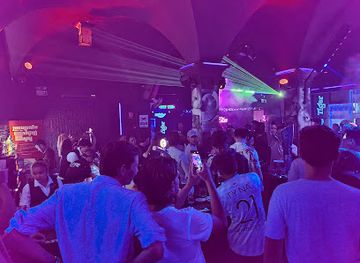
Chamkar Mon’s evening life is spread across restaurants, small bars, hotel lounges and café-bars rather than concentrated in a single club district. Boeung Keng Kang and Tonle Bassac have the largest selection of places for cocktails, wine, craft beer and informal late meals, while the streets near Tuol Tom Poung are more closely tied to neighbourhood dining and market activity. The Bassac area also retains a cultural connection to Phnom Penh’s modern arts scene, although performances and venues change over time. After dark, the district is a mixture of social streets and quiet residential lanes, so nightlife is best approached as a series of short outings rather than one continuous walking circuit. Traffic and uneven pavements make a tuk-tuk or taxi sensible when moving between venues.
-
Restaurant
Botanico Craft Beer Garden
Experience the vibrant atmosphere of Botanico Craft Beer Garden in Phnom Penh, where craft beers, delicious food, and live music come together.
11 min walk · 0.9 km from neighbourhood centre
-
Bar
Bassac Lane
Discover the dynamic nightlife of Bassac Lane, where stylish bars meet delectable dining in the heart of Phnom Penh.
9 min walk · 0.7 km from neighbourhood centre
-
Bar
Backstreet Bar
Discover the vibrant atmosphere of Backstreet Bar in Phnom Penh, offering creative cocktails and a cozy ambiance for an unforgettable night out.
9 min walk · 0.7 km from neighbourhood centre
-
Bar
Cloud
Discover Cloud, a trendy bar in Phnom Penh where affordable drinks meet a vibrant atmosphere, perfect for tourists seeking a unique nightlife experience.
9 min walk · 0.7 km from neighbourhood centre


Best nightclubs in Chamkar Mon
Chamkar Mon’s evening life is spread across restaurants, small bars, hotel lounges and café-bars rather than concentrated in a single club district. Boeung Keng Kang and Tonle Bassac have the largest selection of places for cocktails, wine, craft beer and informal late meals, while the streets near Tuol Tom Poung are more closely tied to neighbourhood dining and market activity. The Bassac area also retains a cultural connection to Phnom Penh’s modern arts scene, although performances and venues change over time. After dark, the district is a mixture of social streets and quiet residential lanes, so nightlife is best approached as a series of short outings rather than one continuous walking circuit. Traffic and uneven pavements make a tuk-tuk or taxi sensible when moving between venues.
-
Night club
HClub Nightclub, Restaurant & Bar
Discover the vibrant nightlife at HClub Nightclub, Restaurant & Bar in Phnom Penh, where dining meets dancing in an unforgettable atmosphere.
9 min walk · 0.7 km from neighbourhood centre
-
Night club
LOVE - Phnom Penh
Dive into the electrifying nightlife of Phnom Penh at LOVE, a premier night club known for its vibrant atmosphere and unforgettable parties.
13 min walk · 1.1 km from neighbourhood centre
-
Night club
Naga World Night Club
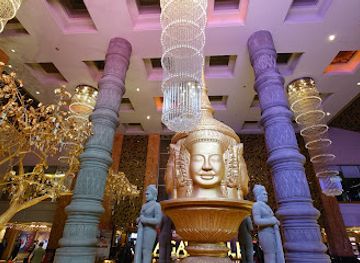
Experience the exhilarating nightlife at Naga World Night Club, Phnom Penh’s ultimate destination for dancing, entertainment, and unforgettable memories.
17 min walk · 1.3 km from neighbourhood centre
-
Night club
Central X Club
Experience the pulse of Phnom Penh at Central X Club, where nightlife thrives with electrifying music and an unforgettable atmosphere.
9 min walk · 0.8 km from neighbourhood centre


Best shops in Chamkar Mon
Shopping in Chamkar Mon is anchored by Tuol Tom Poung Market, widely known as the Russian Market, where narrow aisles bring together clothing, fabrics, souvenirs, handicrafts, household goods, jewellery and food stalls. The experience is practical as well as touristic: local residents shop beside visitors, and the selection changes from one stall to the next, making polite browsing and patient bargaining part of the rhythm. Around the market, small workshops, cafés and independent businesses extend the commercial atmosphere into neighbouring streets. Boeung Keng Kang and Tonle Bassac offer a different retail experience, with boutiques, lifestyle shops, salons, book-related businesses and contemporary design outlets mixed into shophouse streets. The district is not a single pedestrian shopping zone; its appeal lies in the contrast between a dense traditional market and scattered modern retail.
-
Clothing store
ZANDO The Concept Store (BKK1)
Discover stylish clothing and local fashion at ZANDO The Concept Store, Phnom Penh's trendy shopping destination for quality apparel.
7 min walk · 0.5 km from neighbourhood centre
-
Souvenir store
Amazing Cambodia
Explore the essence of Cambodia at Amazing Cambodia, a souvenir store filled with unique handcrafted treasures and local artistry.
7 min walk · 0.6 km from neighbourhood centre
-
Boutique
Shack Collective
Discover unique Cambodian craftsmanship at Shack Collective, where local artistry meets boutique shopping in the heart of Phnom Penh.
6 min drive · 2.0 km from neighbourhood centre
-
Gift shop
Hong Kong Shop 3
Explore a vibrant gift shop in Phnom Penh filled with unique souvenirs and toys, capturing the spirit of Cambodia.
5 min drive · 1.7 km from neighbourhood centre


Chamkar Mon essentials
Getting There
Getting Around
Safety
Emergency Situations
Do's and Don'ts
Local Tips

From Eve
Local phrases worth knowing
You don't need to get them perfect. A few words go a long way, and locals appreciate the effort.
Basics
| English | Local | Say it |
|---|---|---|
| Hello | សួស្តី | [suostei] |
| Goodbye | លាប | [lɑːp] |
| Yes | បាទ | [baːt] |
| No | ទេ | [teː] |
| Please/You're welcome | សូម | [suəm] |
| Thank you | អរគុណ | [ʔɑːlɔːkun] |
| Excuse me/Sorry | សុំស្រាប់ | [sɔm sraːp] |
| How are you? | អ្នកសុំមនុស្សប៉ុន្មាន? | [neak sɔm mɔnas bɔnmaan] |
| Fine. And you? | ព្រះអាទិត្យ. និងអ្នក? | [preah ateit. neak?] |
| Do you speak English? | អ្នកនៅភាសាអង់គ្លេសទេ? | [neak nɨ phaːsaanglɨks teː] |
| I don't understand | ខ្ញុំមិនយល់ | [kɲom min jɔl] |
Eating & Drinking
| English | Local | Say it |
|---|---|---|
| I'd like to see the menu, please | ខ្ញុំចង់មើលម៉ឺនុយបន្ទាយមួយចូល | [kɲom cɔːng mɨl mɨnun bɑndaa mui col] |
| I don't eat meat | ខ្ញុំមិនបរិម្ភ | [kɲom min prɔʔp] |
| Cheers! | អរិយយេ | [ʔɑːyee] |
| I would like to pay, please | ខ្ញុំចង់បង់ប្រាក់សូម | [kɲom cɔːng bɑɲ prakɑː sɔm] |
Emergencies
| English | Local | Say it |
|---|---|---|
| Help! | ជម្ងឺ! | [cəmɲ] |
| Go away! | ហើយវានជា! | [hɨj vaːncə] |
| Call the Police! | ហាងហែលបំពេង! | [haŋ hael bɑmpɨŋ] |
| Call a doctor! | ហាងគ្រូបស៊ូបត! | [haŋ krɔb suəbɑt] |
| I'm lost | ខ្ញុំបានខ្លះ | [kɲom baːn klɑh] |
| I'm ill | ខ្ញុំមានជម្ងឺ | [kɲom mnəm cəmɲ] |
Shopping
| English | Local | Say it |
|---|---|---|
| I'd like to buy... | ខ្ញុំចង់ទិញ... | [kɲom cɔːng tɨn...] |
| I'm just looking | ខ្ញុំតែស្វែងប៉ុន្មាន | [kɲom tei svaːng bɔnmaan] |
| How much is it? | មួយមុនមួយ? | [mui mun mui] |
| That's too expensive | នេះគឺលខ្ពង | [ni khɨl khpuŋ] |
| Can you lower the price? | តើលោកអាចបង់ថ្លៃចូលទំនិញបានទេ? | [tɨ veə lok ɑːc baɲ tlaːi col tɨmɨn bɑn teː] |
Time & Numbers
| English | Local | Say it |
|---|---|---|
| What time is it? | ម៉ោងប៉ុន្មាន? | [mɨɑːng bɔnmaan] |
| It's one o'clock | វិញមួយម៉ោង | [win mui mɨɑːng] |
| Half past (10) | កន្លះខែ (10) | [kɑnlɑh khɛː (10)] |
| Morning | ព្រឹក | [prɨk] |
| Afternoon | ល្ងាច | [lɑŋcaː] |
| Evening | យប់ | [jɔːp] |
| Yesterday | ម្សិលមិញ | [msul min] |
| Today | ថ្ងៃនេះ | [tlaŋ niəh] |
| Tomorrow | ថ្ងៃស្អែក | [tlaŋ saːk] |
| 1 | មួយ | [mui] |
| 2 | ពីរ | [piː] |
| 3 | បី | [biː] |
| 4 | បួន | [buːn] |
| 5 | ប្រាាន | [braːn] |
| 6 | ប្រាានសិល្បី | [braːnsulpiə] |
| 7 | ប្រាានបី | [braːnbiː] |
| 8 | ប្រាានបួន | [braːnbuːn] |
| 9 | ប្រាានបីង | [braːnbiŋ] |
| 10 | ដប | [dɔːp] |
Transport & Directions
| English | Local | Say it |
|---|---|---|
| Where's a/the...? | ទើបសំទើស... | [tɨpɨ saːm tɨs...] |
| What's the address? | អាសយដ្ឋ... | [aːsɑjət...] |
| Can you show me (on the map)? | តើលោកអាចបង់ប្រាក់សូម | [tɨ veə lok ɑːc baɲ prakɑː sɔm] |
| When's the next (bus)? | ពេលណា... | [pel neə...] |
| A ticket (to ....) | សំបុត្រ... | [sɑmboʊtr...] |
History of Chamkar Mon
A Southern Edge of Phnom Penh
Chamkar Mon developed as Phnom Penh expanded southwards beyond the older royal and colonial core. Its name is associated with the Khmer term chamkar, meaning cultivated field, reflecting the agricultural landscape that once occupied parts of the area. Roads, drainage works and new residential development gradually linked the southern outskirts with the central city. The district’s later identity was shaped less by one historic settlement than by the incorporation of villages, market areas and planned urban streets into a rapidly growing capital.
The Bassac Era of Modernism
After Cambodia gained independence in 1953, Phnom Penh experienced an ambitious period of public building and urban modernisation. The Bassac area, now part of Chamkar Mon, became associated with major cultural projects commissioned during the Sangkum Reastr Niyum period. Buildings such as the Bassac Theatre, designed by Vann Molyvann and completed in the 1960s, expressed Cambodia’s search for a modern national architectural language. Although many structures have been altered or lost, the district still contains important traces of this post-independence vision in its avenues, public buildings and surviving modernist forms.
War, Evacuation and Tuol Sleng
The upheavals of the 1970s transformed Chamkar Mon. During Democratic Kampuchea, the former Tuol Svay Prey High School was converted into Security Prison 21, commonly called S-21 or Tuol Sleng. Prisoners were interrogated, tortured and recorded there before being taken to execution sites outside the city. Phnom Penh’s population was forcibly evacuated in 1975, leaving the capital and its neighbourhoods largely empty. The preserved classrooms, photographs and prison records at Tuol Sleng now provide one of the clearest local reminders of the Khmer Rouge regime’s impact on Phnom Penh.
Rebuilding a Commercial District
Following the end of Khmer Rouge rule and Cambodia’s gradual stabilisation, Chamkar Mon was repopulated and rebuilt as a mixed residential and commercial district. Tuol Tom Poung became one of the capital’s best-known market areas, while Boeung Keng Kang and Tonle Bassac attracted embassies, offices, cafés, restaurants and new housing. Redevelopment has brought higher buildings and rising land values alongside older shophouses and informal commerce. The result is a district where post-independence landmarks, memorial sites, traditional markets and contemporary businesses remain closely interwoven.
Chamkar Mon in Photos
Browse through our photo collection highlighting the charm and character of the destination.
Neighbourhoods near Chamkar Mon
The closest neighbourhoods to Chamkar Mon, if you have time for more than one stop.
-

-


Swipe for more neighbourhoods
Explore more

Explore more of Phnom Penh
Phnom Penh blends Khmer history, Royal Palace grandeur, riverside life, vibrant markets and powerful museums with Cambodia’s modern urban energy.
Explore Phnom Penh