

Free Ebolowa Travel Guide & Mobile App
Plan your Ebolowa trip with Evendo. Get free guides to top attractions, restaurants, hotels, and bars. Web access or download the mobile app.


Ebolowa, Cameroon, reveals Bulu culture, cocoa country, rainforest landscapes, local markets and the unhurried character of the South Region.
A Southern Regional Capital
Ebolowa is the capital of Cameroon's South Region, a modest inland city surrounded by humid forest, cocoa farms and the gently undulating landscapes of the country's southern belt. About 170 kilometres south of Yaoundé, it has a slower, more provincial rhythm than Cameroon's largest cities. Its broad roads, administrative buildings and market areas reflect its role as a regional centre, while nearby villages preserve the everyday customs and agricultural life of the Bulu-speaking area.Read more about Ebolowa
Bulu Culture and Cocoa Country
Forest Landscapes and Everyday Ebolowa
When is the best time to visit Ebolowa?
Best: December–February · 28°C| Month | High (°C) | Rainfall (mm) |
|---|---|---|
| January (best) | 28 | 200 |
| February (best) | 28 | 200 |
| March | 29 | 250 |
| April | 29 | 300 |
| May | 28 | 350 |
| June | 27 | 350 |
| July | 26 | 350 |
| August | 26 | 350 |
| September | 27 | 350 |
| October | 27 | 350 |
| November | 28 | 300 |
| December (best) | 28 | 250 |
Getting to and around Ebolowa
How to get there
Transportation
Best attractions in Ebolowa
Ebolowa's attractions are modest in scale but revealing of the South Region's culture and environment. The central market is the city's liveliest place for observing the movement of plantains, cassava, fruit, household goods and locally produced items, while the surrounding streets show the everyday rhythm of a regional capital. Ebolowa Cathedral provides a prominent point of orientation and a glimpse of the city's Christian heritage. Civic avenues and administrative quarters offer a sense of the town's role as the headquarters of the South Region, contrasting with informal commercial streets and neighbourhood life. Beyond the centre, the surrounding countryside leads towards cocoa farms, villages and forest landscapes rather than a formal chain of visitor sites. These rural settings are best explored with local guidance, especially where tracks become difficult in wet weather. The interest lies in seeing how agriculture, Bulu culture, trade and public administration meet within a town shaped by its forested setting.
-
Museum
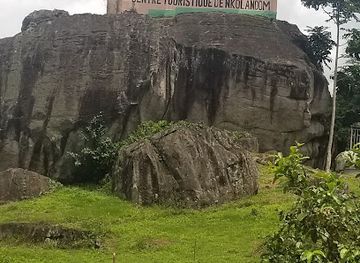
site touristique de nkolandom(sud cameroun)
Explore the rich heritage of Southern Cameroon at Nkolandom, a museum that showcases the vibrant culture and traditions of the region.
32 min drive · 12 km from city centre
-
Tourist attraction
Rocher d'Ako'okas
Discover the natural beauty of Rocher d'Ako'okas, a stunning rock formation in Cameroon perfect for hiking, photography, and peaceful retreats.
46 min drive · 26 km from city centre
-
Tourist attraction
Carrefour Ndongo
Explore Carrefour Ndongo: A vibrant marketplace in Ebolowa, where you can experience local culture, food, and unique crafts of Cameroon.
15 min walk · 1.2 km from city centre
-
 Park
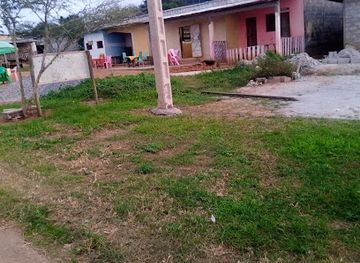
ParkBancs publics l'an 2000
Discover tranquility at Bancs publics l'an 2000, Ebolowa's serene park perfect for relaxation, picnics, and enjoying the beauty of nature.
4 min walk · 0.3 km from city centre

Best landmarks in Ebolowa
Ebolowa Cathedral, commonly known as the Cathedral of Sainte-Anne, is one of the city's most recognisable religious landmarks and reflects the long presence of Christian missions in southern Cameroon. The regional administrative quarter provides a different kind of landmark: government offices and civic spaces express Ebolowa's role as capital of the South Region and give the town much of its institutional character. The central market is not a monumental building, but it is an important cultural landmark in the everyday sense, linking the city with cocoa-growing villages, forest produce and regional trade. Churches and local civic structures throughout the built-up area help trace the town's development from colonial administration to post-independence regional centre. Ebolowa's wider setting is equally significant, as forest edges, cocoa farms and rural settlements form the living landscape against which its public buildings and commercial streets should be understood.
-
Hotel
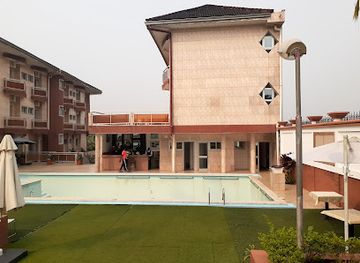
BENGO HÔTEL
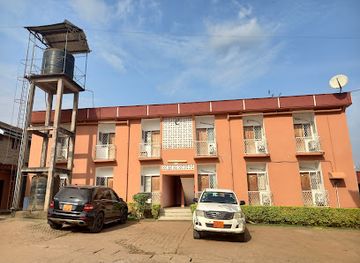
Experience comfort and convenience at BENGO HÔTEL in Ebolowa, your perfect gateway to exploring the cultural and natural wonders of Southern Cameroon.
16 min walk · 1.2 km from city centre
-
Hotel
Florence Hotel Ebolowa
Experience comfort and convenience at Florence Hotel Ebolowa, your ideal base for exploring the vibrant culture of southern Cameroon.
5 min drive · 1.6 km from city centre
-
Tourist information center
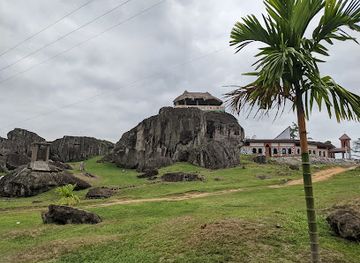
Centre Touristique de Nkolandom
Discover Cameroon's cultural heartland at Centre Touristique de Nkolandom: Nature, history, and relaxation await in Ebolowa.
32 min drive · 12 km from city centre
-
Hotel
Ndancy Hotel
Experience comfort and local charm at Ndancy Hotel, your ideal base for exploring Ebolowa's culture and attractions in Cameroon.
15 min walk · 1.2 km from city centre
Explore Ebolowa on the map
Plan your Ebolowa trip on one map. See where the top attractions, landmarks, restaurants, bars and hotels are, find what's near where you're staying, and book hotels and experiences in a few clicks.
Best hotels in Ebolowa
Best restaurants in Ebolowa
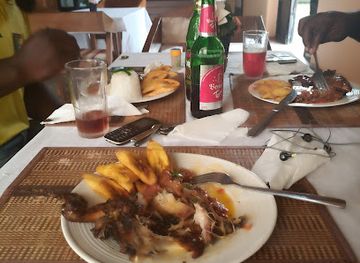
Dining in Ebolowa reflects the foodways of southern Cameroon, where plantain, cassava, cocoyam, rice, beans and seasonal vegetables accompany fish, chicken or meat. Local restaurants and modest eateries commonly serve dishes such as ndolé, a bitter-leaf preparation associated with Cameroon more broadly, alongside grilled foods, stews and cassava-based specialities; recipes and availability vary by establishment. Markets and roadside stalls provide opportunities to see fresh produce, roasted plantain and other informal foods moving through the city, although visitors should choose busy stalls with good turnover and clean preparation practices. French is useful when asking about ingredients, and many menus are informal rather than written. The most characteristic meals are generally found in small local restaurants and family-run food settings rather than in a large international dining scene. Cocoa's importance to the surrounding economy is also visible in the agricultural produce traded through town.
-
Hotel
Hotel Les Destinées
Discover comfort at Hotel Les Destinées in Angale, Ebolowa - your gateway to exploring Cameroon’s natural beauty and vibrant culture.
5 min drive · 1.6 km from city centre
-
Restaurant
Restaurant Bar La Belle Histoire
Experience authentic Cameroonian flavors blended with international cuisine at Restaurant Bar La Belle Histoire in Ebolowa.
5 min drive · 1.6 km from city centre
-
Restaurant
Restaurant Fleur D'or
Experience authentic Cameroonian cuisine at Restaurant Fleur D'or in Ebolowa – where every meal tells a story.
7 min walk · 0.6 km from city centre
-
Bar
Cote D'azur Annexe
Discover Cote D'azur Annexe: A lively bar in Ebolowa where locals gather for refreshing drinks and great company.
5 min drive · 1.7 km from city centre

Best bars in Ebolowa
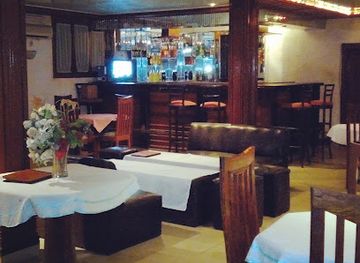
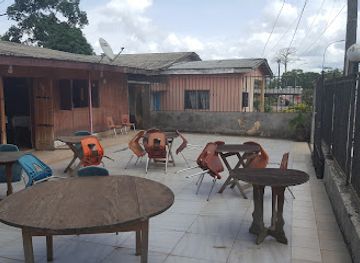
Ebolowa's evening life is relatively low-key and centres on neighbourhood bars, small beer venues and restaurants rather than a concentrated club district. After work, residents may gather for conversation, football, music and locally familiar drinks, with activity strongest around commercial streets and central neighbourhoods. Some venues play popular Cameroonian music, makossa, bikutsi or contemporary African sounds, but the scale and atmosphere can change considerably from one evening to another. Visitors should favour busy, locally recommended places and avoid displaying valuables, particularly when travelling back to accommodation. Night-time movement is easier by a trusted taxi than on foot along poorly lit roads. Formal theatre and large-scale nightlife infrastructure is limited, so evening entertainment is primarily social and community-based rather than oriented towards international club tourism.
-
Restaurant
Restaurant Bar La Belle Histoire
Experience the vibrant flavors of Cameroon at Restaurant Bar La Belle Histoire in Ebolowa, a perfect blend of local and international cuisine.
5 min drive · 1.6 km from city centre
-
Bar
Cote D'azur Annexe
Experience the vibrant local culture at Cote D'azur Annexe, a lively bar in Ebolowa serving refreshing drinks and a welcoming atmosphere.
5 min drive · 1.7 km from city centre
-
Restaurant
AL & VAL
Discover authentic Cameroonian cuisine at AL & VAL in Ebolowa, where every dish tells a story and hospitality is a tradition.
8 min walk · 0.7 km from city centre
-
Hotel
Restaurant Bar Hotel Odyssée
Experience the charm of Ebolowa at Hotel Odyssée, where comfort meets local culture in a welcoming atmosphere.
5 min drive · 1.6 km from city centre

Best nightclubs in Ebolowa
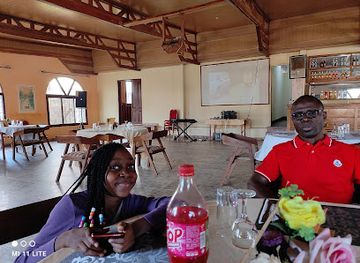
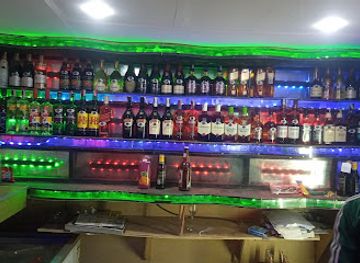
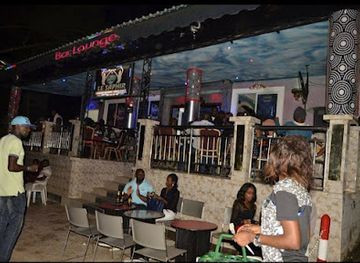
Ebolowa's evening life is relatively low-key and centres on neighbourhood bars, small beer venues and restaurants rather than a concentrated club district. After work, residents may gather for conversation, football, music and locally familiar drinks, with activity strongest around commercial streets and central neighbourhoods. Some venues play popular Cameroonian music, makossa, bikutsi or contemporary African sounds, but the scale and atmosphere can change considerably from one evening to another. Visitors should favour busy, locally recommended places and avoid displaying valuables, particularly when travelling back to accommodation. Night-time movement is easier by a trusted taxi than on foot along poorly lit roads. Formal theatre and large-scale nightlife infrastructure is limited, so evening entertainment is primarily social and community-based rather than oriented towards international club tourism.
-
Hookah bar
INSTAGRAM VIP SNACK BAR EBOLOWA
Discover the vibrant atmosphere of Instagram VIP Snack Bar Ebolowa, where flavorful hookah meets delightful bites in a trendy setting.
11 min walk · 0.9 km from city centre
-
Bar
Longuè Le Ndé
Discover the vibrant nightlife and local culture at Longuè Le Ndé, the ideal bar for tourists in Ebolowa.
6 min walk · 0.5 km from city centre
-
Night club
Le Dinard
Discover the pulsating nightlife of Ebolowa at Le Dinard, the ultimate night club for affordable fun and vibrant experiences.
5 min walk · 0.4 km from city centre
-
Night club
Saphir Discothèque
Discover the vibrant nightlife at Saphir Discothèque, Ebolowa's lively night club with great music, drinks, and unforgettable experiences.
7 min walk · 0.5 km from city centre


Best shops in Ebolowa
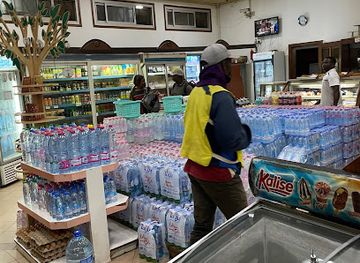
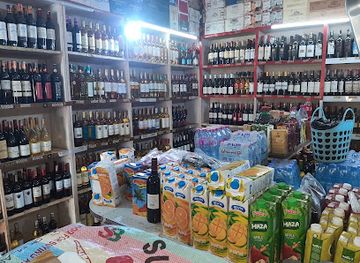
Shopping in Ebolowa is concentrated around the central market, smaller food markets and informal commercial streets rather than a large modern retail district. Stalls typically carry plantains, cassava, fruit, vegetables, smoked or fresh food, household supplies and clothing, with the selection changing according to harvest seasons and deliveries from surrounding villages. Visitors may also find locally made baskets, carved objects, textiles and other craft goods, although availability is less predictable than in Cameroon's major tourist centres. Cocoa and forest agriculture shape the city's commercial identity, and buying food products through established traders offers a more direct sense of regional life than imported souvenirs. Bargaining may be part of informal-market transactions, but it should remain friendly and proportionate. Supermarkets and pharmacies provide more conventional supplies, while card payments should not be assumed at market stalls or small independent shops.
-
Supermarket
Boulangerie Pâtisserie Alimentation DELI
Explore the flavors of Ebolowa at Boulangerie Pâtisserie Alimentation DELI, where fresh pastries and local specialties await every visitor.
4 min walk · 0.3 km from city centre
-
Alcohol retail monopoly
AKIM BOUTIQUE NDA MEYOK
Discover the flavors of Cameroon at Akim Boutique NDA Meyok in Ebolowa, where local culture meets exceptional beverages.
6 min walk · 0.5 km from city centre
-
Shopping mall
Carefour Bilon
Discover Carrefour Bilon, Ebolowa's premier shopping destination where local culture meets modern retail and dining experiences.
7 min drive · 2.2 km from city centre
-
Shopping mall
CFC Building
Experience vibrant shopping and local culture at the CFC Building in Ebolowa, a must-visit destination for every tourist.
4 min walk · 0.4 km from city centre
Get your free copy of our complete guide to Ebolowa, delivered straight to you.
Everything on this page, from attractions and restaurants to essentials and local phrases, in one PDF you can read offline, print or share.
Already have an account? Sign in
Your Ebolowa guide is ready.
We'll send it to · Not you? Sign out

Getting your guide ready…
We are putting together a fresh copy of the Ebolowa guide. This can take up to a minute.
This can take a few moments. If your browser asks, choose Allow so the download can start. You'll find the guide in your Downloads folder.
Nothing happened? Download it again
Sorry, the guide is taking longer than usual. Please try again in a minute, or get it by email instead.
Ebolowa essentials
Currency and Payment
Safety
Emergency Situations
Do's and Don'ts
Local Tips
From Eve
Local phrases worth knowing
You don't need to get them perfect. A few words go a long way, and locals appreciate the effort.
Basics
| English | Local | Say it |
|---|---|---|
| Hello | Mbolo | [m-boh-loh] |
| Goodbye | Adieu | [ah-dyuh] |
| Yes | Ee | [ee] |
| No | Aa | [ah] |
| Please/You're welcome | S'il vous plaît | [seel voo pleh] |
| Thank you | Merci | [mehr-see] |
| Excuse me/Sorry | Pardon | [pahr-dohn] |
| How are you? | Comment ça va? | [koh-mohn sah vah] |
| Fine. And you? | Ça va bien. Et toi? | [sah vah byen. ay twah] |
| Do you speak English? | Parlez-vous anglais? | [par-lay voo ahn-glay] |
| I don't understand | Je ne comprends pas | [zhuh nuh kohm-prahn pah] |
Eating & Drinking
| English | Local | Say it |
|---|---|---|
| I'd like to see the menu, please | Je voudrais voir le menu, s'il vous plaît | [zhuh voo-dray vwahr luh men-oo, seel voo pleh] |
| I don't eat meat | Je ne mange pas de viande | [zhuh nuh mahnj pah duh vyand] |
| Cheers! | Santé! | [sahn-tay] |
| I would like to pay, please | Je voudrais payer, s'il vous plaît | [zhuh voo-dray pay-yay, seel voo pleh] |
Emergencies
| English | Local | Say it |
|---|---|---|
| Help! | Au secours! | [oh suh-koor] |
| Go away! | Allez-vous en! | [ah-lay voo zahn] |
| Call the Police! | Appelez la Police! | [ah-peh-lay lah po-leece] |
| Call a doctor! | Appelez un médecin! | [ah-peh-lay uh may-deh-sahn] |
| I'm lost | Je suis perdu | [zhuh swee pair-doo] |
| I'm ill | Je suis malade | [zhuh swee mah-lahd] |
Shopping
| English | Local | Say it |
|---|---|---|
| I'd like to buy... | Je voudrais acheter... | [zhuh voo-dray zah-shay] |
| I'm just looking | Je regarde juste | [zhuh ruh-gahrd zhoo-stuh] |
| How much is it? | Combien ça coûte? | [kohm-byen sah koot] |
| That's too expensive | C'est trop cher | [say troh shair] |
| Can you lower the price? | Pouvez-vous baisser le prix? | [poo-veh voo bay-say luh pree] |
Time & Numbers
| English | Local | Say it |
|---|---|---|
| What time is it? | Quelle heure est-il? | [kel uhr ay-tee] |
| It's one o'clock | Il est une heure | [eel ay oon uhr] |
| Half past (10) | Dix et demi | [dees ay duh-mee] |
| Morning | Matin | [mah-tahn] |
| Afternoon | Après-midi | [ah-pray mee-dee] |
| Evening | Soir | [swahr] |
| Yesterday | Hier | [ee-ehr] |
| Today | Aujourd'hui | [oh-zhoor-dwee] |
| Tomorrow | Demain | [day-mahn] |
| 1 | Un | [uhn] |
| 2 | Deux | [duh] |
| 3 | Trois | [twah] |
| 4 | Quatre | [kat] |
| 5 | Cinq | [sank] |
| 6 | Six | [sees] |
| 7 | Sept | [sept] |
| 8 | Huit | [wheet] |
| 9 | Neuf | [nuhf] |
| 10 | Dix | [dees] |
Transport & Directions
| English | Local | Say it |
|---|---|---|
| Where's a/the...? | Où est... | [oo ay] |
| What's the address? | Quelle est l'adresse? | [kel ay lah-dress] |
| Can you show me (on the map)? | Pouvez-vous me montrer (sur la carte)? | [poo-veh voo muh mohn-tray (soor lah kart)] |
| When's the next (bus)? | Quand est le prochain (bus)? | [kahnd ay luh proh-shahn (boos)] |
| A ticket (to ....) | Un billet (pour ....) | [uhn bee-yay (poor)] |
History of Ebolowa
Bulu Settlement and Forest Society
Before the creation of modern administrative boundaries, the Ebolowa area formed part of the forest world inhabited and cultivated by Bulu-speaking communities. Society was organised through kinship, village relationships, farming and exchange rather than around a single urban centre in the contemporary sense. Crops such as plantain, cassava and yams supported household life, while forest products, hunting and local trade contributed to regional livelihoods. The deep knowledge of paths, soils and seasonal conditions developed by these communities remains part of the cultural setting around Ebolowa, even as roads, public administration and cash-crop agriculture have changed the landscape.
German Colonial Expansion
German colonial rule in Cameroon expanded into the southern interior during the late nineteenth and early twentieth centuries, bringing military and administrative expeditions, new trading links and forced labour demands. The forest was incorporated into a colonial economy that sought rubber, timber and other resources, while missionary activity introduced churches and schools. Colonial control was uneven and encountered local resistance, but it altered patterns of authority and movement across the region. Ebolowa subsequently developed within this wider colonial framework, with its importance linked to administration and communications rather than to a large precolonial urban settlement.
French Mandate and Administrative Growth
After Germany's defeat in the First World War, Cameroon was divided into League of Nations mandates administered by France and Britain. The southern interior, including the Ebolowa area, came under French administration. French officials strengthened the road network, taxation system and administrative presence, while Christian missions and schools expanded their influence. Cocoa became increasingly important as a cash crop, connecting rural producers with merchants and export channels. This period helped establish the town's role as a regional administrative centre, although colonial development was built on unequal labour and economic structures whose effects continued after independence.
Independence and Regional Administration
Cameroon achieved independence in 1960 in the territories administered by France, while the former British Southern Cameroons followed a different constitutional path before joining the Republic of Cameroon in 1961. Ebolowa developed within the new state's southern administrative system, serving communities spread across a large forested region. Public offices, schools, health services and transport connections gradually gave the town a more recognisable civic form. The city's position as the capital of the South Region reflects this administrative evolution and explains the presence of government institutions alongside markets, churches and residential districts.
A Contemporary Cocoa and Forest Economy
In recent decades, Ebolowa has remained closely tied to agriculture and the management of southern Cameroon's forest resources. Cocoa production, food crops and small-scale commerce continue to connect the city with surrounding villages, while public administration, education and services provide additional employment. Urban growth has brought new shops, transport activity and changing building patterns without erasing the regional importance of farming. The contemporary city is therefore best understood as both a government centre and a commercial meeting point between forest communities and the wider national economy.
Ebolowa in Photos
Browse through our photo collection highlighting the charm and character of the destination.
Cities near Ebolowa
The closest cities to Ebolowa, if you have time for more than one stop.
-

-

-

-

-


Swipe for more cities
Explore more

Explore more of Cameroon
Discover Cameroon: A Land of Diverse Landscapes, Rich Cultural Heritage, and Unforgettable Adventures in the Heart of Africa.
Explore Cameroon