

Free Edea Travel Guide & Mobile App
Plan your Edea trip with Evendo. Get free guides to top attractions, restaurants, hotels, and bars. Web access or download the mobile app.


Edea, Cameroon, pairs Sanaga River scenery with hydropower heritage, rainforest landscapes, local cuisine and everyday Littoral life between Douala and Yaounde.
A City Shaped by the Sanaga
Edea lies on the Sanaga River in Cameroon's Littoral Region, between the country's economic capital, Douala, and Yaoundé. Its setting is defined by broad waterways, humid forest vegetation and the movement of goods and people along one of the country's principal east-west corridors. Unlike Cameroon’s larger urban centres, Edea has a relatively modest cityscape, but its importance far exceeds its size: the river has made it a major source of hydroelectric power and an important industrial centre.Read more about Edea
Hydropower and Industrial Heritage
Everyday Littoral Life
When is the best time to visit Edea?
Best: January–March · 30–31°C| Month | High (°C) | Rainfall (mm) |
|---|---|---|
| January (best) | 30 | 120 |
| February (best) | 31 | 130 |
| March (best) | 31 | 140 |
| April | 31 | 150 |
| May | 31 | 160 |
| June | 30 | 170 |
| July | 30 | 180 |
| August | 30 | 190 |
| September | 30 | 180 |
| October | 31 | 170 |
| November | 31 | 160 |
| December | 30 | 150 |
Getting to and around Edea
How to get there
Transportation
Best attractions in Edea
Edea's principal attraction is the Sanaga River, whose broad waters and engineered channels explain both the town's older settlement pattern and its modern industrial importance. The Edea hydroelectric complex offers a compelling view of Cameroon's energy history, although operational areas are controlled and should be approached only with permission or through an authorised local contact. The town's central market and roadside commercial streets provide a grounded experience of daily Littoral life, with produce, household goods and prepared food moving through the same transport corridor that links Douala and Yaounde. Visitors interested in industrial heritage can observe the wider setting of the Alucam aluminium works from public areas, without entering restricted premises. Short outings towards the Sanaga and surrounding rural landscapes reveal humid vegetation, river traffic and farms, while the railway and main road illustrate Edea's enduring role as a place of connection rather than a city built around a dense collection of monuments.
-
Museum
Pont Des Allemands
Explore the rich cultural heritage of Edea at the engaging Pont Des Allemands museum, a treasure trove of local art and history.
14 min walk · 1.1 km from city centre
-
Garden
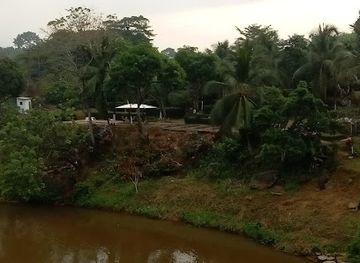
sanaga pont Beach Garden
Experience the tranquil beauty of Sanaga Pont Beach Garden in Edea, a serene retreat perfect for nature lovers and relaxation seekers.
13 min walk · 1.1 km from city centre
-
Tourist attraction
BATOMBÈ CITY
Discover the charm of Batombè City, a cultural oasis in Cameroon, rich in natural beauty and local traditions that all travelers will cherish.
7 min drive · 2.5 km from city centre
-
 Hiking area
Cieb
Explore the stunning hiking trails and lush landscapes of Cieb in Edea, Cameroon, a perfect destination for nature lovers and adventure seekers.
8 min walk · 0.7 km from city centre

Best landmarks in Edea
The Sanaga hydroelectric complex is Edea's defining modern landmark, representing the engineering project that converted the river's force into a foundation for Cameroon's industrial growth. Its dams, power infrastructure and associated landscape are more significant as a national industrial symbol than as conventional sightseeing architecture, and access to operational areas is restricted. The railway station and the transport corridor are further markers of the town's colonial-era development and continuing connection between Douala and Yaounde. The Sanaga itself is a natural and cultural landmark: its scale, crossings and riverbanks explain Edea's history more clearly than a single monument could. The Alucam industrial works also form part of the city's visual and economic identity, although visitors should view them only from permitted public spaces. Edea has fewer monumental civic buildings than Cameroon's larger historic centres, so its landmarks are read through infrastructure, landscape and working urban life.
-
Hotel
Hostellerie de la Sanaga
A serene 3-star hotel on the Sanaga River in Edéa, Cameroon, offering comfortable rooms, local cuisine, and recreational activities for a relaxing getaway.
5 min drive · 1.5 km from city centre
-
Tunnel
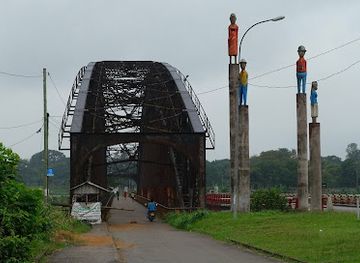
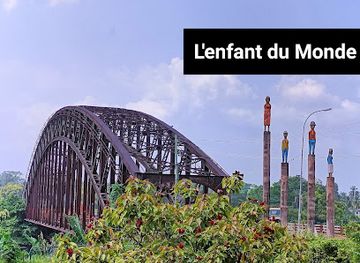
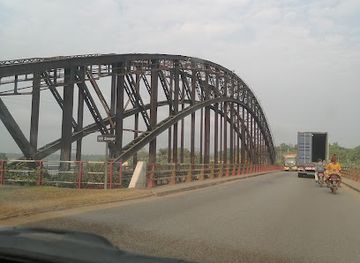
Pont allemand d'Édéa
A historic German-built bridge in Edea, Cameroon, offering passage and panoramic views of the Sanaga River.
18 min walk · 1.4 km from city centre
-
Cathedral
Cathédrale d'Edea
Discover the Cathédrale d'Edéa, a stunning cathedral in Cameroon, offering a peaceful retreat and a glimpse into local traditions and architecture.
6 min drive · 2.1 km from city centre

Explore Edea on the map
Plan your Edea trip on one map. See where the top attractions, landmarks, restaurants, bars and hotels are, find what's near where you're staying, and book hotels and experiences in a few clicks.
Best hotels in Edea
Best restaurants in Edea
Dining in Edea reflects the foodways of Cameroon's Littoral and forest-edge regions, where freshwater fish, plantain, cassava, cocoyam, rice and leafy vegetables are everyday staples. Local eateries and market stalls may serve grilled or fried fish with plantain, rice dishes, bean-based meals and sauces prepared with greens, tomatoes, chilli and groundnuts. Ndolé, one of Cameroon's best-known dishes, may appear alongside regional variations, while poulet, brochettes and other grilled foods are common informal choices. The most characteristic settings are modest restaurants, roadside grills and market food counters rather than destination dining rooms. Freshness and preparation can vary, so busy premises with a strong local clientele are generally the most practical choice. Bottled drinks are widely available, but travellers should take care with untreated water and use reputable sources for drinking water.
-
Bar
Edea Under Mango Snack Bar
Discover Edea's vibrant culture at Under Mango Snack Bar - your go-to destination for refreshing drinks and delicious snacks.
9 min walk · 0.7 km from city centre
-
Restaurant
Restaurant Fashion
Experience the vibrant culinary scene at Restaurant Fashion in Edea, where local flavors meet international cuisine in a warm atmosphere.
9 min walk · 0.7 km from city centre
-
Housing complex
Edea
Discover Edea: A lively housing complex offering diverse dining options and comfortable accommodations in the heart of Cameroon.
5 min drive · 1.6 km from city centre
-
Restaurant
La Berthanie Maritime
Discover the flavors of Cameroon and beyond at La Berthanie Maritime – a must-visit restaurant in Edea.
5 min drive · 1.6 km from city centre


Best bars in Edea
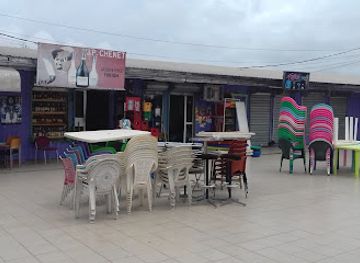
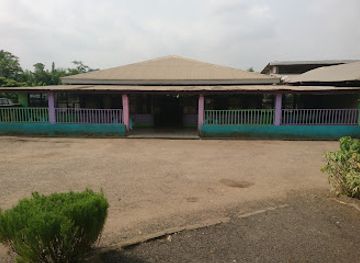
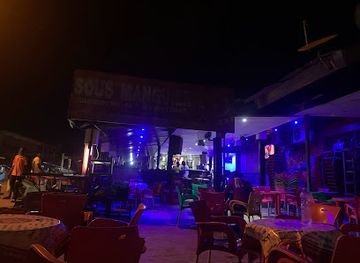
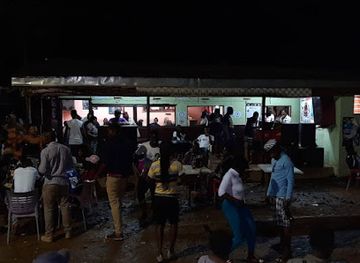
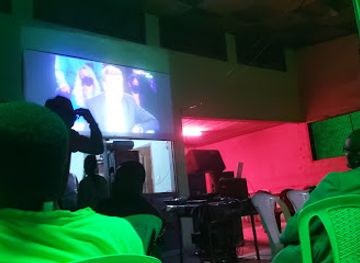
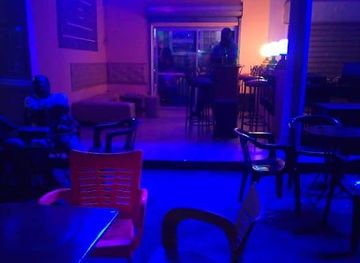
Edea's evening scene is relatively modest and centred on neighbourhood bars, snack spots, music, televised football and social gatherings rather than a concentrated club district. Along the main transport corridor, beer gardens and informal drinking places may remain active after dark, while smaller local venues provide spaces for conversation and popular Cameroonian music. Some evenings may include makossa, bikutsi or contemporary dance music, reflecting the country's wider musical culture, but programming and opening patterns are changeable. Nightlife is more about community and relaxed socialising than late-night tourism, and visitors should follow local advice about which areas are active and suitable after dark. Arrange transport back to accommodation in advance, keep valuables discreet and avoid photographing people or venues without consent.
-
Bar
Edea Under Mango Snack Bar
Discover the vibrant flavors of Edea at Under Mango Snack Bar, where local snacks meet refreshing drinks in a lively atmosphere.
9 min walk · 0.7 km from city centre
-
Bar
Madiba le Tigre
Discover the vibrant atmosphere of Madiba le Tigre in Edéa, where locals and tourists unite over delicious drinks and warm bouillon chaud.
4 min walk · 0.3 km from city centre
-
Bar
Appolo Bar
Discover the lively ambiance and affordable drinks at Appolo Bar, a perfect spot for tourists seeking relaxation in Edea.
7 min drive · 2.3 km from city centre
-
Bar
Saint Georges Jamaïque
Discover the vibrant nightlife at Saint Georges Jamaïque, a lively bar in Edea, offering a unique blend of local and international drinks in a welcoming atmosphere.
7 min drive · 2.4 km from city centre
Best nightclubs in Edea
Edea's evening scene is relatively modest and centred on neighbourhood bars, snack spots, music, televised football and social gatherings rather than a concentrated club district. Along the main transport corridor, beer gardens and informal drinking places may remain active after dark, while smaller local venues provide spaces for conversation and popular Cameroonian music. Some evenings may include makossa, bikutsi or contemporary dance music, reflecting the country's wider musical culture, but programming and opening patterns are changeable. Nightlife is more about community and relaxed socialising than late-night tourism, and visitors should follow local advice about which areas are active and suitable after dark. Arrange transport back to accommodation in advance, keep valuables discreet and avoid photographing people or venues without consent.
-
Bar
Chez DJ Armani
Discover the vibrant nightlife at Chez DJ Armani, a lively bar in Edea offering great drinks, music, and an unforgettable atmosphere.
11 min walk · 0.9 km from city centre
-
Lounge
LE MATIGNON
Discover the vibrant nightlife and cultural essence of Edéa at Le Matignon, a lively lounge perfect for relaxation and socializing.
9 min drive · 3.1 km from city centre
-
Bar
Club Alucam bilalang
Discover the lively nightlife and vibrant atmosphere at Club Alucam Bilalang in Edea, where music and culture blend seamlessly.
9 min drive · 3.0 km from city centre
-
Night club
WILLIAMS
Discover the vibrant energy of Williams Night Club in Edea, where unforgettable nights filled with music, dance, and fun await every visitor.
7 min drive · 2.4 km from city centre
Best shops in Edea
Shopping in Edea is concentrated around the central market, roadside stalls and small independent shops serving local residents and passing travellers. Fresh produce, plantains, cassava, yams, fish, spices and household goods offer a direct view of the region's food economy, while clothing, toiletries and practical travel items are sold along the main commercial streets. Visitors may find locally made baskets, woven goods or small craft items through personal contacts, though Edea is not primarily a specialist handicraft centre and stock changes regularly. The market is best approached as a place of everyday commerce rather than a souvenir attraction: ask permission before taking photographs, keep belongings secure and bargain courteously where prices are not fixed. Packaged regional foods and Cameroon-made drinks can provide more dependable mementoes than commercially manufactured souvenirs.
-
Gas station
TotalEnergies EDEA
TotalEnergies EDEA: A key service hub in Edea for fuel, repairs, and convenience, ensuring your travels are smooth and enjoyable.
5 min walk · 0.4 km from city centre
-
Gas station
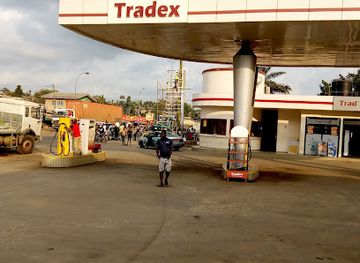
Tradex Édéa
Tradex Édéa: The Convenient Gas Station and Store for Travelers in Édéa, Cameroon.
17 min walk · 1.4 km from city centre
-
Electronics store
Djimi Résolution
Discover the latest in electronics at Djimi Résolution, Edea's go-to spot for tech enthusiasts and casual shoppers alike.
13 min walk · 1.0 km from city centre
-
Housing complex
Edea
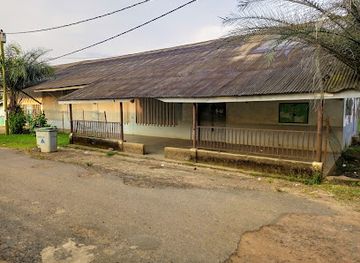
Discover the vibrant community of Edea, a housing complex in Cameroon that offers local culture, modern amenities, and a welcoming atmosphere for travelers.
5 min drive · 1.6 km from city centre

Get your free copy of our complete guide to Edea, delivered straight to you.
Everything on this page, from attractions and restaurants to essentials and local phrases, in one PDF you can read offline, print or share.
Already have an account? Sign in
Your Edea guide is ready.
We'll send it to · Not you? Sign out

Getting your guide ready…
We are putting together a fresh copy of the Edea guide. This can take up to a minute.
This can take a few moments. If your browser asks, choose Allow so the download can start. You'll find the guide in your Downloads folder.
Nothing happened? Download it again
Sorry, the guide is taking longer than usual. Please try again in a minute, or get it by email instead.
Edea essentials
Currency and Payment
Safety
Emergency Situations
Do's and Don'ts
Local Tips
From Eve
Local phrases worth knowing
You don't need to get them perfect. A few words go a long way, and locals appreciate the effort.
Basics
| English | Local | Say it |
|---|---|---|
| Hello | Mbote | [m-boh-teh] |
| Goodbye | Adieu | [ah-dyoo] |
| Yes | Eh | [eh] |
| No | Mba | [mbah] |
| Please/You're welcome | Mboté | [m-boh-teh] |
| Thank you | Molamu | [mo-lah-moo] |
| Excuse me/Sorry | Nkem | [n-kem] |
| How are you? | Santé? | [sahn-teh] |
| Fine. And you? | Mélan. Na awa no? | [meh-lahn. nah ah-wah noh] |
| Do you speak English? | Oh kosa lingala? | [oh koh-sah lin-gah-lah] |
| I don't understand | Sala mabe | [sah-lah mah-beh] |
Eating & Drinking
| English | Local | Say it |
|---|---|---|
| I'd like to see the menu, please | Na longola meni, tosali | [nah lohn-goh-lah meh-nee, toh-sah-lee] |
| I don't eat meat | Na koki kanda | [nah koh-kee kahn-dah] |
| Cheers! | Awa | [ah-wah] |
| I would like to pay, please | Na longola kwiti, tosali | [nah lohn-goh-lah kwee-tee, toh-sah-lee] |
Emergencies
| English | Local | Say it |
|---|---|---|
| Help! | Mboté! | [m-boh-teh!] |
| Go away! | Suka! | [soo-kah!] |
| Call the Police! | Sala polisu! | [sah-lah poh-lee-soo!] |
| Call a doctor! | Sala dokita! | [sah-lah doh-kee-tah!] |
| I'm lost | Na kònsa | [nah kohn-sah] |
| I'm ill | Na ndolo | [nah n-doh-loh] |
Shopping
| English | Local | Say it |
|---|---|---|
| I'd like to buy... | Na longola... | [nah lohn-goh-lah...] |
| I'm just looking | Na belekela | [nah beh-leh-keh-lah] |
| How much is it? | Mboté na kati? | [m-boh-teh nah kah-tee] |
| That's too expensive | Mboté na cher | [m-boh-teh nah shair] |
| Can you lower the price? | O kati wuti? | [oh kah-tee woo-tee] |
Time & Numbers
| English | Local | Say it |
|---|---|---|
| What time is it? | Na kati wuti? | [nah kah-tee woo-tee] |
| It's one o'clock | Wuti mo | [woo-tee moh] |
| Half past (10) | Na mbole (10) | [nah m-boh-leh (10)] |
| Morning | Mboté | [m-boh-teh] |
| Afternoon | Mboté | [m-boh-teh] |
| Evening | Mboté | [m-boh-teh] |
| Yesterday | Tolo | [toh-loh] |
| Today | Soki | [soh-kee] |
| Tomorrow | Mboté | [m-boh-teh] |
| 1 | Mo | [moh] |
| 2 | Mbè | [m-beh] |
| 3 | Mèsè | [meh-seh] |
| 4 | Sì | [see] |
| 5 | Sàmè | [sah-meh] |
| 6 | Sì | [see] |
| 7 | Sàmè | [sah-meh] |
| 8 | Nànè | [nah-neh] |
| 9 | Mbuà | [m-bwah] |
| 10 | Mètà | [meh-tah] |
Transport & Directions
| English | Local | Say it |
|---|---|---|
| Where's a/the...? | Kotè na... | [koh-teh nah...] |
| What's the address? | Adrési na ndutu? | [ah-dreh-see nah ndoo-too] |
| Can you show me (on the map)? | O kati longola mwa? | [oh kah-tee lohn-goh-lah mwah] |
| When's the next (bus)? | Na kati wuti busi? | [nah kah-tee woo-tee boo-see] |
| A ticket (to ....) | Tikè (na ....) | [tee-keh (nah ....)] |
History of Edea
Sanaga Communities Before Colonial Rule
Long before Edea became an industrial town, communities living along the Sanaga organised their lives around fishing, farming, river crossings and exchange. The river was both a resource and a transport corridor, linking settlements across the wider Littoral interior. Local histories include the presence of Sanaga-speaking peoples and other communities whose movements and relationships shaped the region. As elsewhere in Cameroon, the historical record combines oral traditions, archaeology and later written accounts, so the early development of the settlement should not be reduced to a single founding date. The Sanaga remains central to Edea's identity, and the city's modern importance still rests on the same geographical advantages that supported earlier settlement: water, fertile surroundings and a position between the coast and inland Cameroon.
German Colonial Administration
Edea was incorporated into the German colonial sphere during the late nineteenth and early twentieth centuries, when Germany consolidated control over Kamerun and developed administrative and commercial routes through the territory. Colonial rule brought new taxation systems, forced labour practices and forms of territorial control that altered local economies and authority. The Sanaga corridor became increasingly important for the movement of agricultural goods and officials between the coast and the interior. German rule ended during the First World War, after which Cameroon was divided into League of Nations mandates administered by France and Britain. Edea subsequently fell within the French-administered part of the territory, leaving colonial-era transport and administrative patterns that continued to influence its later urban growth.
Railway and Regional Connectivity
The development of rail and road connections through Edea strengthened its role as a link between Douala and the interior. Transport infrastructure made it easier to move people, agricultural products and industrial materials, while also drawing workers and traders towards the town. The railway connection formed part of the broader Douala–Yaounde route and helped establish Edea as more than a river settlement. Such infrastructure was created within a colonial economy designed primarily to extract and transport resources, but after independence it became part of Cameroon's national network. The city's location on the main corridor remains one of its defining practical characteristics, with long-distance road traffic and regional commerce continuing to shape its everyday life.
The Sanaga Hydroelectric Project
Edea's decisive transformation came with the construction of hydroelectric infrastructure on the Sanaga during the colonial period. The first major plant began operating in the 1950s, providing electricity for industrial development and urban consumption. After Cameroon's independence in 1960, the facilities continued to be expanded and integrated into the national power system. The dams altered the river's flow and created a new relationship between the town, engineering and the landscape. Hydropower made Edea a strategic energy centre, while the associated technical workforce and infrastructure changed its social and economic profile. The complex is therefore not simply a utility: it is a visible chapter in the history of Cameroon's industrialisation and state-building.
Aluminium and Contemporary Edea
The establishment of the Alucam aluminium plant in the 1950s connected Edea's electricity production directly to industrial manufacturing. Aluminium production became one of the city's most recognisable economic activities and tied local fortunes to national energy policy, international investment and the wider industrial economy. The plant and hydroelectric facilities helped generate employment and urban expansion, although they also made Edea dependent on large-scale infrastructure rather than a broad range of sectors. Contemporary Edea combines this industrial legacy with market trade, transport services, agriculture and river-based livelihoods. Its identity today is consequently shaped by both the Sanaga's older cultural importance and the modern infrastructure built to harness its power.
Edea in Photos
Browse through our photo collection highlighting the charm and character of the destination.
Cities near Edea
The closest cities to Edea, if you have time for more than one stop.
-

-

-

-

-


Swipe for more cities
Explore more

Explore more of Cameroon
Discover Cameroon: A Land of Diverse Landscapes, Rich Cultural Heritage, and Unforgettable Adventures in the Heart of Africa.
Explore Cameroon