

Donga River, North Region Travel Guide
Explore the Donga River, a natural border and vital waterway connecting Cameroon and Nigeria, rich in biodiversity and cultural significance.
The Donga River, a significant watercourse in Central Africa, originates in the Mambilla Plateau of Eastern Nigeria and carves its way northwest, forming a natural border between Nigeria and Cameroon before merging with the Benue River. Its watershed is a vital ecological zone supporting diverse flora and fauna.
A brief summary to Donga River
- CM

Know before you go
Hi, I'm Eve. Here are a few practical things to know before exploring Donga River.
- Engage with local communities to learn about traditional fishing practices and agricultural activities along the river.
- Visit the nearby forest reserves of Baissa, Amboi, and Bissaula River to experience the region's biodiversity.
- Be mindful of the environmental challenges facing the river and support local conservation efforts.
Do you manage this location?
Take control to get all the benefits, like improved information, better appearance, and stronger visibility across AI-powered discovery. Learn more
Activate your presenceOther nearby places you may find interesting
The closest places of the same kind, if this one is not quite what you had in mind.
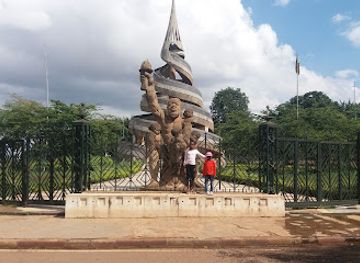
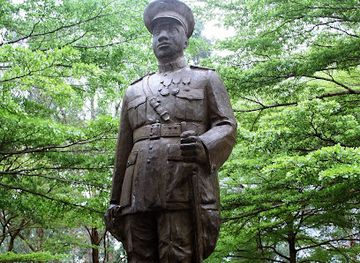

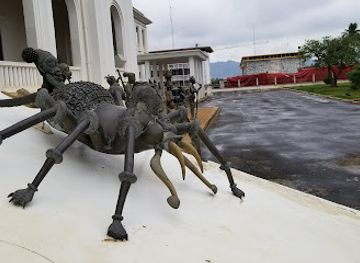
Explore Donga River on the Map
A handpicked selection of must-see spots near Donga River, mapped for you.
Getting There
-
Public Transport
From Bertoua, Cameroon, take a taxi to Dja and Lobo (approx. 2,500 CFA francs). From there, hire a local taxi or motorcycle taxi (benskin) to the Donga River (approx. 1,500 CFA francs). Ensure clear communication with the driver regarding your destination.
Discover more about Donga River













Your all‑in‑one travel companion app
Explore expert travel guides, compare and book tours, experiences, hotels, and more—all from the palm of your hand. Download now for seamless trip planning wherever your wanderlust takes you.


Explore More of North Region
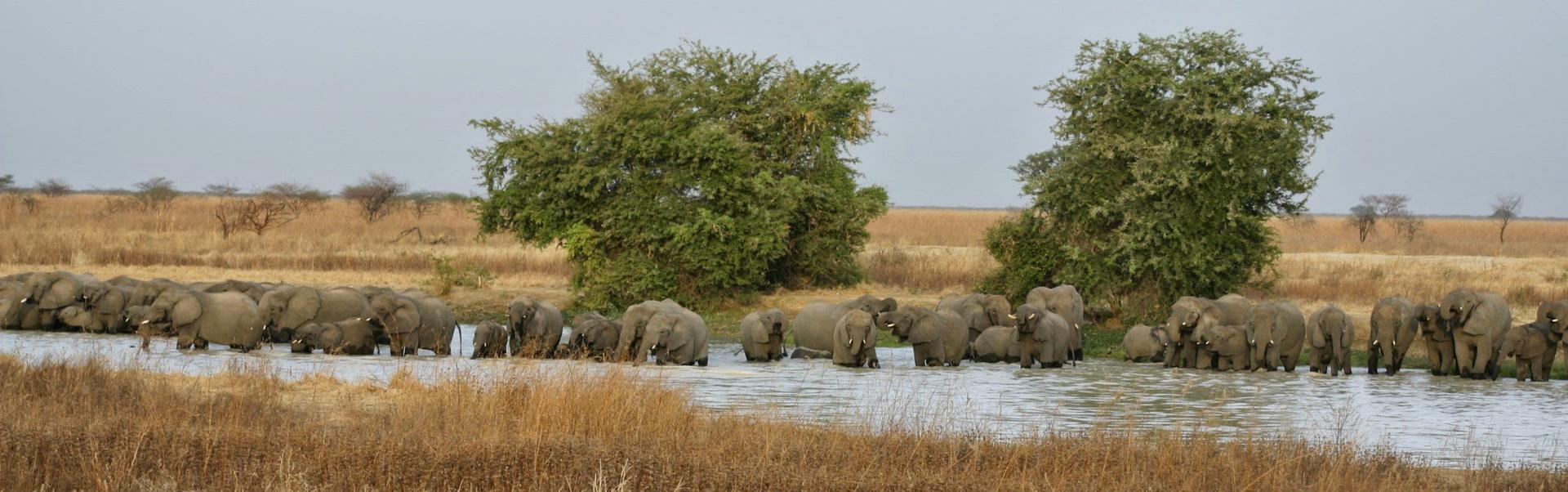
Looking beyond Donga River? Discover North Region for broader travel guides, local hot-spots, and regional highlights.
Explore North Region
Discover the breathtaking vistas, rich biodiversity, and serene landscapes of Nigeria's Cameroons Highlands in Taraba region.
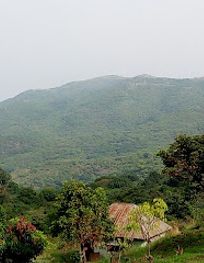
Discover Nigeria's hidden gem: Ngel Nyaki Forest Reserve, a haven for biodiversity and stunning natural beauty on the Mambilla Plateau.
