

Free North Region Travel Guide & Mobile App
Explore North Region with free travel guides. Discover regional history, expert tips, proposed trips, and audio guides on web or mobile app.


Explore Cameroon's North Region for Benue River scenery, savannah wildlife, royal traditions, craft markets and carefully planned wilderness journeys.
Read more about North Region
When is the best time to visit North Region?
Best: December–February · 26–28°C| Month | High (°C) | Rainfall (mm) |
|---|---|---|
| January (best) | 26 | 2 |
| February (best) | 28 | 5 |
| March | 30 | 20 |
| April | 31 | 30 |
| May | 32 | 40 |
| June | 33 | 50 |
| July | 33 | 60 |
| August | 32 | 60 |
| September | 32 | 50 |
| October | 30 | 40 |
| November | 28 | 20 |
| December (best) | 26 | 10 |
Getting to and around North Region
How to get there
Transportation
Top city travel guides in North Region
The cities of North Region, and the easiest places to base yourself.

Swipe for more cities
Best attractions in North Region
The North Region's attractions are spread across a large savannah territory rather than concentrated in one urban centre. Garoua offers the easiest introduction, with markets, riverfront perspectives, regional food and access to local cultural life. Benoue National Park is the best-known wildlife destination, where guided drives and carefully managed excursions explore savannah, gallery woodland and watercourses inhabited by elephants, buffalo, antelope, hippopotamuses and a variety of birdlife. Bouba Ndjida National Park and Faro National Park provide more remote wilderness experiences, with different combinations of wooded plains, rocky terrain and seasonal rivers. Access, accommodation and conservation arrangements vary, so advance planning is important. Lagdo Lake adds a broad inland-water landscape suited to scenic observation and fishing-related cultural encounters rather than conventional beach tourism. Guider's rocky surroundings contrast with the open plains, while the traditional centre of Rey-Bouba provides insight into northern political and ceremonial history. Across the region, village markets, cotton-growing landscapes, craft production and river communities offer cultural context, but visits should be arranged respectfully and locally. The principal attraction is the relationship between wildlife, water, traditional institutions and the seasonal savannah environment.
-
Zoo
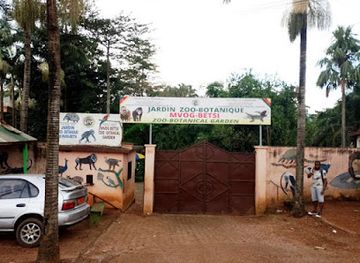
Mvog-Betsi Botanical Zoological Garden
Explore the lush landscapes and diverse wildlife at Mvog-Betsi Botanical Zoological Garden in Yaoundé, Cameroon, a perfect getaway for nature lovers.
-
Garden
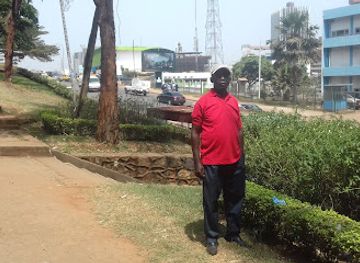
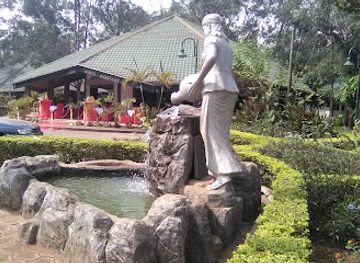
rond point Damas
Explore the lush greenery and tranquil ambiance of Rond Point Damas, a serene garden oasis in the heart of Yaoundé, Cameroon.
-
Historical landmark
Statue of Charles Atangana
Explore the Statue of Charles Atangana in Yaoundé, a historical landmark celebrating Cameroon's rich legacy and vibrant culture.
-
Tourist attraction
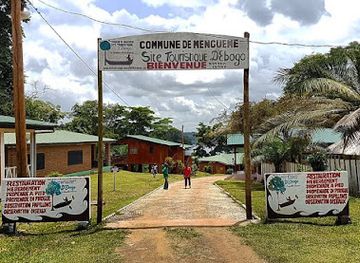
Site Touristique D'EBOGO
Explore the natural beauty of Site Touristique D'EBOGO, a lush paradise in Ebogo, perfect for nature lovers and adventure seekers looking for tranquility.
Best landmarks in North Region
Garoua's position on the Benue River is the region's defining urban landmark, linking the city to fishing, seasonal transport and the agricultural plain around it. The Benue itself is a geographical and economic landmark, changing character markedly between the rainy and dry seasons. Lagdo Dam and its extensive reservoir represent a major modern engineering intervention that reshaped water use, electricity generation, fisheries and settlement patterns in the surrounding area. In Rey-Bouba, the historic lamidate and royal compound are important symbols of the traditional political order that developed in northern Cameroon; visits should be arranged respectfully and local permissions or guidance may be appropriate. Benoue National Park is also a landmark in the broader geographical sense, representing one of Cameroon's principal protected savannah landscapes, with wooded plains and river corridors rather than a single monument. The rocky terrain around Guider provides a visual counterpoint to the broad grasslands, while the more rugged Faro area reflects the transitional landscape near the western and northern frontiers. Together these places express the region's principal themes: river, reservoir, savannah, traditional authority and a long history of movement across northern Cameroon.
-
Museum
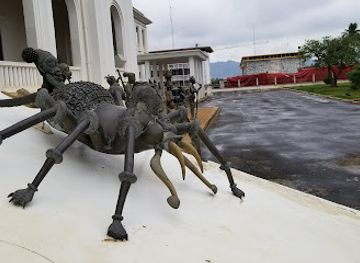
National Museum
Discover Cameroon's cultural heart at the National Museum in Yaoundé, showcasing the nation's diverse heritage and artistic traditions.
-
Restaurant
Bois Sainte Anastasie
Discover tranquility in Yaoundé at Bois Sainte Anastasie: a green escape with art, nature, and delicious Cameroonian cuisine.
-
Cultural landmark
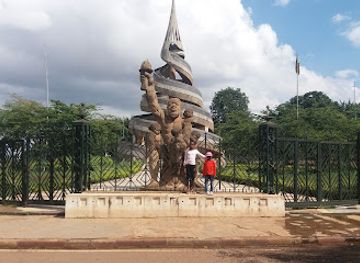
Cameroon Reunification Monument
Discover the Reunification Monument in Yaoundé, a symbol of Cameroon's unified history and cultural heritage, reflecting the nation's journey to independence.
-
Shopping mall
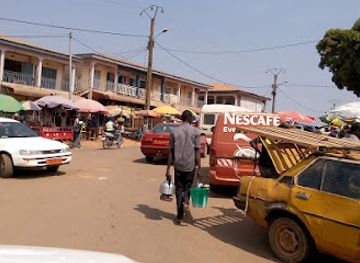
Petit Marché
Experience the vibrant culture and commerce of Ngaoundere at Petit Marché, a bustling marketplace in the heart of the city.
Explore North Region on the map
Plan your trip on one map. See where the top cities, national parks and sights are, and book hotels and experiences in a few clicks.
Best hotels in North Region
Best restaurants in North Region
Dining in the North Region is rooted in the ingredients and cooking practices of the savannah and Benue basin. Garoua has the widest choice of restaurants, cafés, hotel dining rooms and informal food stalls, while smaller towns offer simpler meals and market cooking. Common foods include millet, sorghum, maize, rice, beans, groundnuts, grilled meat, fish from the Benue and Lagdo area, and sauces prepared with vegetables, leaves or spices. Fulani and broader northern culinary influences are apparent in dishes featuring milk, beef and grains, although recipes and names vary between communities. Street-side grills and small local eateries can provide useful introductions to everyday food, but visitors should choose busy premises with good turnover and take care with untreated water and raw ingredients. Seasonal produce changes with the rains, and cotton-growing districts connect food markets with the region's agricultural economy. Larger hotels may offer more familiar international dishes, but the most distinctive meals are generally found through locally recommended kitchens and market areas rather than formal dining alone.
-
Restaurant
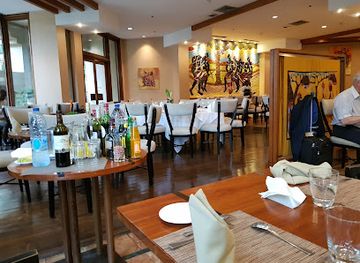
Le Safoutier Restaurant
Experience exquisite dining at Le Safoutier Restaurant in Hilton Yaoundé, where local flavors meet international cuisine in an elegant setting.
-
Restaurant
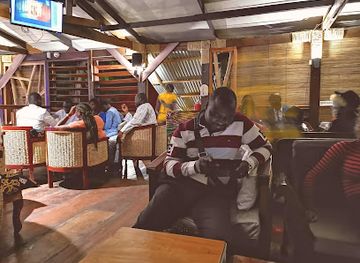
Boukarou Lounge
Experience the best of Cameroonian cuisine and vibrant nightlife at Boukarou Lounge in Yaoundé.
-
Restaurant
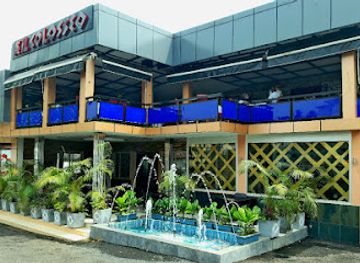
Restaurant "Le Colisée", Yaoundé
Experience the vibrant culinary scene at Restaurant Le Colisée in Yaoundé – where delicious pizza meets delightful sundaes and fine wines.
-
Restaurant
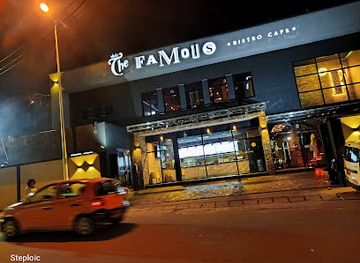
The Famous
Experience the exquisite flavors of Cameroon at The Famous restaurant in Yaoundé - where culinary artistry meets vibrant culture.
Best bars in North Region
Evening life in the North Region is concentrated in Garoua and larger towns, where hotel bars, cafés, restaurants and modest local venues provide places to meet after dark. Traditional beer halls and informal food-and-drink settings may be more representative of everyday social life than dedicated nightclubs, while music tends to range from northern Cameroonian styles to widely popular national and international recordings. Outside the main urban centres, nightlife is limited and often ends early, with families, markets and community gatherings shaping the evening more than club culture. Travellers should use reputable venues, arrange transport in advance and avoid walking unfamiliar roads late at night. Alcohol is not necessary for engaging with local culture, and visitors should be sensitive to the more conservative social norms found in many rural and Muslim-majority communities. In wildlife areas and remote settlements, evenings are primarily for rest, camp routines and appreciating the quiet landscape rather than entertainment venues.
-
Brasserie
Brasseries
Experience the heart of Cameroonian cuisine at Brasseries in Garoua, where local flavors and vibrant atmosphere meet.
-
Restaurant
Restaurant LA TERRASSE
Experience the rich flavors of Cameroon at Restaurant LA TERRASSE, where local ingredients meet international culinary traditions.
-
Restaurant
Caïman village
Experience the flavors of Cameroon at Caïman Village, a vibrant restaurant in Garoua offering delightful local dishes and a lively atmosphere.
-
Bar
ROUMDE CITY ( my collabo bar ancien )
Experience the vibrant nightlife and local culture at Roumde City, Garoua's beloved bar for tourists and locals alike.
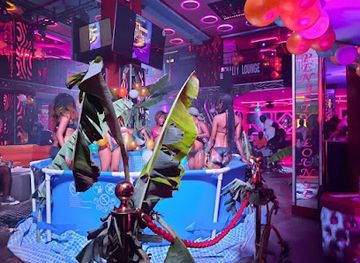
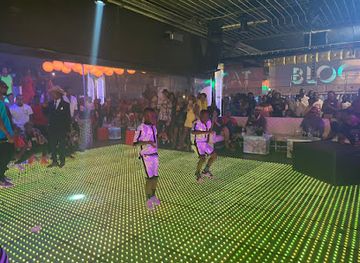
Best nightclubs in North Region
Evening life in the North Region is concentrated in Garoua and larger towns, where hotel bars, cafés, restaurants and modest local venues provide places to meet after dark. Traditional beer halls and informal food-and-drink settings may be more representative of everyday social life than dedicated nightclubs, while music tends to range from northern Cameroonian styles to widely popular national and international recordings. Outside the main urban centres, nightlife is limited and often ends early, with families, markets and community gatherings shaping the evening more than club culture. Travellers should use reputable venues, arrange transport in advance and avoid walking unfamiliar roads late at night. Alcohol is not necessary for engaging with local culture, and visitors should be sensitive to the more conservative social norms found in many rural and Muslim-majority communities. In wildlife areas and remote settlements, evenings are primarily for rest, camp routines and appreciating the quiet landscape rather than entertainment venues.
-
Night club
Sanza Night Club, Yaoundé
Discover the heartbeat of Yaoundé's nightlife at Sanza Night Club, where local and international music create unforgettable memories.
-
Disco club
Le Penalty Lounge
Discover the vibrant nightlife at Le Penalty Lounge in Yaoundé, where local culture meets a lively disco experience.
-
Disco club
Katios Night Club Yaoundé
Discover the vibrant nightlife at Katios Night Club Yaoundé, where music, dancing, and unforgettable moments await every night.
-
Disco club
Byblos Nightclub
Discover Douala's nightlife at Byblos Nightclub, where music, dancing, and vibrant ambiance create unforgettable experiences for tourists.

Best shops in North Region
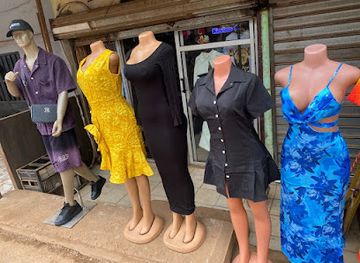
Shopping in the North Region is centred on Garoua's markets and the market towns that serve surrounding farming and pastoral communities. Visitors may find locally woven textiles, leather goods, baskets, pottery, carved objects and practical household items, although quality and availability vary and bargaining is customary in informal markets rather than in every shop. Cotton is particularly associated with the regional economy, and fabric, clothing and woven products can provide a more meaningful souvenir than imported goods. Markets also sell millet, sorghum, groundnuts, dried foods, spices and other produce, but travellers should check customs rules before carrying agricultural products across borders. In smaller settlements, shopping is primarily functional, while Garoua has more established provisions, pharmacies, mobile-phone outlets and general retailers. Craft purchases should be made respectfully and without treating traditional objects as curiosities detached from their makers. Ask permission before photographing stalls or artisans, carry cash in small denominations and protect purchases from dust and heat during overland journeys.
-
Dress store
Mirror nice shopping ️
Explore the ultimate shopping destination in Yaoundé at Mirror Nice Shopping, featuring a wide array of clothing and accessories for all ages.
-
Shopping mall
boutique
Explore a unique blend of local and international shopping at this charming boutique mall, a cultural hub for tourists in the city.
-
Shopping mall
MARCHE PERIODIQUE DE OURO LABO
Discover the lively Marche Periodique de Ouro Labo in Garoua, a shopping destination filled with local culture, fresh produce, and unique crafts.
-
Duty free store
EGLISE BIBLIQUE DE GRÂCE DU CAMEROUN (YELWA)
Explore the Eglise Biblique de Grâce du Cameroun in Garoua for a unique blend of spirituality and community culture.


Get your free copy of our complete guide to North Region, delivered straight to you.
Everything on this page, from attractions and restaurants to essentials and local phrases, in one PDF you can read offline, print or share.
Already have an account? Sign in
Your North Region guide is ready.
We'll send it to · Not you? Sign out

Getting your guide ready…
We are putting together a fresh copy of the North Region guide. This can take up to a minute.
This can take a few moments. If your browser asks, choose Allow so the download can start. You'll find the guide in your Downloads folder.
Nothing happened? Download it again
Sorry, the guide is taking longer than usual. Please try again in a minute, or get it by email instead.
North Region essentials
Currency and Payment
Safety
Emergency Situations
Do's and Don'ts
Local Tips
From Eve
Local phrases worth knowing
You don't need to get them perfect. A few words go a long way, and locals appreciate the effort.
Basics
| English | Local | Say it |
|---|---|---|
| Hello | Bonjour | [bawn-zhoor] |
| Goodbye | Au revoir | [oh ruh-vwahr] |
| Yes | Oui | [wee] |
| No | Non | [noh] |
| Please/You're welcome | S'il vous plaît | [seel voo pleh] |
| Thank you | Merci | [mehr-see] |
| Excuse me/Sorry | Excusez-moi | [ex-kew-zay mwah] |
| How are you? | Comment ça va? | [koh-mahn sah vah] |
| Fine. And you? | Bien. Et vous? | [byehn. eh voo] |
| Do you speak English? | Parlez-vous anglais? | [par-lay voo ahn-glay] |
| I don't understand | Je ne comprends pas | [zhuh nuh kohm-prahn pah] |
Eating & Drinking
| English | Local | Say it |
|---|---|---|
| I'd like to see the menu, please | Je voudrais voir le menu, s'il vous plaît | [zhuh voo-dray vwar luh meh-nu, seel voo pleh] |
| I don't eat meat | Je ne mange pas de viande | [zhuh nuh mahnzh pah duh vyahnd] |
| Cheers! | Santé! | [sahn-tay] |
| I would like to pay, please | Je voudrais payer, s'il vous plaît | [zhuh voo-dray pay-ay, seel voo pleh] |
Emergencies
| English | Local | Say it |
|---|---|---|
| Help! | Au secours! | [oh suh-koor] |
| Go away! | Allez-vous-en! | [ah-lay voo-zahn] |
| Call the Police! | Appelez la police! | [ah-peh-lay lah poh-lees] |
| Call a doctor! | Appelez un médecin! | [ah-peh-lay uhn may-deh-seen] |
| I'm lost | Je suis perdu | [zhuh swee pair-doo] |
| I'm ill | Je suis malade | [zhuh swee mah-lahd] |
Shopping
| English | Local | Say it |
|---|---|---|
| I'd like to buy... | Je voudrais acheter... | [zhuh voo-dray ah-sheh-tay] |
| I'm just looking | Je regarde juste | [zhuh ruh-gard zhoost] |
| How much is it? | C'est combien? | [say kohm-byen] |
| That's too expensive | C'est trop cher | [say troh shair] |
| Can you lower the price? | Pouvez-vous baisser le prix? | [poo-vay voo beh-say luh pree] |
Time & Numbers
| English | Local | Say it |
|---|---|---|
| What time is it? | Quelle heure est-il? | [kel uhr eh-teel] |
| It's one o'clock | Il est une heure | [eel eh ewn uhr] |
| Half past (10) | Dix heures et demie | [dees uhr eh duh-mee] |
| Morning | Matin | [mah-tan] |
| Afternoon | Après-midi | [ah-pray mee-dee] |
| Evening | Soir | [swahr] |
| Yesterday | Hier | [ee-air] |
| Today | Aujourd'hui | [oh-zhoor-dwee] |
| Tomorrow | Demain | [duh-manh] |
| 1 | Un | [uhn] |
| 2 | Deux | [duhr] |
| 3 | Trois | [trwah] |
| 4 | Quatre | [katr] |
| 5 | Cinq | [sank] |
| 6 | Six | [sees] |
| 7 | Sept | [set] |
| 8 | Huit | [weet] |
| 9 | Neuf | [nurf] |
| 10 | Dix | [dees] |
Transport & Directions
| English | Local | Say it |
|---|---|---|
| Where's a/the...? | Où est un/une...? | [oo eh uhn/oon] |
| What's the address? | Quelle est l'adresse? | [kel eh la-dress] |
| Can you show me (on the map)? | Pouvez-vous me montrer (sur la carte)? | [poo-vay voo muh mohn-tray (sur lah kart)] |
| When's the next (bus)? | Quand est le prochain (bus)? | [kahn eh luh pro-shen (bus)] |
| A ticket (to ....) | Un billet (pour ....) | [uhn bee-yay (poor ....)] |
History of North Region
Sao and early northern settlement
The wider Lake Chad and Benue basin was shaped by ancient communities commonly associated with the Sao cultural tradition, whose settlements, crafts and burial practices are known through archaeology and historical records. Although the best-known Sao sites lie farther north around the Lake Chad basin, their wider commercial and cultural world influenced the northern parts of present-day Cameroon. Rivers, seasonal grazing and long-distance exchange helped connect communities across what is now the North Region, creating a historical landscape that long predates modern administrative borders.
Trade routes and Islamic influence
For centuries, northern Cameroon formed part of networks linking the Lake Chad basin, the Hausa states, the Benue valley and markets farther south. Traders moved livestock, leather, textiles, grain and other goods along routes that followed rivers and seasonal water sources. Islam spread through commerce, scholarship and political relationships rather than through a single regional event, becoming particularly influential among Fulani and other northern communities. These connections helped establish towns and ruling institutions whose legacies remain visible in local authority, architecture and religious life.
Fulani expansion and the lamidates
During the nineteenth century, Fulani political expansion reshaped much of northern Cameroon. Lamidates emerged or consolidated as centres of authority, combining Islamic prestige, taxation, military power and control over pastoral and agricultural territories. The North Region's historic lamidates, including Rey-Bouba, became important political institutions and remain culturally significant today, even though their powers operate within the modern Cameroonian state. Their influence can be seen in ceremonial traditions, settlement patterns and the continued importance of traditional rulers.
German rule and the colonial frontier
German colonial forces claimed Cameroon in the late nineteenth century and gradually extended their authority northwards through military expeditions and administrative agreements. Control was uneven, and local rulers remained important intermediaries in many areas. After Germany's defeat in the First World War, Cameroon was divided into League of Nations mandates administered by France and Britain. Most of the present North Region fell within French-administered Cameroon, bringing new systems of taxation, territorial administration, schooling and transport while preserving many earlier structures of local authority.
Cotton, roads and post-war development
From the colonial period into the era after independence in 1960, cotton became one of the North's most important commercial crops. Its cultivation linked smallholder agriculture to processing, transport and national markets, particularly around the Benue valley and Garoua. Road building, public administration and irrigation schemes also altered the region's economy, while pastoralism, fishing and food cropping continued alongside commercial agriculture. The resulting landscape is neither solely rural nor industrial: it reflects a continuing negotiation between seasonal livelihoods, market production and environmental limits.
Garoua and the modern regional economy
Since independence, Garoua has developed as the North Region's administrative, commercial and transport centre. The city serves agricultural hinterlands, river traffic and routes towards the national parks and neighbouring regions. The construction of the Lagdo Dam created a major reservoir and supported ambitions for electricity generation and irrigated agriculture, while also changing local fisheries, settlement patterns and land use. Contemporary northern Cameroon continues to combine state institutions, traditional authorities, cross-border commerce, livestock, cotton, fishing and tourism within a region facing pressure from climate variability and uneven infrastructure.
North Region in Photos
Browse through our photo collection highlighting the charm and character of the destination.
Neighbouring regions of North Region
The closest regions to North Region, if you have time for more than one.
-

-

-

-

-


Swipe for more regions
Explore more

Explore more of Cameroon
Discover Cameroon: A Land of Diverse Landscapes, Rich Cultural Heritage, and Unforgettable Adventures in the Heart of Africa.
Explore Cameroon