Lunenburg Waterfront, Atlantic Canada Travel Guide
Explore Lunenburg Waterfront: A UNESCO World Heritage Site with colorful architecture, maritime history, and vibrant cultural experiences.
The Lunenburg Waterfront, a UNESCO World Heritage Site, showcases Nova Scotia's seafaring and boatbuilding traditions with colorful 18th- and 19th-century buildings. Visitors can explore shops, galleries, and restaurants while enjoying scenic harbor views and maritime history.
A brief summary to Lunenburg Waterfront
- Canada, 146 Bluenose Dr, Lunenburg, Nova Scotia, B0J 2C0, CA
- Click to display
- Click to display

Know before you go
Hi, I'm Eve. Here are a few practical things to know before exploring Lunenburg Waterfront.
- Explore the Fisheries Museum of the Atlantic to learn about the region's rich fishing heritage.
- Take a stroll along the waterfront to admire the colorful 18th- and 19th-century buildings.
- Visit the Lunenburg Waterfront Marina, a popular stop for sailors exploring the Atlantic coast.
- Check out local shops, art galleries, and restaurants for unique crafts and fresh seafood.
- Attend one of the waterfront's many festivals and events celebrating the town's culture.
Do you manage this location?
Take control to get all the benefits, like improved information, better appearance, and stronger visibility across AI-powered discovery. Learn more about listing your business on Evendo
Activate your presenceOther nearby places you may find interesting
The closest places of the same kind, if this one is not quite what you had in mind.
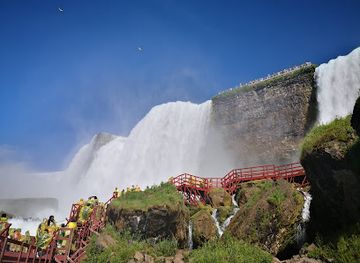


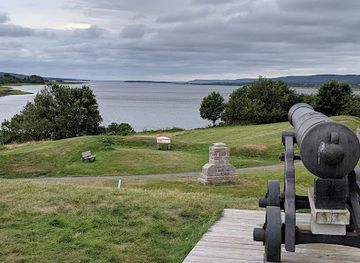
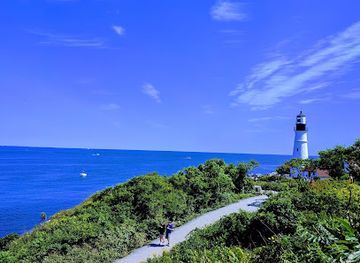
Explore Lunenburg Waterfront on the Map
A handpicked selection of must-see spots near Lunenburg Waterfront, mapped for you.
Getting There
-
Walking
From the Lunenburg Visitor Information Centre, walk east along Bluenose Drive, keeping the harbor to your right. The waterfront stretches along Bluenose Drive, offering easy access to shops, restaurants, and attractions. The Fisheries Museum of the Atlantic is a prominent landmark along the way. There are no costs associated with walking the waterfront.
-
Public Transport
From Halifax, Maritimebus provides bus service to Lunenburg. From the Lunenburg Esso bus stop, it's approximately a 10-minute walk to the waterfront. Follow Cornwallis Street to Bluenose Drive and head east. A one-way bus ticket from Halifax to Lunenburg costs approximately $20-$30. Local community transportation services like Lunenburg County Wheels also offer door-to-door service. Fares vary depending on distance, with trips within Lunenburg costing around $5.
-
Driving
From Halifax, take Highway 103 southwest to Lunenburg (approximately 1.5 hours). Follow the signs to the waterfront. Parking is available on the streets and in parking lots, including at the Fisheries Museum of the Atlantic. Metered parking is available along Bluenose Drive and the streets lining the waterfront. The Fisheries Museum of the Atlantic charges $4 upon exit of their parking lot. Be aware of one-way streets in the downtown area.
Discover more about Lunenburg Waterfront













Your all‑in‑one travel companion app
Explore expert travel guides, compare and book tours, experiences, hotels, and more—all from the palm of your hand. Download now for seamless trip planning wherever your wanderlust takes you.


Explore More of Atlantic Canada
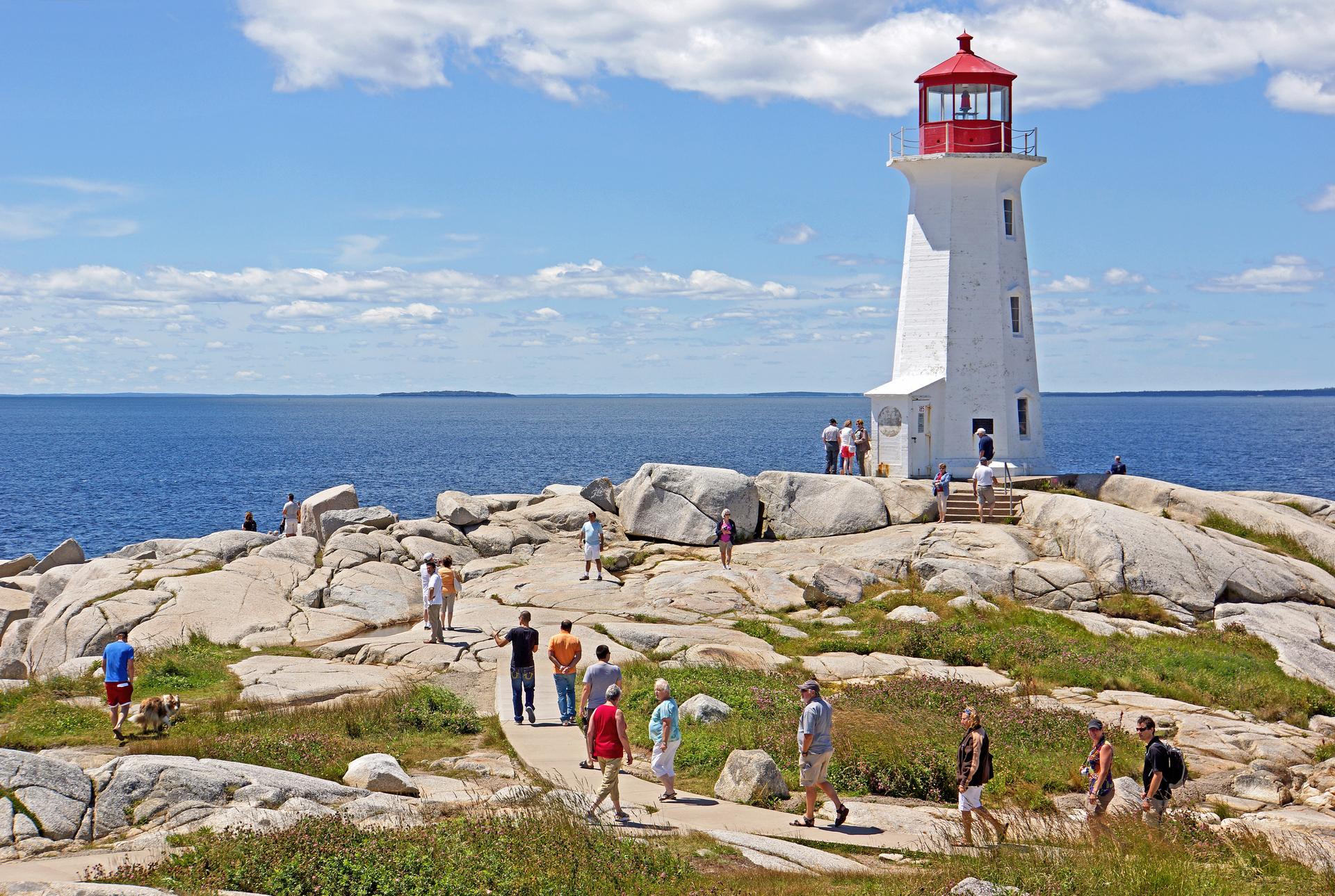
Looking beyond Lunenburg Waterfront? Discover Atlantic Canada for broader travel guides, local hot-spots, and regional highlights.
Explore Atlantic Canada
Explore the historic Betty Island Lighthouse in Terence Bay, NS, a serene escape into maritime history and natural beauty.
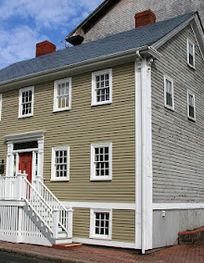
Explore Lunenburg's history at the Knaut-Rhuland House Museum, a preserved 18th-century home showcasing early life in this UNESCO World Heritage Site.