Cape Breton Highlands National Park: A Coastal Wilderness
Discover dramatic coastlines, highlands, and rich cultural heritage along the Cabot Trail in Cape Breton Highlands National Park.
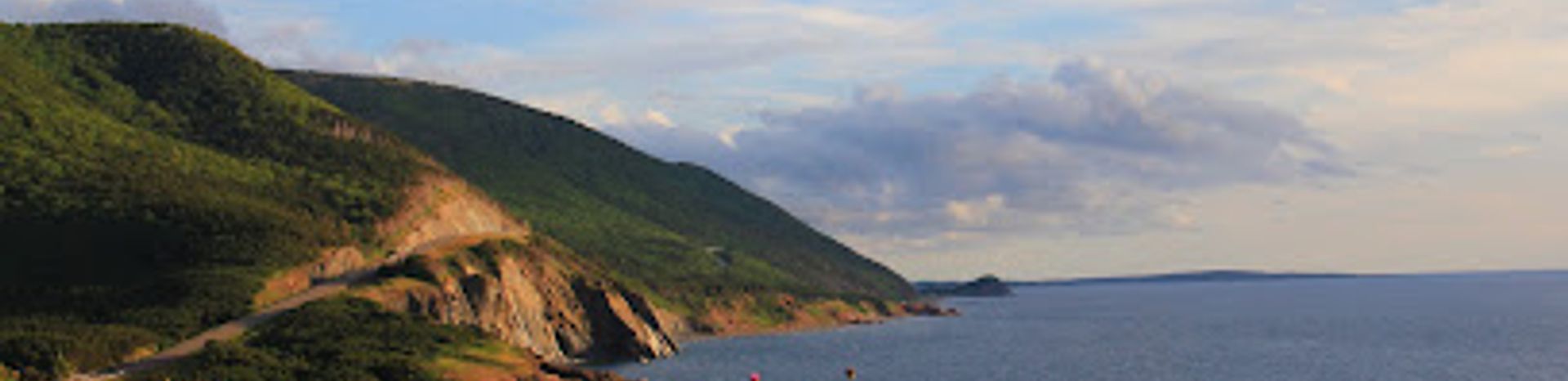
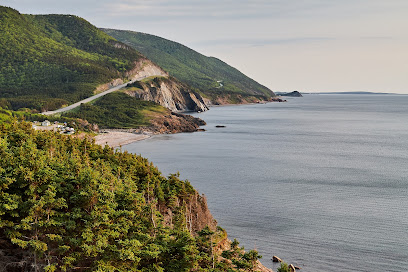
Cape Breton Highlands National Park, nestled on the northern tip of Cape Breton Island, Nova Scotia, is a stunning plateau of highlands and coastal wilderness. The Cabot Trail winds through it, offering breathtaking views, diverse hiking trails, and access to beaches along the Gulf of St. Lawrence and the Atlantic Ocean. Established in 1936, the park protects a unique blend of Acadian, Scottish, and Mi'kmaq heritage.
A brief summary to Cape Breton Highlands
- Victoria County, Nova Scotia, CA
Local tips
- Drive the Cabot Trail clockwise for ocean views on the driver's side.
- Purchase a park pass for access to hiking trails, lookouts, and other park services.
- Visit the Chéticamp or Ingonish Visitor Centres for maps, information, and safety tips.
- Be prepared for varying weather conditions, especially if hiking in the highlands.
- Take advantage of the free admission and discounted overnight stays offered by Parks Canada from June 20 to September 2, 2025.

Getting There
-
Driving
The primary access to Cape Breton Highlands National Park is via the Cabot Trail. The park has entrances near Chéticamp on the west side and Ingonish on the east side. From Halifax, the drive is approximately 5 hours. From Sydney, Nova Scotia, it's about a 2-hour drive. Once on Cape Breton Island via the Canso Causeway, follow the Trans Canada Highway 105 and then the Cabot Trail. The Cabot Trail loops around the park, offering access to various points of interest. Park passes are required for stopping and using park facilities. These can be purchased at the visitor centers in Chéticamp and Ingonish. Parking is available throughout the park at trailheads, lookouts, and campgrounds. Note: During the peak season, parking areas at popular attractions like the Skyline Trail can fill up quickly. Consider arriving early or visiting during off-peak hours.
-
Public Transport
While public transportation directly into Cape Breton Highlands National Park is limited, several transit options can get you to Cape Breton Island. Maritime Bus provides service to various locations on Cape Breton Island. From there, local transit options like Victoria County Transit or Cape Breton Shuttle Service may offer connections to communities closer to the park. Taxis and ride-sharing services are available in larger towns like Sydney, but availability within the park is limited. Typical costs: * Maritime Bus from Halifax to Sydney: Approximately $70 - $90. * Taxi from Sydney to Ingonish (eastern entrance): Approximately $150 - $200 (estimate). Note: Public transport options within the park itself are very limited. Consider renting a car to fully explore the area.
Discover more about Cape Breton Highlands
Iconic landmarks you can’t miss

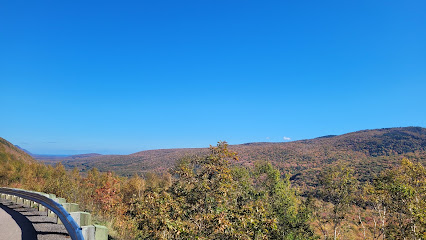
North Mountain look-off - The Aspy Fault
7.7 km
Breathtaking views of the Aspy Fault from North Mountain, a must-see stop along Cape Breton's Cabot Trail. Perfect for nature lovers and photographers.
Skyline Trail
21.6 km
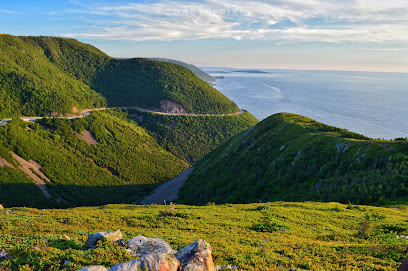
Hike Cape Breton's iconic Skyline Trail for breathtaking coastal views and unforgettable Highlands scenery. A must-see on the Cabot Trail.
White Point Trailhead
23.4 km
Explore scenic coastal trails with historic charm at White Point Trailhead near Dingwall, Cape Breton. Breathtaking views and natural beauty await!
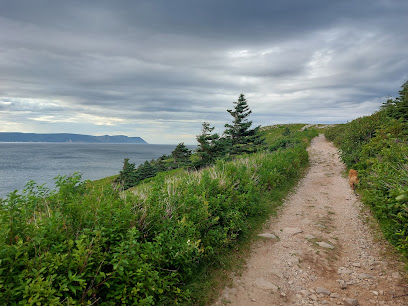
Skyline Trail Cape Breton Highland National Park
23.5 km
Hike the iconic Skyline Trail in Cape Breton Highlands National Park for breathtaking coastal views and unforgettable vistas.
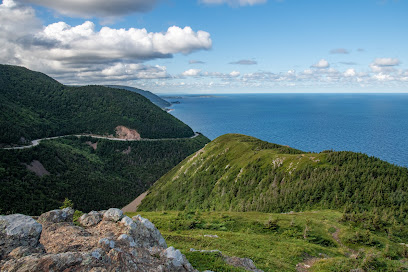
Corney Brook Trail
25.0 km
An easy, family-friendly hike through Acadian forest to a charming waterfall in Cape Breton Highlands National Park.
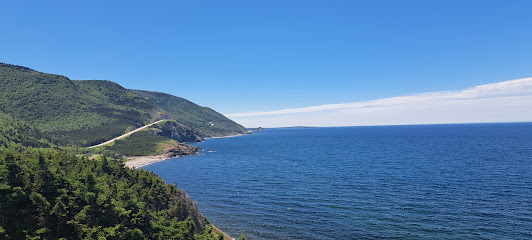
Kidston Island
73.7 km
Discover the serene beauty of Kidston Island, a hidden gem in Nova Scotia, perfect for nature lovers and those seeking tranquility.
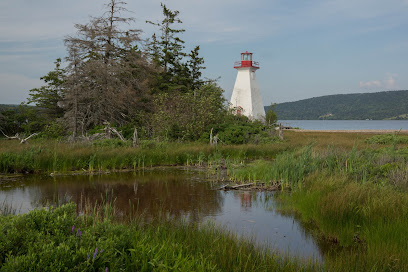
Unmissable attractions to see

Cape Breton Highlands National Park
4.2 km
Discover the natural wonders of Cape Breton Highlands National Park, where stunning views and outdoor adventures await in Nova Scotia's pristine wilderness.
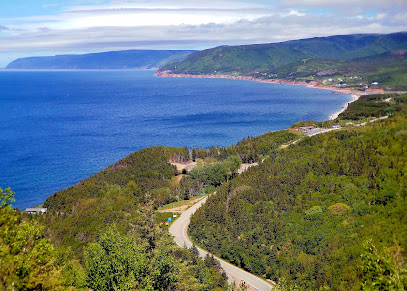
The Lone Shieling
12.3 km
Explore The Lone Shieling, a historical landmark in Nova Scotia, where nature meets rich Scottish heritage along the picturesque Cabot Trail.
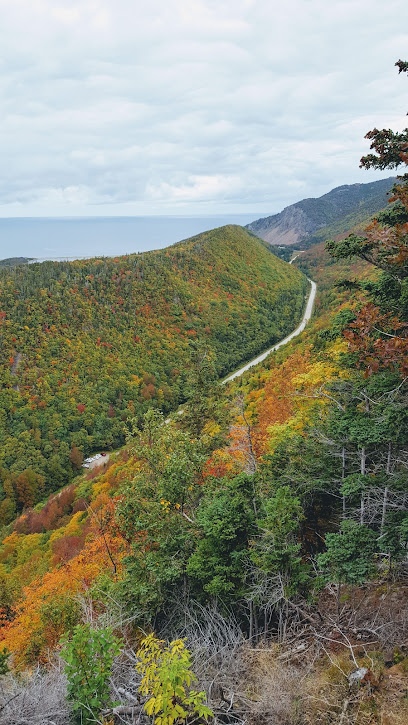
Cabot Trail
14.0 km
Discover the breathtaking Cabot Trail, a scenic route through Nova Scotia's stunning landscapes, charming towns, and vibrant culture.
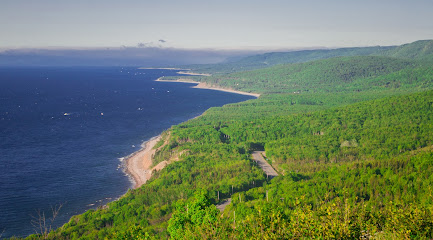
Bog Trailhead
17.5 km
Discover the serene beauty of the Bog Trailhead along the Cabot Trail, a must-visit hiking area in Nova Scotia, where nature and tranquility await.
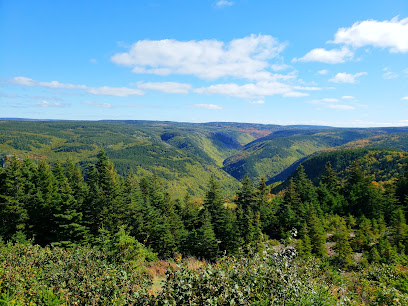
Whale Interpretive Centre
17.6 km
Explore the Whale Interpretive Centre in Pleasant Bay for an unforgettable journey into the world of whales and marine conservation.
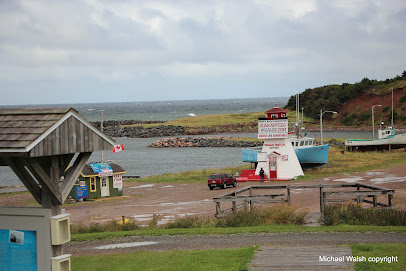
Gampo Abbey
17.6 km
Discover Gampo Abbey, a serene Buddhist temple in Nova Scotia, offering spiritual enrichment and stunning natural beauty near the Cape Breton Highlands.
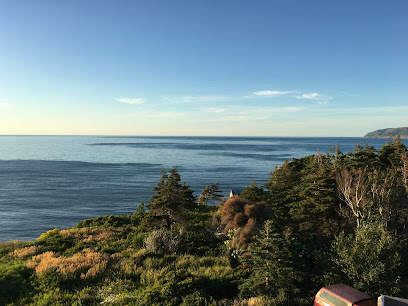
Lakies Head
20.3 km
Experience the stunning vistas and natural beauty of Lakies Head, a scenic gem along Nova Scotia's iconic Cabot Trail in Cape Breton Highlands National Park.
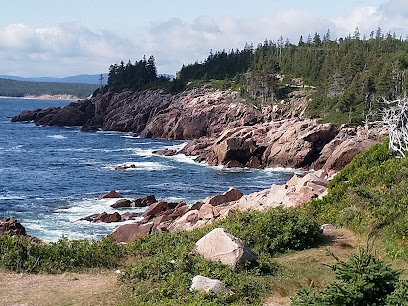
Middle Head Hiking Trail
20.8 km
Explore the breathtaking Middle Head Hiking Trail in Nova Scotia, a perfect blend of stunning coastal views and tranquil forest paths.
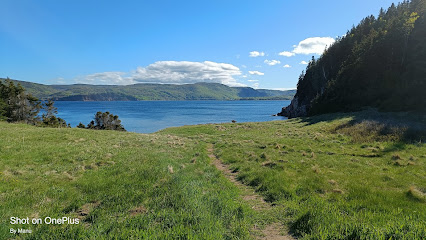
Ingonish Island
20.9 km
Explore Ingonish Island in Nova Scotia, where stunning landscapes meet outdoor adventures and rich cultural experiences await every traveler.
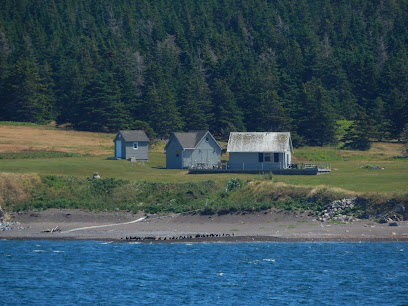
Skyline Trailhead
21.5 km
Experience the breathtaking views and rich wildlife of Skyline Trailhead in Cape Breton National Park, a must-visit hiking destination in Nova Scotia.
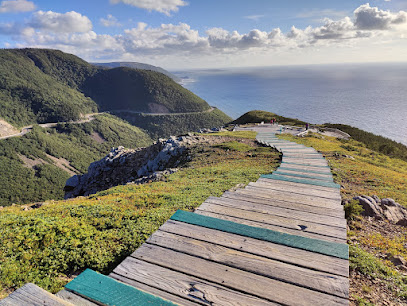
French Mountain
21.8 km
Discover the breathtaking beauty of French Mountain in Nova Scotia, where panoramic views and adventure await outdoor enthusiasts and nature lovers alike.
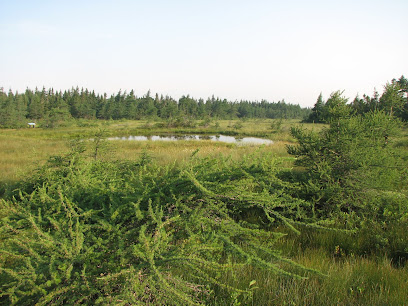
Neils Harbour lighthouse
22.2 km
Uncover the maritime history and breathtaking views at Neils Harbour Lighthouse, a hidden gem along the iconic Cabot Trail in Nova Scotia.
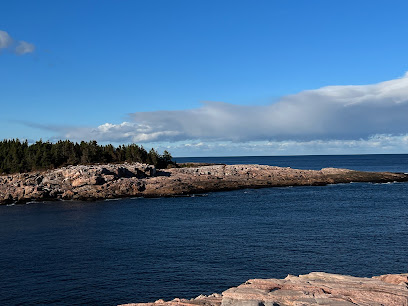
Cabots Landing Provincial Park
23.8 km
Explore the captivating Cabot's Landing Provincial Park, where natural beauty meets rich history in Nova Scotia's stunning coastline.
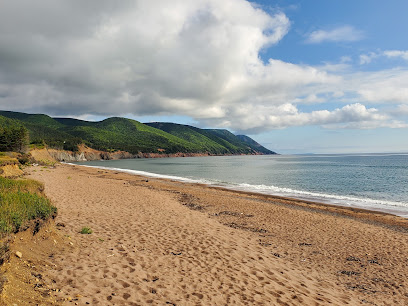
Pathend Brook Lookout
24.6 km
Experience unparalleled natural beauty at Pathend Brook Lookout, a hidden gem in Nova Scotia, perfect for nature lovers and photography enthusiasts.
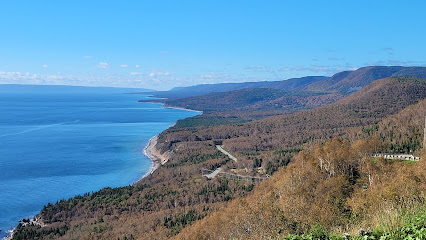
Le Vieux Chemin du Cap-Rouge Trailhead
25.8 km
Discover breathtaking views and enchanting landscapes on the Le Vieux Chemin du Cap-Rouge Trailhead along Nova Scotia's iconic Cabot Trail.
Essential places to dine

South Harbour Pines woodfired pizza
16.5 km
Experience authentic wood-fired pizza amidst the breathtaking landscapes of Cape Breton Island at South Harbour Pines.

Morrison's Restaurant
16.5 km
Discover delicious seafood and local cuisine at Morrison's Restaurant on the scenic Cabot Trail in Cape North, Nova Scotia.
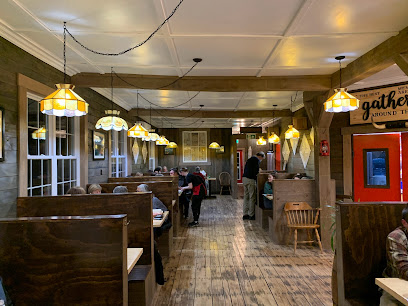
Danena's Bakery & Bistro
16.5 km
Experience the best of Cape Breton at Danena's Bakery & Bistro—where every bite tells a story amidst stunning coastal views.
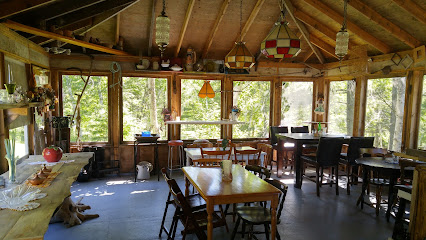
Crofter's Table Restaurant & Thirsty Hiker Pub
16.5 km
Experience authentic Cape Breton flavors at Crofter's Table Restaurant & Thirsty Hiker Pub along the scenic Cabot Trail.
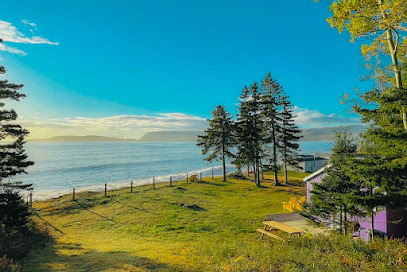
Angies Family Restaurant & Pizza
16.7 km
Discover Angies Family Restaurant & Pizza in Cape North - where delicious comfort food meets breathtaking views along the Cabot Trail.
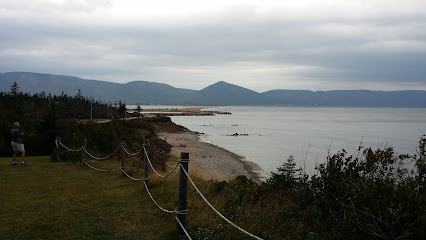
The Mountain View Restaurant
16.9 km
Experience local flavors and breathtaking views at The Mountain View Restaurant in Pleasant Bay, Nova Scotia.
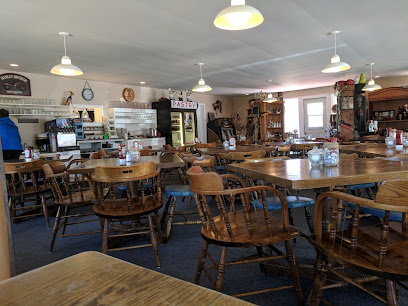
Coastal Restaurant & Pub
17.0 km
Discover Coastal Restaurant & Pub in Ingonish - where fresh seafood meets scenic views along the Cabot Trail.
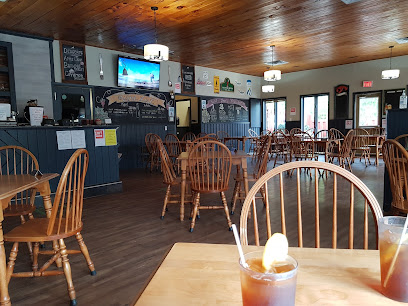
Highland Breeze Bistro
17.3 km
Experience authentic Nova Scotian cuisine at Highland Breeze Bistro in Inverness County—where local flavors meet warm hospitality.
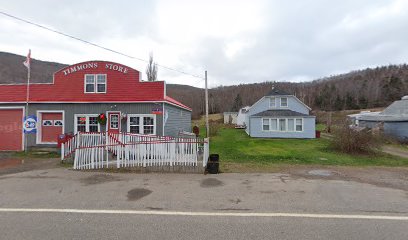
Rusty Anchor Restaurant
18.8 km
Experience fresh seafood delights at Rusty Anchor Restaurant on Nova Scotia's scenic Cabot Trail - perfect for family dining.
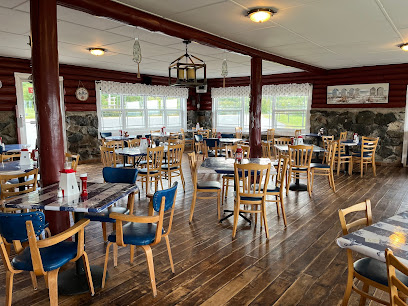
Seagull Restaurant
19.0 km
Experience fresh seafood and breathtaking views at Seagull Restaurant on Nova Scotia's scenic Cabot Trail.
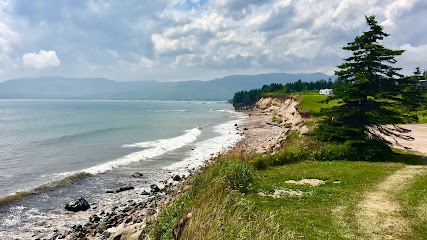
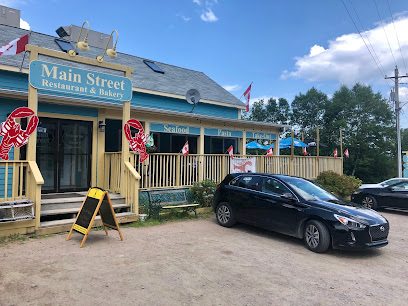
Main Street Restaurant
19.1 km
Experience local flavors at Main Street Restaurant on the scenic Cabot Trail in Ingonish Beach – where great food meets stunning views.
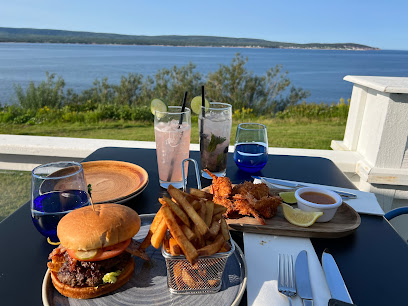
The Arduaine Restuarant and Lodge
19.6 km
Discover exquisite Western cuisine at The Arduaine Restaurant and Lodge in scenic Ingonish Beach, Nova Scotia – where culinary delight meets stunning views.
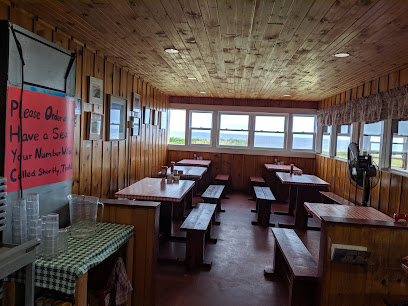
Chowder House
22.3 km
Experience the best seafood dining in Neils Harbour at Chowder House—where every dish showcases the rich flavors of Nova Scotia's coast.
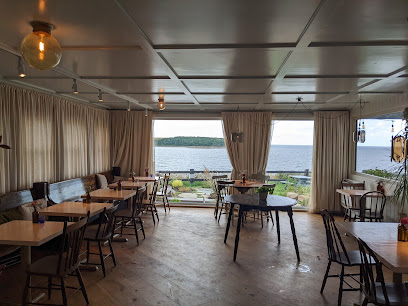
L'abri café, restaurant et bar
33.1 km
Discover L'abri Café in Chéticamp: where local flavors meet stunning views along Nova Scotia's famous Cabot Trail.
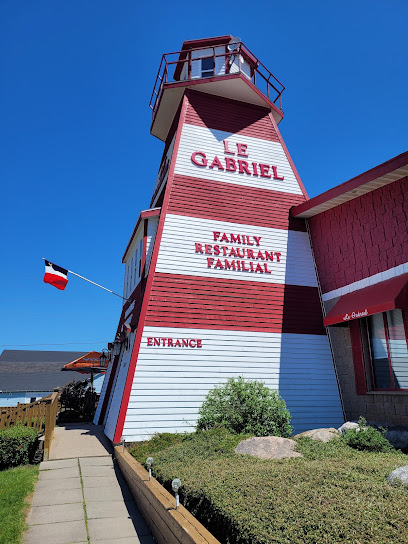
Le Gabriel Restaurant & Lounge
33.7 km
Discover authentic Nova Scotian flavors at Le Gabriel Restaurant & Lounge in Chéticamp - where fresh seafood meets warm hospitality.
Markets, malls and hidden boutiques

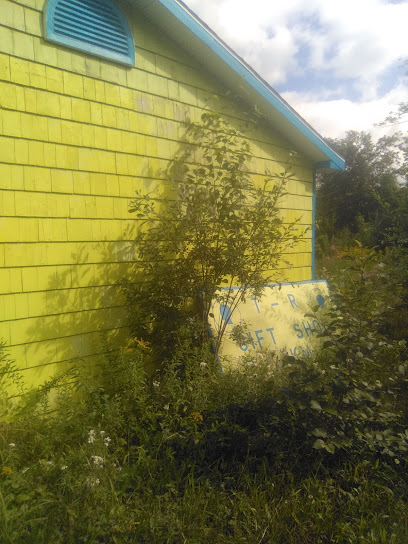
T & R Crafts & Gifts
13.8 km
Uncover the beauty of local craftsmanship at T & R Crafts & Gifts in Cape North, Nova Scotia, where every item tells a story.
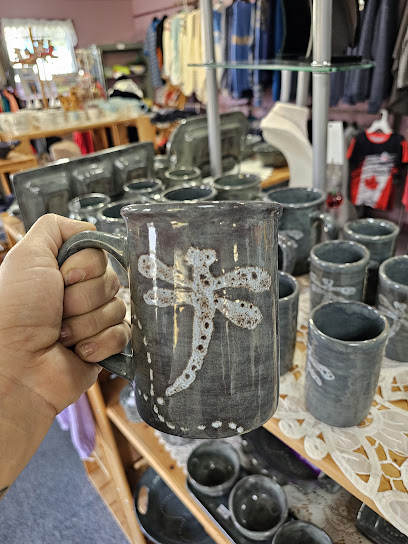
Courtney's Country Crafts
16.3 km
Discover unique handcrafted treasures at Courtney's Country Crafts, a charming craft store on the scenic Cabot Trail in Nova Scotia.
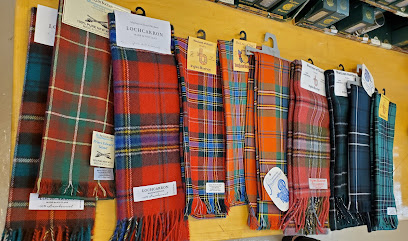
Tartans and Treasures
16.6 km
Explore Tartans and Treasures in Dingwall, Nova Scotia - a unique store offering authentic Scottish goods and local crafts along the scenic Cabot Trail.
Cabot Trail Food Market Ltd
16.7 km
Explore the essence of Nova Scotia at Cabot Trail Food Market Ltd, your go-to stop for local groceries and unique regional flavors.
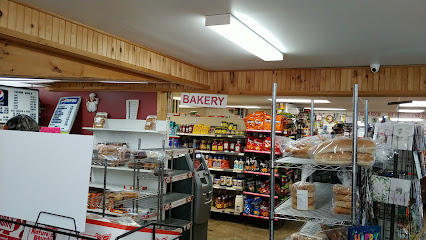
Cardinal Points Gift Shop
18.2 km
Explore the heart of Nova Scotia through unique local crafts and souvenirs at Cardinal Points Gift Shop, a gem along the Cabot Trail.
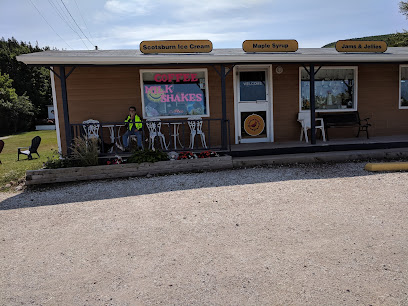
Sew Inclined
26.7 km
Discover unique handmade hats and local craftsmanship at Sew Inclined, the must-visit hat shop in Englishtown, Nova Scotia.
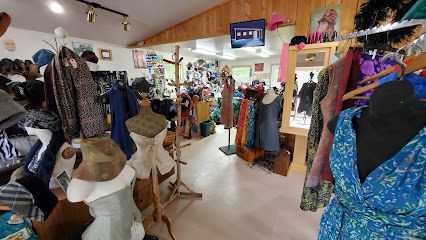
Wreck Cove General Store
29.1 km
Discover the perfect blend of convenience and local charm at Wreck Cove General Store on the stunning Cabot Trail.
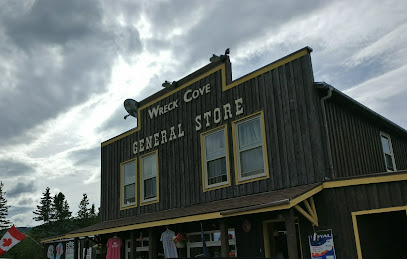
The Bargain! Shop
33.6 km
Explore The Bargain! Shop in Petit Étang for unique local products, great deals, and a welcoming shopping experience in Nova Scotia.

Lola's Hooked Rugs
33.9 km
Explore the beautiful craftsmanship of hand-hooked rugs and unique local gifts at Lola's Hooked Rugs in Chéticamp, Nova Scotia.
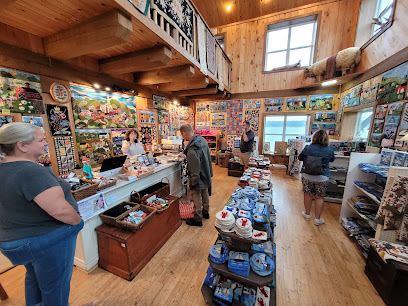
Marguerite boutique et provisions
34.0 km
Explore Marguerite Boutique et Provisions for a unique blend of local groceries, vintage finds, and a cozy café experience in Chéticamp.
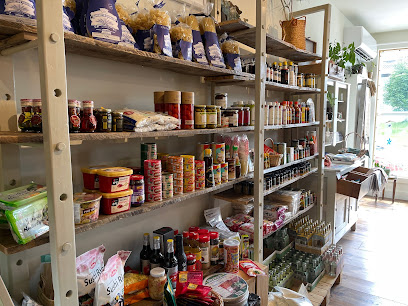
Wildfire Pottery
36.9 km
Explore the beauty of handcrafted ceramics at Wildfire Pottery, a unique store along the scenic Cabot Trail in Nova Scotia.
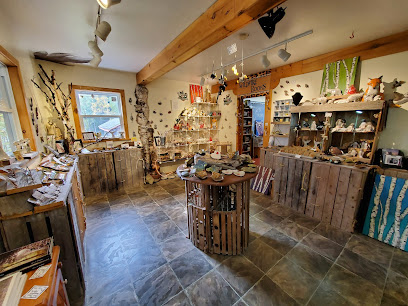
Flora's Cabot Trail
37.0 km
Experience the best of Nova Scotia at Flora's Cabot Trail, where delicious ice cream meets unique local shopping in a stunning coastal setting.
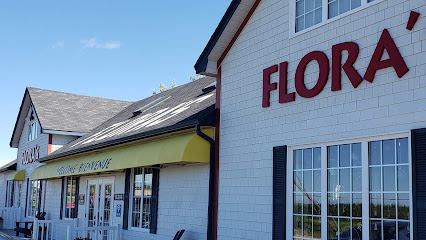
The Other Cupboard Emporium
41.2 km
Explore The Other Cupboard Emporium in Indian Brook, NS: Your go-to spot for health foods, local treats, and unique souvenirs.
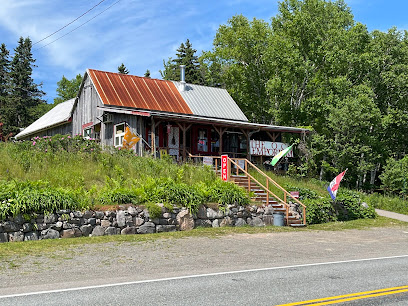
Margaree Harbour Craft & Gift Shop
52.9 km
Explore the charm of Margaree Harbour Craft & Gift Shop, where local artisans showcase their unique crafts and gifts along the stunning Cabot Trail.
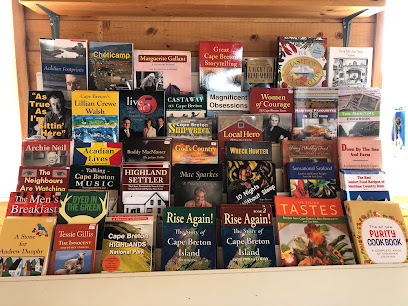
Two Macs Gallery
56.3 km
Explore Two Macs Gallery: A treasure trove of Cape Breton crafts and art in North East Margaree, perfect for unique gifts and local souvenirs.
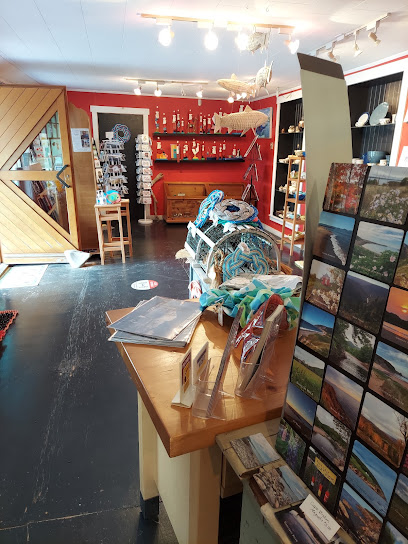
Essential bars & hidden hideouts

Thirsty Hiker Pub
16.5 km
Discover the warmth of Cape Breton at Thirsty Hiker Pub, where local brews and hearty meals await after your adventure on the Cabot Trail.
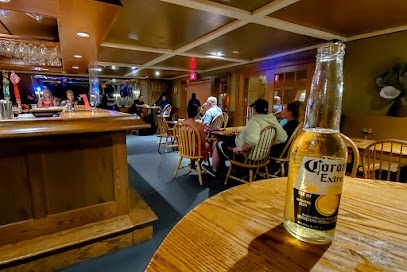
Purple Thistle
19.9 km
Experience the essence of Nova Scotia at Purple Thistle, where local flavors and breathtaking views create an unforgettable dining experience.
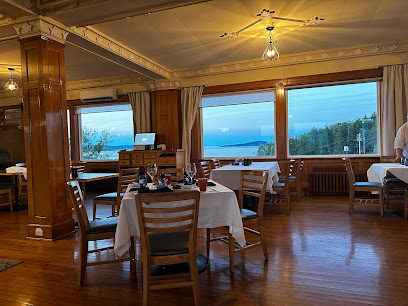
Castle Rock Country Inn
21.6 km
Discover the perfect blend of comfort and culinary delight at Castle Rock Country Inn on the iconic Cabot Trail.

The Doryman Pub and Grill
33.3 km
Experience the warmth and local flavors at The Doryman Pub and Grill, a must-visit destination on the Cabot Trail in Chéticamp, Nova Scotia.
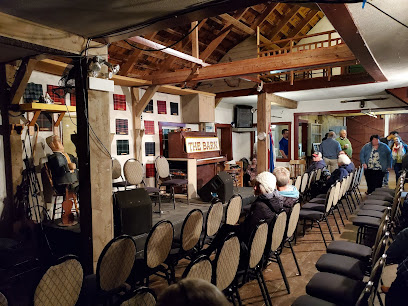
Normaway Inn Music Barn
53.9 km
Discover the heart of Nova Scotia's music scene at Normaway Inn Music Barn, a cozy venue in Margaree Valley with unforgettable live performances.
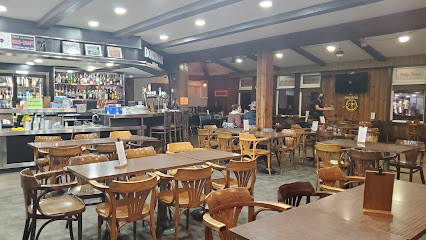
Blue Mist Dining Room and Lounge
60.0 km
Discover the warmth of Nova Scotia at Blue Mist Dining Room and Lounge, where local flavors meet a charming pub atmosphere.
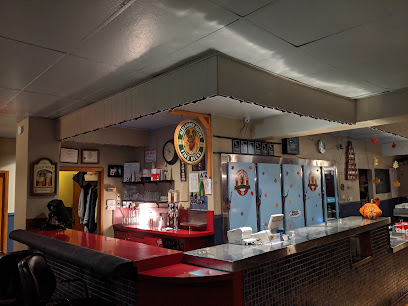
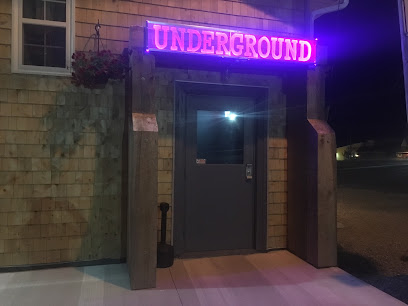
The Underground
63.1 km
Discover the lively nightlife at The Underground in Sydney Mines, where locals and tourists mingle over cocktails and live music.
The Cellar Bar
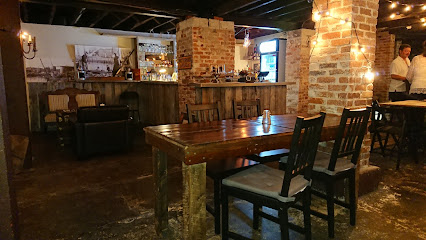
65.8 km
Discover The Cellar Bar in North Sydney, Nova Scotia, where local brews and unique appetizers create a cozy dining experience.
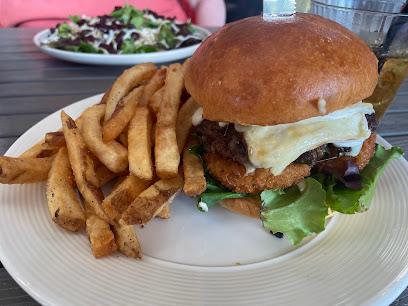
The Narrows Cafe and Bar
73.7 km
Discover the flavors of Nova Scotia at The Narrows Cafe and Bar, where stunning views meet exquisite cuisine in Baddeck.
The French Club
74.2 km
Discover The French Club, a cozy bar in Sydney, where exquisite drinks meet a warm ambiance for the perfect evening.
Island Folk Cider House
74.2 km
Experience the vibrant flavors of Nova Scotia at Island Folk Cider House, where local ciders and a welcoming atmosphere await.
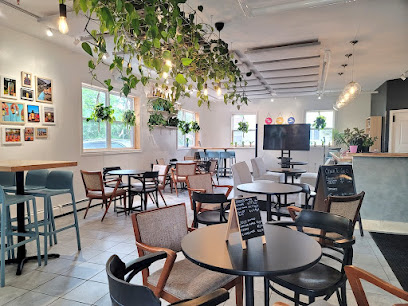
Capri Cabaret
74.5 km
Discover the vibrant nightlife at Capri Cabaret, Sydney's premier destination for live music, dancing, and unforgettable entertainment.

The Crown Cafe & Bar
74.6 km
Experience the heart of Sydney at The Crown Cafe & Bar, where great food, drinks, and local culture come together in a vibrant pub setting.
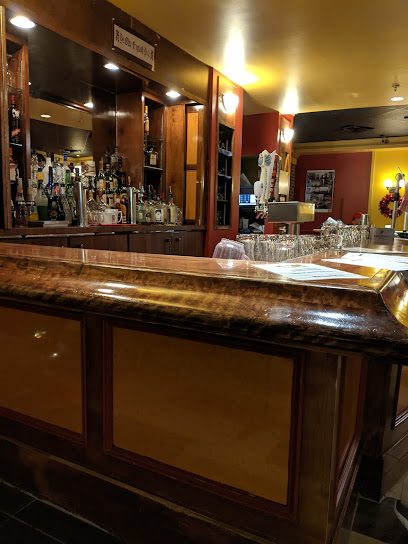
The Old Triangle Irish Alehouse
75.0 km
Experience the spirit of Ireland at The Old Triangle Irish Alehouse in Sydney, NS, where great food, drinks, and live music await.
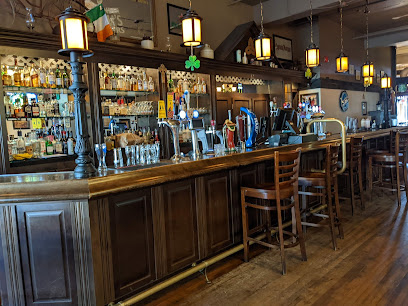
Route 19 Brewing
78.1 km
Experience the vibrant craft beer culture at Route 19 Brewing in Inverness, Nova Scotia, where local flavors meet a unique dining atmosphere.
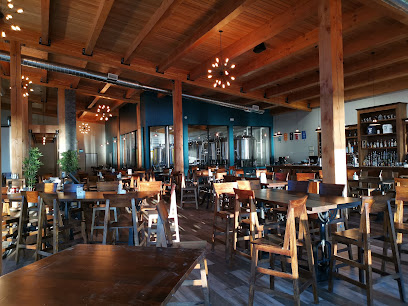
Nightclubs & after hour spots

Cape Breton Highlands Links
19.3 km
Discover Cape Breton Highlands Links: A breathtaking golf experience amidst stunning natural beauty in Nova Scotia’s national park.
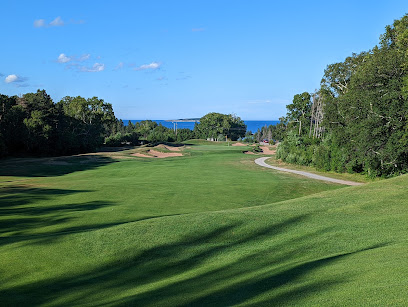
Le Portage Golf Club
32.9 km
Discover the scenic beauty and exceptional golfing experience at Le Portage Golf Club, a must-visit destination along Nova Scotia's Cabot Trail.
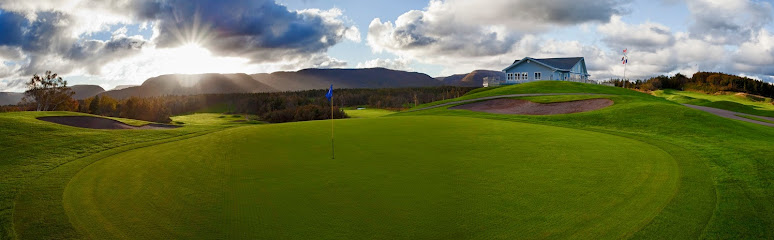
The Pit Lounge
75.3 km
Discover The Pit Lounge in Grand Lake Road, Nova Scotia, where creative cocktails meet a cozy atmosphere for a memorable night out.

Row St Club
75.6 km
Discover the lively atmosphere of Row St Club in Glace Bay, a perfect spot for drinks and local culture.