

Free Cape Breton Island Travel Guide & Mobile App
Explore Cape Breton Island with free travel guides. Discover regional history, expert tips, proposed trips, and audio guides on web or mobile app.


Explore Cape Breton Island for Cabot Trail hikes, Gaelic and Acadian culture, coastal towns, maritime history and fresh Atlantic food.
Read more about Cape Breton Island
When is the best time to visit Cape Breton Island?
Best: June–August · 19–23°C| Month | High (°C) | Rainfall (mm) |
|---|---|---|
| January | 0 | 100 |
| February | 0 | 90 |
| March | 4 | 100 |
| April | 9 | 90 |
| May | 15 | 90 |
| June (best) | 19 | 80 |
| July (best) | 23 | 90 |
| August (best) | 22 | 90 |
| September | 19 | 100 |
| October | 14 | 110 |
| November | 8 | 110 |
| December | 1 | 110 |
Getting to and around Cape Breton Island
How to get there
Transportation
Destinations in Cape Breton Island
Resorts, valleys and scenic spots worth a trip of their own.

Swipe for more destinations
Best attractions in Cape Breton Island
Cape Breton Island's attractions range from major reconstructed heritage sites to self-guided encounters with forests, coastlines and working communities. The Fortress of Louisbourg National Historic Site offers an extensive interpretation of eighteenth-century French colonial life, while the Alexander Graham Bell National Historic Site in Baddeck examines Bell's experiments, inventions and connection with Beinn Bhreagh. The Cape Breton Miners' Museum near Glace Bay provides an important account of coal mining and industrial society. Cape Breton Highlands National Park anchors the northern peninsula, with hiking trails, beaches, wildlife habitat and viewpoints along the Cabot Trail. The western shore around Chéticamp adds Acadian culture, craft and music, while the Bras d'Or Lake region offers paddling, boating and heritage experiences. Highland Village Museum at Iona presents Gaelic settlement and traditions through historic buildings and interpretation. Smaller museums, lighthouses, galleries, community performances and coastal walks help connect the island's major stories with current local life.
-
National park
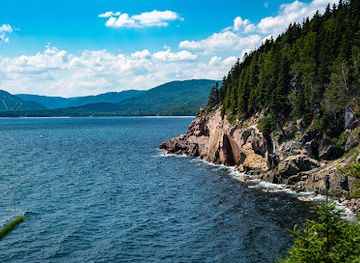
Cape Breton Highlands National Park
Discover the natural wonders of Cape Breton Highlands National Park, where stunning views and outdoor adventures await in Nova Scotia's pristine wilderness.
-
Historical landmark
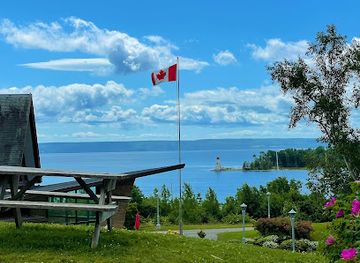
Alexander Graham Bell National Historic Site
Explore the life and legacy of Alexander Graham Bell at this inspiring national historic site in Baddeck, Nova Scotia.
-
Hiking area
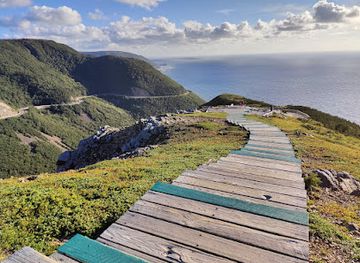
Skyline Trailhead
Experience the breathtaking views and rich wildlife of Skyline Trailhead in Cape Breton National Park, a must-visit hiking destination in Nova Scotia.
-
Beach
Basin Head Provincial Park
Discover the natural beauty of Basin Head Provincial Park, a premier beach destination in Prince Edward Island with stunning scenery and rich marine life.
Best landmarks in Cape Breton Island
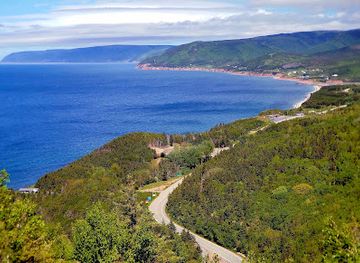
The Cabot Trail is Cape Breton Island's defining road landmark, circling the northern peninsula through highland forest, coastal villages and Cape Breton Highlands National Park. Its most recognisable natural features include the elevated headlands and valleys along the park's Gulf of St Lawrence shore, where marked trails reveal the island's geological and ecological character. The Fortress of Louisbourg's reconstructed walls and buildings stand as a major physical reminder of French Atlantic power and eighteenth-century warfare. Baddeck's Alexander Graham Bell National Historic Site overlooks Bras d'Or Lake and links an unmistakable landscape with the history of invention. The broad inland waters of Bras d'Or Lake are themselves a defining geographical landmark, surrounded by communities with Scottish and Mi'kmaq histories. In eastern Cape Breton, the industrial landscapes of Sydney and Glace Bay, including mining-related structures and former steelmaking areas, embody the island's working past. Churches, lighthouses, fishing harbours and historic village buildings complete a landmark tradition based as much on community and landscape as on monumental architecture.
-
National park
Cape Breton Highlands National Park
Discover the breathtaking beauty of Cape Breton Highlands National Park, where the Cabot Trail winds through highlands, forests, and stunning coastlines.
-
Tourist attraction
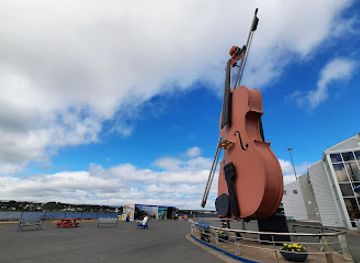
The Big Fiddle
A towering tribute to Cape Breton's Celtic music heritage, the Big Fiddle is a must-see landmark on Sydney's scenic waterfront.
-
Historical landmark
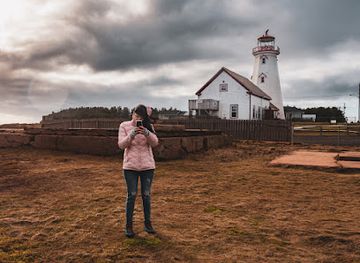
East Point Lighthouse
Explore PEI's maritime history at the East Point Lighthouse, where the tides meet and stories of the sea come to life.
-
Park
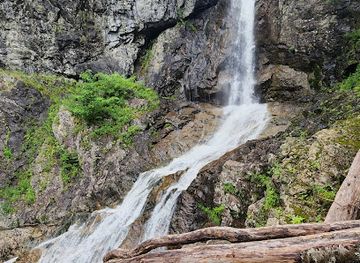
Uisge Bàn Falls Provincial Park
Hike to a spectacular waterfall in a granite gorge at Uisge Bàn Falls Provincial Park, a natural gem near Baddeck, Cape Breton Island.
Explore Cape Breton Island on the map
Plan your trip on one map. See where the top cities, national parks and sights are, and book hotels and experiences in a few clicks.
Best hotels in Cape Breton Island
Best restaurants in Cape Breton Island
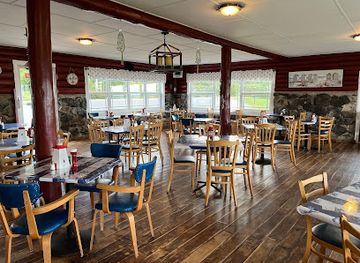
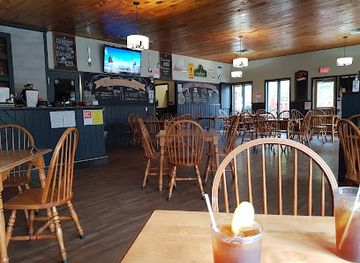
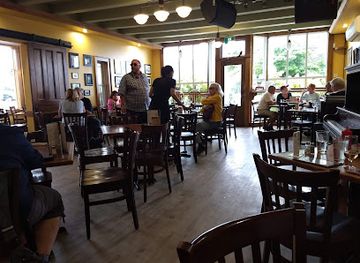
Cape Breton dining is closely tied to the surrounding Atlantic waters, forests and farms. Lobster, crab, mussels, oysters, scallops and other seafood feature prominently, with freshness and seasonality often more important than elaborate presentation. Restaurants, cafés, fish-and-chip shops, rural inns and community kitchens serve local catches alongside chowders, sandwiches and contemporary Canadian cooking. Cape Breton baking traditions include oatcakes, biscuits, fruit-filled desserts and breads, while meat pies and other home-style dishes reflect the island's Scottish and broader Atlantic heritage. In Acadian communities, French-influenced home cooking and seafood traditions add another regional dimension. Around the Bras d'Or Lake and the Cabot Trail, dining is often combined with a scenic drive, so opening arrangements can be seasonal and limited in smaller communities. Farmers' markets and farm stands provide opportunities to buy preserves, baked goods, vegetables, seafood and locally made products.
-
Bar
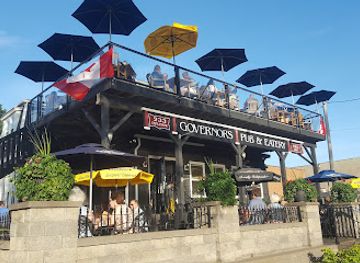
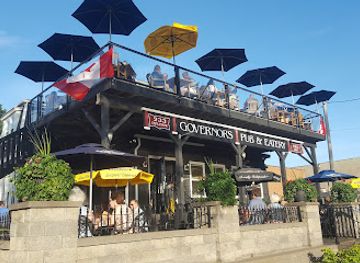
Governors Pub & Eatery
Discover the vibrant flavors of Europe at Governors Pub & Eatery in Sydney, NS—where every meal is a celebration of good food and great company.
-
Family-friendly
Rusty Anchor Restaurant
Experience delectable seafood and breathtaking ocean views at Rusty Anchor Restaurant on Nova Scotia's scenic Cabot Trail.
-
Restaurant
Coastal Restaurant & Pub
Discover Coastal Restaurant & Pub in Ingonish - where fresh seafood meets scenic views along the Cabot Trail.
-
Restaurant
The Red Shoe
Discover The Red Shoe: A culinary gem in Mabou offering local flavors and vibrant entertainment for an unforgettable dining experience.
Best bars in Cape Breton Island
Evening life on Cape Breton Island is shaped more by pubs, restaurants, community halls and live music than by a large nightclub scene. Sydney is the main urban centre for bars, evening entertainment and occasional live performances, while Baddeck, Inverness, Chéticamp and other visitor communities offer smaller selections of pubs, cafés and licensed restaurants. Traditional music is an important part of the island's cultural life, with fiddle, Celtic and Acadian influences appearing in concerts, ceilidhs, festivals and informal sessions; schedules are seasonal and should be checked locally. Rural evenings can be quiet outside the main towns, and many venues close earlier than visitors from larger cities may expect. Breweries and distilleries form part of the wider Nova Scotian drinks scene, but drinking is not necessary to appreciate Cape Breton's music, theatre and community culture.
-
Bar
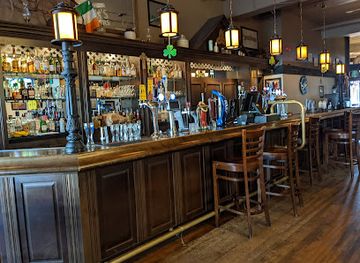
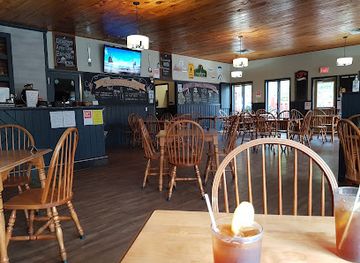
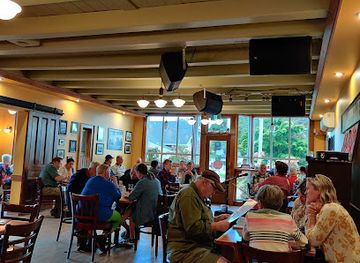
Governors Pub & Eatery
Experience the vibrant flavors of Europe at Governors Pub & Eatery, a beloved bar and restaurant in the heart of Sydney, Nova Scotia.
-
Irish pub
The Old Triangle Irish Alehouse
Experience the spirit of Ireland at The Old Triangle Irish Alehouse in Sydney, NS, where great food, drinks, and live music await.
-
Pub
Coastal Restaurant & Pub
Discover fresh seafood and gourmet burgers at Coastal Restaurant & Pub, a must-visit dining spot along the stunning Cabot Trail in Nova Scotia.
-
Pub
The Red Shoe
Discover the heart of Nova Scotia at The Red Shoe, a lively pub and restaurant showcasing local flavors and vibrant music culture.
Best nightclubs in Cape Breton Island
Evening life on Cape Breton Island is shaped more by pubs, restaurants, community halls and live music than by a large nightclub scene. Sydney is the main urban centre for bars, evening entertainment and occasional live performances, while Baddeck, Inverness, Chéticamp and other visitor communities offer smaller selections of pubs, cafés and licensed restaurants. Traditional music is an important part of the island's cultural life, with fiddle, Celtic and Acadian influences appearing in concerts, ceilidhs, festivals and informal sessions; schedules are seasonal and should be checked locally. Rural evenings can be quiet outside the main towns, and many venues close earlier than visitors from larger cities may expect. Breweries and distilleries form part of the wider Nova Scotian drinks scene, but drinking is not necessary to appreciate Cape Breton's music, theatre and community culture.
-
Bar
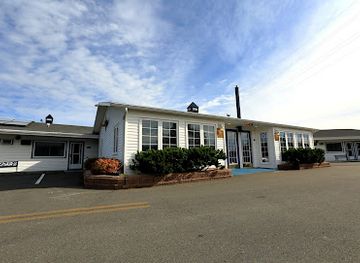
The Cove Motel & Restaurant
Experience coastal dining and comfortable stays at The Cove Motel & Restaurant in Aulds Cove, a charming destination for seafood lovers and families.
-
Pub
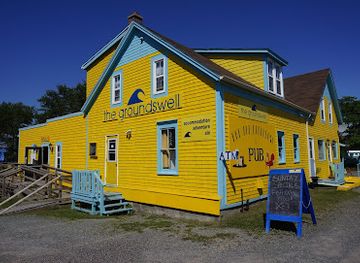
Groundswell Pub & Inn
Experience the best of Nova Scotia at Groundswell Pub & Inn: live music, cozy accommodations, and stunning kayak adventures await!
-
Bar
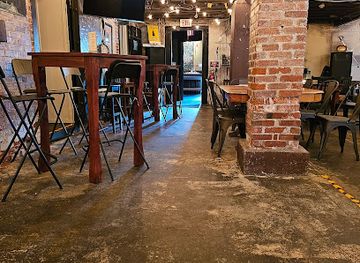
The Cellar Bar
Experience the vibrant atmosphere and exceptional drinks at The Cellar Bar in North Sydney, a must-visit for travelers seeking local nightlife.
-
Night club
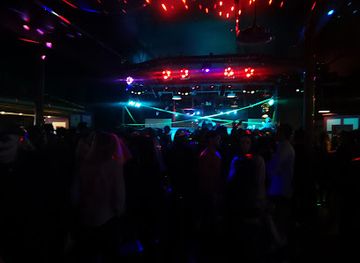
Capri Cabaret
Discover the lively spirit of Sydney at Capri Cabaret, where live music and dancing create a vibrant nightlife experience.
Best shops in Cape Breton Island
Shopping on Cape Breton Island is centred on independent high streets, practical town services, galleries, craft studios, farmers' markets and seasonal visitor shops rather than extensive luxury retail. Sydney provides the broadest urban choice, while Baddeck, Chéticamp, Inverness, Ingonish and other established stops along the Cabot Trail have galleries and small shops offering regional work. Look for woven and textile goods, pottery, woodwork, jewellery, paintings, books, preserves, baked products and locally packaged seafood. Acadian craft traditions are particularly visible around Chéticamp, while Gaelic and Cape Breton music culture is represented through recordings, instruments and cultural publications. Markets and farm stands vary by season and location, so rural shopping is best approached as part of a route rather than a guaranteed daily activity. Regional food products, handmade work and music recordings make more meaningful souvenirs than generic items, and visitors should carry payment alternatives when travelling beyond the larger towns.
-
Gift shop
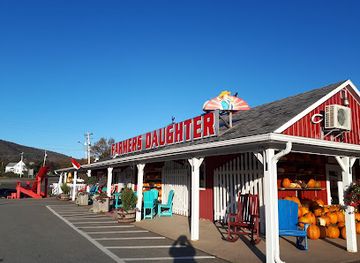
The Farmer's Daughter Country Store
Explore The Farmer's Daughter Country Store in Nova Scotia for unique gifts, local flavors, and a taste of Cape Breton's charm.
-
Tourist attraction
The Big Fiddle
Explore the Big Fiddle in Sydney, Nova Scotia - a stunning tribute to Cape Breton's musical heritage and a vibrant waterfront experience.
-
Ice Cream
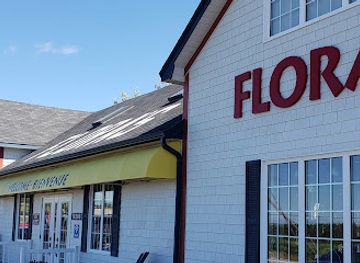
Flora's Cabot Trail
Experience the best of Nova Scotia at Flora's Cabot Trail, where delicious ice cream meets unique local shopping in a stunning coastal setting.
-
Farmers' market
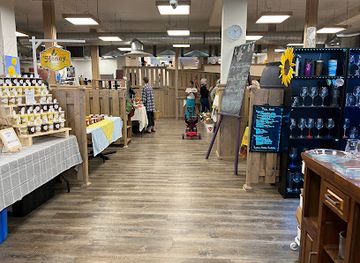
Cape Breton Farmer's Market & General Store
Explore Cape Breton Farmer's Market & General Store for fresh produce, handcrafted goods, and a taste of local culture in Sydney, Nova Scotia.
Get your free copy of our complete guide to Cape Breton Island, delivered straight to you.
Everything on this page, from attractions and restaurants to essentials and local phrases, in one PDF you can read offline, print or share.
Already have an account? Sign in
Your Cape Breton Island guide is ready.
We'll send it to · Not you? Sign out

Getting your guide ready…
We are putting together a fresh copy of the Cape Breton Island guide. This can take up to a minute.
This can take a few moments. If your browser asks, choose Allow so the download can start. You'll find the guide in your Downloads folder.
Nothing happened? Download it again
Sorry, the guide is taking longer than usual. Please try again in a minute, or get it by email instead.
Cape Breton Island essentials
Currency and Payment
Safety
Emergency Situations
Do's and Don'ts
Local Tips
From Eve
Local phrases worth knowing
You don't need to get them perfect. A few words go a long way, and locals appreciate the effort.
Basics
| English | Local | Say it |
|---|---|---|
| Hello | Càit a bheil thu? | [Kait a vel oo?] |
| Goodbye | Slán leat | [Slawn lat] |
| Yes | Sea | [Shay] |
| No | Nó | [No] |
| Please/You're welcome | Le do thoil | [Le duh hull] |
| Thank you | Go raibh maith agat | [Guh rev mah agut] |
| Excuse me/Sorry | Gabh mo leath | [Gow mo lay] |
| How are you? | Conas atá tú? | [Kuh-nas a-taw too?] |
| Fine. And you? | Maith go leor. Agus tusa? | [Mah go lore. Agus tu-sah?] |
| Do you speak English? | An labhraíonn tú Béarla? | [An lav-ree-un too Bayr-la?] |
| I don't understand | Ní thuigim | [Nee hig-im] |
Eating & Drinking
| English | Local | Say it |
|---|---|---|
| I'd like to see the menu, please | Ba bhreá liom an mhinic, le do thoil | [Ba bray lum an min-ick, le duh hull] |
| I don't eat meat | Ní ithim feoil | [Nee ee-im fe-ole] |
| Cheers! | Sláinte! | [Slawn-cha!] |
| I would like to pay, please | Ba bhreá liom íoc, le do thoil | [Ba bray lum eek, le duh hull] |
Emergencies
| English | Local | Say it |
|---|---|---|
| Help! | Cabhair! | [Kow-ir!] |
| Go away! | Imigh uaim! | [Im-ig oo-im!] |
| Call the Police! | Glaoigh ar na póilíní! | [Gla-wee air na pole-een-ee!] |
| Call a doctor! | Glaoigh ar dochtúir! | [Gla-wee air doc-tor!] |
| I'm lost | Táim caillte | [Taw-im kye-ilt-eh] |
| I'm ill | Táim tinn | [Taw-im tin] |
Shopping
| English | Local | Say it |
|---|---|---|
| I'd like to buy... | Ba bhreá liom a cheannach... | [Ba bray lum a khan-ukh...] |
| I'm just looking | Táim ag féachaint | [Taw-im egg fay-hint] |
| How much is it? | Cé mhéad atá air? | [Kay vay-id a-taw air?] |
| That's too expensive | Tá sé ró-chostasach | [Taw shay roh-koss-tahk] |
| Can you lower the price? | An féidir leat an praghas a laghdú? | [An fay-dur lat an prah-gus a lag-hdoo?] |
Time & Numbers
| English | Local | Say it |
|---|---|---|
| What time is it? | Cé chomh luath é? | [Kay kho-ow loo-ah ay?] |
| It's one o'clock | Tá sé a haon a chlog | [Taw shay a hayn a khlog] |
| Half past (10) | Leath uaire a' chlog (10) | [Lah oo-rah a' khlog (10)] |
| Morning | Maidin | [Mah-din] |
| Afternoon | Dé hAoine | [Day hee-nah] |
| Evening | Tráthnóna | [Trah-no-na] |
| Yesterday | Inné | [In-yay] |
| Today | Inniu | [In-yoo] |
| Tomorrow | Amárach | [Ah-mah-rahk] |
| 1 | A haon | [A hayn] |
| 2 | A dó | [A doe] |
| 3 | A trí | [A tree] |
| 4 | A ceathair | [A ky-har] |
| 5 | A cúig | [A coo-ig] |
| 6 | A sé | [A shay] |
| 7 | A seacht | [A shakh-t] |
| 8 | A hocht | [A hock-t] |
| 9 | A naoi | [A nee] |
| 10 | A deich | [A deh] |
Transport & Directions
| English | Local | Say it |
|---|---|---|
| Where's a/the...? | Cá bhfuil a'...? | [Caw wil a'...?] |
| What's the address? | Cad é an seoladh? | [Cad ay an shol-adh?] |
| Can you show me (on the map)? | An féidir leat a thaispeáint dom (ar an mapa)? | [An fay-dur lat a hash-paynt dum (air an map-a)?] |
| When's the next (bus)? | Cathain a bhíonn an (bus) eile? | [Ka-hin a bee-un an (bus) il-eh?] |
| A ticket (to ....) | Ticéad (go ....) | [Tick-ed (go ....)] |
History of Cape Breton Island
Mi'kmaq Presence and Cape Breton's Indigenous Geography
Cape Breton Island lies within Mi'kma'ki, the traditional and contemporary homeland of the Mi'kmaq. Mi'kmaq communities used the island's rivers, lakes, forests and coasts through seasonal patterns of travel, fishing, hunting and gathering long before European settlement. The Bras d'Or Lake system, coastal waterways and portages formed an interconnected geography rather than the isolated destinations shown on modern maps. Indigenous presence remains part of Cape Breton's living culture and political landscape, and visitors should understand that the island's history did not begin with French or Scottish colonisation.
French Settlement and the Fortress of Louisbourg
French settlement expanded on Île Royale, now Cape Breton Island, during the early eighteenth century. Louisbourg developed into a major fortified port serving the North Atlantic fishery and French Atlantic trade. Its strategic position made it central to imperial rivalry, and British forces captured it in 1758 during the Seven Years' War. The Fortress of Louisbourg National Historic Site now interprets the settlement through reconstructed buildings, archaeological evidence and historical demonstrations, offering a direct view of military, commercial and domestic life in the French Atlantic world.
Scottish Highland Migration and Gaelic Culture
From the late eighteenth century and especially during the nineteenth century, many Scottish Highland immigrants settled across Cape Breton, bringing Gaelic language, Presbyterian traditions, music, dance and farming practices. Communities around the Bras d'Or Lake, the Margaree valleys and central Cape Breton developed distinctive Gaelic cultural identities. Land pressure, economic change and the clearances contributed to migration, while later generations adapted to the island's mixed economy. The legacy remains visible in fiddle music, step dancing, place names, oral traditions and institutions such as the Highland Village Museum at Iona.
Acadian Communities on the Western Coast
Acadian settlement became particularly important along Cape Breton's western coast, including Chéticamp and neighbouring communities. After the upheavals of the eighteenth-century deportations, Acadian families rebuilt communities in parts of Atlantic Canada, maintaining French language, Catholic traditions, music and strong connections to coastal livelihoods. Chéticamp developed through fishing, farming, craft production and later tourism. Today the western shore's Acadian identity is expressed through community life, museums, performances, shops and the continued use of French alongside English.
Coal Mining, Steel and Industrial Cape Breton
Coal deposits shaped the eastern communities of Cape Breton from the nineteenth century onwards. Mines expanded around Glace Bay, New Waterford, Sydney Mines and other settlements, supplying fuel for industry and shipping. Sydney's steelworks became another major employer, creating a densely settled industrial region whose working communities were marked by labour organisation, immigration and strong local identities. Mining and steel declined substantially during the twentieth century, but their social and physical legacy remains central to the island's story, particularly at the Cape Breton Miners' Museum and in former industrial landscapes.
The Railway and Island Connectivity
Railways altered Cape Breton's economy and internal connections during the nineteenth and early twentieth centuries. Lines linked coalfields, steelworks, ports and towns, making it easier to move people and resources across the island and towards mainland markets. Rail transport supported industrial expansion and tourism, although passenger railway service on Cape Breton later ended. Roads eventually became the principal means of exploring the island, and improved connections such as the Canso Causeway, opened in 1955, strengthened the relationship between Cape Breton and mainland Nova Scotia.
Heritage Tourism and Cultural Renewal
As heavy industry contracted, tourism and cultural interpretation became increasingly important to Cape Breton's economy. The Cabot Trail, established as a scenic route in the twentieth century, brought greater attention to the northern highlands and coastal communities, while national historic sites and museums preserved the island's French, Scottish, industrial and scientific histories. Music, festivals, craft traditions and community museums have supported cultural renewal rather than simply presenting the past as a static exhibit. Contemporary Cape Breton therefore combines a working landscape with a carefully maintained but still evolving heritage culture.
Cape Breton Island in Photos
Browse through our photo collection highlighting the charm and character of the destination.
Neighbouring regions of Cape Breton Island
The closest regions to Cape Breton Island, if you have time for more than one.
-

-

-

-

-


Swipe for more regions
Explore more
Explore more of Canada
Discover Canada's breathtaking landscapes, diverse cities, and rich cultural heritage. A must-visit destination for outdoor adventures and vibrant urban experiences.
Explore Canada