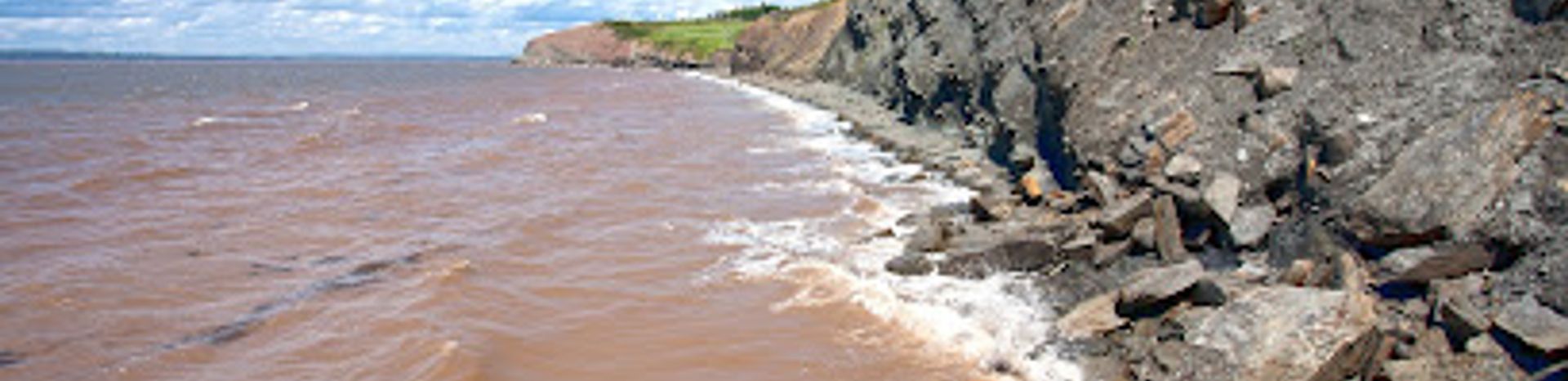
Joggins Fossil Cliffs: A Window into the Coal Age
Explore 300-million-year-old fossils at Joggins Fossil Cliffs, a UNESCO site on Nova Scotia's Bay of Fundy, revealing Earth's 'Coal Age' secrets.
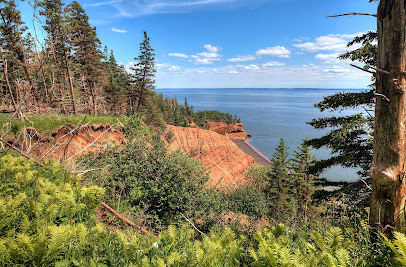
The Joggins Fossil Cliffs, a UNESCO World Heritage Site in Nova Scotia, Canada, expose the most complete fossil record of the 'Coal Age' (approximately 310 million years ago). Here, the world's highest tides erode the cliffs daily, revealing fossilized trees, plants, and early animal life, offering a unique glimpse into Earth's prehistoric past.
A brief summary to Joggins Fossil Centre
- 100 Main St, Joggins, Joggins, Nova Scotia, B0L 1A0, CA
- +1902-251-2727
- Visit website
Local tips
- Check the tide schedule before visiting; low tide offers the best access to the beach and cliffs.
- Wear sturdy shoes and dress in layers, as the beach is rocky and exposed to the elements.
- Book a guided tour at the Joggins Fossil Centre for an in-depth understanding of the site's geology and fossil discoveries.
- Remember that collecting fossils is prohibited without a Heritage Research Permit; take photos instead.
- Visit between May and October for the best weather and full access to the Joggins Fossil Centre.

Getting There
-
Driving
The Joggins Fossil Cliffs are located in a rural area and are best accessed by car. From Amherst, take Highway 302, then turn right onto Highway 242 towards Joggins. The Joggins Fossil Centre is located at the end of Main Street. Parking is available at the Joggins Fossil Centre. Parking is free with admission.
-
Public Transport
While there is a bus and train station in Amherst, public transportation to Joggins is limited. It is recommended to rent a car or take a taxi from Amherst to reach the Joggins Fossil Cliffs. A taxi from Amherst to Joggins will cost approximately $60-$80.
Discover more about Joggins Fossil Centre
Iconic landmarks you can’t miss

Fundy Biosphere Region
16.5 km
Discover the Bay of Fundy's natural wonders: UNESCO-designated biosphere with highest tides, coastal trails & Acadian forests.
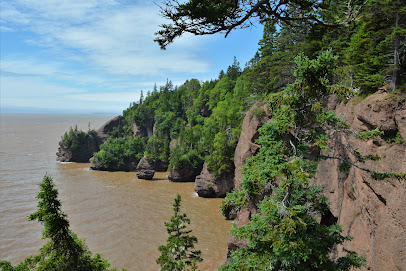
Diamond Rock
16.7 km
Explore Diamond Rock in Hopewell Cape, a stunning natural landmark showcasing the beauty and geological wonders of the Bay of Fundy.
Albert County Museum
19.8 km
Discover Albert County's history: From shipbuilding to Prime Ministers, explore captivating stories in a historic Shiretown setting near the Bay of Fundy.
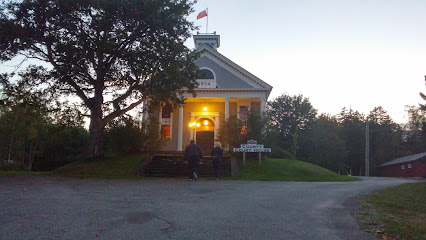
Crooked Creek Lookoff - UNESCO Fundy Biosphere Reserve Amazing Place
24.2 km
Experience breathtaking panoramic views at Crooked Creek Lookoff in the UNESCO Fundy Biosphere Reserve, a New Brunswick hidden gem.
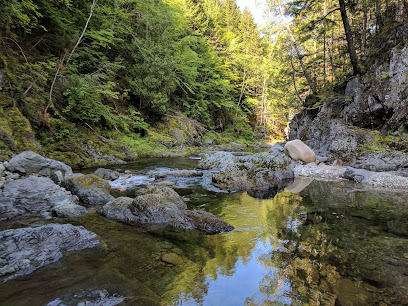
Cape Enrage Nature Preserve
27.2 km
Explore the rugged beauty and thrilling adventures of Cape Enrage Nature Preserve on the Bay of Fundy, a historic landmark with breathtaking views.
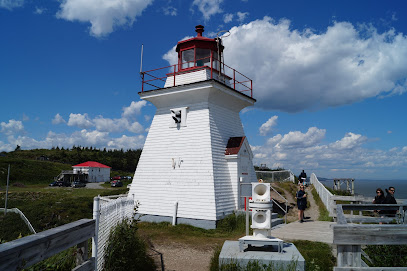
Fundy's Cape Enrage
28.0 km
Explore breathtaking views, adventure sports, and rich maritime history at Fundy's Cape Enrage, New Brunswick's hidden gem along the Bay of Fundy.
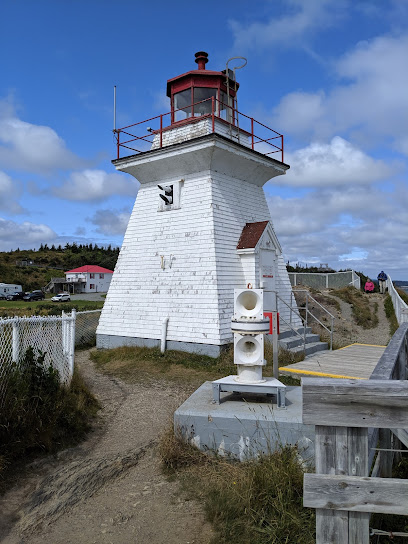
Partridge Island
37.5 km
Experience the breathtaking landscapes and rich history of Partridge Island, a hidden gem off the coast of Nova Scotia, perfect for nature lovers and adventurers.
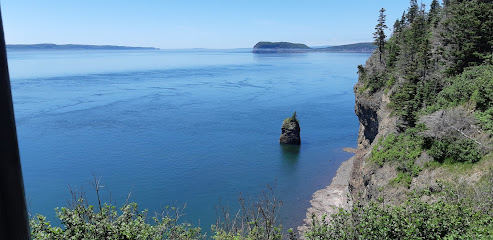
Black Hole - UNESCO Fundy Biosphere Reserve Amazing Place
41.5 km
Discover the serene beauty of Black Hole in Fundy Biosphere Reserve: Hike through lush forests and alongside the pristine Upper Salmon River.
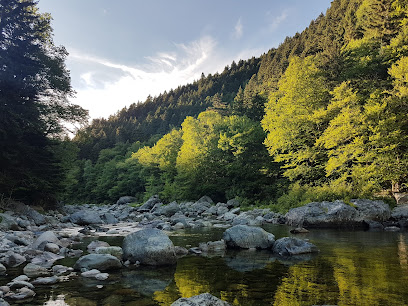
Moosehorn - UNESCO Fundy Biosphere Reserve Amazing Place
42.4 km
Explore Moosehorn in New Brunswick's Fundy Biosphere Reserve: hiking, coastal views, and rich wildlife await!
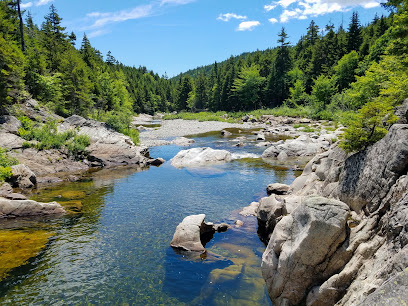
Third Vault Falls Trail
45.4 km
Discover Fundy National Park's tallest waterfall on a scenic hike through Acadian forest. A rewarding natural escape!
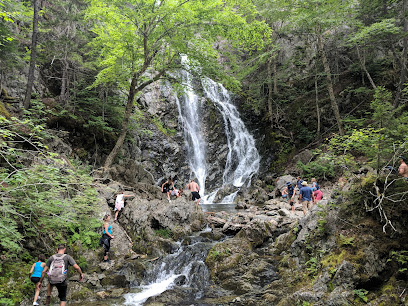
Acadian Causeway
46.1 km
Discover the Acadian Causeway in Port Elgin, NB: A historical landmark showcasing Acadian heritage and stunning marshland views.

Caribou Plain - UNESCO Fundy Biosphere Reserve Amazing Place
48.1 km
Discover Caribou Plain in Fundy National Park: Hike through diverse ecosystems and experience the tranquility of this UNESCO Biosphere Reserve.
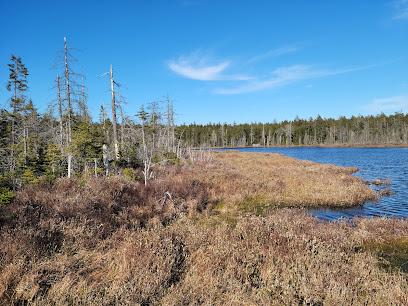
Irishtown Nature Park
55.6 km
Explore the breathtaking Irishtown Nature Park in Moncton, a serene retreat for outdoor activities and wildlife encounters amidst stunning natural landscapes.
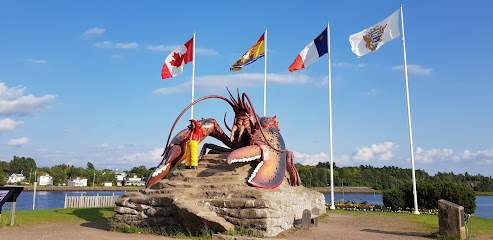
Giant Lobster
58.8 km
Discover the Giant Lobster of Shediac: A monumental sculpture celebrating the lobster fishing heritage of New Brunswick, perfect for memorable photos.
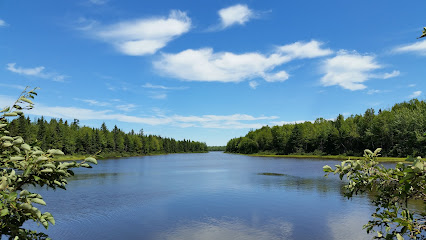
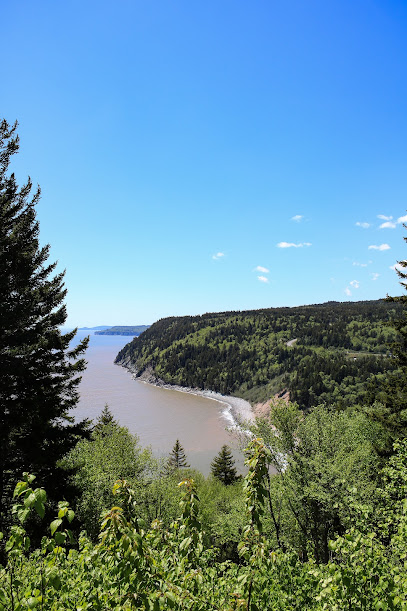
Fundy Trail Provincial Park
78.9 km
Discover the rugged beauty of New Brunswick's Fundy Trail Provincial Park: scenic drives, hiking trails, and coastal views await!
Unmissable attractions to see

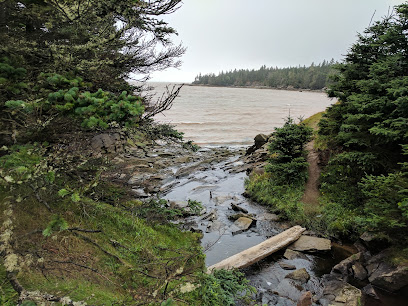
Slack's Cove - UNESCO Fundy Biosphere Reserve Amazing Place
7.0 km
Experience the breathtaking beauty of Slack's Cove, a UNESCO Biosphere Reserve with stunning hiking trails and rich biodiversity in New Brunswick.
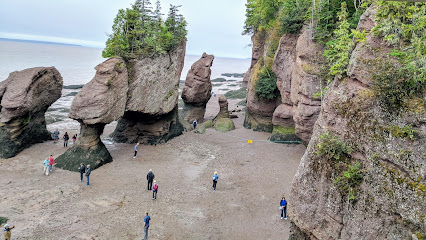
Hopewell Rocks Provincial Park
16.9 km
Explore the natural wonders of Hopewell Rocks Provincial Park, where breathtaking tidal landscapes and unique geological formations await.
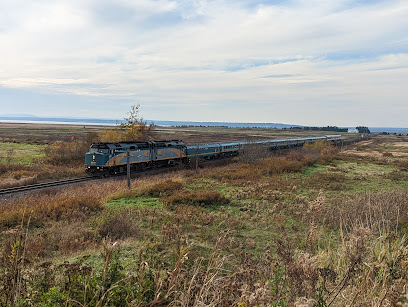
Beaubassin and Fort Lawrence National Historic Sites
22.4 km
Experience the rich history of Acadia at Beaubassin and Fort Lawrence National Historic Sites, where the past meets the present in beautiful Nova Scotia.
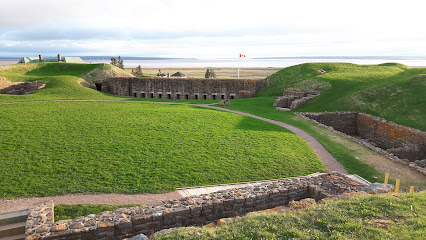
Fort Beauséjour – Fort Cumberland National Historic Site
22.5 km
Visit Fort Beauséjour, a site rich in colonial history, stunning landscapes, and engaging exhibits in New Brunswick.
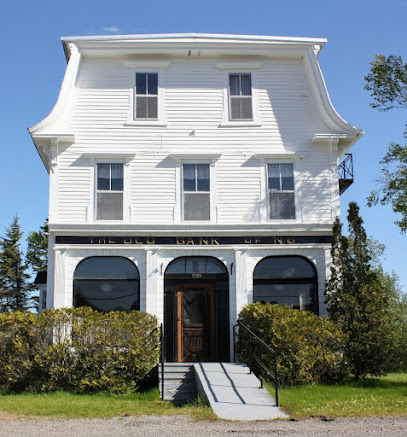
Old Bank of New Brunswick Museum
23.2 km
Explore the fascinating financial history of New Brunswick at the Old Bank of New Brunswick Museum in Riverside-Albert, a must-visit for history buffs and families alike.
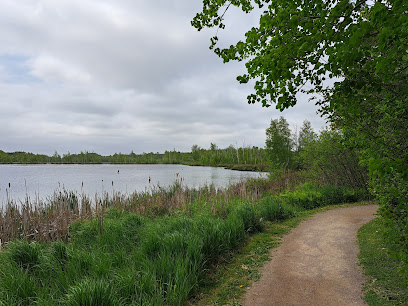
Sackville Waterfowl Park
24.3 km
Explore the serene beauty of Sackville Waterfowl Park, a premier destination for birdwatching and nature appreciation in New Brunswick.
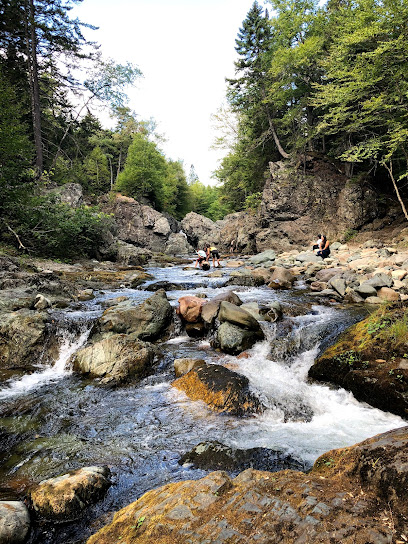
Crooked Creek Falls
24.4 km
Experience the breathtaking beauty of Crooked Creek Falls, a perfect blend of scenic views and hiking adventures in New Brunswick.
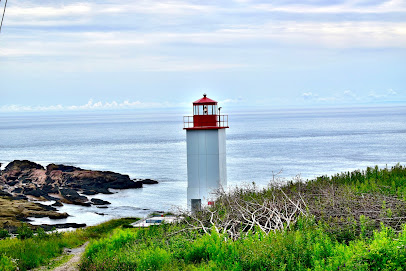
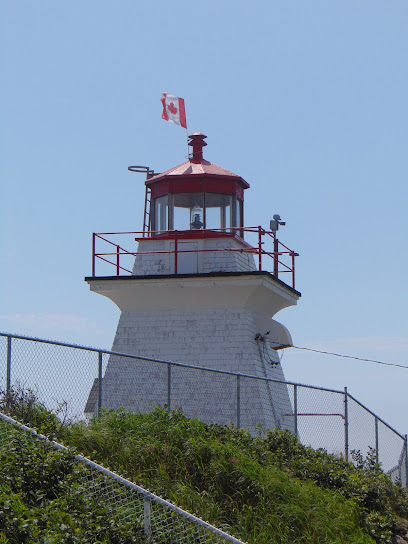
Cape Enrage Lighthouse
28.0 km
Discover Cape Enrage Lighthouse, a stunning historical landmark offering breathtaking views of the Bay of Fundy and rich maritime history in New Brunswick.
Fundy Geological Museum
34.3 km
Explore the geological wonders of the Fundy Geological Museum in Parrsboro, where ancient fossils and interactive exhibits await every curious traveler.
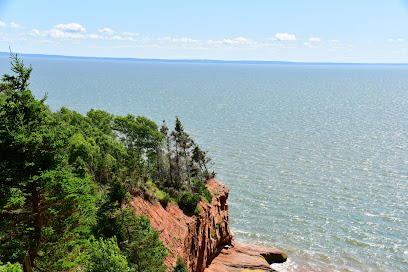
Parrsboro Lighthouse
35.8 km
Experience the stunning views and rich maritime history at Parrsboro Lighthouse, a captivating historical landmark on Nova Scotia's enchanting coast.
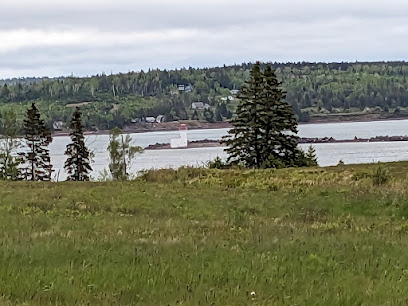
Fundy National Park Observation Deck
41.2 km
Discover the breathtaking views at Fundy National Park Observation Deck, where nature's beauty meets adventure in New Brunswick.
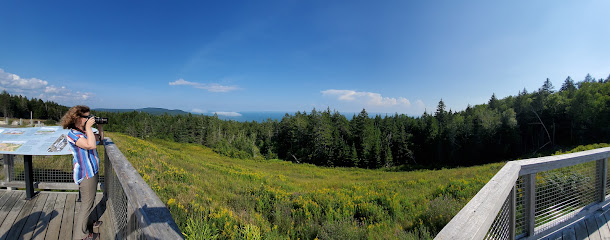
Dickson Falls
42.4 km
Discover the enchanting beauty of Dickson Falls in Fundy National Park, a must-visit destination for nature lovers and adventure seekers.
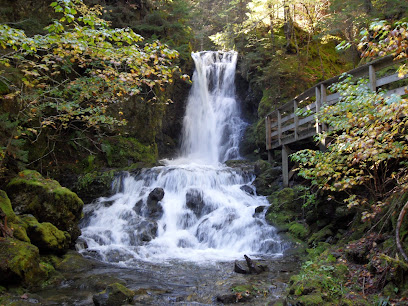
Third Vault Falls
42.6 km
Explore the breathtaking Third Vault Falls in Alma Parish, New Brunswick - a stunning hiking area and natural attraction in Fundy National Park.
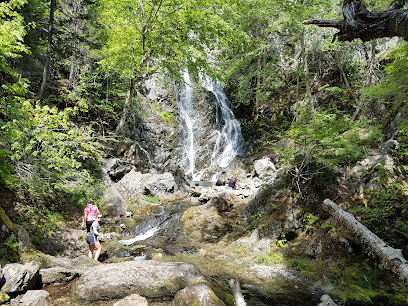
Laverty Falls
43.7 km
Experience the breathtaking beauty of Laverty Falls in Fundy National Park, a must-visit natural wonder in New Brunswick, Canada.
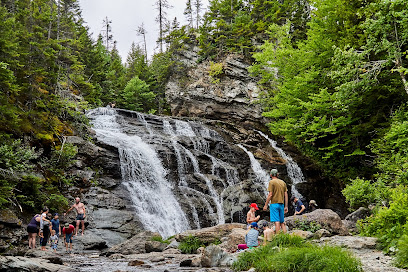
Five Islands Provincial Park
45.4 km
Explore the breathtaking landscapes of Five Islands Provincial Park in Nova Scotia, where adventure meets stunning coastal beauty.
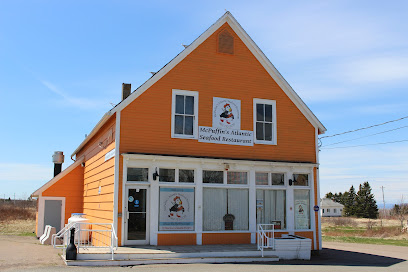
Essential places to dine

McPuffin's Atlantic Seafood Restaurant
0.4 km
Experience authentic Atlantic seafood in Joggins at McPuffin's Restaurant—where local flavors meet stunning coastal views.
High Tide Café
16.9 km
Discover delightful local cuisine at High Tide Café in Fundy Albert, New Brunswick - where every meal is a taste of nature's bounty.
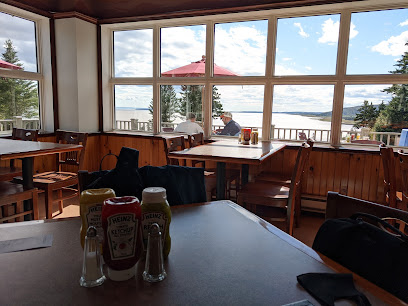
Broadleaf Ranch
21.4 km
Discover the beauty and adventure at Broadleaf Ranch - your ultimate destination for outdoor fun and rustic charm in New Brunswick.
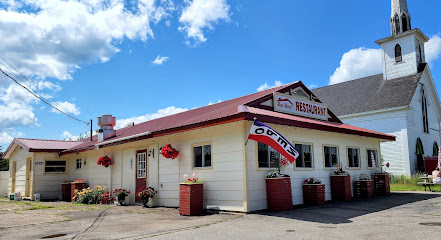
Red Roof Restaurant
23.5 km
Discover Red Roof Restaurant in Riverside-Albert: A charming eatery serving delicious home-cooked meals with local flair.
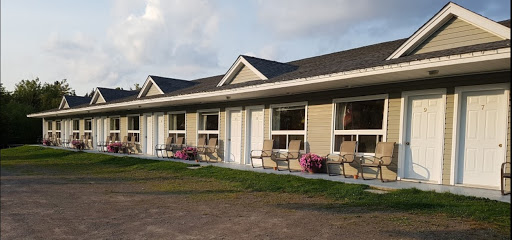
Fundy Rocks Motel
24.0 km
Discover tranquility and stunning views at Fundy Rocks Motel – your perfect getaway near the Bay of Fundy.
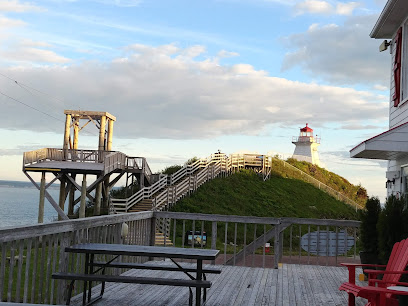
Cape House Restaurant
27.9 km
Experience fresh coastal cuisine at Cape House Restaurant with breathtaking views of New Brunswick's Bay of Fundy.
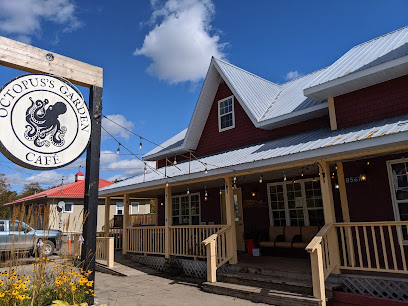
The Octopus's Garden Cafe & Bistro
39.5 km
Experience fresh local flavors at The Octopus's Garden Cafe & Bistro in Alma - where every meal is crafted with love.
Alma Lobster Shop
39.6 km
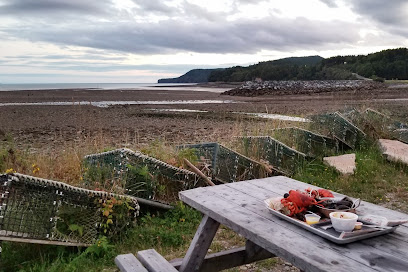
Discover fresh lobster and exquisite seafood dishes at Alma Lobster Shop in charming Alma, New Brunswick – where culinary tradition meets stunning coastal views.
Alma Boathouse Restaurant
39.8 km
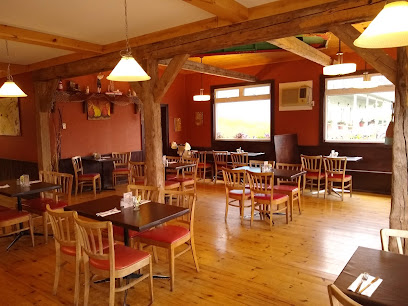
Experience fresh seafood delights at Alma Boathouse Restaurant in beautiful Alma, New Brunswick – where every bite tells a story.
Tides
39.9 km
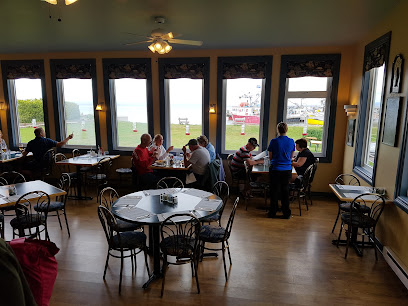
Discover Tides in Alma - A Seafood Restaurant Offering Fresh Local Delights with Scenic Views.
Muddy Rudder Bar & Grill
39.9 km
Discover Muddy Rudder Bar & Grill in Alma - where delightful flavors meet warm hospitality in the heart of New Brunswick.
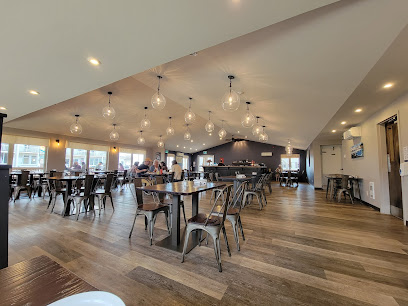
Tipsy Tails Restaurant
40.0 km
Discover the flavors of the sea at Tipsy Tails Restaurant in Alma, New Brunswick - a must-visit for seafood enthusiasts!
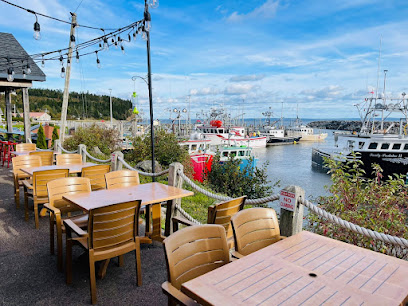
Kayak Fundy Cafe
40.0 km
Experience fresh local seafood and stunning views at Kayak Fundy Cafe in Alma, New Brunswick - your culinary haven by the Bay.
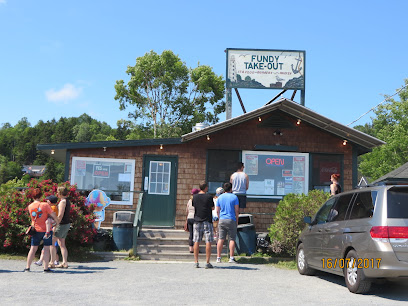
Fundy Take-Out
40.0 km
Discover fresh seafood delights at Fundy Take-Out near Fundy National Park – where local flavors meet breathtaking views.
The Long Table Social Club
44.6 km
Discover farm-to-table dining at The Long Table Social Club in Canning, where fresh local ingredients meet culinary creativity.
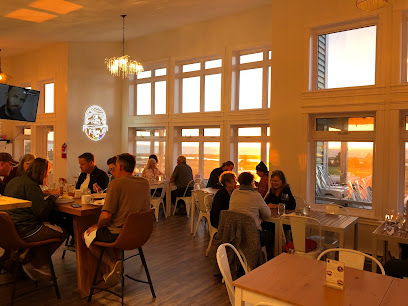
Markets, malls and hidden boutiques

The Pink Church Boutique
19.4 km
Discover unique handcrafted treasures at The Pink Church Boutique in Hopewell Cape, a charming shopping experience that captures local artistry.
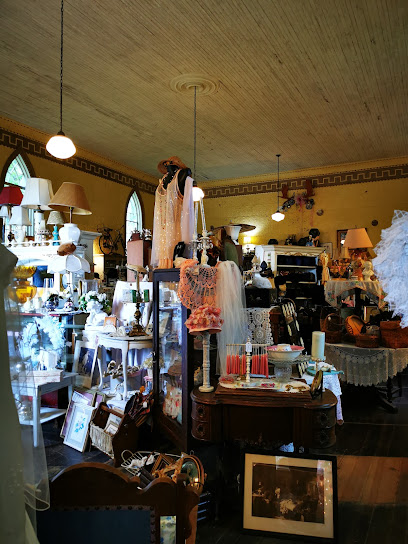
Nova Scotia Visitor Gift Shop
22.9 km
Explore the heart of Nova Scotia at the Visitor Gift Shop, offering unique local crafts, gourmet treats, and authentic souvenirs for every traveler.
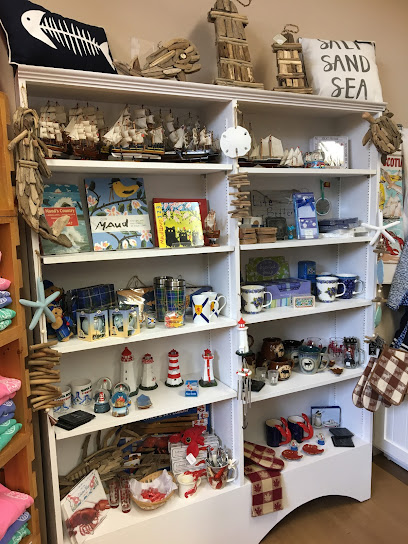
The Barn Shop
24.1 km
Explore The Barn Shop in Sackville for unique, locally-crafted gifts that capture the essence of New Brunswick's artistic spirit.
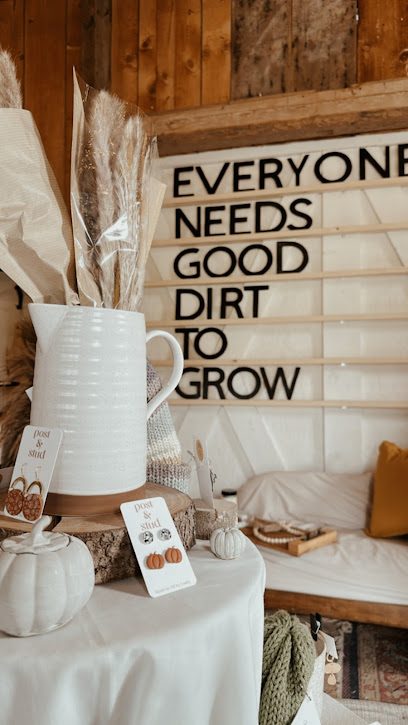
Maritime Mosaic
24.2 km
Explore Maritime Mosaic: A vibrant gift shop and art gallery celebrating local artisans in Amherst, Nova Scotia.
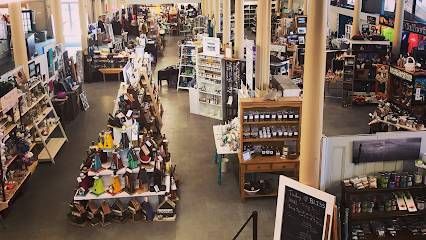
Craft Gallery The Crafts & Fine Art
24.5 km
Explore Craft Gallery The Crafts & Fine Art in Sackville, where local artistry meets unique gifts and unforgettable treasures.
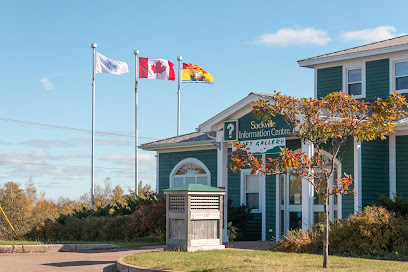
Angel Mist Treasures
37.1 km
Explore Angel Mist Treasures, Stoney Creek's premier antique store, where history comes alive through unique collectibles and vintage finds.
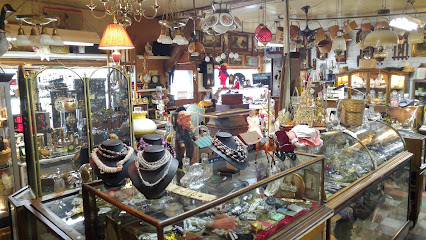
Cleveland Place
39.7 km
Discover unique gifts and captivating books at Cleveland Place, a charming shop in Alma, New Brunswick, where local craftsmanship shines.
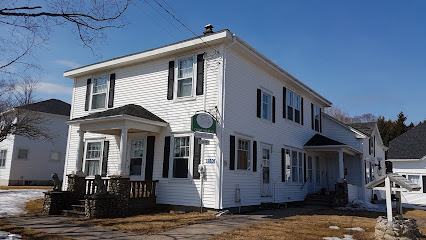
Dayzee's Fashions Ltd
47.9 km
Explore the vibrant thrift scene at Dayzee's Fashions Ltd in Riverview, New Brunswick, where unique finds and sustainable fashion await your discovery.
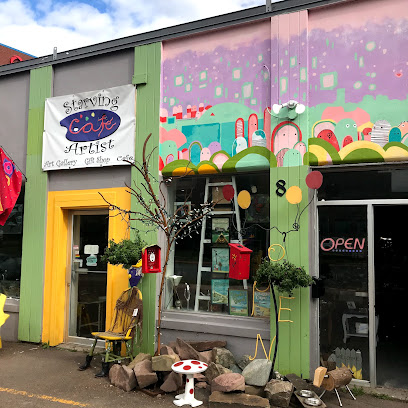
Starving Artist Gallery and Gifts
50.4 km
Explore the Starving Artist Gallery and Gifts in Moncton for unique handcrafted treasures and a taste of local art culture.
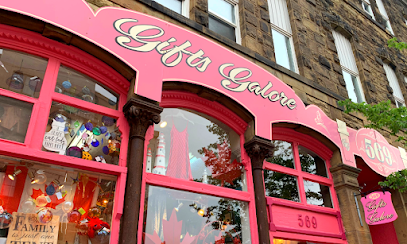
Gifts Galore
50.6 km
Explore Moncton's Gifts Galore – a treasure trove of unique gifts and local artisan finds in the heart of New Brunswick.
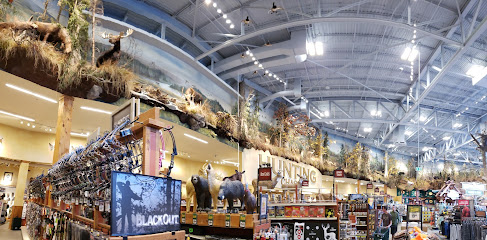
CF Champlain
50.7 km
Explore CF Champlain in Dieppe, a dynamic shopping mall featuring diverse stores, delicious dining, and a vibrant atmosphere for a memorable shopping experience.
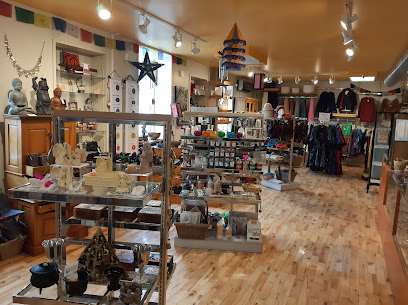
Le Passage
51.3 km
Explore Le Passage: Moncton's charming gift shop featuring local crafts, books, and natural goods, perfect for unique souvenirs.
LITTLE FOLKS
64.5 km
Discover Little Folks in Portage Vale, New Brunswick, where buttery soft fabrics meet stylish designs in a charming clothing boutique.
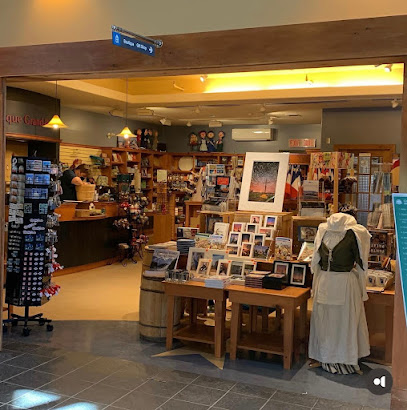
Boutique Grand-Pré
66.1 km
Discover unique artisan gifts and local treasures at Boutique Grand-Pré in the heart of Nova Scotia's historic Grand Pré.
Quality Creations
66.2 km
Explore Quality Creations in Lewis Mountain for unique gifts, custom t-shirts, and decals that capture the essence of your travels.

Essential bars & hidden hideouts

Ducky's Pub
23.5 km
Discover the lively charm of Ducky's Pub in Sackville, NB, where great drinks and friendly faces await in a cozy atmosphere.
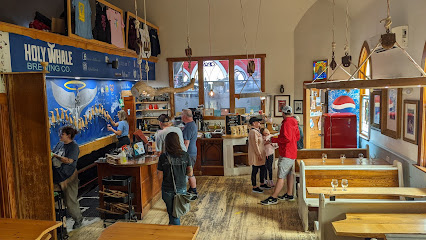
Holy Whale Brewery
39.7 km
Experience the best of New Brunswick craft beer at Holy Whale Brewery in Alma, where artisanal brews meet stunning coastal views.
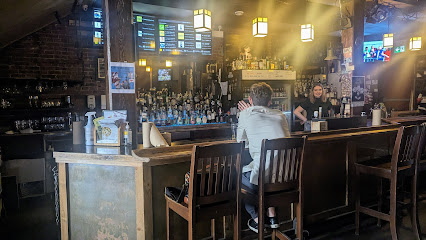
Navigator's Pub
50.7 km
Experience the vibrant nightlife and local brews at Navigator's Pub, a cozy bar in Moncton perfect for unwinding after a day of exploration.
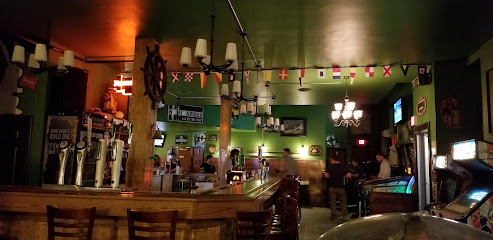
Igloo Beverage Room
52.8 km
Experience the vibrant atmosphere and delicious menu at Igloo Beverage Room, a beloved pub in Moncton, New Brunswick, perfect for relaxation and fun.
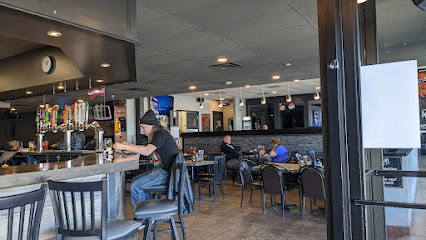
Sea Level Brewing
66.6 km
Experience the best of Nova Scotia's craft beer at Sea Level Brewing in the stunning Annapolis Valley, where local ingredients and innovation meet.
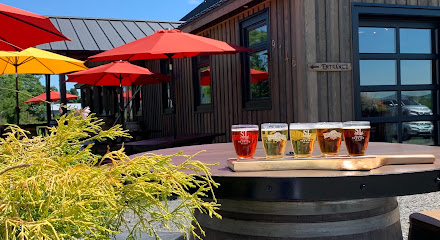
The Port Pub And Bistro
66.6 km
Discover the flavors of Nova Scotia at The Port Pub And Bistro, a charming gastropub offering local cuisine and a warm atmosphere.
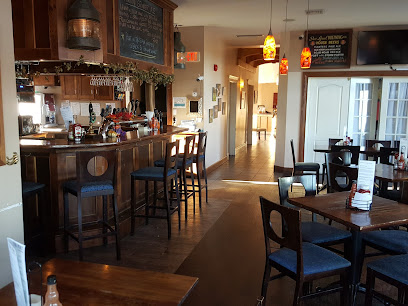
The Anvil Beverage Room
67.4 km
Discover the charm of The Anvil Beverage Room in Wolfville, where local flavors meet a cozy atmosphere perfect for unwinding.
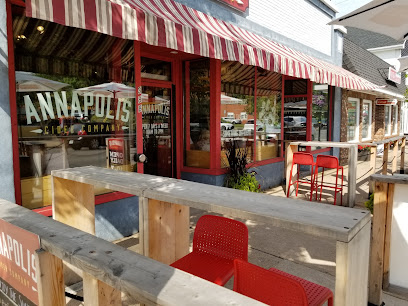
Annapolis Cider Company
67.4 km
Experience the best of Nova Scotia with artisanal ciders at Annapolis Cider Company, a charming cider bar in Wolfville.
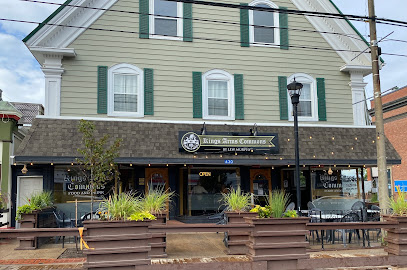
Kings Arms Commons
67.4 km
Discover the flavors of Nova Scotia at Kings Arms Commons, a charming restaurant in Wolfville, known for its local ingredients and warm ambiance.
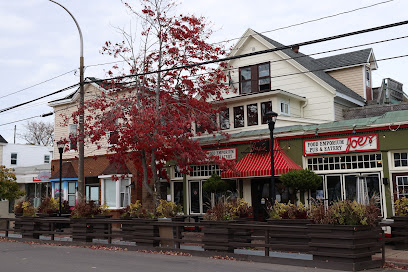
Joe's Food Emporium
67.4 km
Discover a culinary haven in Wolfville, where local ingredients meet delicious flavors at Joe's Food Emporium.
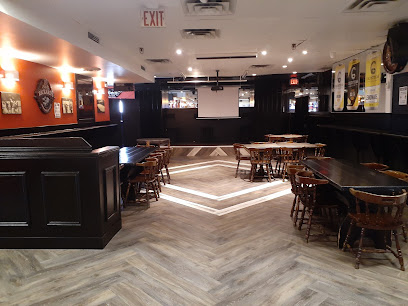
The Library Pub and Merchant Wine Tavern
67.4 km
Experience the heart of Wolfville at The Library Pub and Merchant Wine Tavern, where local flavors meet a vibrant atmosphere.
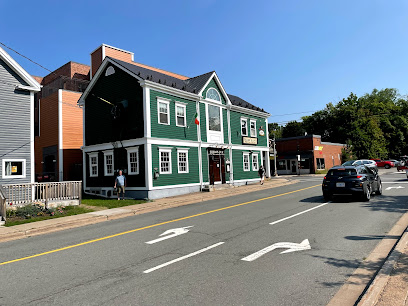
The Axe Lounge
67.7 km
Experience the vibrant atmosphere of The Axe Lounge in Wolfville, where unique drinks and good company create unforgettable memories.
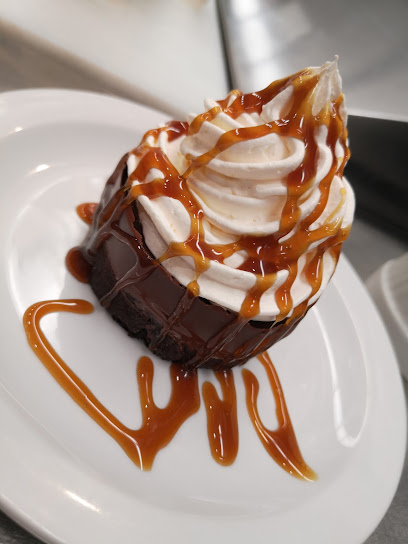
King's Arm Pub
68.8 km
Experience the vibrant atmosphere of King's Arm Pub in Kentville, where great food, drinks, and local camaraderie await you.
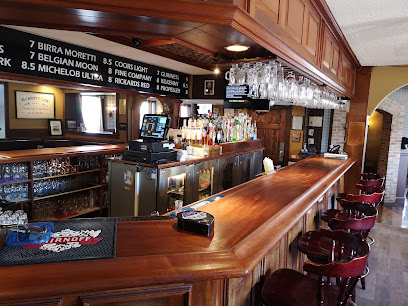
Rafters Bar
69.1 km
Experience the vibrant nightlife and local culture at Rafters Bar in Wolfville, Nova Scotia, with a great selection of drinks and friendly atmosphere.
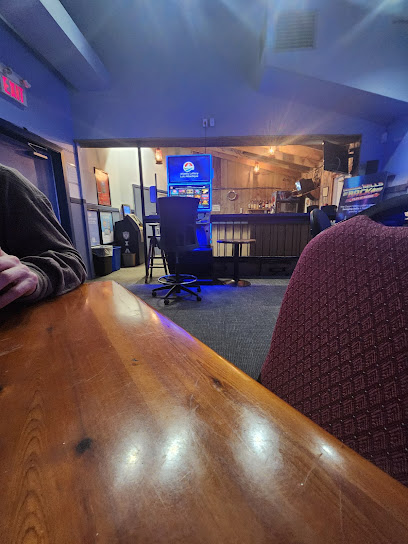
Old Orchard Inn
69.1 km
Discover the charm of Old Orchard Inn, where comfort meets culinary excellence in the heart of Nova Scotia's beautiful landscape.
Nightclubs & after hour spots

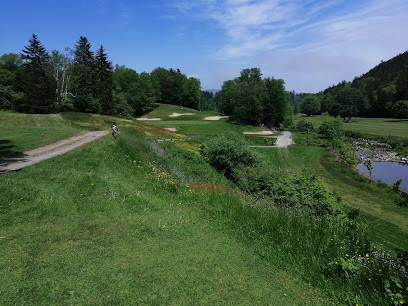
Fundy National Park Golf Course
41.6 km
Experience golfing like never before at Fundy National Park Golf Course, where stunning views and natural beauty enhance every swing.
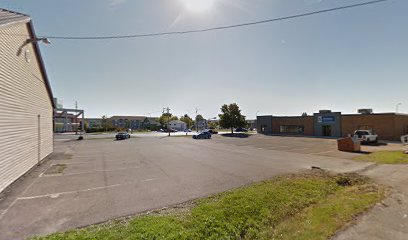
Angie's Show Palace
50.3 km
Discover the thrilling nightlife and captivating performances at Angie's Show Palace, Dieppe's premier adult entertainment destination.
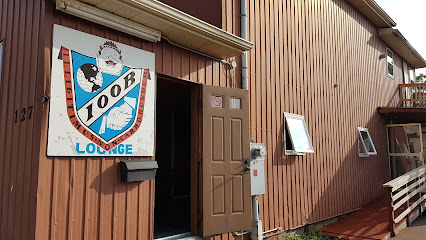
Ioob Lounge Ltd
50.5 km
Discover the inviting atmosphere of Ioob Lounge Ltd in Moncton, where great food and a relaxed vibe await every visitor.
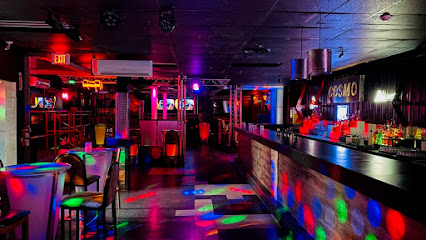
COSMO Dance Nightclub
50.7 km
Discover the lively atmosphere of COSMO Dance Nightclub in Moncton, where electrifying music and unforgettable nights await.
Kinz Knights Club
50.7 km
Dive into Moncton's nightlife at Kinz Knights Club, where electrifying music and an energetic atmosphere await every weekend.