

Ambassador Bridge, Peace River Country Travel Guide
Spanning the Detroit River, the Ambassador Bridge is a vital international link facilitating trade and travel between the U.S. and Canada.
The Ambassador Bridge, a historic suspension bridge connecting Detroit, Michigan, and Windsor, Ontario, stands as a vital international crossing and a symbol of trade and partnership between the United States and Canada. Opened in 1929, it has facilitated the movement of people and goods for nearly a century.
A brief summary to Ambassador Bridge
- Ambassador Brg, Windsor, Ontario, N9C 2K2, CA
- Click to display
- Click to display

Know before you go
Hi, I'm Eve. Here are a few practical things to know before exploring Ambassador Bridge.
- Check current traffic conditions and border wait times before crossing, as delays can occur, especially during peak hours.
- Ensure you have the necessary identification and travel documents to cross the border, such as a passport or birth certificate.
- Be aware of toll rates, which can vary depending on the direction of travel and payment method.
Do you manage this location?
Take control to get all the benefits, like improved information, better appearance, and stronger visibility across AI-powered discovery. Learn more about listing your business on Evendo
Activate your presenceOther nearby places you may find interesting
The closest places of the same kind, if this one is not quite what you had in mind.


Explore Ambassador Bridge on the Map
A handpicked selection of must-see spots near Ambassador Bridge, mapped for you.
Unlock the Best of Ambassador Bridge
Buy tickets
-
No tickets available
Book tours with entry

Book tours without entry
-
No tours available
Getting There
-
Driving
From downtown Detroit, follow I-96 W/M-10 W and exit onto I-75 S toward Windsor. Merge onto the Ambassador Bridge, following signs for Canada. Ensure you have your passport ready for border crossing. The toll to cross into Canada is $9 USD. Parking is available at the Duty Free Store.
-
Public Transport
From the Windsor Bus Station, take the Transway 4 towards the University of Windsor. From there walk approximately 4 minutes north towards the bridge. Please note that you will still need to pass customs at the border. Bus fare is approximately $3.25 CAD.
Discover more about Ambassador Bridge













Your all‑in‑one travel companion app
Explore expert travel guides, compare and book tours, experiences, hotels, and more—all from the palm of your hand. Download now for seamless trip planning wherever your wanderlust takes you.


Explore More of Peace River Country

Looking beyond Ambassador Bridge? Discover Peace River Country for broader travel guides, local hot-spots, and regional highlights.
Explore Peace River Country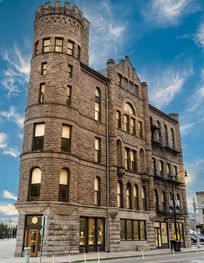
Explore the Grand Army of the Republic Building in Detroit: a historic site honoring Union veterans and showcasing rich architectural beauty.
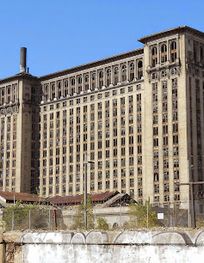
Explore Michigan Central, a historic landmark in Detroit that illustrates the city’s rich architectural heritage and vibrant culture.
