

Yorkville (Toronto) Travel Guide - Free
Explore Yorkville in Toronto with Evendo's free guide. Find the best shops, historic streets, restaurants, and gems on web or mobile.


Yorkville Toronto pairs Victorian lanes, the Mink Mile, galleries, fine dining and the Royal Ontario Museum with a polished village atmosphere near Bloor Street.
From Village to City Quarter
Yorkville occupies a compact area north of Bloor Street where Toronto’s nineteenth-century village origins meet one of the city’s most polished urban districts. Its lanes and side streets retain fragments of the former Village of Yorkville, while Bloor Street’s luxury shops and landmark hotels give the southern edge a distinctly metropolitan character. The neighbourhood is generally understood around Yorkville Avenue, Cumberland Street, Hazelton Street and the streets rising towards Davenport Road, although its informal boundaries overlap with adjacent parts of Midtown and the downtown core.Read more about Yorkville
Architecture, Art and Street Life
Dining and Evening Character
Best attractions in Yorkville
Yorkville’s attractions are concentrated in a walkable cluster of museums, public spaces, heritage streets and luxury shopping corridors. The Royal Ontario Museum, at the neighbourhood’s southern edge near Avenue Road and Bloor Street, brings natural-history and world-culture collections into the area, while the Gardiner Museum focuses on ceramic art. The Village of Yorkville Park is an unusual urban space organised around large pieces of granite, offering a pause between the commercial streets and a reminder of the Canadian landscape. Yorkville Avenue, Hazelton Street and Cumberland Street reward slow exploration for their mixture of restored nineteenth-century buildings, galleries, cafés and contemporary design. Bloor Street, known for its concentration of prestige retailers, provides a contrasting experience of wide pavements, major hotels and high-rise architecture. Together these places show Yorkville as both former village and carefully developed cultural quarter.
-
Tourist attraction
Art Gallery of Ontario
Explore the Art Gallery of Ontario: A cultural haven featuring vibrant exhibitions, stunning architecture, and a vast collection of art that captivates every visitor.
6 min drive · 1.8 km from neighbourhood centre
-
Tourist attraction
Allan Gardens
Discover the beauty of Allan Gardens, a stunning botanical garden in Toronto, featuring exotic plants, tranquil paths, and a vibrant conservatory experience.
5 min drive · 1.5 km from neighbourhood centre
-
Farm
Riverdale Farm
Experience the serenity of Riverdale Farm, a unique urban gem in Toronto, offering delightful animal encounters and lush gardens.
7 min drive · 2.3 km from neighbourhood centre
-
Tourist attraction
Village of Yorkville Park
Explore Yorkville Park, Toronto's urban oasis blending nature, art, and community in the heart of a vibrant neighborhood.
2 min walk · 0.1 km from neighbourhood centre


Best landmarks in Yorkville
Yorkville’s landmarks express the area’s layered development rather than a single monumental style. The Village of Yorkville Park is recognised by its series of large granite outcrops, a striking landscape intervention that evokes the rocky terrain of the Canadian Shield in the middle of the city. The former Yorkville Fire Hall on Yorkville Avenue is an important reminder of the area’s village-scale civic infrastructure, while the restored brick and stone buildings along Yorkville Avenue and Hazelton Street preserve the proportions of the nineteenth-century settlement. The Royal Ontario Museum’s highly contrasting historic and contemporary façades mark the southern edge, and the Gardiner Museum adds a distinct cultural presence near Queen’s Park. Along Bloor Street, luxury hotels and high-rise developments demonstrate the later commercial transformation that made Yorkville one of Toronto’s best-known addresses.
-
Shopping mall
Yorkville Village
Discover luxury shopping, gourmet dining, and cultural experiences at Yorkville Village, Toronto's premier shopping destination.
6 min walk · 0.5 km from neighbourhood centre
-
Park
Village of Yorkville Park
Experience the serene beauty and artistic charm of Yorkville Park, a tranquil oasis in the heart of Toronto's vibrant cultural scene.
2 min walk · 0.1 km from neighbourhood centre
-
Tourist attraction
The Yorkville Rock
A piece of the Ice Age in Toronto's fashionable Yorkville. Discover a geological wonder amidst the urban landscape.
2 min walk · 0.2 km from neighbourhood centre
-
Park
Town Hall Square
A hidden gem in Yorkville, Town Hall Square offers a serene escape with modern design and lush greenery, perfect for a peaceful break.
3 min walk · 0.3 km from neighbourhood centre


Explore Yorkville on the map
A handpicked selection of must-see spots in Yorkville, mapped for you.
Best hotels in Yorkville
Best restaurants in Yorkville
Yorkville’s dining scene reflects its position between major museums, luxury hotels, high-end retail and established residential streets. Hotel restaurants such as Café Boulud Toronto at the Four Seasons contribute sophisticated French-influenced dining, while Sassafraz occupies a restored heritage building on Cumberland Street and has become closely associated with the area’s polished restaurant culture. Hemingway’s offers a more relaxed, long-established meeting place, and the Manulife Centre adds accessible food and retail options near Bloor Street. Italian restaurants, wine bars, cafés, hotel lounges and contemporary dining rooms fill the spaces between galleries and boutiques, with patios and street-facing terraces more noticeable in warmer weather. The neighbourhood is better known for carefully presented meals and social occasions than for a single defining local speciality, while its multicultural range is part of the wider Toronto dining landscape rather than a separate Yorkville tradition.
-
Italian
Trattoria Nervosa
Experience authentic Italian flavors at Trattoria Nervosa in Toronto's vibrant Yorkville district with exceptional service and a cozy atmosphere.
2 min walk · 0.1 km from neighbourhood centre
-
Italian
Cibo Wine Bar Yorkville
Experience authentic Italian cuisine at Cibo Wine Bar Yorkville – where exceptional food meets a vibrant atmosphere in Toronto's stylish neighborhood.
4 min walk · 0.3 km from neighbourhood centre
-
Restaurant
Sassafraz
Experience culinary excellence at Sassafraz in Toronto's Old Town - where elegance meets flavor.
1 min walk · 0.1 km from neighbourhood centre
-
Mediterranean
Bar Reyna
Experience exquisite Mediterranean cuisine at Bar Reyna – your go-to spot for brunch and tapas in Toronto's vibrant Old Town.
3 min walk · 0.3 km from neighbourhood centre


Best bars in Yorkville
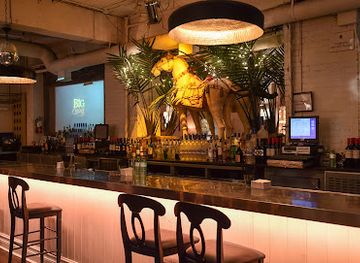
Yorkville is not one of Toronto’s principal club districts, and its evening character is shaped more by hotel bars, restaurant lounges, wine service and long-running pubs than by large nightclubs. Hemingway’s remains a familiar informal gathering place, while the Writers Room Bar at the Park Hyatt and d|bar at the Four Seasons provide more composed hotel-bar settings close to Bloor Street. Restaurant terraces and lounges around Yorkville Avenue and Cumberland Street become social meeting points after work and over dinner, but the pace is generally measured rather than all-night and frenetic. Visitors seeking live music or larger entertainment venues may need to continue into the wider downtown area, whereas Yorkville suits an evening built around cocktails, conversation, dining and a walk through illuminated heritage streets. Residential lanes are quieter, so late-night noise should be kept away from apartment entrances and private homes.
-
Bar
Hemingway's Restaurant and Bar
Discover Hemingway's Restaurant and Bar, a vibrant New Zealand-inspired eatery in Toronto, offering delicious cuisine and a lively atmosphere perfect for tourists.
3 min walk · 0.2 km from neighbourhood centre
-
Italian
Cibo Wine Bar Yorkville
Discover the heart of Italian cuisine at Cibo Wine Bar Yorkville, where exceptional flavors meet a vibrant atmosphere in Toronto's upscale district.
4 min walk · 0.3 km from neighbourhood centre
-
Bar
The Pilot
Discover The Pilot, a vibrant bar and restaurant in Toronto, offering a unique experience with a rooftop patio and a diverse menu to delight every palate.
2 min walk · 0.2 km from neighbourhood centre
-
Mediterranean
Bar Reyna
Discover the vibrant flavors of the Mediterranean at Bar Reyna, Toronto's premier destination for tapas, brunch, and cocktails in a lively atmosphere.
3 min walk · 0.3 km from neighbourhood centre


Best nightclubs in Yorkville
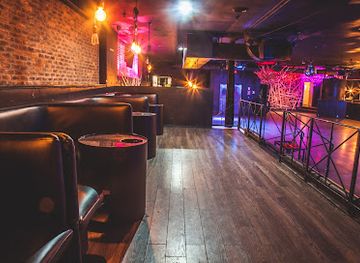
Yorkville is not one of Toronto’s principal club districts, and its evening character is shaped more by hotel bars, restaurant lounges, wine service and long-running pubs than by large nightclubs. Hemingway’s remains a familiar informal gathering place, while the Writers Room Bar at the Park Hyatt and d|bar at the Four Seasons provide more composed hotel-bar settings close to Bloor Street. Restaurant terraces and lounges around Yorkville Avenue and Cumberland Street become social meeting points after work and over dinner, but the pace is generally measured rather than all-night and frenetic. Visitors seeking live music or larger entertainment venues may need to continue into the wider downtown area, whereas Yorkville suits an evening built around cocktails, conversation, dining and a walk through illuminated heritage streets. Residential lanes are quieter, so late-night noise should be kept away from apartment entrances and private homes.
-
Bar
The Fifth Social Club
Discover The Fifth Social Club in Toronto - a stylish bar and lounge perfect for cocktails, dancing, and an unforgettable night out.
7 min drive · 2.3 km from neighbourhood centre
-
Night club
NEST
Experience the vibrant nightlife of Toronto at NEST, where great food meets electrifying music in a lively atmosphere.
6 min drive · 2.0 km from neighbourhood centre
-
Night club
VERTIGO Toronto
Discover Toronto's nightlife at VERTIGO, where electrifying music and vibrant crowds create unforgettable nights in the heart of the city.
18 min walk · 1.4 km from neighbourhood centre
-
Night club
Barcode Saturdays
Discover the electrifying atmosphere of Barcode Saturdays, Toronto's top night club for unforgettable nights filled with music, dancing, and excitement.
7 min drive · 2.4 km from neighbourhood centre

Best shops in Yorkville
Shopping is one of Yorkville’s defining activities, with the Bloor Street corridor forming part of Toronto’s luxury retail district, often called the Mink Mile. International fashion houses, jewellers, beauty brands and designer boutiques line the broad avenue, while Yorkville Avenue, Cumberland Street, Hazelton Street and the Yorkville Village complex offer a more varied mix of galleries, independent retailers, cafés and design-conscious businesses. The area’s retail identity is closely connected to its architecture: former houses and low-rise commercial buildings create smaller shopfronts away from Bloor Street, while newer developments provide larger contemporary interiors. Art galleries and jewellers are particularly prominent, giving browsing a cultural dimension alongside fashion and accessories. Visitors should not expect a traditional market district or bargain-shopping quarter; Yorkville is oriented towards curated retail, luxury goods, art and lifestyle businesses, with its strongest concentration around Bloor Street and the lanes immediately north of it.
-
Shopping mall
Yorkville Village
Experience luxury shopping and gourmet dining at Yorkville Village, Toronto's premier shopping mall with a unique urban vibe.
6 min walk · 0.5 km from neighbourhood centre
-
Clothing store
Revelle Shop
Discover unique fashion at Revelle Shop, Toronto's chic clothing store offering stylish garments and accessories for every taste.
7 min walk · 0.6 km from neighbourhood centre
-
Adult entertainment store
The Nookie
Explore The Nookie, Toronto's top adult entertainment store for exquisite lingerie and unique adult products, perfect for enhancing your intimate experiences.
2 min walk · 0.2 km from neighbourhood centre
-
Clothing store
Serpentine
Explore Serpentine, a unique clothing store in Toronto's Old Town, offering carefully curated fashion choices that capture the city's vibrant spirit.
2 min walk · 0.2 km from neighbourhood centre


Yorkville essentials
Getting There
Getting Around
Safety
Emergency Situations
Do's and Don'ts
Local Tips

From Eve
Local phrases worth knowing
You don't need to get them perfect. A few words go a long way, and locals appreciate the effort.
Basics
| English | Local | Say it |
|---|---|---|
| Hello | Hey | [hey] |
| Goodbye | Ta ta | [ta ta] |
| Yes | Aye | [aye] |
| No | Nah | [nah] |
| Please/You're welcome | Please/No worries | [Please/No worries] |
| Thank you | Cheers | [cheers] |
| Excuse me/Sorry | Pardon me/Sorry | [Pardon me/Sorry] |
| How are you? | How's it going? | [How's it going?] |
| Fine. And you? | Not too bad. You? | [Not too bad. You?] |
| Do you speak English? | Do you speak English? | [Do you speak English?] |
| I don't understand | I don't get it | [I don't get it] |
Eating & Drinking
| English | Local | Say it |
|---|---|---|
| I'd like to see the menu, please | Can I have the menu, please | [Can I have the menu, please] |
| I don't eat meat | I'm a vegetarian | [I'm a vegetarian] |
| Cheers! | Cheers! | [Cheers!] |
| I would like to pay, please | Can I pay, please | [Can I pay, please] |
Emergencies
| English | Local | Say it |
|---|---|---|
| Help! | Help! | [Help!] |
| Go away! | Get lost! | [Get lost!] |
| Call the Police! | Call the cops! | [Call the cops!] |
| Call a doctor! | Call a doctor! | [Call a doctor!] |
| I'm lost | I'm lost | [I'm lost] |
| I'm ill | I'm sick | [I'm sick] |
Shopping
| English | Local | Say it |
|---|---|---|
| I'd like to buy... | I want to buy... | [I want to buy...] |
| I'm just looking | I'm just browsing | [I'm just browsing] |
| How much is it? | How much does it cost? | [How much does it cost?] |
| That's too expensive | That's too pricey | [That's too pricey] |
| Can you lower the price? | Can you give me a discount? | [Can you give me a discount?] |
Time & Numbers
| English | Local | Say it |
|---|---|---|
| What time is it? | What time is it? | [What time is it?] |
| It's one o'clock | It's one o'clock | [It's one o'clock] |
| Half past (10) | Half past ten | [Half past ten] |
| Morning | Morning | [Morning] |
| Afternoon | Afternoon | [Afternoon] |
| Evening | Evening | [Evening] |
| Yesterday | Yesterday | [Yesterday] |
| Today | Today | [Today] |
| Tomorrow | Tomorrow | [Tomorrow] |
| 1 | One | [One] |
| 2 | Two | [Two] |
| 3 | Three | [Three] |
| 4 | Four | [Four] |
| 5 | Five | [Five] |
| 6 | Six | [Six] |
| 7 | Seven | [Seven] |
| 8 | Eight | [Eight] |
| 9 | Nine | [Nine] |
| 10 | Ten | [Ten] |
Transport & Directions
| English | Local | Say it |
|---|---|---|
| Where's a/the...? | Where's the...? | [Where's the...?] |
| What's the address? | What's the address? | [What's the address?] |
| Can you show me (on the map)? | Can you show me (on the map)? | [Can you show me (on the map)?] |
| When's the next (bus)? | When's the next (bus)? | [When's the next (bus)?] |
| A ticket (to ....) | A ticket (to ....) | [A ticket (to ....)] |
History of Yorkville
The Village of Yorkville
Yorkville began as a separate village north of Toronto, established in the 1830s by William Jarvis and Joseph Bloor. Its name honoured the Yorkville development promoted by Jarvis, while Bloor Street became an important route along its southern side. The settlement grew around small industries, homes, shops and public institutions rather than following the dense street pattern of central Toronto. A surviving sense of this earlier village can still be read in the scale of Yorkville Avenue, the narrow lanes and the mixture of modest nineteenth-century buildings that contrast with the towers and hotels built later.
Railways, Industry and Amalgamation
Yorkville’s early growth was helped by transportation links and by its proximity to Toronto without being fully absorbed into the city from the outset. Breweries and other small industries operated in and around the settlement, while residential streets developed beside commercial premises. Yorkville was incorporated as a village in the nineteenth century and annexed by Toronto in 1883, bringing its streets and services into the expanding municipality. The arrival and intensification of urban transport around Bloor Street gradually reduced its isolation and made the area increasingly accessible from central Toronto.
A Mid-Century Cultural Quarter
By the 1950s and 1960s, Yorkville’s small buildings and central location attracted cafés, clubs, boutiques and music venues. The district became associated with Toronto’s folk and countercultural scene, drawing musicians and writers before the area’s later transformation into a luxury shopping and hospitality quarter. This cultural period is an important part of Yorkville’s modern identity, even though many of the venues and businesses connected with it have disappeared. The surviving street pattern and low-rise buildings provide the physical setting through which that earlier social history is remembered.
Luxury Retail and Urban Reinvention
From the late twentieth century onwards, redevelopment reshaped Yorkville through high-end hotels, condominiums, galleries and international fashion retail, particularly around Bloor Street and the former Hazelton Lanes complex. Some heritage structures were restored or incorporated into larger developments, while new towers altered the skyline and property values. The neighbourhood now combines a carefully managed luxury image with traces of its village and bohemian past. Its contemporary significance lies in this layered character: a major shopping and hospitality address whose side streets still contain older buildings, local institutions and fragments of Toronto’s cultural history.
Yorkville in Photos
Browse through our photo collection highlighting the charm and character of the destination.
Neighbourhoods near Yorkville
The closest neighbourhoods to Yorkville, if you have time for more than one stop.
-

-
-

-

-


Swipe for more neighbourhoods
Explore more

Explore more of Toronto
Toronto blends waterfront views, multicultural cuisine, world-class museums and distinctive neighbourhoods with Canadian history and lively urban culture.
Explore Toronto