

Distillery District (Toronto) Travel Guide - Free
Explore Distillery District in Toronto with Evendo's free guide. Find the best shops, historic streets, restaurants, and gems on web or mobile.


Distillery District Toronto blends Victorian industrial architecture, galleries, public art, dining and seasonal markets in a walkable downtown quarter.
Industrial Origins
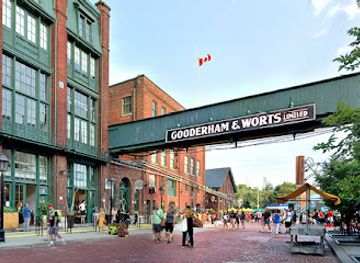
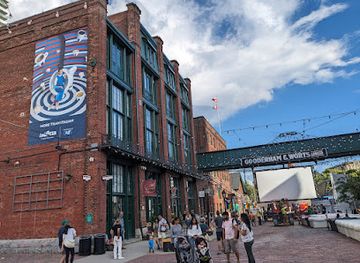
South-east of downtown Toronto, the Distillery District occupies the preserved red-brick buildings of the former Gooderham and Worts distillery. Founded in 1832, the complex grew into one of the largest distilleries in the British Empire, and its surviving warehouses, cooperages and brewing structures still give the area an unusually coherent architectural character. Cobblestone lanes, tall chimneys, ironwork and restored façades create a setting that feels distinct from the glass towers and broad avenues elsewhere in the city.Read more about Distillery District
Culture Among the Brickwork
Food, Events and Everyday Atmosphere
Best attractions in Distillery District
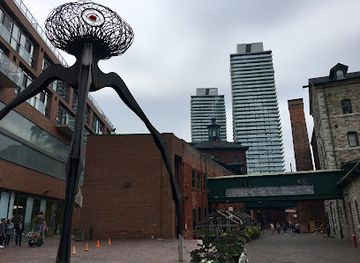
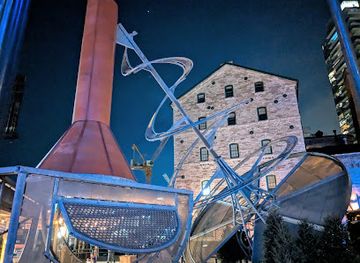
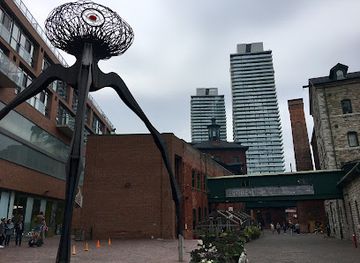
The Distillery District’s principal attraction is its walkable collection of restored Gooderham and Worts buildings, where cobbled lanes lead past galleries, design shops, cafés, restaurants and courtyards filled with public art. The former Tank House is home to the Young Centre for the Performing Arts, making theatre and dance part of the district’s cultural offering rather than an activity separate from its heritage setting. Visitors can explore the Stonehouse, the Malt House and other former production and storage buildings, while Trinity Street provides the broadest perspective on the scale of the complex. Outdoor sculptures and changing installations add a contemporary counterpoint to the Victorian brickwork. Seasonal programming, including the Christmas Market, can alter the atmosphere and layout, so the district works both as an architectural visit and as a venue for exhibitions, performances, food and design-led events.
-
Tourist attraction
The Haunted Walk of Toronto
Discover Toronto's haunted history with The Haunted Walk, a thrilling exploration of ghost stories and eerie legends in Canada's vibrant city.
2 min walk · 0.2 km from neighbourhood centre
-
Museum
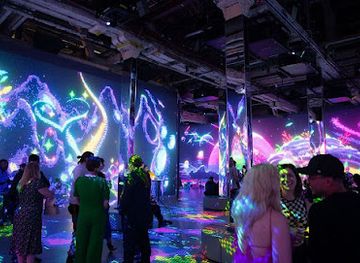
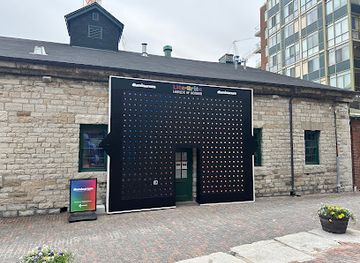
Illuminarium Toronto
Experience the magic of art and technology at Illuminarium Toronto, where immersive exhibitions redefine the art museum experience.
1 min walk · 0.1 km from neighbourhood centre
-
Tourist attraction
Go Tours Canada - Distillery District
Discover the vibrant Distillery District in Toronto, a blend of history, art, and culinary delights in a beautifully preserved Victorian setting.
2 min walk · 0.2 km from neighbourhood centre
-
Tourist attraction
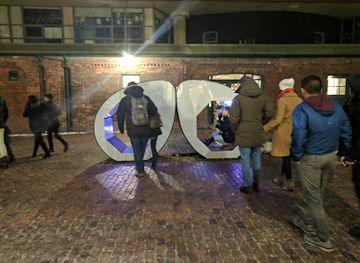
Big Heart
Explore Big Heart in Toronto, a vibrant tourist attraction filled with unique shops, delightful cafes, and stunning art installations that define the city's culture.
2 min walk · 0.2 km from neighbourhood centre
Best landmarks in Distillery District
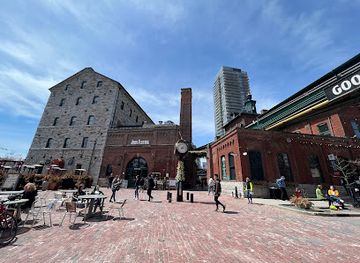
The Distillery District is itself the landmark: a notably intact group of Victorian industrial buildings associated with Gooderham and Worts. The Stonehouse, Malt House, former fermentation buildings, storage warehouses and the tall industrial structures around Tank House Lane reveal how a large distilling operation was organised across production, storage and service functions. Their exposed brick, repetitive windows, heavy timber and utilitarian forms are more significant as a connected complex than as isolated façades. The Young Centre for the Performing Arts occupies the former Tank House and demonstrates the district’s adaptive-reuse approach, placing contemporary performance inside a historic structure. Cobblestone lanes and surviving industrial details reinforce the site’s former working character, while public sculptures and the district’s pedestrian courtyards show how heritage conservation has been combined with modern cultural use.
-
Tourist attraction
The Distillery Historic District
Explore Toronto's Distillery District: A captivating blend of Victorian history, unique shops, art galleries, and cultural experiences in a pedestrian-friendly village.
1 min walk · 0.1 km from neighbourhood centre
-
Tourist attraction
The Haunted Walk of Toronto
Uncover the spine-tingling legends and ghostly tales of Toronto on The Haunted Walk, a must-experience journey into the city's haunted history.
2 min walk · 0.2 km from neighbourhood centre
-
Museum
Illuminarium Toronto
Explore the enchanting world of art and technology at Illuminarium Toronto, where immersive experiences captivate and inspire visitors of all ages.
1 min walk · 0.1 km from neighbourhood centre
-
Tourist attraction
Go Tours Canada - Distillery District
Experience the charm of the Distillery District in Toronto—where history meets modern creativity in a vibrant cultural hub.
2 min walk · 0.2 km from neighbourhood centre
Explore Distillery District on the map
A handpicked selection of must-see spots in Distillery District, mapped for you.
Best hotels in Distillery District
Best restaurants in Distillery District
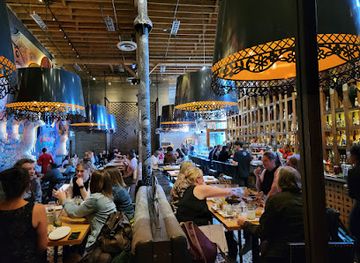
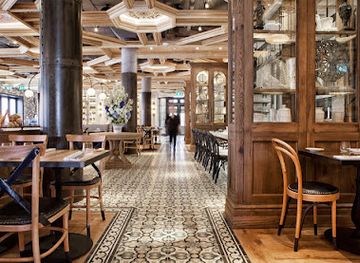
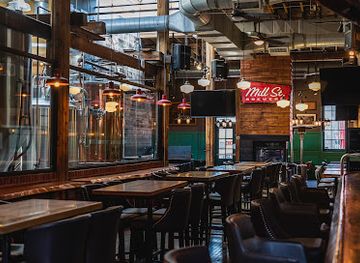
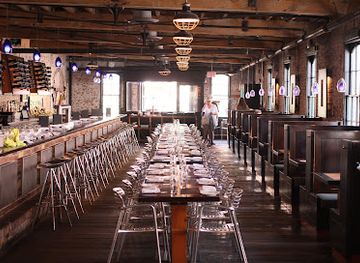
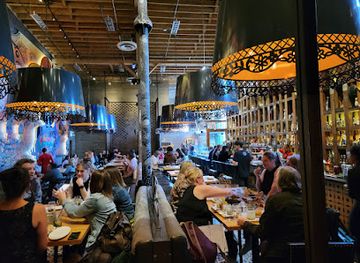
Dining in the Distillery District takes place within adapted industrial buildings and along pedestrian lanes, giving meals a strong architectural setting. The choice includes Mexican cooking at El Catrin, French-influenced and contemporary menus at Cluny Bistro, seafood and modern Canadian dishes at Pure Spirits Oyster Bar, and cafés, bakeries and dessert-focused stops for less formal visits. Several restaurants use courtyards or lane-side terraces in suitable weather, while the former warehouses provide atmospheric interiors throughout the year. The area is oriented towards restaurants and destination dining rather than a traditional market food culture, although its proximity to the St Lawrence Market area offers a broader food outing nearby. Reservations may be useful for theatre evenings, festivals and peak seasonal periods, but current opening arrangements and menus should be checked directly with individual venues.
-
Mexican
El Catrin Destileria
Discover authentic Mexican cuisine and exquisite cocktails at El Catrin Destileria in Toronto's historic Distillery District.
1 min walk · 0.1 km from neighbourhood centre
-
Bistro
Cluny Bistro & Boulangerie
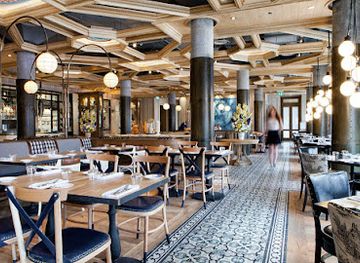
Discover Cluny Bistro & Boulangerie: A Modern French Culinary Haven in Toronto's Distillery District.
2 min walk · 0.1 km from neighbourhood centre
-
Brewpub
Mill Street Brewpub Distillery District Toronto
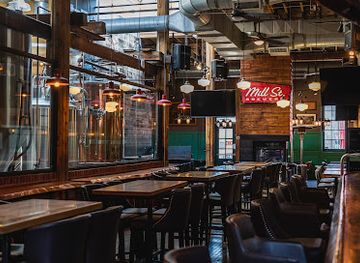
Discover the unique flavors of Mill Street Brewpub in Toronto's Distillery District - where craft beer meets delicious local cuisine.
1 min walk · 0.1 km from neighbourhood centre
-
Seafood
Pure Spirits
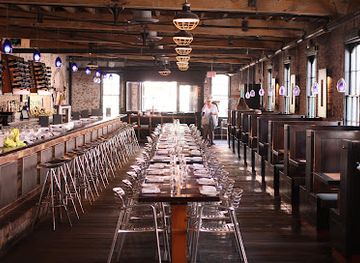
Savor fresh seafood delights at Pure Spirits in Toronto's Distillery District - where culinary excellence meets vibrant ambiance.
1 min walk · 0.1 km from neighbourhood centre
Best bars in Distillery District
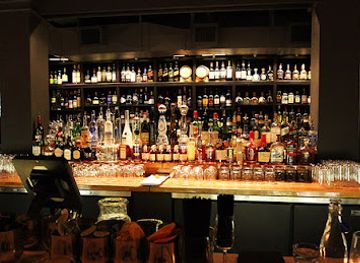
The Distillery District’s evening life is centred on restaurants, cocktail bars, brewery-related venues and cultural performances rather than large nightclubs. El Catrin is known for its expansive bar and Mexican-focused setting, while other dining venues provide drinks in the restored warehouses and around the pedestrian lanes. The Young Centre for the Performing Arts brings scheduled theatre and dance after dark, creating a cultural alternative to a conventional club night. Seasonal events can make Trinity Street and the surrounding courtyards considerably busier, especially during the Christmas Market period, but the district generally becomes quieter once venues close. Visitors seeking a broader late-night scene can continue towards King Street, Queen Street East or the downtown entertainment areas, which lie outside the Distillery District.
-
Mexican
El Catrin Destileria
Savor the essence of Mexico in Toronto with artisanal cocktails, vibrant decor, and an unforgettable dining experience at El Catrin Destileria.
1 min walk · 0.1 km from neighbourhood centre
-
Bar
Cluny Bistro & Boulangerie
Experience the essence of French cuisine at Cluny Bistro & Boulangerie in Toronto's Distillery District, where every dish is a celebration of flavor.
2 min walk · 0.1 km from neighbourhood centre
-
Brewpub
Mill Street Brewpub Distillery District Toronto
Discover the heart of Toronto's craft beer scene at Mill Street Brewpub in the historic Distillery District, offering delicious brews and memorable dining experiences.
1 min walk · 0.1 km from neighbourhood centre
-
Seafood
Pure Spirits
Experience the finest seafood in Toronto at Pure Spirits, where fresh flavors meet a vibrant atmosphere in the Distillery District.
1 min walk · 0.1 km from neighbourhood centre
Best nightclubs in Distillery District
The Distillery District’s evening life is centred on restaurants, cocktail bars, brewery-related venues and cultural performances rather than large nightclubs. El Catrin is known for its expansive bar and Mexican-focused setting, while other dining venues provide drinks in the restored warehouses and around the pedestrian lanes. The Young Centre for the Performing Arts brings scheduled theatre and dance after dark, creating a cultural alternative to a conventional club night. Seasonal events can make Trinity Street and the surrounding courtyards considerably busier, especially during the Christmas Market period, but the district generally becomes quieter once venues close. Visitors seeking a broader late-night scene can continue towards King Street, Queen Street East or the downtown entertainment areas, which lie outside the Distillery District.
-
Bar
SpiritHouse Toronto
Discover the vibrant nightlife and exquisite dining at SpiritHouse Toronto, the ultimate destination for bar and event lovers.
1 min walk · 0.1 km from neighbourhood centre
-
Night club
Southline Holdings Inc
Southline Holdings Inc: Dive into Toronto's night scene with electrifying music, vibrant crowds, and unparalleled entertainment in Old Toronto.
2 min walk · 0.2 km from neighbourhood centre
Best shops in Distillery District
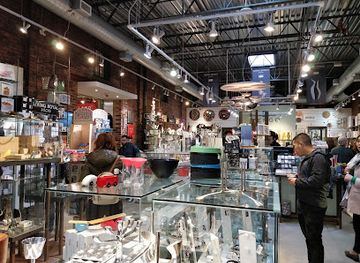
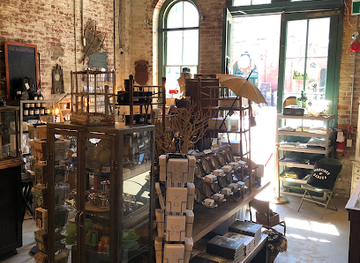
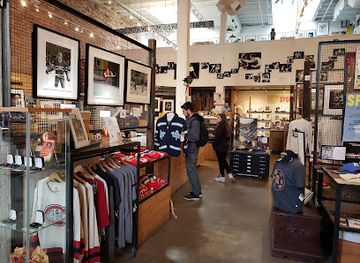
Shopping in the Distillery District is concentrated in small independent and design-led retailers occupying the former industrial buildings rather than in large department stores. Visitors find Canadian fashion, jewellery, homewares, art, stationery, gifts, crafts and specialist food products among the boutiques, galleries and studios around Trinity Street, Gristmill Lane and Tank House Lane. The selection reflects the district’s cultural redevelopment, with visual design and locally oriented creative goods more prominent than everyday household shopping. Seasonal events add temporary stalls and themed retail, particularly around Christmas, but stock and participating sellers can change. The district is also a setting for browsing: restored façades, public art and courtyards make movement between shops part of the experience. For a more traditional food-market visit, St Lawrence Market is nearby but lies outside the Distillery District itself.
-
Novelty store
Bergo Designs
Explore Bergo Designs, Toronto's charming novelty store offering unique jewelry, toys, and gifts that capture the city's creative spirit.
1 min walk · 0.1 km from neighbourhood centre
-
Boutique
Hoi Bo
Explore Hoi Bo, a chic boutique in Old Toronto, offering a unique selection of bags and clothing that embody style and sustainability.
1 min walk · 0.1 km from neighbourhood centre
-
Gift shop
Blackbird Vintage Finds
Explore Blackbird Vintage Finds in Toronto for unique gifts and antiques that capture the essence of nostalgia and creativity.
1 min walk · 0.1 km from neighbourhood centre
-
Gift shop
The SPORT Gallery (SPORT at the Distillery)
Discover the fusion of sports and art at The SPORT Gallery, a unique destination in Toronto's Distillery District, offering apparel, memorabilia, and creative events.
1 min walk · 0.1 km from neighbourhood centre
Distillery District essentials
Getting There
Getting Around
Safety
Emergency Situations
Do's and Don'ts
Local Tips

From Eve
Local phrases worth knowing
You don't need to get them perfect. A few words go a long way, and locals appreciate the effort.
Basics
| English | Local | Say it |
|---|---|---|
| Hello | Bonjour | [bon-zhoor] |
| Goodbye | Au revoir | [oh ruh-vwahr] |
| Yes | Oui | [wee] |
| No | Non | [nohn] |
| Please/You're welcome | S'il vous plaît | [seel voo pleh] |
| Thank you | Merci | [mehr-see] |
| Excuse me/Sorry | Excusez-moi | [ex-kew-zay mwah] |
| How are you? | Comment ça va? | [koh-mohn sah vah] |
| Fine. And you? | Bien. Et toi? | [byen. ay twah] |
| Do you speak English? | Parlez-vous anglais? | [par-lay voo ahng-glay] |
| I don't understand | Je ne comprends pas | [zhuh nuh kohm-prahnd pah] |
Eating & Drinking
| English | Local | Say it |
|---|---|---|
| I'd like to see the menu, please | Je voudrais voir le menu, s'il vous plaît | [zhuh voo-dray vwahr luh men-yoo, seel voo pleh] |
| I don't eat meat | Je ne mange pas de viande | [zhuh nuh mahnj pah duh vee-and] |
| Cheers! | Santé! | [sahn-tay] |
| I would like to pay, please | Je voudrais payer, s'il vous plaît | [zhuh voo-dray pay-ay, seel voo pleh] |
Emergencies
| English | Local | Say it |
|---|---|---|
| Help! | Au secours! | [oh suh-koor] |
| Go away! | Allez-vous en! | [ah-lay vooz ahn] |
| Call the Police! | Appelez la police! | [ah-pay-lay lah poh-lees] |
| Call a doctor! | Appelez un médecin! | [ah-pay-lay uh mayd-sahn] |
| I'm lost | Je suis perdu | [zhuh swee pehr-doo] |
| I'm ill | Je suis malade | [zhuh swee mah-lahd] |
Shopping
| English | Local | Say it |
|---|---|---|
| I'd like to buy... | Je voudrais acheter... | [zhuh voo-dray zah-shay] |
| I'm just looking | Je regarde juste | [zhuh ruh-gahrd zhuhst] |
| How much is it? | Combien ça coûte? | [kohm-byen sah koot] |
| That's too expensive | C'est trop cher | [say troh shehr] |
| Can you lower the price? | Pouvez-vous baisser le prix? | [poo-vay voo bay-say luh pree] |
Time & Numbers
| English | Local | Say it |
|---|---|---|
| What time is it? | Quelle heure est-il? | [kel uhr ay-teel] |
| It's one o'clock | Il est une heure | [eel ay oon uhr] |
| Half past (10) | Dix heures et demie | [dees uhr ay duh-mee] |
| Morning | Matin | [mah-tahn] |
| Afternoon | Après-midi | [ah-pray mee-dee] |
| Evening | Soir | [swahr] |
| Yesterday | Hier | [yehr] |
| Today | Aujourd'hui | [oh-zhoor-dwee] |
| Tomorrow | Demain | [duh-man] |
| 1 | Un | [uhn] |
| 2 | Deux | [duh] |
| 3 | Trois | [twah] |
| 4 | Quatre | [kat] |
| 5 | Cinq | [sank] |
| 6 | Six | [sees] |
| 7 | Sept | [set] |
| 8 | Huit | [weet] |
| 9 | Neuf | [nuf] |
| 10 | Dix | [dees] |
Transport & Directions
| English | Local | Say it |
|---|---|---|
| Where's a/the...? | Où est...? | [oo ay] |
| What's the address? | Quelle est l'adresse? | [kel ay lah-dress] |
| Can you show me (on the map)? | Pouvez-vous me montrer (sur la carte)? | [poo-vay voo muh mohn-tray (sewr lah kart)] |
| When's the next (bus)? | Quand est le prochain (bus)? | [kahn ay luh proh-shahn (boos)] |
| A ticket (to ....) | Un billet (pour ...) | [uhn bee-ay (poor)] |
History of Distillery District
The Gooderham and Worts Foundation
The neighbourhood’s defining industrial history began in 1832, when brothers William and James Worts established a distillery on Toronto’s eastern waterfront. After James Worts died, William Gooderham joined the enterprise, and Gooderham and Worts expanded production as Toronto grew into a major commercial centre. The company benefited from access to grain, water transport and nearby urban markets, while its buildings helped establish the area’s enduring industrial identity. Distilling, brewing, cooperage and storage required a large, specialised complex rather than a single factory, creating the network of brick structures and service lanes that remains visible today.
Expansion into an Industrial Complex
During the nineteenth and early twentieth centuries, Gooderham and Worts developed one of Canada’s most important distilling operations. The complex included production buildings, warehouses, offices, workshops and infrastructure associated with the movement of raw materials and finished spirits. Its characteristic Victorian industrial architecture reflects repeated expansion rather than a single planned construction campaign. The business became closely associated with Toronto’s commercial growth and employed generations of workers, while the surrounding east-downtown area combined industry, transport routes and working communities. Surviving structures such as the Stonehouse, the Malt House and the former fermentation and storage buildings preserve this working landscape.
Closure and Industrial Decline
Gooderham and Worts gradually lost its role as changing production methods, transport patterns and economic conditions reshaped Toronto’s waterfront and inner east end. Distilling operations ceased in the early 1990s, leaving the complex largely unused and vulnerable to deterioration. The closure marked the end of an industrial era that had connected the site to grain, brewing, shipping and urban manufacturing. Its buildings nevertheless attracted heritage interest because they formed one of the most substantial and intact collections of Victorian industrial architecture in Canada, encouraging conservation rather than wholesale demolition.
A New Cultural District
A large-scale restoration and adaptive-reuse project transformed the former distillery complex into the pedestrian-oriented Distillery District, which opened to the public in 2003. Developers retained the historic buildings and cobblestone character while introducing galleries, shops, restaurants, studios and performance spaces. The Young Centre for the Performing Arts became an important cultural anchor, and public art and festivals added a contemporary layer to the preserved industrial setting. The redevelopment also formed part of the wider revitalisation of Toronto’s east downtown and waterfront edge, changing the site from a closed production compound into a prominent cultural and visitor district.
Distillery District in Photos
Browse through our photo collection highlighting the charm and character of the destination.
Neighbourhoods near Distillery District
The closest neighbourhoods to Distillery District, if you have time for more than one stop.
-
-

-

-

-


Swipe for more neighbourhoods
Explore more

Explore more of Toronto
Toronto blends waterfront views, multicultural cuisine, world-class museums and distinctive neighbourhoods with Canadian history and lively urban culture.
Explore Toronto