

Avenida del Mar (La Serena) Travel Guide - Free
Explore Avenida del Mar in La Serena with Evendo's free guide. Find the best shops, historic streets, restaurants, and gems on web or mobile.


Avenida del Mar in La Serena pairs Pacific beaches, sunset walks, seafood dining and coastal escapes with easy access to Chile’s Elqui Valley and city centre.
Coastal Setting and Character
Avenida del Mar is La Serena’s long Pacific-facing waterfront corridor, stretching south from the Faro Monumental towards the coastal edge shared with neighbouring Coquimbo. It is less a historic quarter than a linear seaside district, shaped by beaches, holiday apartments, restaurants and broad ocean views. The avenue’s character changes along its length: the area around the lighthouse feels open and promenade-like, while the southern stretches become more residential and seasonal, with dunes, beach access points and low-rise development between the road and the sand.Read more about Avenida del Mar
Beach Life and Ocean Views
Eating, Staying and Exploring
Best attractions in Avenida del Mar
Avenida del Mar’s main attraction is its Pacific shoreline, where a long sequence of beaches provides space for walking, sitting beside the water and watching surfers and changing coastal light. Playa El Faro, La Barca, Cuatro Esquinas and Canto del Agua are among the beach names associated with the corridor, although visitors should regard them as connected sections of a broad waterfront rather than entirely separate resort centres. At the northern end, the Faro Monumental offers the avenue’s clearest visual reference and a popular meeting point near the city side of the coast. Along the road, ocean-facing viewpoints, beach entrances, restaurants and stretches of open sand create a sightseeing experience based more on landscape and everyday recreation than on museums or formal attractions. The avenue is also a useful starting point for exploring the wider La Serena–Coquimbo coast.
-
Tourist attraction
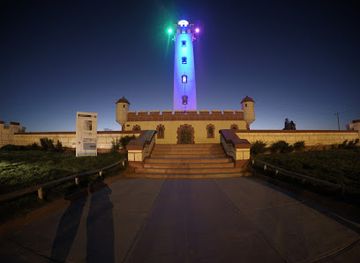
Faro Monumental
Explore Faro Monumental in La Serena, a stunning lighthouse offering breathtaking views and a glimpse into Chile's maritime heritage.
19 min walk · 1.5 km from neighbourhood centre
-
Tourist attraction
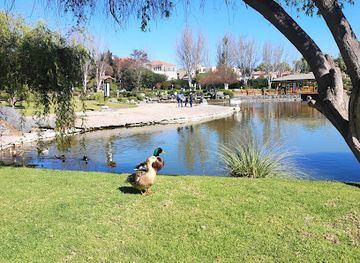
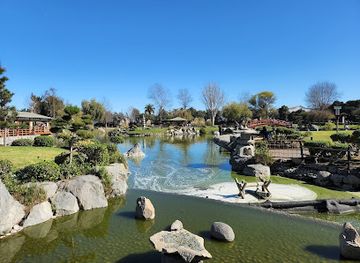
Japonés La Serena Garden
Explore the serene Jardín Japonés La Serena, a cultural gem featuring stunning landscapes, koi ponds, and peaceful surroundings in La Serena, Chile.
4 min walk · 0.4 km from neighbourhood centre
-
Tourist attraction
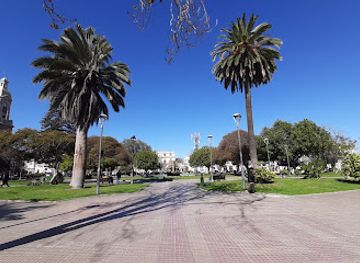
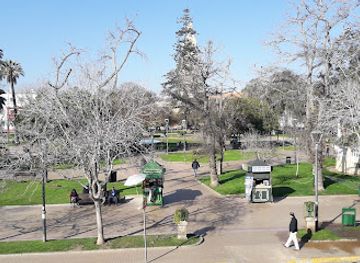
Plaza de Armas de La Serena
Explore La Serena's Plaza de Armas: A cultural hub of colonial architecture, lush gardens, and vibrant local life in the heart of Chile.
9 min walk · 0.7 km from neighbourhood centre
-
Tourist attraction
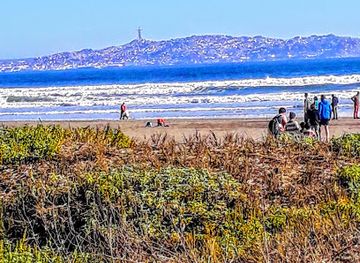
Playa El Faro
Experience the enchanting Playa El Faro, a stunning beach in La Serena, Coquimbo, Chile, perfect for relaxation, adventure, and breathtaking sunsets.
5 min drive · 1.5 km from neighbourhood centre
Best landmarks in Avenida del Mar
The Faro Monumental is Avenida del Mar’s defining landmark, standing at the northern end of the waterfront and functioning as both a navigational reference and a symbol of La Serena’s coastal identity. Its mid-twentieth-century construction reflects the period when the city was formalising its relationship with the seafront, rather than the colonial era associated with La Serena’s inland centre. Beyond the lighthouse, the most significant physical features are the avenue itself, the long beaches and the built edge of apartments, hotels and restaurants facing the Pacific. These elements illustrate the district’s development as a modern leisure corridor. The shore, beach access points and open horizon are not monuments in the conventional sense, but together they form the landscape that gives Avenida del Mar its recognisable character.
-
 Monument
Faro Monumental
Explore the iconic Faro Monumental in La Serena, a stunning lighthouse that embodies Chile's maritime history and offers breathtaking coastal views.
19 min walk · 1.5 km from neighbourhood centre
-
Market
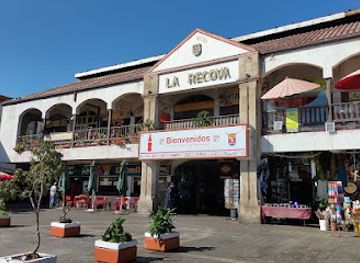
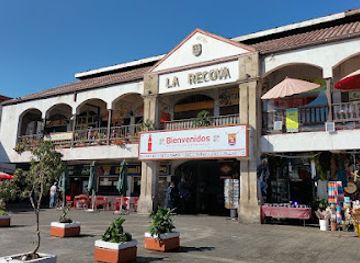
La Recova
Discover the vibrant flavors and rich culture of La Serena at La Recova, a bustling market filled with local crafts, delicious food, and unforgettable experiences.
16 min walk · 1.3 km from neighbourhood centre
-
Park
Japonés La Serena Garden
Experience tranquility at La Serena's Japanese Garden, the largest in Latin America, with serene paths, koi ponds, and traditional landscaping.
4 min walk · 0.4 km from neighbourhood centre
-
City park
Plaza de Armas de La Serena
Discover La Serena's vibrant heart: Plaza de Armas, where history, culture, and community converge in a beautiful city park.
9 min walk · 0.7 km from neighbourhood centre
Explore Avenida del Mar on the map
A handpicked selection of must-see spots in Avenida del Mar, mapped for you.
Best hotels in Avenida del Mar
Best restaurants in Avenida del Mar
The dining scene along Avenida del Mar is organised around the coast, with seafood, Chilean dishes, casual cafés and holiday-oriented restaurants occupying premises near the road and beach access points. Fish and shellfish are natural features of the waterfront offer, while menus also commonly include familiar Chilean fare for visitors seeking something more substantial than a snack. Restaurants vary considerably in scale, from informal places suited to a daytime beach stop to larger venues designed for leisurely evening meals with ocean views. The avenue’s food culture is more seasonal and visitor-facing than that of La Serena’s historic centre, and individual businesses can change over time, so it is sensible to inspect current menus and opening information locally. For a wider range of traditional cafés, bakeries and everyday eateries, visitors can continue inland towards central La Serena.
-
Restaurant
La Mia Pizza
Discover delicious artisan pizzas at La Mia Pizza in La Serena - where fresh ingredients meet coastal charm.
6 min drive · 2.0 km from neighbourhood centre
-
Restaurant
Santorini Restaurant
Experience exquisite dining at Santorini Restaurant in Coquimbo with breathtaking ocean views and delicious local flavors.
7 min drive · 2.5 km from neighbourhood centre
-
Restaurant
Beirut la serena
Experience the essence of Mediterranean cuisine at Beirut la Serena in La Serena - where every dish tells a story.
7 min drive · 2.3 km from neighbourhood centre

Best bars in Avenida del Mar
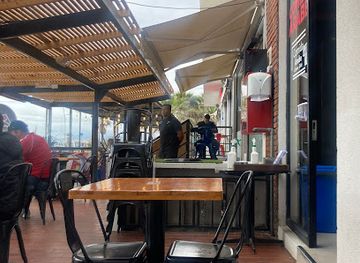
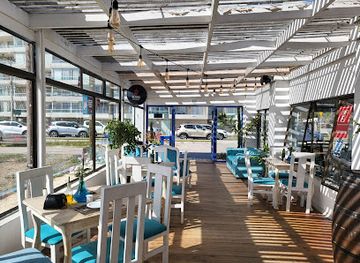
Evenings on Avenida del Mar are generally centred on restaurants, cafés and seaside socialising rather than a dense club district. The waterfront can remain active after sunset, particularly during summer and holiday periods, when visitors move between ocean-facing dining rooms, casual bars and accommodation along the avenue. Some venues provide a more animated evening atmosphere, but the character changes from one stretch to another and is quieter near predominantly residential buildings. The coastal road is also used for relaxed night walks, although wind, uneven beach approaches and lower pedestrian numbers on the outer sections deserve attention. Visitors seeking a broader choice of late-night entertainment may need to look towards central La Serena or Coquimbo, rather than assuming that every part of the avenue operates as a nightlife strip.
-
Restaurant
Santorini Restaurant
Discover Santorini Restaurant in Coquimbo, where Mediterranean flavors meet local cuisine for a truly unforgettable dining experience.
7 min drive · 2.5 km from neighbourhood centre
-
Bar
Bsr huentelauquen
Discover Bsr Huentelauquen, a vibrant bar in La Serena offering local drinks and stunning coastal views, perfect for immersing in the nightlife.
7 min drive · 2.5 km from neighbourhood centre
Best nightclubs in Avenida del Mar
Evenings on Avenida del Mar are generally centred on restaurants, cafés and seaside socialising rather than a dense club district. The waterfront can remain active after sunset, particularly during summer and holiday periods, when visitors move between ocean-facing dining rooms, casual bars and accommodation along the avenue. Some venues provide a more animated evening atmosphere, but the character changes from one stretch to another and is quieter near predominantly residential buildings. The coastal road is also used for relaxed night walks, although wind, uneven beach approaches and lower pedestrian numbers on the outer sections deserve attention. Visitors seeking a broader choice of late-night entertainment may need to look towards central La Serena or Coquimbo, rather than assuming that every part of the avenue operates as a nightlife strip.
-
Night club
Arcangel Discotheque
Discover La Serena's vibrant nightlife at Arcangel Discotheque, where unforgettable nights of music, dance, and entertainment await.
18 min walk · 1.4 km from neighbourhood centre
-
Disco club
El Bacano PUB
Discover the heartbeat of La Serena's nightlife at El Bacano PUB - a disco club where music and fun collide.
14 min walk · 1.1 km from neighbourhood centre
-
Night club
SUPRA CLUB
Immerse yourself in the electrifying nightlife of La Serena at SUPRA CLUB, where music, dancing, and excitement come together.
11 min walk · 0.9 km from neighbourhood centre


Best shops in Avenida del Mar
Shopping on Avenida del Mar is practical and visitor-oriented rather than comparable with a traditional market quarter or specialist retail district. Small convenience shops, beach-related businesses, cafés and seasonal outlets appear among the restaurants, apartment buildings and accommodation, allowing visitors to pick up everyday supplies or items for a day by the water. The avenue does not have the concentrated colonial craft shopping found nearer La Serena’s historic centre, nor should its restaurant frontage be mistaken for a retail boulevard. Its commercial activity is closely tied to the coast and fluctuates with visitor numbers, especially during holiday periods. For handicrafts, everyday city shopping and a broader selection of independent businesses, travelling inland towards central La Serena is more productive, while the waterfront is best understood as a place for seaside services and informal browsing.
-
Shopping mall
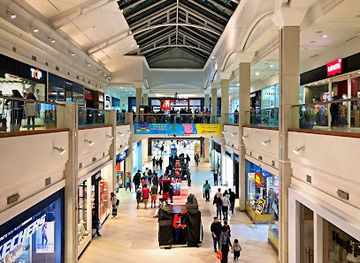
Mallplaza La Serena
Experience the ultimate shopping and entertainment destination at Mallplaza La Serena, a vibrant hub in the heart of Chile's coastal gem.
11 min walk · 0.9 km from neighbourhood centre
-
Market
La Recova
Discover the vibrant La Recova Market in La Serena, where local flavors and artisan crafts come together to create an unforgettable experience.
16 min walk · 1.3 km from neighbourhood centre
-
Espresso bar
Dulcería y Emporio La Trinidad
Discover the sweet flavors of Dulcería y Emporio La Trinidad, a must-visit bakery and espresso bar in Coquimbo, Chile.
6 min drive · 2.0 km from neighbourhood centre
-
Shopping mall
Portal La Serena
Explore the vibrant Portal La Serena shopping mall, where local culture meets modern retail in the heart of Coquimbo.
14 min walk · 1.1 km from neighbourhood centre

Avenida del Mar essentials
Getting There
Getting Around
Safety
Emergency Situations
Do's and Don'ts
Local Tips

From Eve
Local phrases worth knowing
You don't need to get them perfect. A few words go a long way, and locals appreciate the effort.
Basics
| English | Local | Say it |
|---|---|---|
| Hello | Hola | [oh-lah] |
| Goodbye | Adiós | [ah-dee-ohs] |
| Yes | Sí | [see] |
| No | No | [no] |
| Please/You're welcome | Por favor/De nada | [por fah-vohr/deh nah-dah] |
| Thank you | Gracias | [grah-see-ahs] |
| Excuse me/Sorry | Perdón | [pehr-dohn] |
| How are you? | ¿Cómo estás? | [koh-moh ehs-tahs] |
| Fine. And you? | Bien. ¿Y tú? | [byen. ee too] |
| Do you speak English? | ¿Hablas inglés? | [ah-blahs een-glehs] |
| I don't understand | No entiendo | [noh ehn-tee-ehn-doh] |
Eating & Drinking
| English | Local | Say it |
|---|---|---|
| I'd like to see the menu, please | Me gustaría ver el menú, por favor | [meh goos-tah-ree-ah behr ehl meh-noo, poor fah-vohr] |
| I don't eat meat | No como carne | [noh koh-moh kahr-neh] |
| Cheers! | ¡Salud! | [sah-loohd] |
| I would like to pay, please | Me gustaría pagar, por favor | [meh goos-tah-ree-ah pah-gahr, poor fah-vohr] |
Emergencies
| English | Local | Say it |
|---|---|---|
| Help! | ¡Ayuda! | [ah-yoo-dah] |
| Go away! | ¡Vete! | [veh-teh] |
| Call the Police! | Llama a la policía | [yah-mah ah lah poh-lee-see-ah] |
| Call a doctor! | Llama a un doctor | [yah-mah ah oon dohk-tohr] |
| I'm lost | Estoy perdido | [ehs-toy pehr-dee-doh] |
| I'm ill | Estoy enfermo | [ehs-toy ehn-fehr-moh] |
Shopping
| English | Local | Say it |
|---|---|---|
| I'd like to buy... | Quisiera comprar... | [kee-see-eh-rah kohm-prahr] |
| I'm just looking | Solo estoy mirando | [soh-loh ehs-toy meer-ahn-doh] |
| How much is it? | ¿Cuánto cuesta? | [kwan-toh kwehs-tah] |
| That's too expensive | Eso es demasiado caro | [eh-soh ehs deh-mah-see-ah-doh kah-roh] |
| Can you lower the price? | ¿Puedes rebajar el precio? | [pweh-dehs reh-bah-hahr ehl pree-eh-soh] |
Time & Numbers
| English | Local | Say it |
|---|---|---|
| What time is it? | ¿Qué hora es? | [keh oh-rah ehs] |
| It's one o'clock | Es la una | [ehs lah oo-nah] |
| Half past (10) | Las diez y media | [lahs dyehs ee meh-dee-ah] |
| Morning | Mañana | [mah-nyah-nah] |
| Afternoon | Tarde | [tahr-deh] |
| Evening | Noche | [noh-cheh] |
| Yesterday | Ayer | [ah-yehr] |
| Today | Hoy | [oy] |
| Tomorrow | Mañana | [mah-nyah-nah] |
| 1 | Uno | [oo-noh] |
| 2 | Dos | [dohs] |
| 3 | Tres | [trehs] |
| 4 | Cuatro | [kwah-troh] |
| 5 | Cinco | [seen-koh] |
| 6 | Seis | [says] |
| 7 | Siete | [syeh-teh] |
| 8 | Ocho | [oh-choh] |
| 9 | Nueve | [nweh-veh] |
| 10 | Diez | [dyehs] |
Transport & Directions
| English | Local | Say it |
|---|---|---|
| Where's a/the...? | ¿Dónde está...? | [dohn-deh ehs-tah] |
| What's the address? | ¿Cuál es la dirección? | [kwal ehs lah dee-rehk-syon] |
| Can you show me (on the map)? | ¿Puedes mostrarme (en el mapa)? | [pweh-dehs mohs-trar-meh (ehn ehl mah-pah)] |
| When's the next (bus)? | ¿Cuándo es el próximo (bus)? | [kwan-doh ehs ehl proh-ksee-moh (boos)] |
| A ticket (to ....) | Un boleto (a ...) | [oon boh-leh-toh (ah ...)] |
History of Avenida del Mar
From Coastal Edge to Seaside Corridor
For much of La Serena’s history, the city’s civic and commercial life was concentrated inland around its historic centre, while the Pacific shoreline functioned primarily as a natural coastal margin rather than a dense urban district. Avenida del Mar emerged as the shore was progressively connected to the city by roads and public infrastructure. Its development reflected a broader twentieth-century shift towards recreational use of the coast, allowing beaches that had been outside the main urban core to become part of La Serena’s everyday and visitor geography.
The Faro Monumental and a New Waterfront Identity
The Faro Monumental, built in the mid-twentieth century at the northern end of the coastal avenue, became a prominent marker for La Serena’s seafront. Its presence helped give the waterfront a recognisable civic focus, while the avenue increasingly linked the lighthouse with beaches, holiday residences and facilities for seaside leisure. The corridor’s identity therefore developed differently from the colonial centre: instead of being defined by historic public buildings and compact streets, it was shaped by views, movement, recreation and the expanding relationship between the city and the Pacific.
Tourism, Apartments and Coastal Expansion
During the later twentieth century and into the twenty-first, Avenida del Mar consolidated as one of La Serena’s principal tourism and leisure areas. Apartment buildings, hotels, restaurants and seasonal businesses appeared along the road, serving both local residents and visitors from elsewhere in Chile. This growth connected the avenue more closely with the adjoining coast towards Coquimbo, while also creating a linear urban form in which beach access and road traffic sit beside residential development. The result is a district whose built character is relatively modern and whose activity varies noticeably with holidays and the season.
A Contemporary Edge Between City and Sea
Today, Avenida del Mar remains an important part of La Serena’s public image and coastal economy, but it is also an ordinary urban landscape used for walking, commuting, dining and recreation. Its beaches and open horizon distinguish it from the city’s inland historic quarters, while the avenue’s proximity to Coquimbo and routes into the Elqui Valley gives it a wider regional role. Ongoing pressure on coastal land, traffic, public access and seasonal demand continues to shape how the waterfront is experienced, with the balance between residential growth and the open shore central to its identity.
Avenida del Mar in Photos
Browse through our photo collection highlighting the charm and character of the destination.
Neighbourhoods near Avenida del Mar
The closest neighbourhoods to Avenida del Mar, if you have time for more than one stop.
-

-


Swipe for more neighbourhoods
Explore more

Explore more of La Serena
La Serena, Chile combines colonial churches, Pacific beaches, local markets, Elqui Valley culture and exceptional stargazing near the Atacama Desert.
Explore La Serena