

Free La Serena Travel Guide & Mobile App
Plan your La Serena trip with Evendo. Get free guides to top attractions, restaurants, hotels, and bars. Web access or download the mobile app.


La Serena, Chile combines colonial churches, Pacific beaches, local markets, Elqui Valley culture and exceptional stargazing near the Atacama Desert.
Colonial Heritage and Coastal Character
La Serena occupies a long terrace above Chile’s Pacific coast, where a historic centre of whitewashed churches and shaded plazas meets the broad beaches of Avenida del Mar. Founded in the sixteenth century and rebuilt after early destruction, it is one of Chile’s oldest cities, with a civic and religious heritage that remains unusually visible in its streetscape. The central Plaza de Armas, La Recova market and nearby churches form a walkable introduction to the city’s past, while the Museo Arqueológico preserves evidence of the Indigenous cultures that shaped the Coquimbo region long before the Spanish arrival.Read more about La Serena
Sea, Gardens and Regional Landscapes
When is the best time to visit La Serena?
Best: January–March · 23–24°C| Month | High (°C) | Rainfall (mm) |
|---|---|---|
| January (best) | 24 | 0 |
| February (best) | 23 | 0 |
| March (best) | 23 | 0 |
| April | 21 | 0 |
| May | 18 | 0 |
| June | 16 | 0 |
| July | 15 | 0 |
| August | 16 | 0 |
| September | 18 | 0 |
| October | 20 | 0 |
| November | 21 | 0 |
| December | 23 | 0 |
Getting to and around La Serena
How to get there
Transportation
Best attractions in La Serena
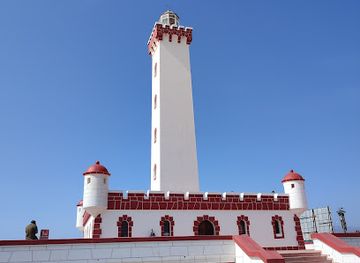
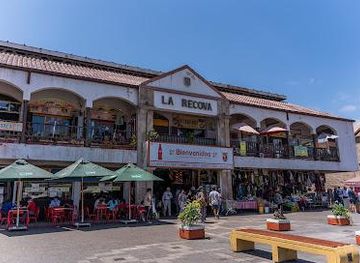
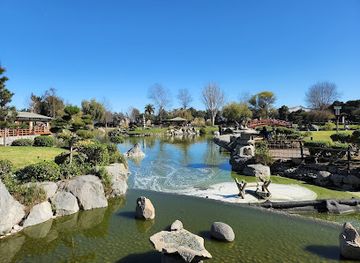
La Serena’s central attractions are arranged around a historic core of plazas, churches and cultural institutions. Plaza de Armas provides a useful starting point for seeing the cathedral and the civic architecture associated with the city’s colonial and republican development, while La Recova combines a traditional market setting with shops selling regional crafts and food products. The Museo Arqueológico de La Serena introduces the Diaguita and other pre-Hispanic cultures of northern Chile through ceramics and archaeological displays. Nearby, the Japanese Garden Parque Jardín del Corazón offers ponds, bridges and landscaped paths, contrasting with the dry coastal climate. Towards the shore, the Monumental Faro marks the beginning of Avenida del Mar, a long promenade lined with beaches, restaurants and accommodation. The Elqui Valley, although outside the city, is a natural extension of a La Serena visit, leading to vineyards, pisco producers and mountain observatories.
-
Monument
Faro Monumental
Explore the iconic Faro Monumental in La Serena, a historic lighthouse offering breathtaking coastal views and a glimpse into Chile's rich maritime heritage.
7 min drive · 2.2 km from city centre
-
Market
La Recova
Explore La Recova Market in La Serena: A vibrant spot for local crafts, fresh produce, and authentic Chilean cuisine that captures the essence of the region.
7 min walk · 0.6 km from city centre
-
Park
Japonés La Serena Garden
Experience serenity at Japonés La Serena Garden, a stunning blend of nature and Japanese design in the heart of Coquimbo.
4 min walk · 0.4 km from city centre
-
Monument
Cruz Del Tercer Milenio
Discover the awe-inspiring Cruz Del Tercer Milenio in Coquimbo, a stunning monument offering breathtaking views and a serene atmosphere.
31 min drive · 11 km from city centre


Best landmarks in La Serena
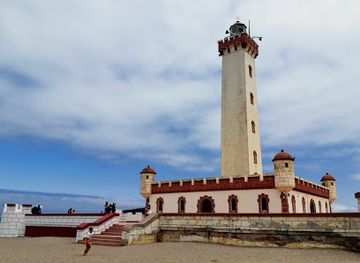
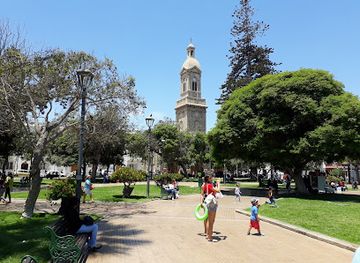
La Serena’s landmarks reveal successive layers of religious, civic and coastal history. The Catedral de San Marcos faces Plaza de Armas and serves as the principal church of the city, while Iglesia San Francisco and Iglesia Santo Domingo preserve the importance of religious orders in the colonial urban landscape. Casa Gabriel González Videla, now associated with the Museo Histórico Regional, links the city to twentieth-century political history and the Plan Serena period. La Recova is a prominent civic and commercial structure whose market role reflects the city’s long relationship with regional trade. At the coast, the Monumental Faro has become La Serena’s defining modern landmark, standing between the urban area and the Pacific beaches. Together these buildings and public spaces explain the city’s distinctive architectural identity without suggesting that all of its visible heritage dates from the colonial era.
-
Monument
Faro Monumental
Explore the historic Faro Monumental in La Serena, Coquimbo, a stunning lighthouse that offers breathtaking views and a glimpse into maritime history.
7 min drive · 2.2 km from city centre
-
Market
La Recova
Discover the vibrant colors and flavors of La Recova Market in La Serena, Chile – a perfect blend of culture, cuisine, and local craftsmanship.
7 min walk · 0.6 km from city centre
-
Park
Japonés La Serena Garden
Explore the serene beauty of Jardín Japonés La Serena, a stunning blend of Japanese culture and natural landscapes in the heart of Chile.
4 min walk · 0.4 km from city centre
-
City park
Plaza de Armas de La Serena
Experience the vibrant culture and stunning architecture at Plaza de Armas de La Serena, a must-visit park in the heart of Chile's enchanting coastal city.
1 min walk · 0.1 km from city centre
Explore La Serena on the map
Plan your La Serena trip on one map. See where the top attractions, landmarks, restaurants, bars and hotels are, find what's near where you're staying, and book hotels and experiences in a few clicks.
Neighbourhoods in La Serena
-

-

-


Swipe for more neighbourhoods
Best hotels in La Serena
Best restaurants in La Serena
La Serena’s food culture draws on the Pacific, the agricultural valleys and the wider Coquimbo Region. Seafood is central, with fish, machas, ostiones, chupe and paila marina appearing alongside ceviche and simple grilled preparations; freshness and seasonality matter more than elaborate presentation in many traditional eateries. The Elqui Valley contributes fruit, herbs, goat’s cheese and pisco, while papaya is a particularly familiar regional flavour in juices, sweets and preserves. Around the centre and La Recova, visitors find casual Chilean cooking, bakeries, cafés and market-style meals, while Avenida del Mar concentrates restaurants serving seafood and coastal dishes. Empanadas, pastel de choclo and completos provide straightforward local options, and regional pisco may appear in sours and other mixed drinks. Menus vary with the catch and season, so smaller establishments may offer a more limited daily selection.
-
Restaurant
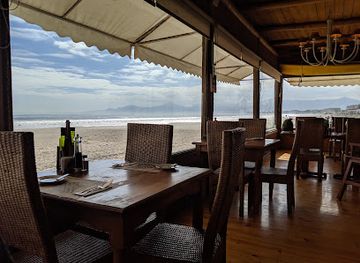
Huentelauquen Resto-Bar Pizzería
Discover culinary delights at Huentelauquen Resto-Bar Pizzería – where gourmet pizzas meet stunning ocean views in Coquimbo.
13 min drive · 4.4 km from city centre
-
Grill
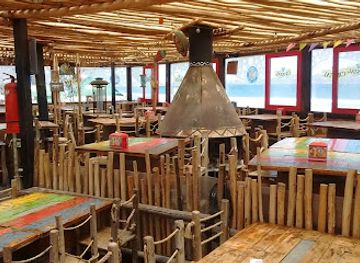
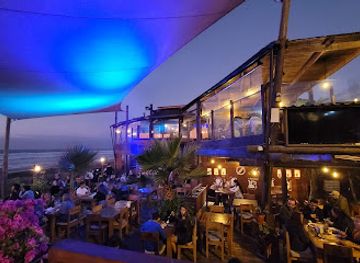
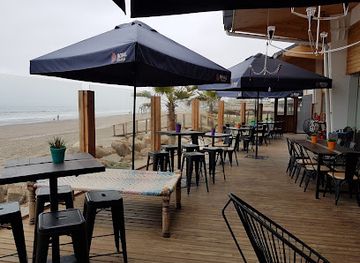
Pub El Muelle
Discover Pub El Muelle: A vibrant grill pub in La Serena offering delicious food, refreshing drinks, and stunning ocean views.
13 min drive · 4.4 km from city centre
-
Restaurant
Restaurant Bakulic
Experience authentic Chilean cuisine at Restaurant Bakulic in La Serena – where fresh ingredients meet warm hospitality.
16 min drive · 5.4 km from city centre
-
Restaurant
Tololo Beach
Experience the best of La Serena at Tololo Beach - where exquisite dining meets breathtaking ocean views.
15 min drive · 5.1 km from city centre
Best bars in La Serena
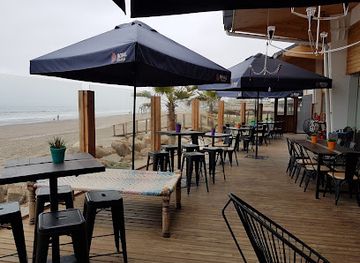
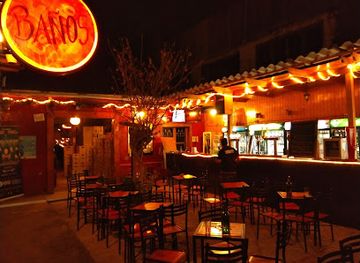
La Serena’s evening life is concentrated in the centre, around Avenida del Mar and in the adjoining coastal districts, with a seasonal increase in activity during the summer holiday period. Avenida del Mar offers relaxed bars and venues where the oceanfront setting shapes the evening, while central streets contain cafés, pubs and places serving Chilean wine and pisco-based drinks. Entertainment is generally more social and restaurant-led than dominated by large clubs, although dancing venues and late-night businesses operate during busier periods. Live music, local cultural programming and evening walks around the illuminated historic centre provide alternatives to drinking. Neighbouring Coquimbo adds further bars and nightlife, but visitors should check their return transport rather than assume that every coastal venue is within easy walking distance of central La Serena.
-
Bar
Huentelauquen Resto-Bar Pizzería
Discover the vibrant flavors of Huentelauquen Resto-Bar Pizzería, where gourmet pizzas and refreshing drinks meet stunning coastal views in Coquimbo.
13 min drive · 4.4 km from city centre
-
Grill
Pub El Muelle
Discover the flavors of La Serena at Pub El Muelle, where grilled delights meet stunning ocean views in a vibrant coastal setting.
13 min drive · 4.4 km from city centre
-
Bar
Tololo Beach
Experience the vibrant atmosphere of Tololo Beach in La Serena, Chile, where stunning views meet delicious cuisine and lively nightlife.
15 min drive · 5.1 km from city centre
-
Bar
Pub La Rocca
Discover the lively nightlife at Pub La Rocca, La Serena's premier bar offering delicious drinks and an unforgettable atmosphere.
4 min walk · 0.3 km from city centre
Best nightclubs in La Serena
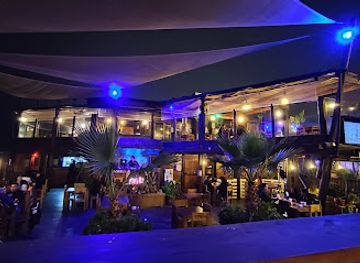
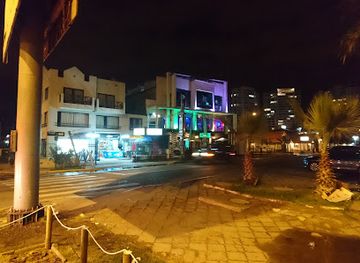
La Serena’s evening life is concentrated in the centre, around Avenida del Mar and in the adjoining coastal districts, with a seasonal increase in activity during the summer holiday period. Avenida del Mar offers relaxed bars and venues where the oceanfront setting shapes the evening, while central streets contain cafés, pubs and places serving Chilean wine and pisco-based drinks. Entertainment is generally more social and restaurant-led than dominated by large clubs, although dancing venues and late-night businesses operate during busier periods. Live music, local cultural programming and evening walks around the illuminated historic centre provide alternatives to drinking. Neighbouring Coquimbo adds further bars and nightlife, but visitors should check their return transport rather than assume that every coastal venue is within easy walking distance of central La Serena.
-
Grill
Pub El Muelle
Discover Pub El Muelle in La Serena, where delectable grilled dishes meet a lively atmosphere and breathtaking ocean views.
13 min drive · 4.4 km from city centre
-
Gastropub
Living & Loft
Dive into the vibrant nightlife at Living & Loft, La Serena's top gastropub offering delightful cuisine and a lively atmosphere for unforgettable evenings.
13 min drive · 4.3 km from city centre
-
Disco club
Discoteca Kamikaze
Discover the pulsating nightlife at Discoteca Kamikaze, La Serena's premier disco club offering an unforgettable party experience.
13 min drive · 4.4 km from city centre
-
Night club
Arcangel Discotheque
Discover La Serena's nightlife at Arcangel Discotheque, where music, dancing, and gastronomic delights come together for an unforgettable experience.
10 min walk · 0.8 km from city centre


Best shops in La Serena
La Recova is La Serena’s best-known traditional shopping setting, with stalls and small shops offering regional crafts, decorative objects, textiles, jewellery and food products associated with northern Chile. Around the central streets, independent retailers, bakeries and specialist shops provide a more everyday view of local commerce, while modern shopping is concentrated in places such as Mallplaza La Serena. Visitors looking for regional gifts may find Diaguita-inspired ceramics, woven goods, carved objects, papaya preserves and products connected with the Elqui Valley, including pisco, although quality and provenance vary between sellers. The centre is more suitable for browsing small businesses and market stalls than for a single formal shopping district. At craft markets, compare materials and ask about origin, particularly when an item is presented as Indigenous or traditionally made.
-
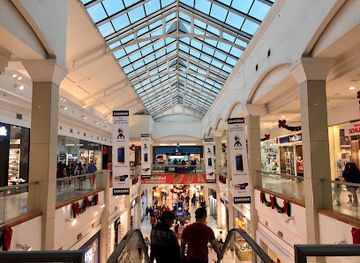
Shopping mall
Mallplaza La Serena
Explore Mallplaza La Serena: Your Ultimate Shopping and Dining Experience in the Heart of Coquimbo.
16 min walk · 1.3 km from city centre
-
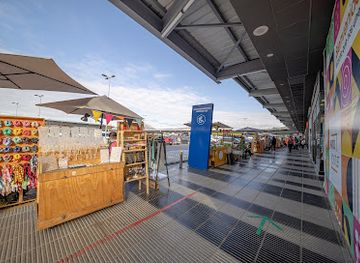
Outlet mall
Patio Outlet Peñuelas
Explore the vibrant Patio Outlet Peñuelas for unbeatable discounts on top brands and enjoy a delightful shopping experience in Coquimbo, Chile.
18 min drive · 6.1 km from city centre
-
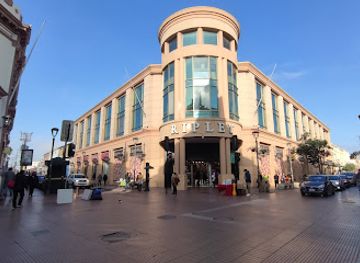
Department store
Ripley La Serena
Discover a shopper's haven at Ripley La Serena, offering a diverse array of clothing, beauty, electronics, and home goods for every traveler.
2 min walk · 0.2 km from city centre
-
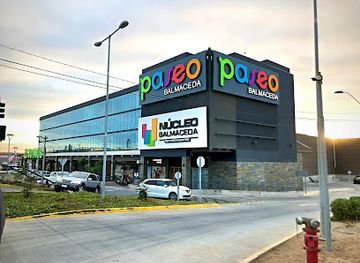
Shopping mall
Centro Comercial Paseo Balmaceda
Explore shopping, dining, and entertainment at Centro Comercial Paseo Balmaceda, La Serena's vibrant shopping hub in Coquimbo.
8 min drive · 2.6 km from city centre
Get your free copy of our complete guide to La Serena, delivered straight to you.
Everything on this page, from attractions and restaurants to essentials and local phrases, in one PDF you can read offline, print or share.
Already have an account? Sign in
Your La Serena guide is ready.
We'll send it to · Not you? Sign out

Getting your guide ready…
We are putting together a fresh copy of the La Serena guide. This can take up to a minute.
This can take a few moments. If your browser asks, choose Allow so the download can start. You'll find the guide in your Downloads folder.
Nothing happened? Download it again
Sorry, the guide is taking longer than usual. Please try again in a minute, or get it by email instead.
La Serena essentials
Currency and Payment
Safety
Emergency Situations
Do's and Don'ts
Local Tips
From Eve
Local phrases worth knowing
You don't need to get them perfect. A few words go a long way, and locals appreciate the effort.
Basics
| English | Local | Say it |
|---|---|---|
| Hello | Hola | [oh-la] |
| Goodbye | Adiós | [ah-dee-ohs] |
| Yes | Sí | [see] |
| No | No | [noh] |
| Please/You're welcome | Por favor/De nada | [pohr fah-vohr/de nah-dah] |
| Thank you | Gracias | [grah-see-ahs] |
| Excuse me/Sorry | Perdón/Lo siento | [pehr-dohn/loh see-ehn-toh] |
| How are you? | ¿Cómo estás? | [koh-moh ehs-tahs] |
| Fine. And you? | Bien. ¿Y tú? | [byehn. ee too] |
| Do you speak English? | ¿Hablas inglés? | [ah-blahs een-glays] |
| I don't understand | No entiendo | [noh ehn-tee-ehn-doh] |
Eating & Drinking
| English | Local | Say it |
|---|---|---|
| I'd like to see the menu, please | Me gustaría ver el menú, por favor | [meh goos-tah-ree-ah behr ehl meh-noo, pohr fah-vohr] |
| I don't eat meat | No como carne | [noh koh-moh kahr-neh] |
| Cheers! | ¡Salud! | [sah-lood] |
| I would like to pay, please | Me gustaría pagar, por favor | [meh goos-tah-ree-ah pah-gahr, pohr fah-vohr] |
Emergencies
| English | Local | Say it |
|---|---|---|
| Help! | ¡Ayuda! | [ah-yoo-dah] |
| Go away! | ¡Vete! | [veh-teh] |
| Call the Police! | ¡Llama a la policía! | [yah-mah ah lah poh-lee-see-ah] |
| Call a doctor! | ¡Llama a un doctor! | [yah-mah ah oon dohk-tohr] |
| I'm lost | Estoy perdido/a | [ehs-toy pehr-dee-doh/dah] |
| I'm ill | Estoy enfermo/a | [ehs-toy ehn-fehr-moh/ah] |
Shopping
| English | Local | Say it |
|---|---|---|
| I'd like to buy... | Me gustaría comprar... | [meh goos-tah-ree-ah kohm-prahr...] |
| I'm just looking | Solo estoy mirando | [soh-loh ehs-toy meer-ahn-doh] |
| How much is it? | ¿Cuánto cuesta? | [kwan-toh kwehs-tah] |
| That's too expensive | Esto es demasiado caro | [ehs-toh ehs deh-mah-syah-doh kah-roh] |
| Can you lower the price? | ¿Puede bajar el precio? | [pweh-deh bah-hahr ehl pree-syoh] |
Time & Numbers
| English | Local | Say it |
|---|---|---|
| What time is it? | ¿Qué hora es? | [keh oh-rah ehs] |
| It's one o'clock | Es la una | [ehs lah oo-nah] |
| Half past (10) | Son las diez y media | [sohn lahs dyehs ee meh-dee-ah] |
| Morning | Mañana | [mah-nyah-nah] |
| Afternoon | Tarde | [tahr-deh] |
| Evening | Noche | [noh-cheh] |
| Yesterday | Ayer | [ah-yehr] |
| Today | Hoy | [oy] |
| Tomorrow | Mañana | [mah-nyah-nah] |
| 1 | Uno | [oo-noh] |
| 2 | Dos | [dohs] |
| 3 | Tres | [trehs] |
| 4 | Cuatro | [kwah-troh] |
| 5 | Cinco | [seen-koh] |
| 6 | Seis | [says] |
| 7 | Siete | [syeh-teh] |
| 8 | Ocho | [oh-choh] |
| 9 | Nueve | [nweh-veh] |
| 10 | Diez | [dyehs] |
Transport & Directions
| English | Local | Say it |
|---|---|---|
| Where's a/the...? | ¿Dónde está el/la...? | [dohn-deh ehs-tah ehl/lah] |
| What's the address? | ¿Cuál es la dirección? | [kwahl ehs lah dee-rehk-syohn] |
| Can you show me (on the map)? | ¿Puedes mostrarme (en el mapa)? | [pweh-dehs mohs-trahr-meh (ehn ehl mah-pah)] |
| When's the next (bus)? | ¿Cuándo es el próximo (autobús)? | [kwan-doh ehs ehl proh-see-moh (ow-toh-boos)] |
| A ticket (to ....) | Un boleto (a ...) | [oon boh-leh-toh (ah ...)] |
History of La Serena
Indigenous Coquimbo Before Spain
The coast and valleys around present-day La Serena were inhabited long before the Spanish foundation. Diaguita communities developed settled agricultural societies in the semi-arid valleys, combining irrigation, farming, herding and exchange with neighbouring peoples. Their finely decorated ceramics are among the most recognisable archaeological traces of the region, while earlier hunter-gatherer traditions are also represented in northern Chilean archaeology. The area’s coastal resources and its position between central Chile and the far north made it a corridor for movement and trade. The Museo Arqueológico de La Serena provides important context for these cultures, presenting artefacts associated with the Diaguita world and other pre-Hispanic traditions without reducing the region’s history to the colonial period.
Foundation and Early Reconstruction
La Serena was founded by Juan Bohón in 1544 as part of the Spanish effort to connect Santiago with the settlements farther north and the mineral-rich territories beyond. The first settlement was destroyed during an Indigenous uprising in 1549, after which Francisco de Aguirre refounded the city. Its location near the Coquimbo coast and the Elqui Valley gave it strategic and agricultural importance, although earthquakes, attacks and the difficulties of colonial communication repeatedly affected its development. The city gradually acquired the churches, convents and civic institutions that established its urban framework. Much of the present historic centre reflects later rebuilding, but its street plan and religious heritage are rooted in this early colonial foundation.
Colonial Commerce and Devotion
During the colonial period, La Serena served as a regional centre linking agricultural production in the Elqui Valley with coastal trade through Coquimbo. Religious orders established churches and conventual institutions, while local society developed around farming, commerce and the administration of the surrounding territory. The city’s churches were built and rebuilt in response to earthquakes, using materials and techniques suited to northern Chile’s dry climate and seismic conditions. The Church of San Francisco, Santo Domingo and the cathedral belong to a longer tradition of religious architecture that shaped the centre’s identity. Colonial life also brought profound changes to Indigenous communities through land reorganisation, evangelisation and the incorporation of local labour into Spanish economic structures.
Independence and Regional Politics
The struggle for Chilean independence altered the political and commercial order of La Serena, although the city’s regional importance continued after the establishment of the republic. Mining in the broader Coquimbo region, agricultural production in the valleys and maritime trade supported urban growth during the nineteenth century. La Serena also participated in the political tensions that marked early republican Chile, including the revolutionary movements of 1851 and 1859. These conflicts reflected disputes over centralisation, political representation and the distribution of power between Santiago and the provinces. Civic buildings, churches and commercial streets expanded as the city became an administrative and cultural centre for northern Chile.
Urban Growth and the Plan Serena
La Serena changed substantially in the twentieth century as population growth, improved transport and regional commerce reshaped the city. The most influential intervention was Plan Serena, promoted during the presidency of Gabriel González Videla between 1948 and 1952. The programme introduced new public buildings, avenues, schools and housing while favouring a historicist style inspired by Spanish colonial architecture. Its interpretation of the past helped create the coherent white and ochre streetscape now associated with central La Serena, even though many of its buildings are modern rather than colonial. The plan also strengthened the city’s role as the capital of the Coquimbo Region and established the architectural setting for later tourism.
A Coastal and Astronomical Centre
In the later twentieth century, La Serena expanded towards the coast and became closely connected with neighbouring Coquimbo, producing a continuous urban area along the Pacific. Avenida del Mar developed as a major leisure and accommodation corridor, while the historic centre remained the focus of civic, religious and cultural life. The surrounding region gained international importance for astronomy because its dry climate, low rainfall and dark mountain skies offer excellent observing conditions. Facilities such as Cerro Tololo and other observatories are outside the city, but La Serena functions as a principal gateway for visitors travelling towards them and into the Elqui Valley. Contemporary La Serena therefore combines a colonial and republican inheritance with coastal tourism, regional education and scientific travel.
La Serena in Photos
Browse through our photo collection highlighting the charm and character of the destination.
Cities near La Serena
The closest cities to La Serena, if you have time for more than one stop.
-

-

-

-

-


Swipe for more cities
Explore more

Explore more of Chile
Discover Chile: From the Atacama Desert to Patagonia's Glaciers, Experience Diverse Landscapes, Rich Culture, and World-Class Wine in This South American Gem.
Explore Chile