

La Serena Downtown (La Serena) Travel Guide - Free
Explore La Serena Downtown in La Serena with Evendo's free guide. Find the best shops, historic streets, restaurants, and gems on web or mobile.


La Serena Downtown pairs colonial churches, Plaza de Armas, La Recova market and museums with walkable streets in Chile’s historic Elqui Valley city.
Historic Urban Character
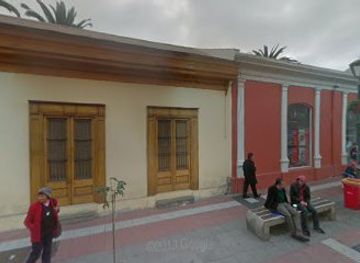
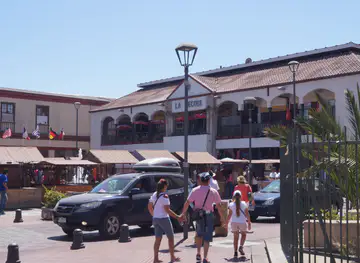
La Serena Downtown is the cultural and civic centre of Chile’s Coquimbo Region, arranged around the broad Plaza de Armas and a network of streets lined with churches, public buildings and low-rise façades. Although much of the historic centre reflects reconstruction and architectural planning from the twentieth century, its appearance draws on colonial forms: whitewashed walls, timber details, tiled roofs, arcades and restrained ornament. The result is a slower, more spacious city centre than many Chilean urban districts, with the Andes-facing Elqui Valley providing an important regional backdrop.Read more about La Serena Downtown
Churches, Museums and Public Squares
Markets and Everyday La Serena
Best attractions in La Serena Downtown
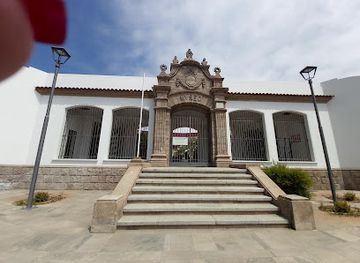
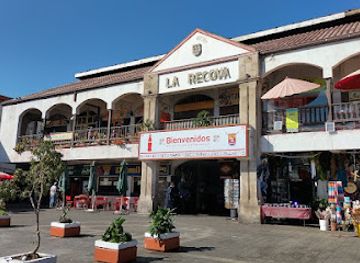
La Serena Downtown’s principal attractions cluster around Plaza de Armas, where the cathedral forms the civic and visual centre of the historic grid. Nearby, the Museo Histórico Gabriel González Videla occupies the former home of the Chilean president and introduces visitors to regional and national history, while the Museo Arqueológico de La Serena presents archaeological material from the Coquimbo Region and wider northern Chile. Iglesia San Francisco, Iglesia Santo Domingo and other historic churches add architectural interest along the surrounding streets. Mercado La Recova offers a more commercial experience, with craft stalls, regional products and places to eat. The centre is also rewarding at street level: shaded pavements, traditional façades, small squares and civic buildings reveal the influence of the Plan Serena. The coastal promenade and El Faro are nearby city attractions, but lie outside Downtown and require separate transport.
-
Market
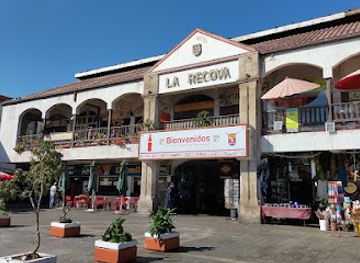
La Recova
Explore La Recova, La Serena's vibrant market that showcases local crafts, delicious cuisine, and the heart of Chilean culture.
8 min walk · 0.6 km from neighbourhood centre
-
Archaeological museum
Archaeological Museum of La Serena
Explore the Archaeological Museum of La Serena, where Chile's rich cultural heritage comes to life through captivating pre-Columbian exhibits and artifacts.
5 min walk · 0.4 km from neighbourhood centre
-
City park
Plaza Nobel Gabriela Mistral
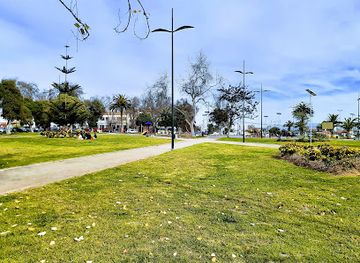
Experience the vibrant culture and serene beauty of Plaza Nobel Gabriela Mistral in La Serena, a perfect blend of relaxation and local charm.
7 min walk · 0.6 km from neighbourhood centre
-
Historical place
Casa Pinera
Discover Casa Pinera, a beautiful historical site in La Serena, Chile, showcasing the region's rich cultural heritage and stunning architecture.
5 min walk · 0.4 km from neighbourhood centre

Best landmarks in La Serena Downtown
Plaza de Armas is La Serena Downtown’s principal civic landmark, a broad public square around which the cathedral, municipal functions and historic streets are arranged. La Serena Cathedral, with its restrained façade and central position, reflects the continuing importance of the city’s Catholic institutions. Iglesia San Francisco is particularly significant to the historic religious landscape, while Iglesia Santo Domingo and other churches reinforce the concentration of ecclesiastical architecture within the centre. The former home of Gabriel González Videla, now the Museo Histórico Gabriel González Videla, connects local architecture with the political history of twentieth-century Chile. Mercado La Recova is a landmark of a different kind: its importance lies in the continuing relationship between the city centre, regional commerce and craft production. Together, these places show how La Serena’s identity was shaped by faith, civic planning, trade and the Plan Serena’s twentieth-century architectural vision.
-
Monument
Faro Monumental
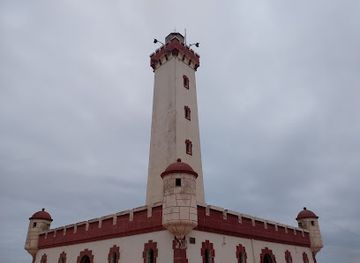
Explore the iconic Faro Monumental in La Serena, a stunning lighthouse that showcases the region's maritime history and offers breathtaking coastal views.
7 min drive · 2.3 km from neighbourhood centre
-
Market
La Recova
Explore La Recova in La Serena for a genuine taste of Chilean culture, local crafts, and vibrant marketplace energy.
8 min walk · 0.6 km from neighbourhood centre
-
Park
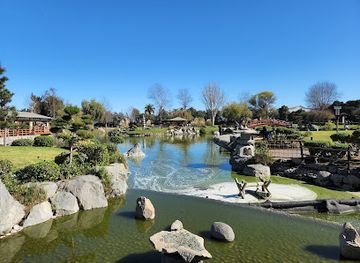
Japonés La Serena Garden
Experience the serene beauty of Jardín Japonés La Serena, a tranquil Japanese garden in La Serena, Coquimbo, perfect for relaxation and exploration.
7 min walk · 0.6 km from neighbourhood centre
-
City park
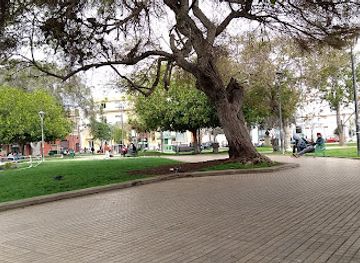
Plaza de Armas de La Serena
Experience the vibrant culture and historical charm at Plaza de Armas de La Serena, the heart of the city and a must-visit for every traveler.
5 min walk · 0.4 km from neighbourhood centre
Explore La Serena Downtown on the map
A handpicked selection of must-see spots in La Serena Downtown, mapped for you.
Best hotels in La Serena Downtown
Best restaurants in La Serena Downtown
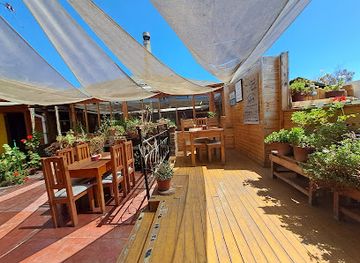
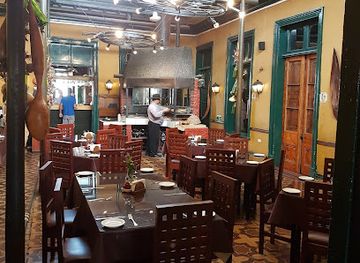
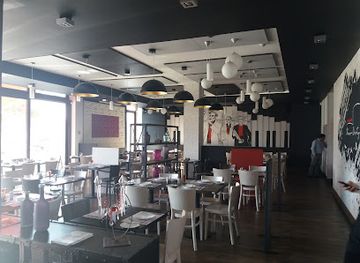
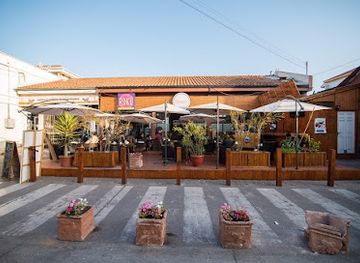
Dining in La Serena Downtown is concentrated around the central grid and the streets near Mercado La Recova, where visitors find cafés, bakeries, casual restaurants and stalls selling regional products. The city’s food culture reflects its position between the Pacific coast, the agricultural Elqui Valley and northern Chile, so menus may include seafood, seasonal fruit, empanadas and familiar Chilean home-style dishes. La Recova is useful for browsing local ingredients and edible souvenirs, although it is primarily a market and craft complex rather than a single dining hall. Around Plaza de Armas, eating places cater to office workers, residents and visitors, giving the centre a practical daytime rhythm. Independent cafés are suited to a pause between museums and churches, while more formal restaurants are scattered through the surrounding streets. Restaurant identities and opening arrangements change, so checking locally is sensible.
-
Restaurant
La Escalera
Discover La Escalera: A top-rated restaurant in La Serena serving exquisite local cuisine in a welcoming atmosphere.
4 min walk · 0.3 km from neighbourhood centre
-
Chilean
Donde El Guaton
Experience authentic Chilean flavors at Donde El Guaton – where traditional meets contemporary in La Serena's vibrant dining scene.
9 min walk · 0.7 km from neighbourhood centre
-
Restaurant
New City
Experience authentic Chilean flavors at New City, La Serena's culinary gem offering fresh seafood and local specialties.
15 min walk · 1.2 km from neighbourhood centre
-
Restaurant
Terrazza Restaurant Trattoria
Experience exquisite Italian flavors at Terrazza Restaurant Trattoria in La Serena – where every dish tells a story.
2 min walk · 0.2 km from neighbourhood centre
Best bars in La Serena Downtown
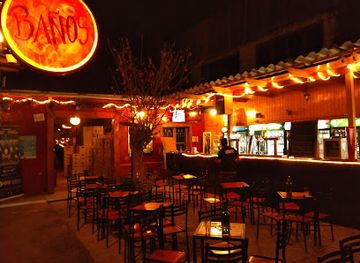
La Serena Downtown has a more restrained evening scene than the coastal sectors, with restaurants, cafés and modest bars providing most of the after-dark activity around the central streets. The area is particularly suited to an early dinner or a quiet drink after visiting the museums and churches, rather than to a concentrated club circuit. Students, office workers and residents contribute to a mixed local clientele, while livelier late-night options are more commonly associated with other parts of La Serena and nearby Coquimbo. Visitors should distinguish the historic centre from Avenida del Mar, whose seaside restaurants and entertainment venues form a separate district. At night, the illuminated cathedral, churches and civic façades make the central streets atmospheric, but normal urban precautions remain appropriate and quieter residential blocks should be treated considerately.
-
Bar
Pub La Rocca
Discover the lively atmosphere and extensive drink menu at Pub La Rocca, a must-visit bar in La Serena, Chile for nightlife enthusiasts.
2 min walk · 0.2 km from neighbourhood centre
-
Gastropub
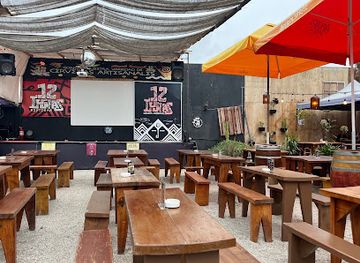
12 Lunas Restobar Balmaceda 824
Discover the vibrant flavors and lively atmosphere at 12 Lunas Restobar, La Serena's premier gastropub featuring live music and delicious cuisine.
1 min walk · 0.1 km from neighbourhood centre
Best nightclubs in La Serena Downtown
La Serena Downtown has a more restrained evening scene than the coastal sectors, with restaurants, cafés and modest bars providing most of the after-dark activity around the central streets. The area is particularly suited to an early dinner or a quiet drink after visiting the museums and churches, rather than to a concentrated club circuit. Students, office workers and residents contribute to a mixed local clientele, while livelier late-night options are more commonly associated with other parts of La Serena and nearby Coquimbo. Visitors should distinguish the historic centre from Avenida del Mar, whose seaside restaurants and entertainment venues form a separate district. At night, the illuminated cathedral, churches and civic façades make the central streets atmospheric, but normal urban precautions remain appropriate and quieter residential blocks should be treated considerately.
-
 Hotel
Hotel Club La Serena
Experience the charm of coastal Chile at Hotel Club La Serena, where luxury meets relaxation in a stunning beachside setting.
7 min drive · 2.4 km from neighbourhood centre
-
Bar
Pub La Rocca
Experience the vibrant nightlife and local flavors at Pub La Rocca, La Serena's premier bar for tourists and locals alike.
2 min walk · 0.2 km from neighbourhood centre
-
Night club
Arcangel Discotheque
Discover the pulse of La Serena's nightlife at Arcangel Discotheque, a vibrant fusion of dance, music, and gastronomy.
12 min walk · 0.9 km from neighbourhood centre
-
Night club
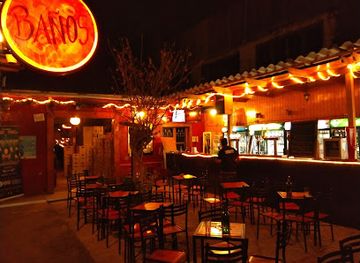
SUPRA CLUB
Discover La Serena's nightlife at SUPRA CLUB, a vibrant night club where music and fun collide for an unforgettable experience.
1 min walk · 0.1 km from neighbourhood centre
Best shops in La Serena Downtown
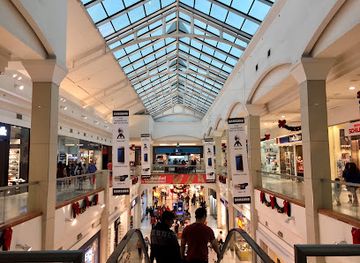
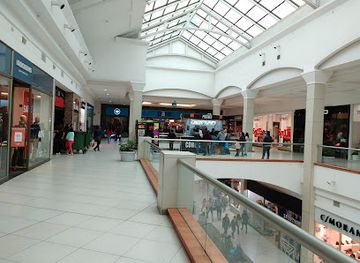
Shopping in La Serena Downtown centres on Mercado La Recova and the commercial streets surrounding the historic square. La Recova is the best-known place for browsing regional crafts, decorative objects, woven goods, souvenirs and products connected with the Coquimbo Region and Elqui Valley, although the selection varies between stalls. Smaller shops, bakeries, pharmacies, clothing businesses and practical retailers give the central grid a distinctly local, everyday character rather than the feel of a specialised luxury quarter. Visitors interested in Chilean food culture can look for regional produce and packaged goods, while craft shoppers should examine workmanship and materials before buying. The streets around Plaza de Armas also contain independent businesses that reward browsing between museum visits. Contemporary shopping centres and larger retail concentrations are found elsewhere in the city, so Downtown is most useful for market atmosphere, local purchases and traditional central-city commerce.
-
Shopping mall
Mallplaza La Serena
Experience the best of shopping and dining at Mallplaza La Serena, your go-to destination in Coquimbo for a fulfilling retail journey.
14 min walk · 1.1 km from neighbourhood centre
-
Market
La Recova
Discover the vibrant La Recova market in La Serena, where local crafts, delicious food, and authentic Chilean culture come together.
8 min walk · 0.6 km from neighbourhood centre
-
Shopping mall
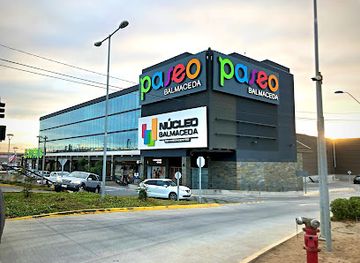
Centro Comercial Paseo Balmaceda
Explore the lively Centro Comercial Paseo Balmaceda in La Serena, where shopping, dining, and entertainment come together to create an unforgettable experience.
7 min drive · 2.3 km from neighbourhood centre
-
Department store
Paris La Serena
Experience the best of fashion and family shopping at Paris La Serena, a vibrant department store in the heart of La Serena, Chile.
13 min walk · 1.0 km from neighbourhood centre
La Serena Downtown essentials
Getting There
Getting Around
Safety
Emergency Situations
Do's and Don'ts
Local Tips

From Eve
Local phrases worth knowing
You don't need to get them perfect. A few words go a long way, and locals appreciate the effort.
Basics
| English | Local | Say it |
|---|---|---|
| Hello | Hola | [oh-lah] |
| Goodbye | Adiós | [ah-dee-ohs] |
| Yes | Sí | [see] |
| No | No | [noh] |
| Please/You're welcome | Por favor/De nada | [por fah-vohr/deh nah-dah] |
| Thank you | Gracias | [grah-see-ahs] |
| Excuse me/Sorry | Perdón/Disculpa | [pair-dohn/dees-kool-pah] |
| How are you? | ¿Cómo estás? | [koh-moh ehs-tahs] |
| Fine. And you? | Bien. ¿Y tú? | [byen. ee too] |
| Do you speak English? | ¿Hablas inglés? | [ah-blahs een-glays] |
| I don't understand | No entiendo | [noh ehn-tyen-doh] |
Eating & Drinking
| English | Local | Say it |
|---|---|---|
| I'd like to see the menu, please | Me gustaría ver el menú, por favor | [meh goos-tah-ree-ah behr ehl meh-noo, por fah-vohr] |
| I don't eat meat | No como carne | [noh koh-moh kahr-neh] |
| Cheers! | ¡Salud! | [sah-lood] |
| I would like to pay, please | Me gustaría pagar, por favor | [meh goos-tah-ree-ah pah-gahr, por fah-vohr] |
Emergencies
| English | Local | Say it |
|---|---|---|
| Help! | ¡Ayuda! | [ah-yoo-dah] |
| Go away! | ¡Vete! | [veh-teh] |
| Call the Police! | ¡Llama a la policía! | [yah-mah ah lah poh-lee-see-ah] |
| Call a doctor! | ¡Llama a un médico! | [yah-mah ah oon meh-dee-koh] |
| I'm lost | Estoy perdido/a | [ehs-toy pair-dee-doh/ah] |
| I'm ill | Estoy enfermo/a | [ehs-toy ehn-fehr-moh/ah] |
Shopping
| English | Local | Say it |
|---|---|---|
| I'd like to buy... | Me gustaría comprar... | [meh goos-tah-ree-ah kohm-prahr] |
| I'm just looking | Solo estoy mirando | [soh-loh ehs-toy mee-rahn-doh] |
| How much is it? | ¿Cuánto cuesta? | [kwan-toh kweh-stah] |
| That's too expensive | Esto es demasiado caro | [ehs-toh ehs deh-mah-syah-doh kah-roh] |
| Can you lower the price? | ¿Puedes bajar el precio? | [pweh-dehs bah-hahr ehl pree-syoh] |
Time & Numbers
| English | Local | Say it |
|---|---|---|
| What time is it? | ¿Qué hora es? | [keh oh-rah ehs] |
| It's one o'clock | Es la una | [ehs lah oo-nah] |
| Half past (10) | Las diez y media | [lahs dyehs ee meh-dee-ah] |
| Morning | Mañana | [mah-nyah-nah] |
| Afternoon | Tarde | [tahr-deh] |
| Evening | Noche | [noh-cheh] |
| Yesterday | Ayer | [ah-yehr] |
| Today | Hoy | [oy] |
| Tomorrow | Mañana | [mah-nyah-nah] |
| 1 | Uno | [oo-noh] |
| 2 | Dos | [dohs] |
| 3 | Tres | [trehs] |
| 4 | Cuatro | [kwah-troh] |
| 5 | Cinco | [seen-koh] |
| 6 | Seis | [says] |
| 7 | Siete | [syeh-teh] |
| 8 | Ocho | [oh-cho] |
| 9 | Nueve | [nweh-veh] |
| 10 | Diez | [dyehs] |
Transport & Directions
| English | Local | Say it |
|---|---|---|
| Where's a/the...? | ¿Dónde está un/el...? | [dohn-deh ehs-tah oon/ehl] |
| What's the address? | ¿Cuál es la dirección? | [kwal ehs lah dee-rehk-syon] |
| Can you show me (on the map)? | ¿Puedes mostrarme (en el mapa)? | [pweh-dehs mohs-trahr-meh (ehn ehl mah-pah)] |
| When's the next (bus)? | ¿Cuándo es el próximo (autobús)? | [kwan-doh ehs ehl proh-see-moh (ow-toh-boos)] |
| A ticket (to ....) | Un boleto (a ....) | [oon boh-leh-toh (ah)] |
History of La Serena Downtown
Founding and Colonial Foundations
La Serena was founded by the Spanish in 1544 and re-established in 1549 after conflict with local Indigenous communities. Its position between Santiago and the northern mining and coastal territories gave it strategic importance, while the Elqui River valley supported agriculture and regional trade. The settlement developed around a central civic space that became today’s Plaza de Armas, with religious institutions helping define the urban core. Earthquakes, fires and changing construction practices repeatedly altered the city, so the present centre is not a single untouched colonial quarter but a layered urban landscape shaped by both early settlement and later rebuilding.
Churches and Regional Commerce
During the colonial and republican periods, La Serena’s centre grew around churches, civic buildings, commercial streets and routes connecting the coast with the Elqui Valley. Religious foundations including San Francisco, Santo Domingo and La Merced helped establish the area’s institutional character, while markets served farmers, traders and residents from the surrounding region. The city’s prosperity was tied to agriculture, maritime connections and mining activity in northern Chile rather than to one single industry. Many historic buildings were modified or reconstructed over time, but the concentration of churches and public institutions around the central grid remains one of Downtown La Serena’s defining historical features.
The Plan Serena Transformation
A major change came with the Plan Serena, a state-led development programme implemented during the presidency of Gabriel González Videla in the late 1940s and 1950s. The programme reshaped public buildings and streetscapes across La Serena, promoting an architectural language inspired by Spanish colonial and regional forms while modernising infrastructure. Downtown civic buildings, façades and public spaces were affected by this vision, which sought to give the city a coherent identity. The result explains why La Serena’s historic centre combines older religious buildings with twentieth-century structures that look deliberately traditional rather than strictly colonial.
Heritage Conservation and Contemporary Life
In the later twentieth century and into the present, La Serena’s central area increasingly came to be valued for its architectural character, churches, museums and public institutions. Conservation has taken place alongside ordinary commercial activity, traffic and the changing needs of a regional capital. Mercado La Recova remains a visible link between the centre and the wider Coquimbo Region, while museums interpret local archaeology and political history. The Downtown area now functions simultaneously as a heritage setting, administrative centre, shopping district and meeting place, with its identity shaped as much by everyday use as by formal preservation.
La Serena Downtown in Photos
Browse through our photo collection highlighting the charm and character of the destination.
Neighbourhoods near La Serena Downtown
The closest neighbourhoods to La Serena Downtown, if you have time for more than one stop.
-
-


Swipe for more neighbourhoods
Explore more

Explore more of La Serena
La Serena, Chile combines colonial churches, Pacific beaches, local markets, Elqui Valley culture and exceptional stargazing near the Atacama Desert.
Explore La Serena