

El Prado (Barranquilla) Travel Guide - Free
Explore El Prado in Barranquilla with Evendo's free guide. Find the best shops, historic streets, restaurants, and gems on web or mobile.


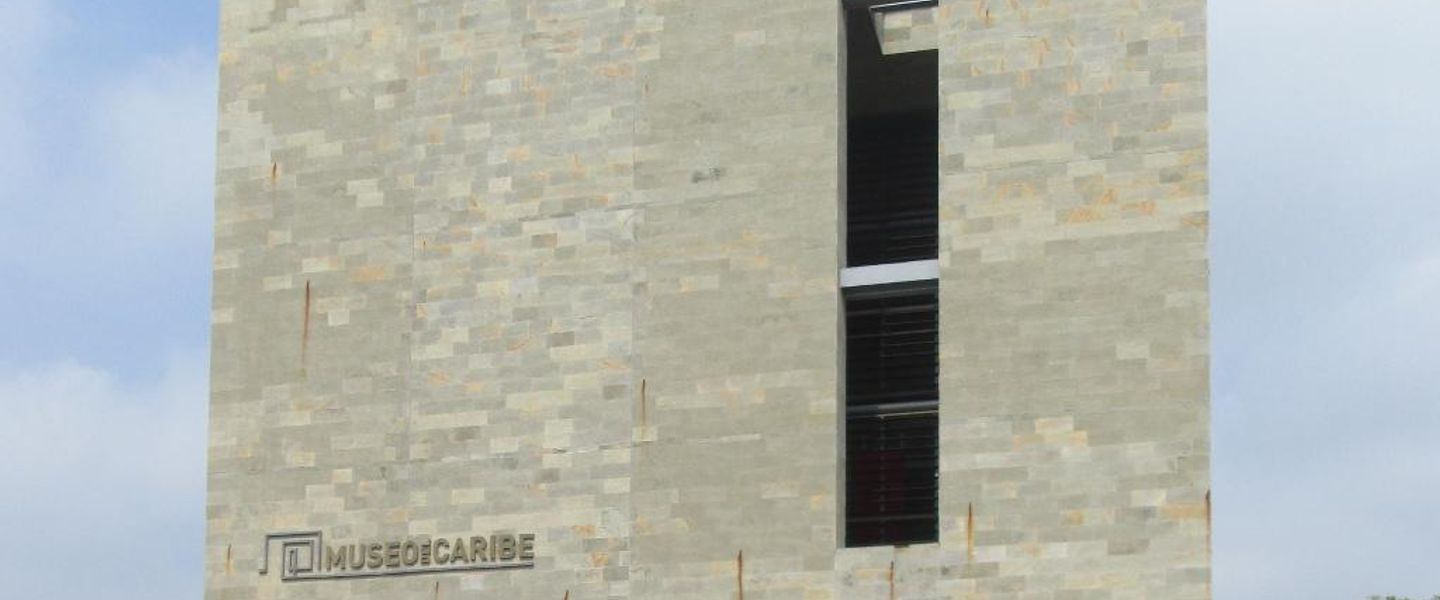


El Prado, Barranquilla, pairs grand republican-era houses, leafy avenues, the Hotel del Prado and Museo Romántico with the city’s lively Caribbean culture.
A Planned Residential District
El Prado occupies a broad, central area of Barranquilla known for its tree-lined avenues, spacious plots and early twentieth-century houses. Developed as an upscale suburb during the city’s commercial expansion, it introduced a more suburban urban model to a port city that had previously grown around denser streets and traditional quarters. Its character is still apparent in the generous verges, mature vegetation, low-rise buildings and occasional villas set back behind gardens, although offices, hotels, educational institutions and apartment buildings have altered parts of the original residential landscape.Read more about El Prado
Architecture and Local Memory
Streets, Culture and Everyday Life
Best attractions in El Prado
El Prado’s attractions are primarily architectural and cultural rather than concentrated in a single museum precinct. Parque El Prado offers a useful starting point for seeing the district’s mature trees, broad streets and surviving residential buildings, while the Museo Romántico presents objects and memorabilia associated with Barranquilla’s social history and notable figures. The Hotel del Prado remains a defining visual reference, even when parts of the property are not available for casual entry, and its grounds and façades help explain the neighbourhood’s former prestige. A slow walk around the nearby residential avenues reveals verandas, garden setbacks and varied early twentieth-century designs that are easy to miss from a car. El Prado also works as a base for reaching nearby cultural areas: Barrio Abajo lies close by but has its own Carnival and working-neighbourhood identity, while the city centre begins farther south.
-
Tourist attraction
Plaza de la Paz - John Paul II
Experience serenity and cultural richness at Plaza de la Paz - John Paul II, a must-visit park in Barranquilla, Colombia, perfect for relaxation and exploration.
17 min walk · 1.4 km from neighbourhood centre
-
Tourist attraction
Parque Los Fundadores
Explore the lush greenery and vibrant culture of Parque Los Fundadores in Barranquilla, a serene escape in the heart of the city.
6 min walk · 0.5 km from neighbourhood centre


Best landmarks in El Prado
The Hotel del Prado is El Prado’s principal architectural landmark, representing the district’s development as an upscale suburb and Barranquilla’s early twentieth-century confidence as a commercial city. Its landscaped setting and prominent façades give physical form to the neighbourhood’s hotel culture, even though access to the property may vary. The Museo Romántico is another important local reference: its collections preserve memories of Barranquilla’s civic, cultural and social life rather than presenting a generic art display. Parque El Prado and the surrounding avenues are significant as an urban ensemble, showing the spacious planning, greenery and residential scale that distinguished the district from older central streets. Surviving houses, verandas, balconies and garden walls add local value, while the wider El Prado heritage area is recognised for its collective historic character rather than for a single monumental building.
-
Shopping mall
Portal del Prado Centro Comercial
Discover the ultimate shopping experience at Portal del Prado Centro Comercial in Barranquilla, where shopping, dining, and entertainment come together.
16 min walk · 1.3 km from neighbourhood centre
-
Park
Plaza de la Paz - John Paul II
Explore the tranquility and cultural richness of Plaza de la Paz in Barranquilla, a perfect escape for relaxation and cultural engagement.
17 min walk · 1.4 km from neighbourhood centre
-
Hotel
Hotel el Prado
Discover the elegance and charm of Hotel el Prado in Barranquilla, where luxury meets rich cultural heritage for an unforgettable stay.
5 min walk · 0.4 km from neighbourhood centre
-
 Hotel
ESTELAR en Alto Prado Hotel
Discover the elegance and comfort of ESTELAR en Alto Prado Hotel, your luxurious retreat in the heart of Barranquilla, Colombia.
13 min walk · 1.0 km from neighbourhood centre


Explore El Prado on the map
A handpicked selection of must-see spots in El Prado, mapped for you.
Best hotels in El Prado
Best restaurants in El Prado
Dining in El Prado reflects its central, comparatively polished character, with restaurants, cafés, hotel dining rooms and casual eateries distributed along the main avenues and around the commercial corridors near Calle 70 and Calle 72. Menus in this part of Barranquilla commonly draw on the city’s Caribbean setting, where seafood, rice dishes, plantain, meat and fresh juices sit alongside Colombian and international cooking. The district’s long association with hotels and professional offices has encouraged dining aimed at both local residents and visitors, while the surrounding streets offer cafés suited to daytime meetings and informal meals. El Prado is close enough to the centre and Barrio Abajo for diners to extend an evening into other culinary areas, but those districts should not be treated as part of El Prado. Because individual businesses and opening arrangements change, checking locally is sensible before setting out.
-
Colombian
Restaurante El Humito
Experience authentic Colombian cuisine at Restaurante El Humito in Barranquilla's historic center - where tradition meets taste at affordable prices.
7 min walk · 0.6 km from neighbourhood centre
-
Colombian
Taganga Restaurant
Experience authentic Colombian seafood at Taganga Restaurant in Barranquilla - a culinary delight in every bite.
7 min walk · 0.6 km from neighbourhood centre
-
Restaurant
Restaurante Los Helechos
Experience authentic Colombian cuisine at Restaurante Los Helechos in Barranquilla's historic center—where tradition meets flavor in every dish.
7 min walk · 0.6 km from neighbourhood centre
-
Grill
Pepe Anca
Discover Pepe Anca in Barranquilla - where delicious grilled specialties meet vibrant Colombian culture.
18 min walk · 1.5 km from neighbourhood centre


Best bars in El Prado
El Prado’s evening scene is more measured than the concentrated nightlife zones farther north. Hotel lounges, restaurant bars and informal drinking places along the main commercial avenues provide settings for conversation, dinner and drinks, while the streets around Calle 70 and Calle 72 become active without turning the whole neighbourhood into a club district. Music and Carnival culture are never far away in Barranquilla, yet the most intensive late-night dancing and event programming often belongs to nearby areas rather than El Prado itself. Visitors should distinguish a restaurant that serves alcohol from a dedicated music venue, and should check current arrangements before travelling to a particular bar. After dark, the main avenues are generally the practical routes between venues, accommodation and transport, with a taxi or ride-hailing car preferable for quieter residential stretches.
-
Bar
Bourbon St. Bar Restaurante Barranquilla
Immerse yourself in Barranquilla's vibrant nightlife at Bourbon St. Bar, where cocktails, live music, and unforgettable memories await.
11 min walk · 0.9 km from neighbourhood centre
-
Grill
Johnny Maracas | Restaurante Bar, Karaoke
Experience the vibrant flavors and lively atmosphere of Johnny Maracas, Barranquilla's premier restaurant and karaoke bar.
8 min walk · 0.6 km from neighbourhood centre
-
Bar
Trucupey Latin Disco
Discover the heart of Barranquilla's nightlife at Trucupey Latin Disco, where vibrant rhythms and unforgettable experiences await.
15 min walk · 1.2 km from neighbourhood centre
-
Grill
Moys
Experience the vibrant flavors of Barranquilla at Moys, a grill restaurant offering a delightful menu in a warm and inviting atmosphere.
12 min walk · 0.9 km from neighbourhood centre


Best nightclubs in El Prado
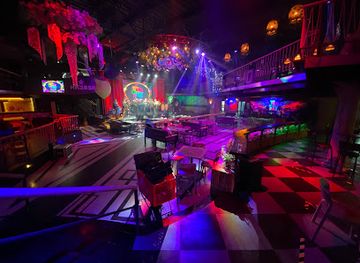
El Prado’s evening scene is more measured than the concentrated nightlife zones farther north. Hotel lounges, restaurant bars and informal drinking places along the main commercial avenues provide settings for conversation, dinner and drinks, while the streets around Calle 70 and Calle 72 become active without turning the whole neighbourhood into a club district. Music and Carnival culture are never far away in Barranquilla, yet the most intensive late-night dancing and event programming often belongs to nearby areas rather than El Prado itself. Visitors should distinguish a restaurant that serves alcohol from a dedicated music venue, and should check current arrangements before travelling to a particular bar. After dark, the main avenues are generally the practical routes between venues, accommodation and transport, with a taxi or ride-hailing car preferable for quieter residential stretches.
-
Disco club
Trucupey Latin Disco
Discover the energetic atmosphere of Trucupey Latin Disco, Barranquilla's top destination for vibrant Latin music and unforgettable nightlife experiences.
15 min walk · 1.2 km from neighbourhood centre
-
Bar
Lives Megaclub
Discover Barranquilla's vibrant nightlife at Lives Megaclub, where music, drinks, and fun collide for an unforgettable evening.
8 min walk · 0.6 km from neighbourhood centre
-
Disco club
Patio Barranquilla
Experience the vibrant nightlife of Barranquilla at Patio Barranquilla, a premier disco club and bar perfect for dancing and socializing.
12 min walk · 1.0 km from neighbourhood centre
-
Disco club
Disco Bar Billiards Workshop
Discover the ultimate nightlife experience at Disco Bar Billiards Workshop in Barranquilla, where music, billiards, and fun collide in a vibrant setting.
14 min walk · 1.1 km from neighbourhood centre


Best shops in El Prado
Shopping in El Prado is mainly practical and mixed-use rather than concentrated in a traditional market. Along the principal avenues and nearby commercial streets, visitors find cafés, pharmacies, salons, small food businesses, services and independent retailers serving residents, office workers and hotel guests. The neighbourhood’s heritage houses and gardens provide the visual interest, while larger-scale shopping is available in other parts of northern Barranquilla rather than in El Prado itself. For crafts, Carnival-related products and a more strongly local market atmosphere, visitors usually look towards nearby Barrio Abajo and the city centre; these are separate districts with different retail identities. El Prado is therefore better suited to browsing small businesses and combining errands with an architectural walk than to a dedicated day of shopping. Local staff can clarify which businesses are open and where specialist goods are currently sold.
-
Shopping mall
Portal del Prado Centro Comercial
Experience the ultimate shopping adventure at Portal del Prado Centro Comercial, where fashion meets food and fun in Barranquilla.
16 min walk · 1.3 km from neighbourhood centre
-
Shopping mall
Cenco Altos del Prado
Discover Cenco Altos del Prado, Barranquilla's vibrant shopping mall offering an array of retail, dining, and entertainment experiences for every visitor.
12 min walk · 0.9 km from neighbourhood centre
-
Shopping mall
Centro Comercial EL Prado
Discover the ultimate shopping destination in Barranquilla at Centro Comercial EL Prado – a vibrant hub of fashion, food, and fun.
10 min walk · 0.8 km from neighbourhood centre
-
Dress store
Boutique Gifi Barranquilla
Explore Boutique Gifi Barranquilla for stylish dresses and immerse yourself in the vibrant local fashion scene.
7 min walk · 0.6 km from neighbourhood centre


El Prado essentials
Getting There
Getting Around
Safety
Emergency Situations
Do's and Don'ts
Local Tips

From Eve
Local phrases worth knowing
You don't need to get them perfect. A few words go a long way, and locals appreciate the effort.
Basics
| English | Local | Say it |
|---|---|---|
| Hello | Hola | [oh-lah] |
| Goodbye | Adiós | [ah-dee-ohs] |
| Yes | Sí | [see] |
| No | No | [noh] |
| Please/You're welcome | Por favor/De nada | [por fah-vohr/deh nah-dah] |
| Thank you | Gracias | [grah-see-ahs] |
| Excuse me/Sorry | Perdón/Lo siento | [pehr-dohn/loh see-ehn-toh] |
| How are you? | ¿Cómo estás? | [koh-moh ehs-tahs] |
| Fine. And you? | Bien. ¿Y tú? | [byehn. ee too] |
| Do you speak English? | ¿Hablas inglés? | [ah-blahs een-glehs] |
| I don't understand | No entiendo | [noh ehn-tee-ehn-doh] |
Eating & Drinking
| English | Local | Say it |
|---|---|---|
| I'd like to see the menu, please | Me gustaría ver el menú, por favor | [meh goos-tah-ree-ah behr ehl meh-noo, por fah-vohr] |
| I don't eat meat | No como carne | [noh koh-moh kahr-neh] |
| Cheers! | ¡Salud! | [sah-lood] |
| I would like to pay, please | Me gustaría pagar, por favor | [meh goos-tah-ree-ah pah-gahr, por fah-vohr] |
Emergencies
| English | Local | Say it |
|---|---|---|
| Help! | ¡Ayuda! | [ah-yoo-dah] |
| Go away! | ¡Vete! | [veh-teh] |
| Call the Police! | ¡Llama a la policía! | [yah-mah ah lah poh-lee-see-ah] |
| Call a doctor! | ¡Llama a un médico! | [yah-mah ah oon meh-dee-koh] |
| I'm lost | Estoy perdido | [ehs-toy pehr-dee-doh] |
| I'm ill | Estoy enfermo | [ehs-toy ehn-fehr-moh] |
Shopping
| English | Local | Say it |
|---|---|---|
| I'd like to buy... | Me gustaría comprar... | [meh goos-tah-ree-ah kohm-prahr] |
| I'm just looking | Solo estoy mirando | [soh-loh ehs-toy mee-rahn-doh] |
| How much is it? | ¿Cuánto cuesta? | [kwan-toh kwehs-tah] |
| That's too expensive | Eso es muy caro | [eh-soh ehs mwee kah-roh] |
| Can you lower the price? | ¿Puede bajar el precio? | [pweh-deh bah-hahr ehl pree-syoh] |
Time & Numbers
| English | Local | Say it |
|---|---|---|
| What time is it? | ¿Qué hora es? | [keh oh-rah ehs] |
| It's one o'clock | Es la una en punto | [ehs lah oo-nah ehn poon-toh] |
| Half past (10) | Media hora (10) | [meh-dee-ah oh-rah (dheez)] |
| Morning | Mañana | [mah-nyah-nah] |
| Afternoon | Tarde | [tahr-deh] |
| Evening | Noche | [noh-cheh] |
| Yesterday | Ayer | [ah-yehr] |
| Today | Hoy | [oy] |
| Tomorrow | Mañana | [mah-nyah-nah] |
| 1 | Uno | [oo-noh] |
| 2 | Dos | [dohs] |
| 3 | Tres | [trehs] |
| 4 | Cuatro | [kwah-troh] |
| 5 | Cinco | [seen-koh] |
| 6 | Seis | [seys] |
| 7 | Siete | [syeh-teh] |
| 8 | Ocho | [oh-choh] |
| 9 | Nueve | [nweh-veh] |
| 10 | Diez | [dyehs] |
Transport & Directions
| English | Local | Say it |
|---|---|---|
| Where's a/the...? | ¿Dónde está...? | [dohn-deh ehs-tah] |
| What's the address? | ¿Cuál es la dirección? | [kwal ehs lah dee-rehk-syohn] |
| Can you show me (on the map)? | ¿Puedes mostrarme (en el mapa)? | [pweh-dehs mohs-trahr-meh (ehn ehl mah-pah)] |
| When's the next (bus)? | ¿Cuándo es el próximo (autobús)? | [kwan-doh ehs ehl prohk-see-moh (ow-toh-boos)] |
| A ticket (to ....) | Un tiquete (a ....) | [oon tee-keh-teh (ah)] |
History of El Prado
The Rise of El Prado
El Prado emerged in the early twentieth century as Barranquilla expanded beyond its older central quarters and sought new forms of residential development. Its layout favoured larger plots, landscaped streets and detached or semi-detached homes, reflecting the prosperity created by the port, commerce and international trade. The area became associated with merchants, professionals and influential families who wanted more space and a modern suburban setting. This change was significant because it introduced a planned, garden-suburb character into a city otherwise shaped by commercial streets, river trade and denser traditional neighbourhoods.
The Parrish Urban Vision
The development of El Prado is closely linked with the Parrish family and the urban enterprise associated with Karl C. Parrish, whose projects helped reshape northern Barranquilla during the 1920s. New avenues, drainage works and residential parcels encouraged the city’s growth towards the north and established a framework for later expansion. Buildings in the district drew on a range of influences, including Caribbean adaptations of republican, neoclassical and picturesque residential design. El Prado therefore represented both a physical extension of the city and an expression of its outward-looking commercial culture.
The Hotel and a Modern City
The Hotel del Prado opened in 1930 and became one of the clearest symbols of El Prado’s emergence as a prestigious urban district. Its gardens, hospitality facilities and architectural presence reflected Barranquilla’s connections with overseas commerce and its ambition to receive business travellers, visitors and cultural figures. The hotel also reinforced the neighbourhood’s public identity beyond its role as a residential enclave. Around it, avenues, clubs, educational institutions and service businesses helped make El Prado a prominent setting for the city’s social life during the twentieth century.
Heritage and Urban Change
As Barranquilla grew, parts of El Prado changed from low-density residential use to offices, apartment buildings, hotels and institutional premises. Some historic houses survived, while others were adapted or replaced, producing the varied streetscape visible today. The neighbourhood’s architectural and urban value was formally recognised in the twenty-first century when El Prado, together with Bellavista and part of La Concepción, received national heritage protection. This status reflects the area’s collective importance rather than a perfectly preserved appearance. Contemporary El Prado remains a lived-in district where conservation, redevelopment and everyday city pressures exist side by side.
El Prado in Photos
Browse through our photo collection highlighting the charm and character of the destination.
Neighbourhoods near El Prado
The closest neighbourhoods to El Prado, if you have time for more than one stop.
-

-

-

-

-


Swipe for more neighbourhoods
Explore more

Explore more of Barranquilla
Barranquilla, Colombia blends Caribbean culture, Carnival traditions, riverfront views, lively music, coastal flavours and historic urban landmarks to explore.
Explore Barranquilla