Stony Brook Grist Mill: A Step Back in Time
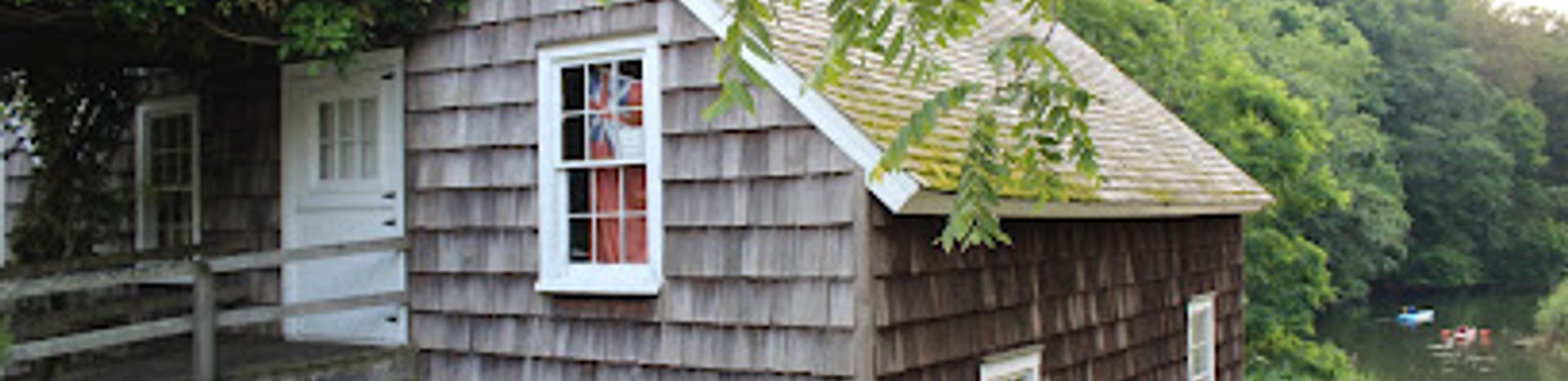
Experience history in motion at this fully operational 18th-century grist mill on Long Island's north shore.
The Stony Brook Grist Mill, dating back to 1751, stands as a testament to Long Island's rich history. This fully operational mill offers visitors a glimpse into 18th-century milling practices and the region's agricultural past.
A brief summary to Stony Brook Grist Mill
- 100 Harbor Rd, Stony Brook, New York, 11790, US
- +1631-689-5888
- Visit website
- Sunday 1 pm-4:30 pm
Local tips
- Check the operating hours before visiting, as the mill has limited weekend hours.
- Explore the Country Store for unique gifts and stone-ground flour.
- Consider booking a private group tour for an in-depth look at the mill's mechanics.

Getting There
-
Car
From Main Street in Stony Brook, head north on Harbor Road. The Stony Brook Grist Mill will be on your left. Parking is available nearby. Parking availability may be limited.
-
Public Transport
Take the Long Island Rail Road (LIRR) to Stony Brook Station. From there, you can take a taxi or ride-sharing service to the Stony Brook Grist Mill on Harbor Road, a trip of approximately 10 minutes. Taxi/ride-share cost is approximately $10-$15.
-
Walking
From the Stony Brook Village Center, walk north on Main Street, then turn left onto Harbor Road. The Grist Mill will be a short walk down Harbor Road on your left. The walk is approximately 10 minutes.
Discover more about Stony Brook Grist Mill
Iconic landmarks you can’t miss

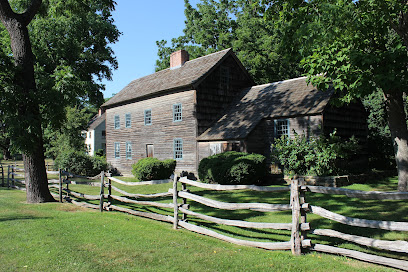
Thompson House
3.3 km
Explore the historical significance and architectural beauty of Thompson House in Setauket-East Setauket, a must-visit for history lovers.
Three Village Historical Society
3.3 km
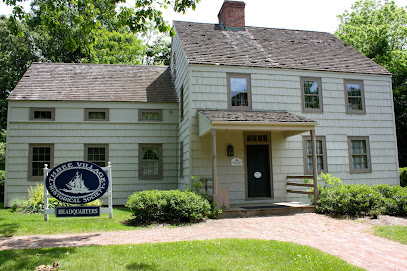
Discover the rich history and vibrant culture at the Three Village Historical Society in Setauket, NY, a must-visit destination for history enthusiasts.
Childs Mansion
5.1 km
Explore Childs Mansion in Setauket-East Setauket, NY: A historical landmark rich in architecture and local history, perfect for all visitors.
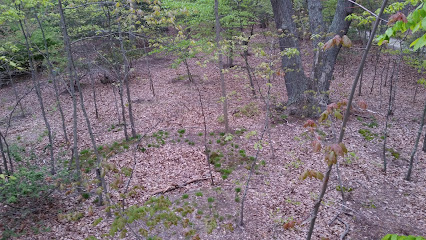
Sherwood Jayne House
5.7 km
Explore the Sherwood Jayne House, a historic gem in Setauket, NY, where rich heritage meets serene nature trails for an unforgettable experience.
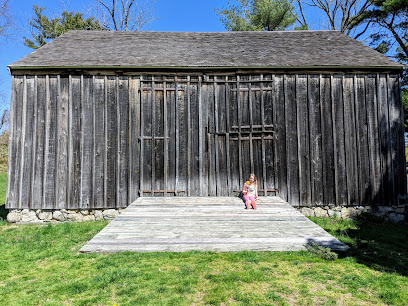
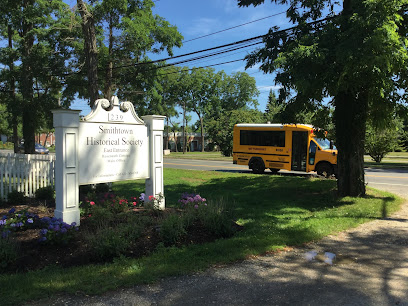
Smithtown Historical Society
7.1 km
Explore the Smithtown Historical Society and uncover the captivating stories that shaped this charming New York community.
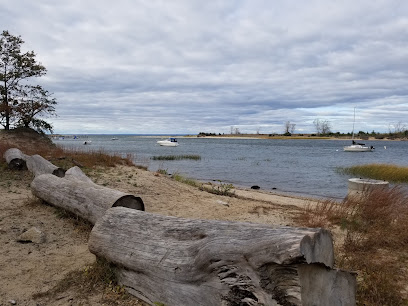
Nissequogue River State Park
7.3 km
Explore Nissequogue River State Park, a haven for outdoor enthusiasts in Kings Park, NY, where nature, history, and adventure come together.
Blydenburgh-Weld House
10.3 km
Explore the historical charm and natural beauty of Blydenburgh-Weld House in Smithtown, NY, a serene park perfect for nature lovers and history enthusiasts.
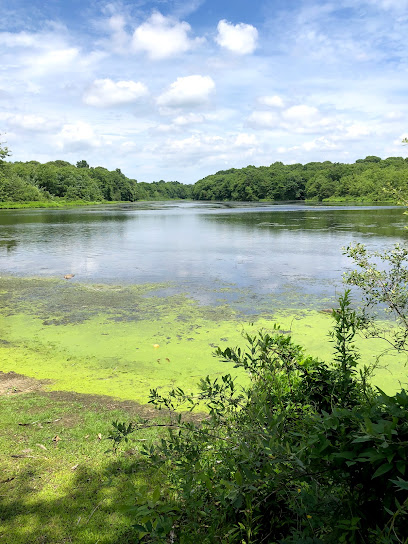
PadLOCKED INc- Escape Room
12.2 km
Discover thrilling escape rooms at PadLOCKED INc in Ronkonkoma, NY, where adventure and teamwork collide in an unforgettable experience.
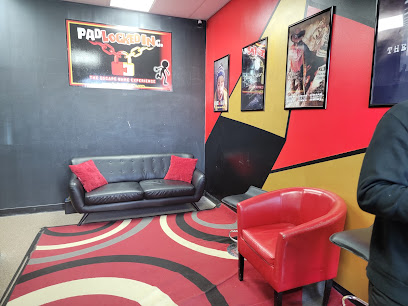
Discover Long Island
14.5 km
Explore the wonders of Long Island with Discover Long Island, your ultimate tourist information center for local attractions and adventures.
Central Long Island Marker
18.6 km
Explore the Central Long Island Marker, a historical landmark in Dix Hills that showcases the rich heritage of New York’s captivating past.
Islip Grange Park
19.4 km
Discover the tranquility of Islip Grange Park in Sayville, NY – a serene retreat filled with lush greenery and historic charm.
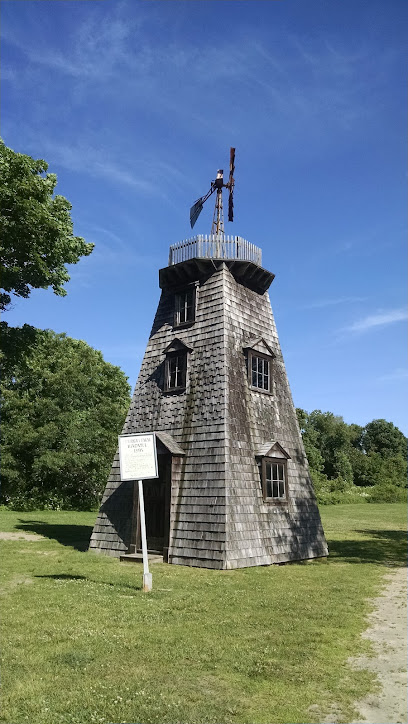
Yaphank Historical Society
19.6 km
Explore the captivating heritage of Yaphank, New York, at the Yaphank Historical Society, a treasure trove of local history and culture.
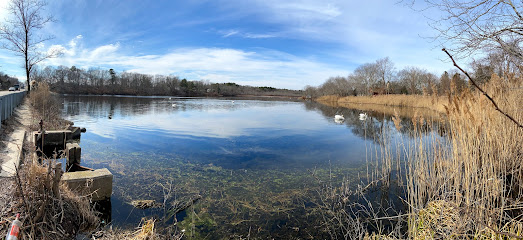
John and Alice Coltrane Home
19.6 km
Explore the John and Alice Coltrane Home in Dix Hills, a historical site celebrating the lives and music of two jazz legends.
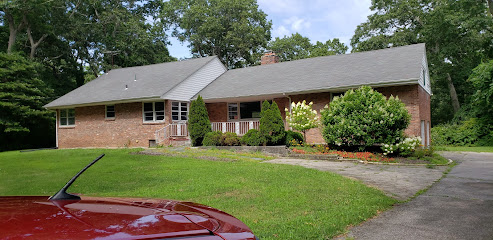
Swezey Avey House
19.6 km
Visit the Swezey Avey House in Yaphank, NY, for a rich glimpse into local history and charming architecture, reflecting the area's cultural heritage.
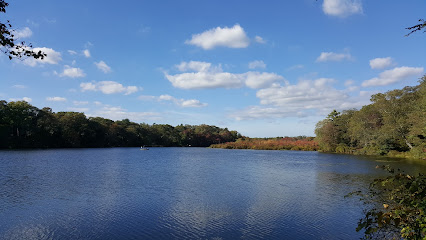
Byron Lake Park
19.7 km
Discover the natural beauty and recreational charm of Byron Lake Park, a serene escape in Oakdale, NY, perfect for families and nature lovers.
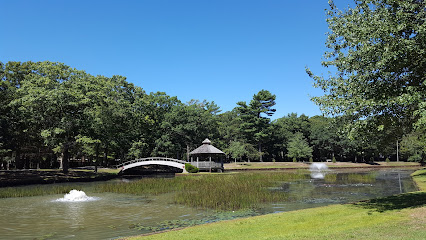
Unmissable attractions to see

The Long Island Museum
0.6 km
Discover the rich history and vibrant art of Long Island at The Long Island Museum, where culture comes to life in every exhibit.
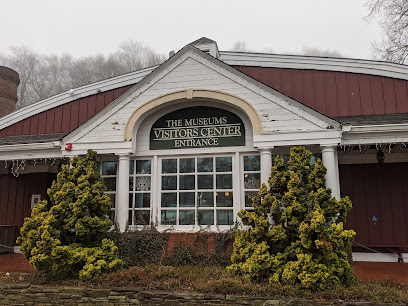
Carriage Museum
0.6 km
Discover the rich history of horse-drawn transportation at the Carriage Museum in Stony Brook, NY, a must-visit attraction for history enthusiasts and families.
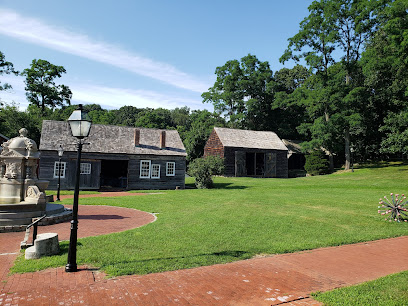
Kings Park Bluff
7.2 km
Experience the natural beauty and tranquility of Kings Park Bluff, a perfect park for relaxation and outdoor activities near New York.
Sweetbriar Park
7.3 km
Explore Sweetbriar Park in Smithtown, NY: A tranquil retreat for nature lovers, featuring beautiful trails, diverse wildlife, and serene picnic spots.
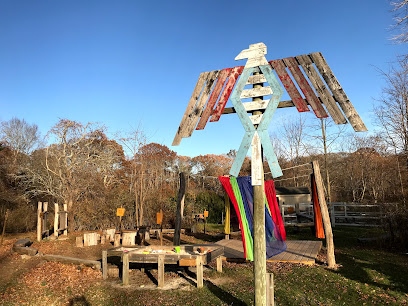
Old Field Point Lighthouse
7.3 km
Discover Old Field Point Lighthouse, a historical landmark on Long Island Sound, offering breathtaking views, rich history, and a tranquil retreat for all visitors.
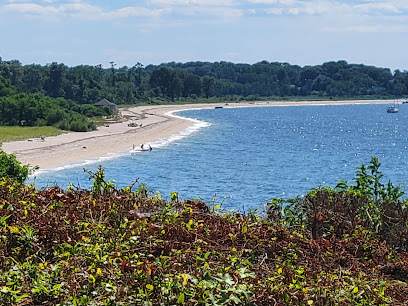
Long Island Explorium
7.7 km
Explore, learn, and create at the Long Island Explorium—where curiosity meets fun for families in Port Jefferson.
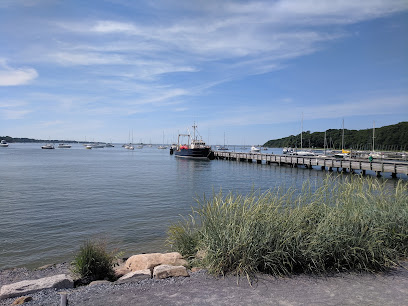
Harborfront Park
7.8 km
Discover tranquility at Harborfront Park, a scenic waterfront escape in Port Jefferson, NY, boasting lush greenery, walking trails, and vibrant local culture.
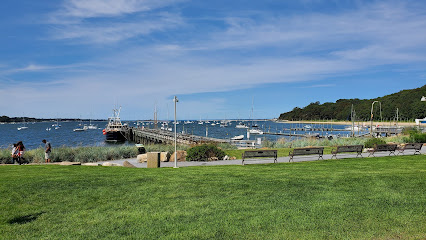
Tiki Action Park
8.6 km
Experience the ultimate family adventure at Tiki Action Park, featuring thrilling go-karts, whimsical mini-golf, and unforgettable fun for all ages in Centereach, NY.
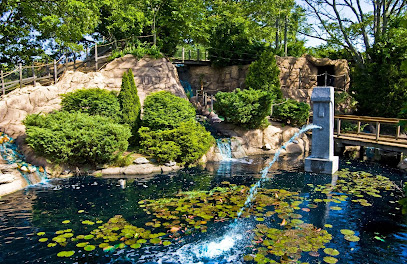
Kings Park Unique Area
9.3 km
Explore the tranquil beauty of Kings Park Unique Area, a serene park in New York perfect for hiking, picnicking, and wildlife watching.
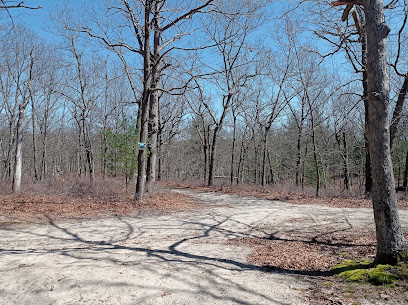
Lake Ronkonkoma County Park
9.4 km
Experience the beauty of nature at Lake Ronkonkoma County Park, where serene lake views and lush trails await outdoor enthusiasts and families.
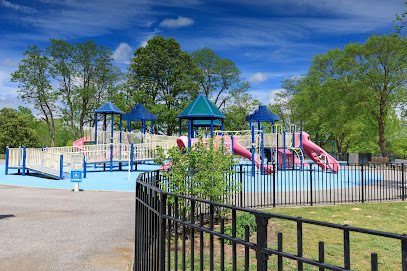
Caleb Smith State Park Reserve
9.6 km
Explore Caleb Smith State Park Reserve in Smithtown, NY: A serene state park offering hiking, wildlife watching, and family-friendly picnicking.
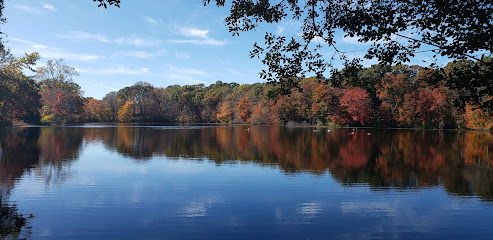
Cedar Beach Town Nature Preserve
10.9 km
Explore the natural beauty of Cedar Beach Town Nature Preserve in Mt. Sinai, NY, where tranquility meets adventure in a stunning coastal setting.
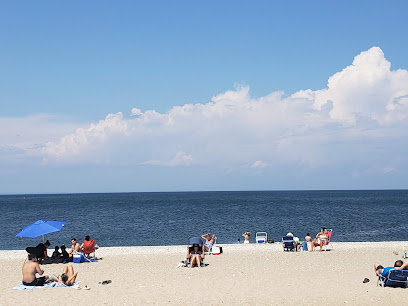
Connetquot River State Park Preserve
18.1 km
Experience the serene beauty and abundant wildlife of Connetquot River State Park Preserve in Oakdale, New York, a must-visit for nature enthusiasts and families.
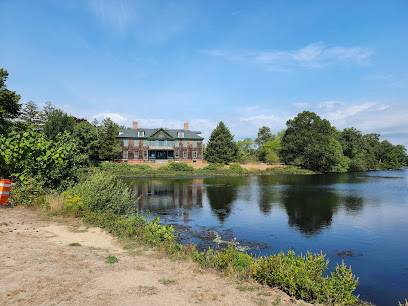
Vanderbilt Museum and Planetarium
18.5 km
Discover the rich history and cosmic wonders at the Vanderbilt Museum and Planetarium in Centerport, New York, perfect for families and history enthusiasts alike.
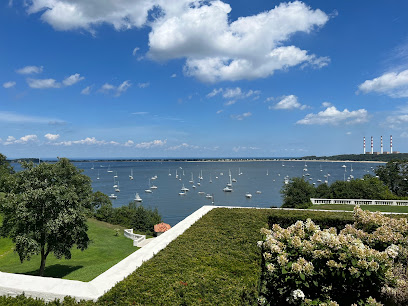
Russell Carroll Waterfalls
18.9 km
Experience tranquility and natural beauty at Russell Carroll Waterfalls, a hidden park gem in Great River, NY, perfect for relaxation and exploration.
Essential places to dine

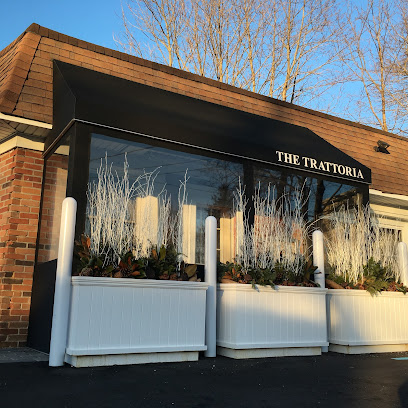
The Trattoria
3.2 km
Savor authentic Italian cuisine at The Trattoria in St. James - where every meal is a celebration of flavor and tradition.
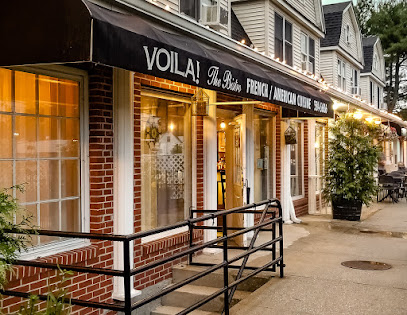
Voila the Bistro
4.4 km
Experience authentic French cuisine at Voila the Bistro in St. James - where every dish tells a story.
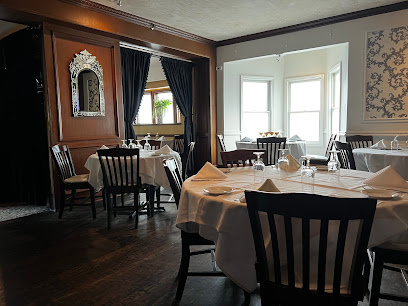
Vintage Steak House
4.5 km
Experience top-notch steaks in an elegant setting at Vintage Steak House in St. James - where every meal is a celebration of flavor.
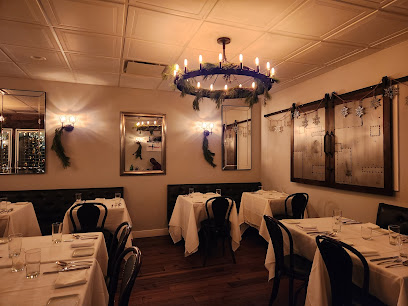
eatMOSAIC
4.6 km
Discover the vibrant flavors of New American cuisine at eatMOSAIC in St. James - where fresh ingredients meet culinary innovation.
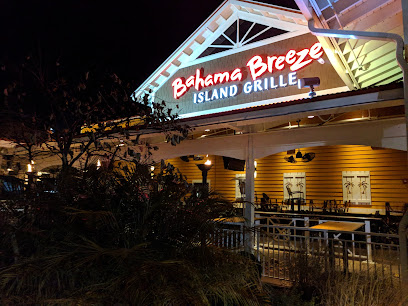
Bahama Breeze
5.9 km
Experience the vibrant flavors of the Caribbean at Bahama Breeze in Lake Grove—your ultimate destination for tropical cuisine and cocktails.
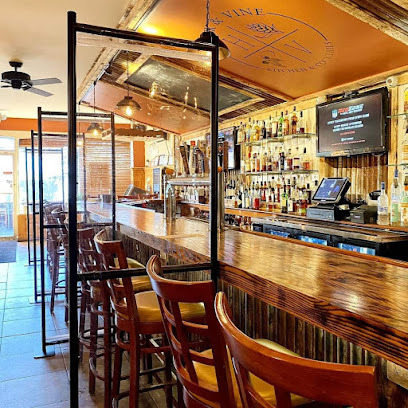
Husk and Vine Kitchen and Cocktails
6.1 km
Experience exquisite dining at Husk and Vine Kitchen and Cocktails in St. James - where culinary creativity meets cocktail artistry.
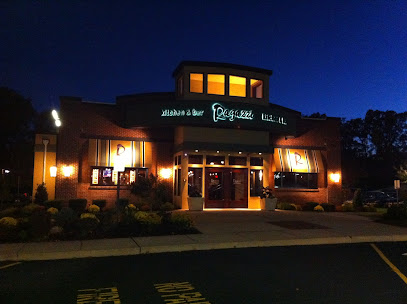
Ragazzi
6.1 km
Discover authentic Italian flavors at Ragazzi in Nesconset - where every meal is a celebration of culinary tradition.
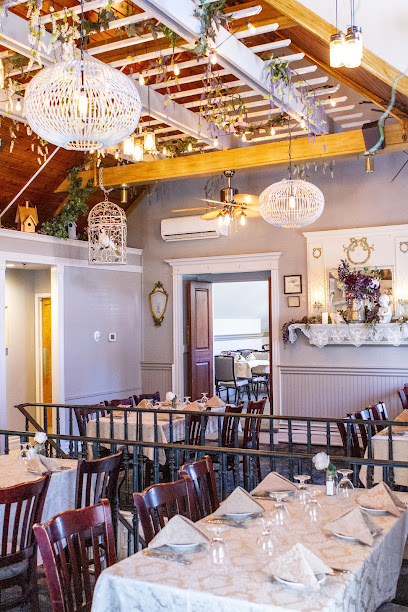
Garden Grill
7.0 km
Discover the flavors of America at Garden Grill - where quality meets comfort in every dish.
Maureen's Kitchen
7.5 km
Experience unique breakfast creations at Maureen's Kitchen in Smithtown - where every meal is a delightful journey of flavors.
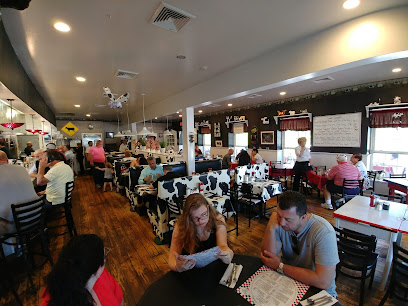
The Fifth Season
7.6 km
Experience exquisite American cuisine at The Fifth Season in Port Jefferson, where seasonal ingredients meet innovative culinary artistry.
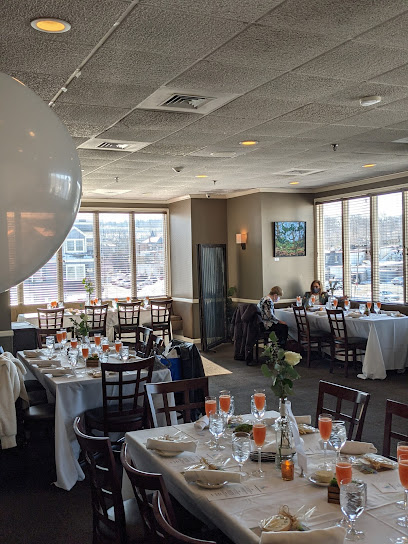
Casa Rustica
7.9 km
Experience authentic Sicilian cuisine at Casa Rustica in Smithtown – where every dish tells a story.
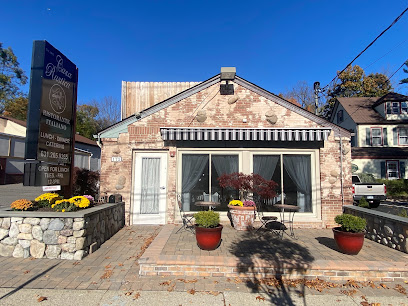
H2O Seafood & Sushi
7.9 km
Experience exquisite seafood and sushi at H2O Seafood & Sushi in Smithtown – where culinary artistry meets fresh flavors.
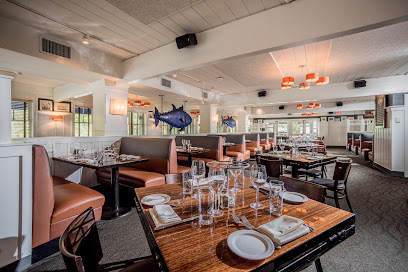
Insignia Prime Steak & Sushi
9.1 km
Experience culinary luxury at Insignia Prime Steak & Sushi in Smithtown – where exquisite steaks meet masterfully crafted sushi.
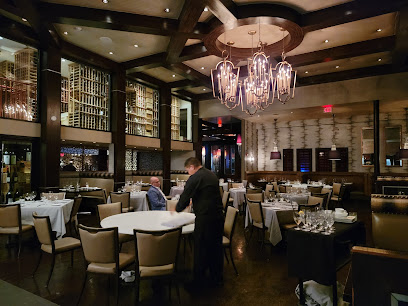
Pace's Steak House
10.8 km
Indulge in exquisite steaks and fine dining at Pace's Steak House in Hauppauge – where every meal is a celebration of flavor.
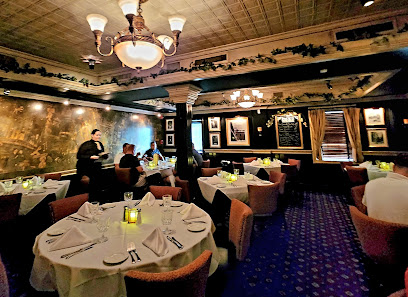
Steve's Piccola Bussola III
13.3 km
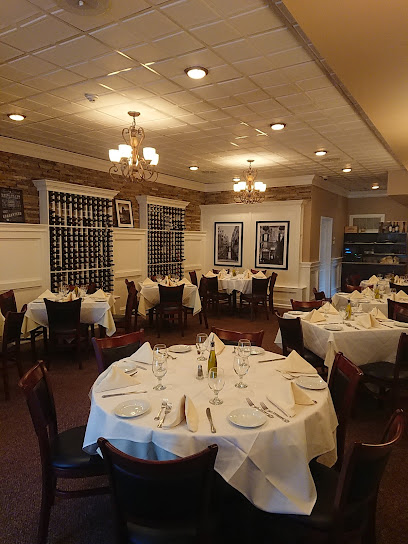
Experience authentic Italian cuisine at Steve's Piccola Bussola III in Hauppauge - where every dish tells a story of flavor and tradition.
Markets, malls and hidden boutiques

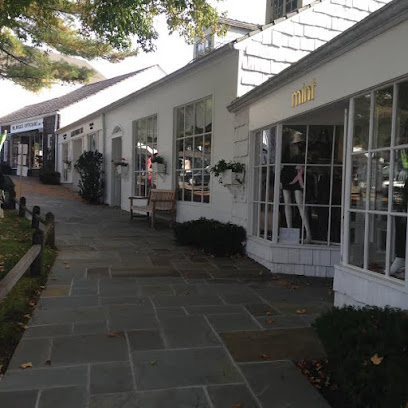
Mint Clothing Boutiques
0.3 km
Explore Mint Clothing Boutiques in Stony Brook for unique women's fashion and accessories that elevate your style and enhance your wardrobe.
Smith Haven Mall
5.8 km
Explore Smith Haven Mall, a vibrant shopping haven in Lake Grove, NY, featuring diverse stores, delicious dining, and a welcoming atmosphere.
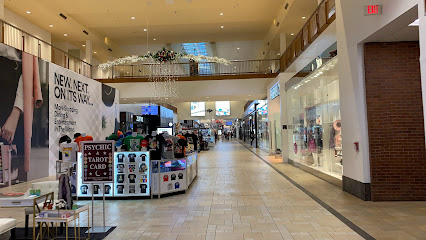
Home Kingdom
7.4 km
Explore Home Kingdom: Your destination for unique gifts and local treasures in the heart of Port Jefferson.
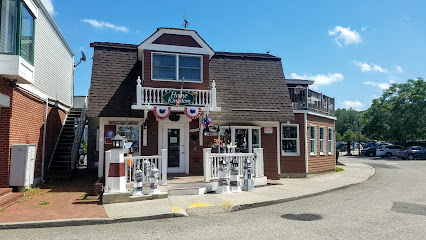
Simple Good
7.4 km
Explore Simple Good in Port Jefferson for unique gifts and artisanal treasures, showcasing local craftsmanship and creativity.
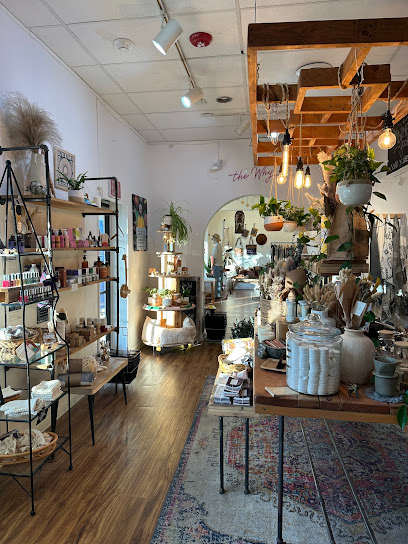
The SoapBox
7.4 km
Discover unique artisanal health and beauty products at The SoapBox in charming Port Jefferson, NY – a must-visit shop for self-care enthusiasts.
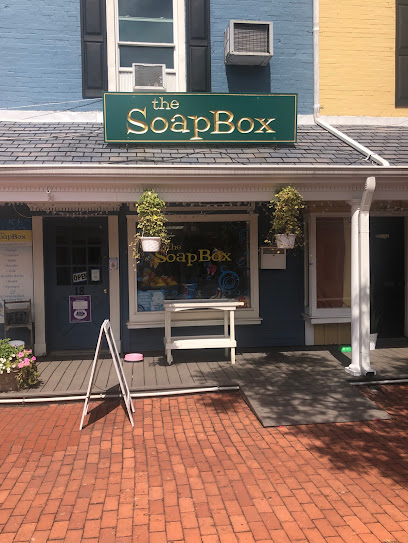
Lavender Fields
7.5 km
Explore Lavender Fields in Port Jefferson, NY: A captivating gift shop filled with unique home goods, elegant candles, and enchanting perfumes.
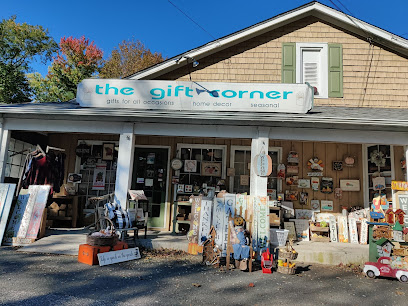
Gift Corner
11.1 km
Explore a delightful gift shop in Mt. Sinai, offering unique treasures and personalized items that reflect local charm and creativity.
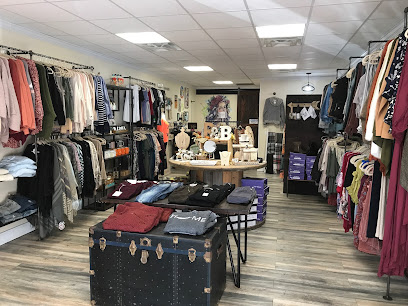
Rose & Boom Boutique
11.3 km
Explore the unique and stylish women's clothing at Rose & Boom Boutique in Mt. Sinai, where fashion meets local charm.
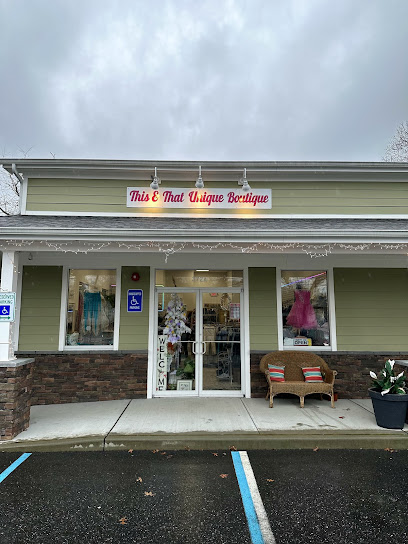
This & That Unique Boutique
11.4 km
Explore distinctive fashion pieces at This & That Unique Boutique, a charming clothing store in Farmingville, NY, perfect for unique wardrobe additions.
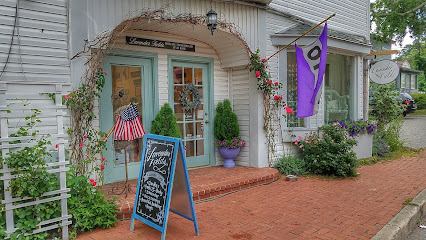
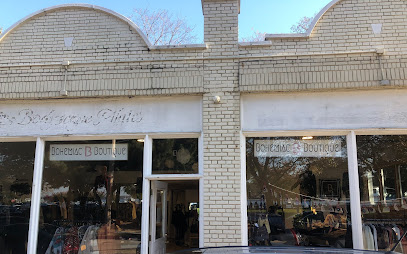
Bohemiac Boutique
17.3 km
Discover unique fashion treasures at Bohemiac Boutique in Northport, where style meets individuality in a charming setting.
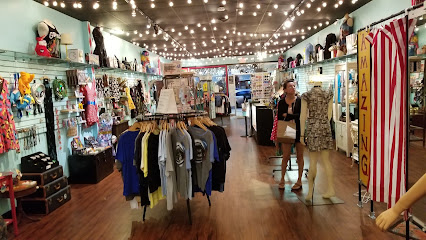
Paper Doll Curiosity Shoppe
20.0 km
Explore a whimsical world of unique gifts at Paper Doll Curiosity Shoppe in Patchogue, where every item tells a story.
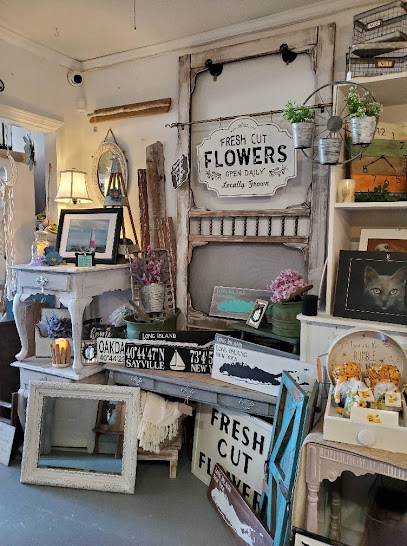
30 Hamptons West Vintage / Eclectic Boutique
20.6 km
Explore 30 Hamptons West for unique vintage finds and eclectic home goods in the heart of Sayville, New York, perfect for every style.
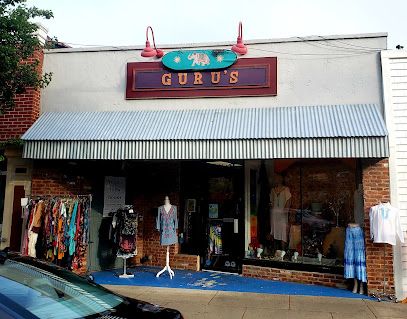
Guru's
20.7 km
Experience Sayville's finest gift shop, Guru's, where unique treasures and local charm come together for an unforgettable shopping experience.
On a Whim Gift Store
20.8 km
Explore the charm of On a Whim Gift Store in East Islip, your go-to destination for unique gifts and local artisan treasures.
Something-old-new-special gift shoppe
21.8 km
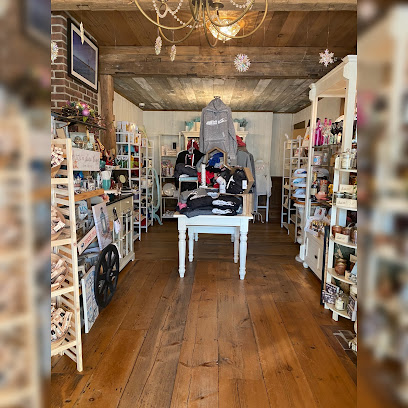
Explore a treasure trove of unique antiques and collectibles at Something-Old-New-Special Gift Shoppe in Huntington Station, NY.
Essential bars & hidden hideouts

Figari’s Wine and Liquor
7.6 km
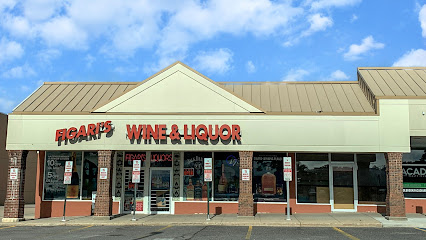
Explore a curated selection of fine wines and liquors at Figari’s Wine and Liquor in the Village of the Branch.
Parsnip Lake House
9.3 km
Experience the friendly atmosphere and delightful drinks at Parsnip Lake House in Lake Ronkonkoma, a local bar that brings people together.
Jax Cocktail Lounge
10.8 km
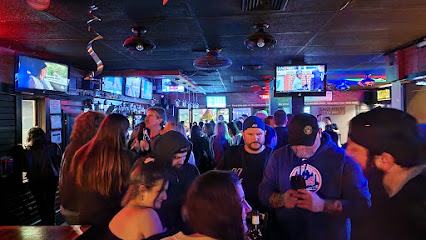
Discover the vibrant vibe of Jax Cocktail Lounge in Lake Ronkonkoma, where expertly crafted cocktails and a friendly atmosphere await you.
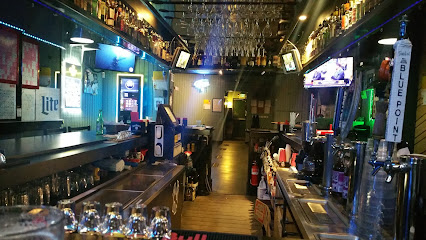
The Bubbly Bar LI
14.0 km
Experience the vibrant nightlife at The Bubbly Bar LI, a unique bar in Long Island, NY, offering exquisite bubbly drinks and a lively atmosphere.
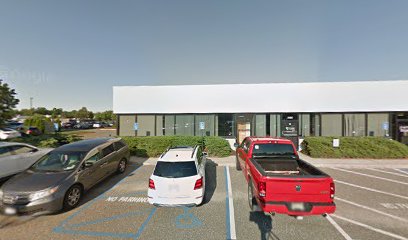
Nag's Head Ale House
23.9 km
Discover the inviting atmosphere and delicious offerings at Nag's Head Ale House, a must-visit pub in Huntington, NY, perfect for relaxation and local flavors.
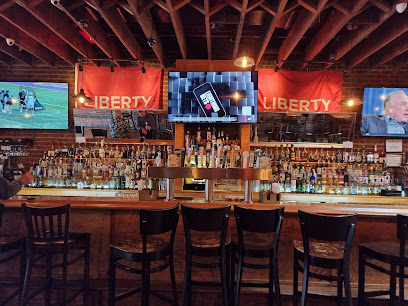
The Rust & Gold
24.2 km
Discover The Rust & Gold, Huntington's lively bar offering a unique atmosphere, craft drinks, and vibrant nightlife for every visitor.
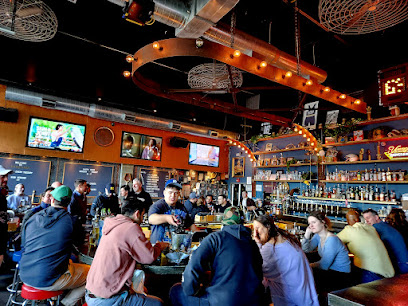
The Blind Rhino
27.6 km
Experience the thrill of sports at The Blind Rhino, Bridgeport's premier sports bar with delicious food and a vibrant atmosphere.
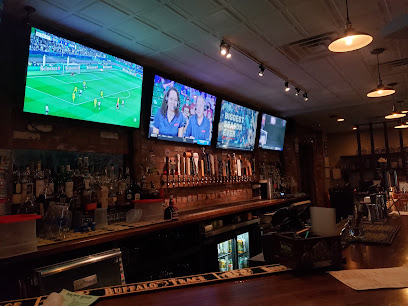
The Castle, Black Rock
27.7 km
Discover the vibrant flavors and welcoming ambiance at The Castle, Black Rock, a top bar and restaurant on Connecticut's beautiful shoreline.
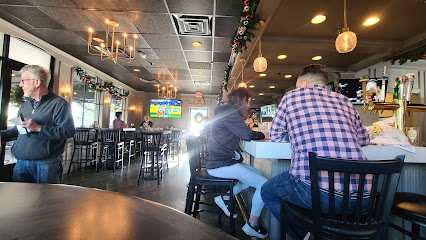
Tautog Tavern
27.7 km
Discover Tautog Tavern in Bridgeport, CT - where delectable grilled dishes meet a vibrant bar scene for an unforgettable dining experience.
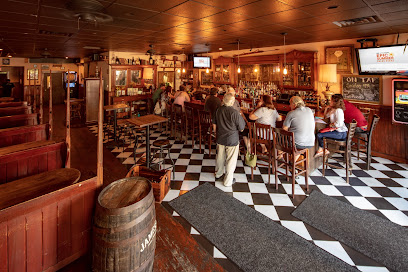
Matty's Corner
27.8 km
Experience the lively atmosphere and delicious grilled favorites at Matty's Corner, Bridgeport's go-to spot for food and live music.
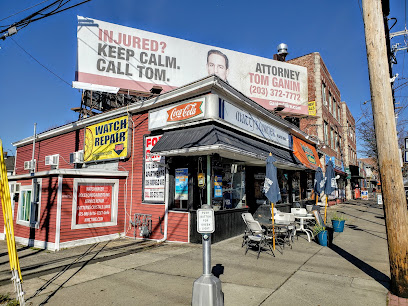
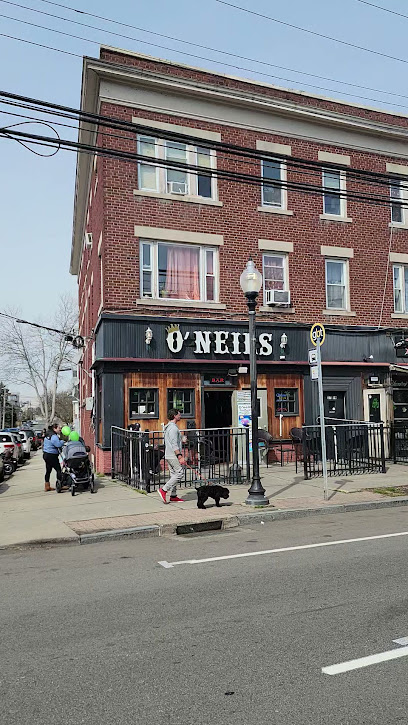
O'Neil's Bar & Lounge
27.9 km
Explore Bridgeport's vibrant nightlife at O'Neil's Bar & Lounge, where cozy ambiance meets a delightful drink selection in the heart of Black Rock.
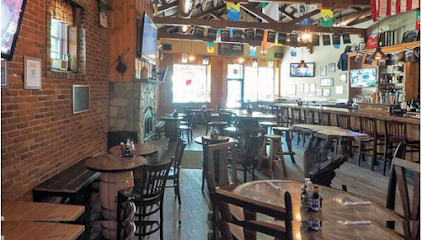
Brennan's Shebeen Irish Bar and Grill
28.0 km
Discover the heart of Irish culture at Brennan's Shebeen – a perfect blend of delicious food, drinks, and lively entertainment in Black Rock.
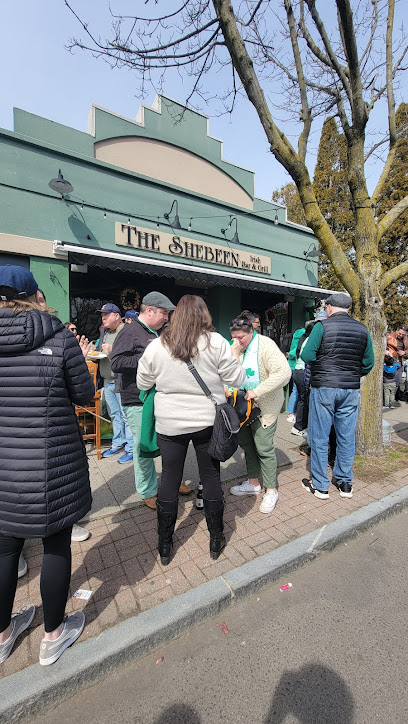
The Shebeen of Black Rock
28.0 km
Discover the vibrant spirit of Ireland at The Shebeen of Black Rock, where delicious food and lively entertainment await.
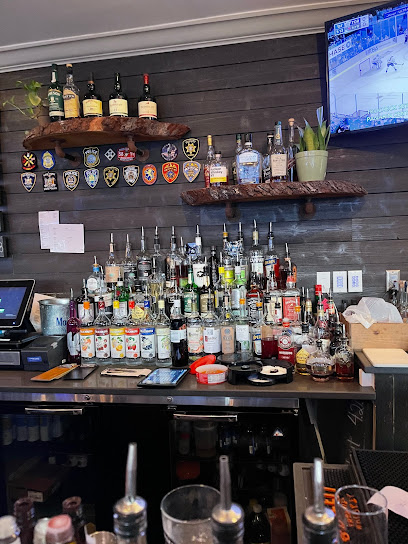
The Local
28.1 km
Discover the vibrant atmosphere and delicious drinks at The Local, Babylon's favorite bar for a relaxed evening with friends.
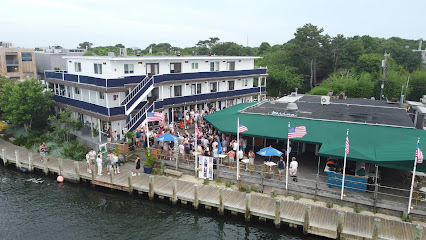
The Blue Whale
28.4 km
Experience the lively atmosphere and delightful menu at The Blue Whale, the premier gay bar and restaurant in Fire Island Pines.
Nightclubs & after hour spots

Club 112
13.8 km
Discover the vibrant nightlife at Club 112 in Central Islip, NY - a premier destination for unforgettable parties and electrifying music.
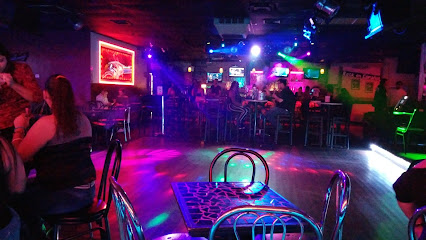
Lizard Lounge
17.9 km
Experience the vibrant nightlife at Lizard Lounge, Bohemia's premier night club featuring themed nights, cocktails, and live entertainment.
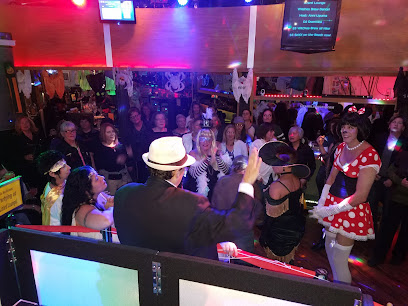
The Carousel Night Club
22.5 km
Discover the electrifying nightlife at The Carousel Night Club in Huntington Station, NY, where vibrant music meets unforgettable entertainment.
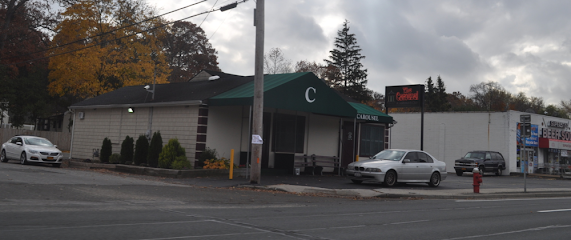
El Rey Azteca Lounge
28.3 km
Discover the fusion of authentic Mexican flavors and vibrant nightlife at El Rey Azteca Lounge in Bridgeport, a perfect spot for food and fun.
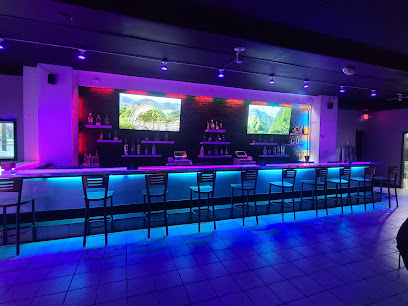
Bk Lounge
29.1 km
Discover Bk Lounge, a vibrant social club in Bridgeport, CT, offering a perfect blend of entertainment, music, and friendly vibes for an unforgettable night out.
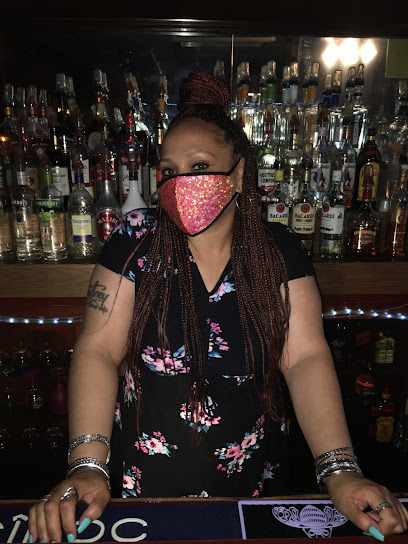
Sugar & Spice
29.8 km
Experience the vibrant nightlife of Bridgeport at Sugar & Spice, a top night club and bar offering music, drinks, and a lively atmosphere.
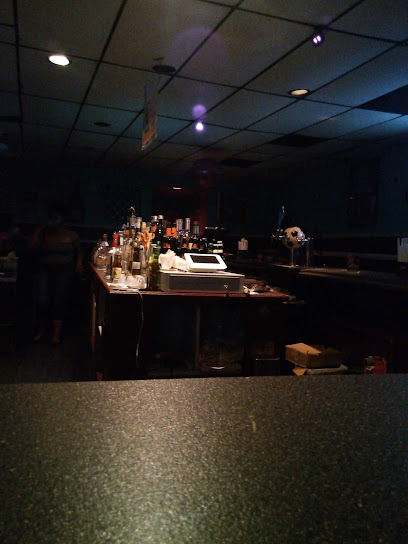
White Eagle Club
30.3 km
Discover the electrifying nightlife of White Eagle Club in Bridgeport, Connecticut, where music, dance, and fun come alive!
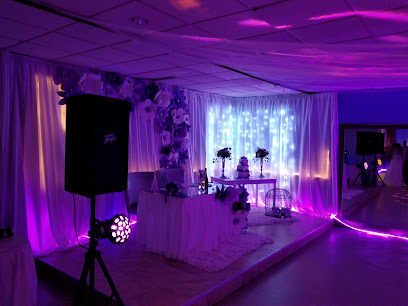
Courts
30.3 km
Discover the electric energy of Courts, Westport's top night club, featuring great drinks, live DJs, and a vibrant atmosphere.
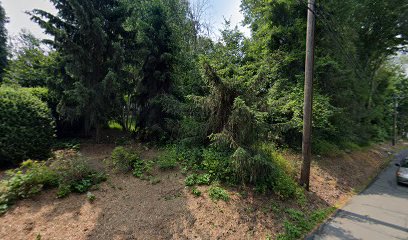
Bambu Night Club
30.7 km
Experience the vibrant nightlife of Norwalk at Bambu Night Club, where every night is a celebration filled with music, dancing, and unforgettable moments.
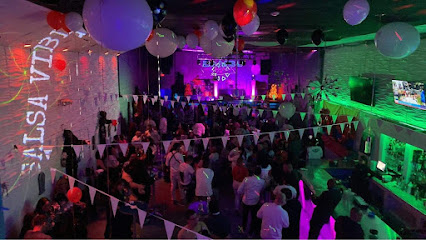
Dejavu lounge
30.7 km
Discover the vibrant atmosphere and unique hookah offerings at Dejavu Lounge, Norwalk's premier spot for relaxation and nightlife.
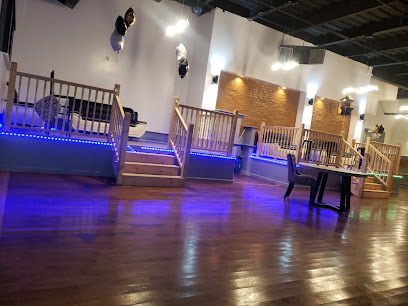
Azul Restaurant
31.4 km
Discover the vibrant nightlife at Azul Restaurant, a premier night club and bar in Bridgeport, Connecticut, perfect for unwinding and socializing.
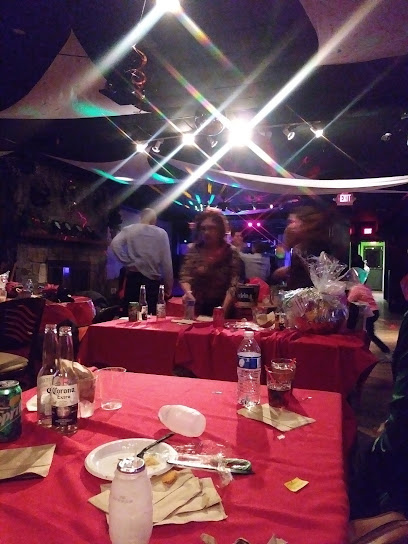
Mystique Bridgeport
31.6 km
Discover Mystique Bridgeport - the ultimate bar and dance club experience in Bridgeport, Connecticut, where nightlife comes alive with music, drinks, and excitement.
Troupe429
31.6 km
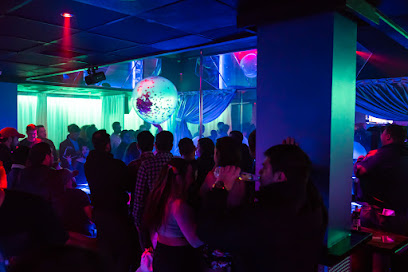
Experience the vibrant nightlife at Troupe429, Norwalk's top gay bar with karaoke, live music, and a welcoming atmosphere for all.
Scruples Gentlemen's Club
31.8 km
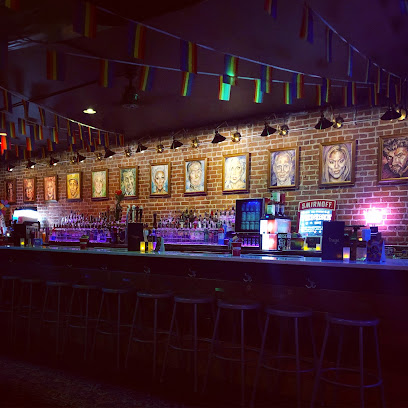
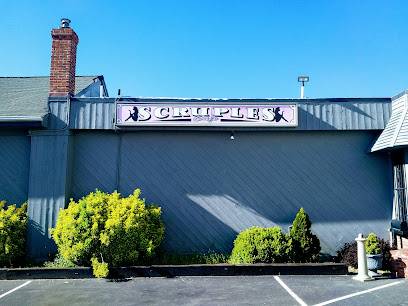
Discover the vibrant nightlife of Bridgeport at Scruples Gentlemen's Club, where adult entertainment meets an energetic bar atmosphere.
BJ Ryan's Magnolia Room
31.9 km
Discover the excitement and charm of BJ Ryan's Magnolia Room, Norwalk's premier cabaret club for live entertainment and unforgettable nights.