

Free The Gold Coast Travel Guide & Mobile App
Explore The Gold Coast with free travel guides. Discover regional history, expert tips, proposed trips, and audio guides on web or mobile app.


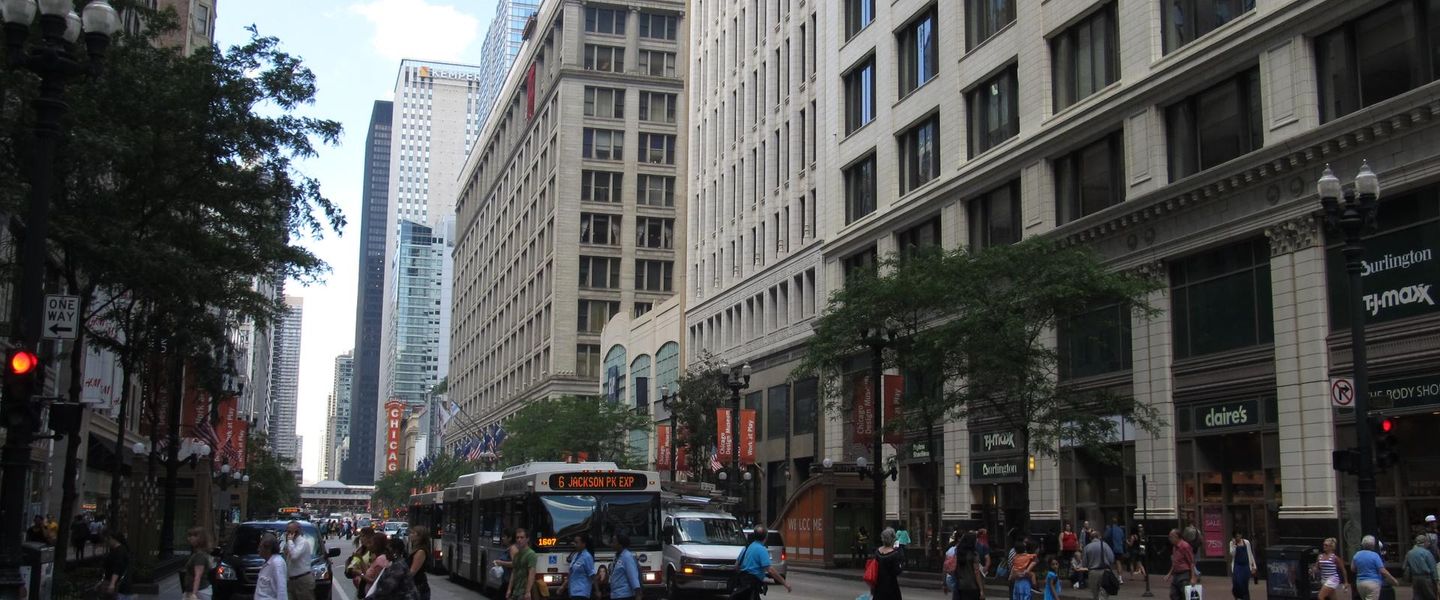


Explore Connecticut’s Gold Coast for Long Island Sound beaches, maritime towns, historic estates, arts venues and sophisticated coastal dining.
Read more about The Gold Coast
When is the best time to visit The Gold Coast?
Best: June, August–September · 23–27°C| Month | High (°C) | Rainfall (mm) |
|---|---|---|
| January | 3 | 83 |
| February | 4 | 76 |
| March | 9 | 97 |
| April | 14 | 102 |
| May | 19 | 108 |
| June (best) | 24 | 104 |
| July | 28 | 114 |
| August (best) | 27 | 119 |
| September (best) | 23 | 111 |
| October | 18 | 101 |
| November | 12 | 93 |
| December | 7 | 89 |
Getting to and around The Gold Coast
How to get there
Transportation
Best attractions in The Gold Coast
The Gold Coast’s attractions range from maritime museums and historic houses to beaches, tidal islands, galleries and nature preserves. In Greenwich, the Bruce Museum combines art, science and regional natural-history displays, while Greenwich Point Park provides a prominent setting on Long Island Sound, subject to local access arrangements. Norwalk’s Maritime Aquarium interprets the Sound’s habitats and marine life, and the South Norwalk waterfront adds restaurants, galleries and a walkable urban setting. Lockwood-Mathews Mansion Museum offers an ornate view of nineteenth-century industrial wealth. Westport’s arts tradition is represented by venues and galleries around the Saugatuck River, while nearby conservation properties provide trails through woodland, meadow and wetland. Fairfield and Darien contribute beaches, harbours and public open space, and Stamford offers museums, parks and a more urban cultural programme. The region is especially rewarding for combining one indoor attraction with a coastal or riverside walk, since tides, weather and private property make the shoreline experience more varied than a continuous beach resort.
-
 Tourist attraction
Foxwoods Resort Casino
Explore the excitement at Foxwoods Resort Casino, where gaming, dining, and entertainment come together for an unforgettable experience in Mashantucket, Connecticut.
-
History museum
Mystic Seaport Museum
Discover the maritime history and vibrant culture of New England at Mystic Seaport Museum, where history, art, and adventure come together.
-
Tourist attraction
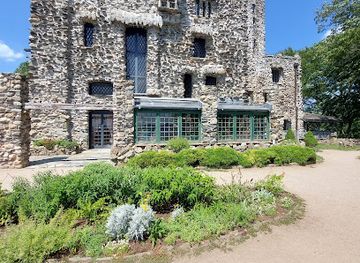
Gillette Castle State Park
Explore the architectural marvel of Gillette Castle State Park, where history meets nature in a stunning Connecticut landscape.
-
Tourist attraction
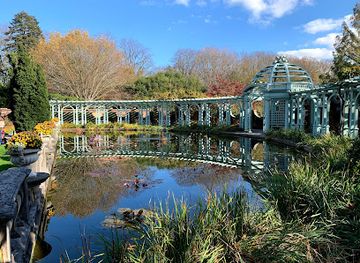
Old Westbury Gardens
Experience the elegance of a bygone era at Old Westbury Gardens, a meticulously preserved Gold Coast estate with a Charles II-style mansion and stunning gardens.

Best landmarks in The Gold Coast
The Gold Coast’s most recognisable landmarks reveal the relationship between Long Island Sound, industry and affluence. Greenwich Point is a distinctive coastal park at the end of a peninsula, with views across the Sound and a landscape shaped by tidal water, beaches and former country-estate development. In Norwalk, the Lockwood-Mathews Mansion is an important surviving example of a nineteenth-century Second Empire residence, its elaborate interiors expressing the wealth generated by industry and rail connections. The Maritime Aquarium’s waterfront setting in South Norwalk points to the continuing importance of the Sound, while the harbour and maritime landscape around Norwalk’s islands provide a strong geographic identity. The Bush-Holley House in Greenwich is associated with the Cos Cob art colony and the area’s later cultural history. Stamford’s downtown towers form a contrasting modern landmark, representing the business transformation that followed the decline of much of the region’s earlier manufacturing. Historic town greens, churches and river crossings in Fairfield, Westport and other communities complete the architectural picture.
-
Tourist attraction
Foxwoods Resort Casino
Discover the ultimate entertainment destination at Foxwoods Resort Casino in Mashantucket, Connecticut, offering gaming, dining, and relaxation.
-
Historical place
Boston National Historical Park- Charlestown Navy Yard
Discover the rich maritime history at Boston National Historical Park - Charlestown Navy Yard, showcasing the iconic USS Constitution and stunning waterfront views.
-
Historical landmark
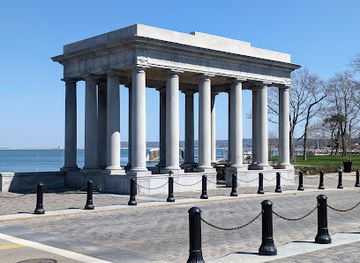
Plymouth Rock
Explore Plymouth Rock, a historic landmark symbolizing the Pilgrims' landing in 1620, and immerse yourself in America's rich cultural heritage.
-
Tourist attraction
Connecticut's Beardsley Zoo
Experience wildlife up close at Connecticut's Beardsley Zoo, where conservation meets family fun in the heart of Bridgeport.
Explore The Gold Coast on the map
Plan your trip on one map. See where the top cities, national parks and sights are, and book hotels and experiences in a few clicks.
Best hotels in The Gold Coast
Best restaurants in The Gold Coast
Dining across the Gold Coast reflects Long Island Sound, New England traditions and the region’s cosmopolitan population. Seafood is prominent, with oysters, clams, lobster, locally inspired fish dishes and casual waterfront meals appearing alongside more formal restaurants. Norwalk’s South Norwalk district has one of the region’s broadest concentrations of restaurants and bars, while Stamford, Greenwich and Westport offer everything from independent cafés and bakeries to contemporary dining rooms. Traditional pizzerias, delis and neighbourhood restaurants are as much part of local eating habits as polished establishments. Farmers’ markets and farm shops provide seasonal fruit, vegetables, baked goods and prepared foods, particularly during the warmer months. Visitors should also look for New England staples such as clam chowder, lobster rolls and steamed seafood, while remembering that individual menus and market schedules change. Restaurant bills normally exclude tax and gratuity, and reservations are sensible for popular evening dining.
-
American
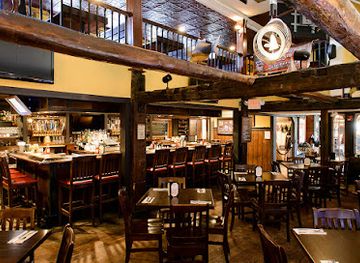
J Timothy's Taverne
Experience the vibrant atmosphere and delicious offerings at J Timothy's Taverne in Plainville – a must-visit for food lovers!
-
American
Sugar Factory Foxwoods
Experience indulgence at Sugar Factory Foxwoods with dazzling drinks, delectable American cuisine, and extravagant desserts in a whimsical atmosphere.
-
American
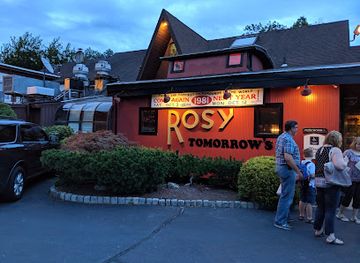
Rosy Tomorrow's
Experience delicious American cuisine at Rosy Tomorrow's - a family-friendly dining destination in Danbury offering comfort food in a warm atmosphere.
-
Barbecue
Hoodoo Brown BBQ
Discover the authentic taste of Southern-style barbecue at Hoodoo Brown BBQ in Ridgefield - where smoky flavors meet vibrant hospitality.


Best bars in The Gold Coast
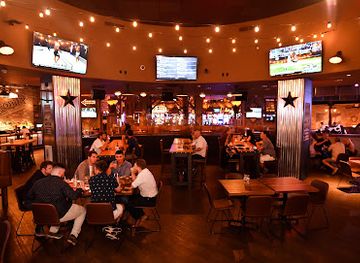
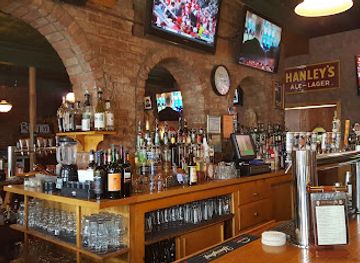
Evening life is concentrated in Stamford, Norwalk and Westport rather than spread evenly along the coast. Stamford has the region’s broadest urban selection of pubs, cocktail bars, restaurants, live-music venues and late-night establishments, while South Norwalk combines restaurants, bars and cultural venues in a compact district. Westport’s evening scene is more closely connected with dining, theatre, galleries and polished bars than with large clubs. Greenwich, Darien and Fairfield generally offer quieter pubs, wine bars, restaurants and neighbourhood venues, with activity varying by season and day of the week. Breweries and taprooms provide another option where available, but they should be approached as places for conversation and tasting rather than as a defining regional tradition. Check current arrangements before travelling, particularly for performances, ticketed events and late-night transport.
-
American
J Timothy's Taverne
Discover the heart of American cuisine at J Timothy's Taverne in Plainville, where delicious food meets a lively atmosphere.
-
Bar
Captain's Cove Seaport (Marina, Restaurant & Bar)
Experience the perfect blend of dining, nightlife, and scenic views at Captain's Cove Seaport in Bridgeport, CT.
-
Bar
Comix Roadhouse
Discover Comix Roadhouse: A lively bar and restaurant with live music, offering a unique blend of entertainment and delicious cuisine in Uncasville.
-
American
The Main Pub
Discover the lively atmosphere and delicious American cuisine at The Main Pub, Manchester's top spot for food and live music.

Best nightclubs in The Gold Coast
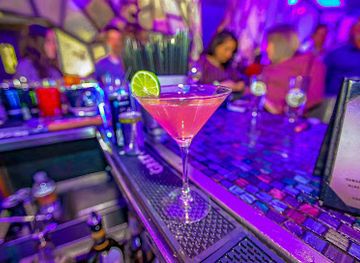
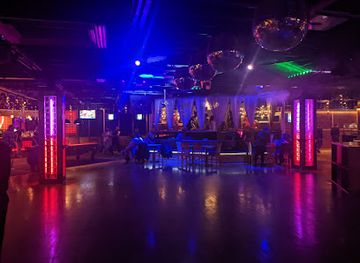
Evening life is concentrated in Stamford, Norwalk and Westport rather than spread evenly along the coast. Stamford has the region’s broadest urban selection of pubs, cocktail bars, restaurants, live-music venues and late-night establishments, while South Norwalk combines restaurants, bars and cultural venues in a compact district. Westport’s evening scene is more closely connected with dining, theatre, galleries and polished bars than with large clubs. Greenwich, Darien and Fairfield generally offer quieter pubs, wine bars, restaurants and neighbourhood venues, with activity varying by season and day of the week. Breweries and taprooms provide another option where available, but they should be approached as places for conversation and tasting rather than as a defining regional tradition. Check current arrangements before travelling, particularly for performances, ticketed events and late-night transport.
-
Lounge
Vista Lounge at Wombi Rock
Discover the allure of Vista Lounge at Wombi Rock, where stunning views meet exquisite drinks in a vibrant atmosphere at Mohegan Sun.
-
Night club
Club Vandome
Discover the vibrant nightlife of New Haven at Club Vandome, the ultimate destination for affordable drinks and energetic music.
-
Night club
Shrine Nightclub
Dive into the electrifying nightlife at Shrine Nightclub, where music, dance, and unforgettable moments await in Mashantucket, Connecticut.
-
Night club
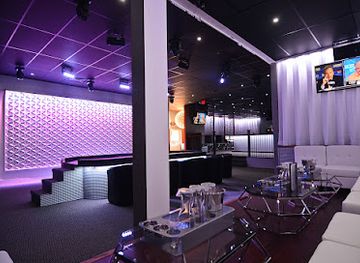
Mystique Stamford
Discover the vibrant nightlife at Mystique Stamford, a premier night club offering an energetic atmosphere, great music, and unforgettable experiences.

Best shops in The Gold Coast
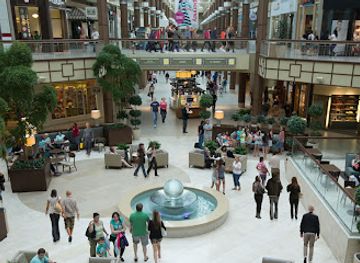
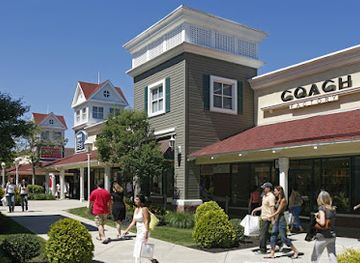
Shopping is organised around individual town centres rather than one continuous retail district. Greenwich offers an upmarket mix of fashion, jewellery, homewares, galleries and independent businesses, while Stamford combines downtown shops with larger commercial areas and everyday services. Westport is known for an attractive centre of independent retailers, boutiques, booksellers, galleries and cafés, and South Norwalk has a smaller, more arts-oriented assortment around its dining and cultural quarter. Fairfield, Darien and Norwalk provide practical high-street shopping alongside local businesses. Farmers’ markets and farm stands are useful for seasonal produce, bread, flowers and prepared foods, particularly during the warmer months. Regional purchases may include Connecticut-made foods, coastal artwork, ceramics, books, craft goods and nautical-themed souvenirs. Retail arrangements vary substantially by town and season, so visitors seeking a particular shop or market should check current details before making a special journey.
-
Outlet mall
Tanger Outlets Foxwoods
Discover unbeatable deals and an unforgettable shopping experience at Tanger Outlets Foxwoods in Mashantucket, Connecticut.
-
Shopping mall
Danbury Fair
Explore Danbury Fair: Your ultimate shopping destination in Connecticut with diverse stores, dining, and entertainment for all ages.
-
Shopping mall
Trumbull Mall
Discover Trumbull Mall: your ultimate shopping destination in Connecticut with diverse stores, delicious dining, and family-friendly fun.
-
Outlet mall
Clinton Premium Outlets
Discover unbeatable deals and a vast selection of brand-name stores at Clinton Premium Outlets, the ultimate shopping destination in Connecticut.
Get your free copy of our complete guide to The Gold Coast, delivered straight to you.
Everything on this page, from attractions and restaurants to essentials and local phrases, in one PDF you can read offline, print or share.
Already have an account? Sign in
Your The Gold Coast guide is ready.
We'll send it to · Not you? Sign out

Getting your guide ready…
We are putting together a fresh copy of the The Gold Coast guide. This can take up to a minute.
This can take a few moments. If your browser asks, choose Allow so the download can start. You'll find the guide in your Downloads folder.
Nothing happened? Download it again
Sorry, the guide is taking longer than usual. Please try again in a minute, or get it by email instead.
The Gold Coast essentials
Currency and Payment
Safety
Emergency Situations
Do's and Don'ts
Local Tips
From Eve
Local phrases worth knowing
You don't need to get them perfect. A few words go a long way, and locals appreciate the effort.
Basics
| English | Local | Say it |
|---|---|---|
| Hello | Hi | [Hai] |
| Goodbye | See you later | [See you lay-ter] |
| Yes | Yep | [Yep] |
| No | Nah | [Nah] |
| Please/You're welcome | Sure thing | [Shur thing] |
| Thank you | Thanks | [Thangs] |
| Excuse me/Sorry | Sorry | [Sorree] |
| How are you? | How's it going? | [How's it goin'?] |
| Fine. And you? | Good. You? | [Good. You?] |
| Do you speak English? | Do you speak English? | [Do you speak English?] |
| I don't understand | I don't get it | [I don't get it] |
Eating & Drinking
| English | Local | Say it |
|---|---|---|
| I'd like to see the menu, please | Can I see the menu? | [Can I see the menu?] |
| I don't eat meat | I'm a vegetarian | [I'm a vege-tair-ee-an] |
| Cheers! | Cheers! | [Cheers!] |
| I would like to pay, please | Can I get the check? | [Can I get the check?] |
Emergencies
| English | Local | Say it |
|---|---|---|
| Help! | Help! | [Help!] |
| Go away! | Leave me alone! | [Leave me alone!] |
| Call the Police! | Call the cops! | [Call the cops!] |
| Call a doctor! | Get a doctor! | [Get a doctor!] |
| I'm lost | I'm kinda lost | [I'm kinda lost] |
| I'm ill | I'm not feeling well | [I'm not feeling well] |
Shopping
| English | Local | Say it |
|---|---|---|
| I'd like to buy... | I want to buy... | [I want to buy...] |
| I'm just looking | Just browsing, thanks | [Just browsing, thanks] |
| How much is it? | What’s the price? | [What’s the price?] |
| That's too expensive | That's a bit much | [That's a bit much] |
| Can you lower the price? | Can you give me a better deal? | [Can you give me a better deal?] |
Time & Numbers
| English | Local | Say it |
|---|---|---|
| What time is it? | What time is it? | [What time is it?] |
| It's one o'clock | It's one o'clock | [It's one o'clock] |
| Half past (10) | Half past ten | [Half past ten] |
| Morning | Morning | [Morning] |
| Afternoon | Afternoon | [Afternoon] |
| Evening | Evening | [Evening] |
| Yesterday | Yesterday | [Yesterday] |
| Today | Today | [Today] |
| Tomorrow | Tomorrow | [Tomorrow] |
| 1 | One | [One] |
| 2 | Two | [Two] |
| 3 | Three | [Three] |
| 4 | Four | [Four] |
| 5 | Five | [Five] |
| 6 | Six | [Six] |
| 7 | Seven | [Seven] |
| 8 | Eight | [Eight] |
| 9 | Nine | [Nine] |
| 10 | Ten | [Ten] |
Transport & Directions
| English | Local | Say it |
|---|---|---|
| Where's a/the...? | Where’s the nearest...? | [Where’s the nearest...?] |
| What's the address? | What’s the address? | [What’s the address?] |
| Can you show me (on the map)? | Can you point it out? | [Can you point it out?] |
| When's the next (bus)? | When’s the next bus? | [When’s the next bus?] |
| A ticket (to ....) | A ticket to... | [A ticket to...] |
History of The Gold Coast
Indigenous Coastal Communities Before European Settlement
Before English colonisation, the Long Island Sound coast was occupied by Indigenous communities speaking Algonquian languages, including groups associated with the Siwanoy and wider Wappinger cultural world. They fished, gathered shellfish, hunted, cultivated crops and travelled through the estuaries and forests that now form southwestern Connecticut. Place names and the enduring importance of shellfish grounds, tidal rivers and shoreline access reflect this older relationship with the landscape. European settlement, disease, land transactions and displacement profoundly altered Indigenous life, although Native communities and descendants remain part of Connecticut’s history and present-day society.
English Settlement and Colonial Towns
English settlers established coastal communities during the seventeenth century, laying out farms, roads, meetinghouses and ports around the Sound. Greenwich was settled in the 1640s, while Stamford, Norwalk, Fairfield and other towns developed through successive land purchases and colonial expansion. Agriculture was initially central, but the shoreline also supported fishing, small-scale trade and coastal transport. Surviving colonial houses, burial grounds, churches and town greens provide reminders of communities organised around farming, local government and Congregational religious life.
Maritime Trade and Coastal Industry
The sheltered waters of Long Island Sound supported shipbuilding, coastal commerce, fishing and oyster harvesting. Norwalk and Stamford developed particularly important maritime and industrial connections, while smaller harbours served local trade and ferrying. Tidal rivers and creeks powered mills and provided access to the Sound. Maritime work brought both prosperity and risk: storms, changing channels and competition from larger ports shaped the region’s economy. Today, museums, waterfront districts, oyster traditions and preserved industrial buildings retain aspects of this coastal working history.
Railways, Industry and Urban Growth in the Nineteenth Century
The arrival and expansion of the New Haven Railroad transformed southwestern Connecticut during the nineteenth century. Faster rail travel connected coastal towns with New York and New Haven, encouraging manufacturing, commuting and the movement of visitors and wealthy residents. Norwalk became associated with industries including hatmaking, while Stamford developed manufacturing and commercial activity alongside its port. Rail access also helped create the pattern of prosperous residential communities linked to a major metropolitan centre that still defines the Gold Coast.
Gilded Age Estates and the Country-Place Tradition
From the late nineteenth century into the early twentieth, affluent New Yorkers acquired or built large country houses along the Connecticut shore. Their estates combined formal gardens, wooded grounds, carriage buildings and architect-designed residences, often drawing on European historical styles. Some properties have disappeared or been subdivided, but examples such as the Bush-Holley House in Greenwich and Lockwood-Mathews Mansion in Norwalk preserve different aspects of this era. The association between shoreline communities, wealth and landscaped estates helped popularise the later term Gold Coast.
Modern Suburbanisation, Arts and Business
During the twentieth century, improved roads, electrification and commuter rail intensified the region’s links with New York while reshaping farms, industrial land and coastal neighbourhoods. Stamford developed a major business centre and became an important base for media and corporate activity. Westport attracted artists, writers, architects and theatre professionals, while museums and cultural organisations expanded across the area. Contemporary Gold Coast life therefore combines historic maritime towns and protected landscapes with dense employment centres, commuter suburbs and a highly international population.
The Gold Coast in Photos
Browse through our photo collection highlighting the charm and character of the destination.
Neighbouring regions of The Gold Coast
The closest regions to The Gold Coast, if you have time for more than one.
-

-
-

-

-


Swipe for more regions
Explore more

Explore more of Connecticut
Discover Connecticut: A blend of charming coastal towns, rich history, and scenic landscapes, perfect for nature lovers, history buffs, and cultural enthusiasts.
Explore Connecticut