

Free Greater New Haven Travel Guide & Mobile App
Explore Greater New Haven with free travel guides. Discover regional history, expert tips, proposed trips, and audio guides on web or mobile app.


Greater New Haven combines Yale museums, historic streets, celebrated pizza, coastal villages, beaches and wooded Connecticut trails.
Read more about Greater New Haven
When is the best time to visit Greater New Haven?
Best: June, August–September · 23–27°C| Month | High (°C) | Rainfall (mm) |
|---|---|---|
| January | 3 | 86 |
| February | 4 | 79 |
| March | 8 | 96 |
| April | 14 | 104 |
| May | 20 | 104 |
| June (best) | 25 | 106 |
| July | 28 | 111 |
| August (best) | 27 | 108 |
| September (best) | 23 | 99 |
| October | 17 | 97 |
| November | 11 | 100 |
| December | 5 | 96 |
Getting to and around Greater New Haven
How to get there
Transportation
Top city travel guides in Greater New Haven
The cities of Greater New Haven, and the easiest places to base yourself.
-

-

-


Swipe for more cities
Destinations in Greater New Haven
Resorts, valleys and scenic spots worth a trip of their own.
-

-

-

-


Swipe for more destinations
Best attractions in Greater New Haven
Greater New Haven’s attractions range from concentrated urban culture to open landscapes and maritime history. In New Haven, Yale University’s museums and galleries, including the Yale University Art Gallery, Yale Center for British Art and Yale Peabody Museum, form one of the region’s strongest cultural offerings; visitors should check current access arrangements. The New Haven Green, historic churches and nearby neighbourhoods add architectural and civic interest, while theatres and music venues contribute an active arts scene. East Rock and West Rock offer walking and elevated views, and Sleeping Giant State Park in Hamden provides a larger network of wooded ridge trails. Along the coast, West Haven and East Haven have beaches and shoreline parks, while Branford gives access to the Thimble Islands and boat-based excursions when conditions permit. The Shore Line Trolley Museum in East Haven explores the development of electric rail transport through preserved vehicles and a historic line. Together, these attractions reveal a region shaped equally by education, industry, ecology and the Sound.
-
Park
New Haven Green
Discover New Haven's historic heart: a vibrant green space with architectural gems, rich history, and a lively atmosphere since 1638.
-
City park
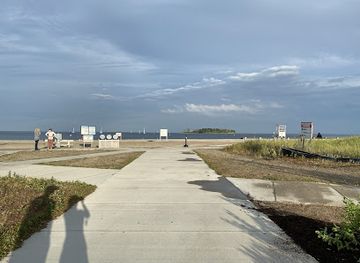
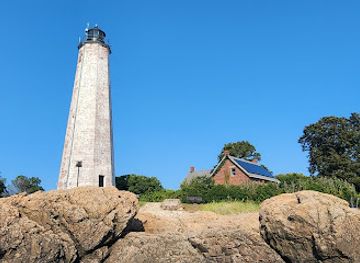
Lighthouse Point Park
Experience the beauty of Lighthouse Point Park, a serene city park in New Haven offering stunning coastal views, a historic lighthouse, and family-friendly activities.
-
State park
Silver Sands State Park
Explore the natural beauty of Silver Sands State Park in Milford, Connecticut, featuring sandy beaches, scenic trails, and diverse wildlife.
-
Park
East Rock Park
Explore East Rock Park in New Haven, CT: a scenic paradise for nature lovers and outdoor adventurers, offering breathtaking views and endless recreational opportunities.



Best landmarks in Greater New Haven
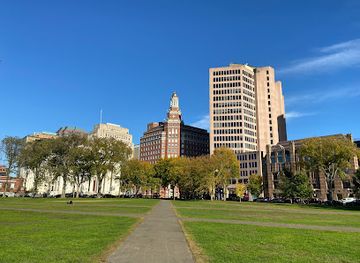
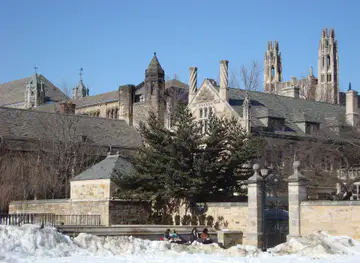
New Haven Green is the region’s defining civic landmark: a broad historic square laid out in the original colonial plan and bordered by important churches, public buildings and the city’s central streets. Yale’s campus contains some of Connecticut’s most recognisable collegiate architecture, from nineteenth-century Gothic Revival courtyards to later modernist buildings; the Beinecke Rare Book and Manuscript Library is especially distinctive for its translucent marble exterior. East Rock, rising above the city, is both a geological landmark and the setting of the Soldiers and Sailors Monument, with views across New Haven and Long Island Sound. West Rock Ridge marks the western skyline and incorporates the historic Judges’ Cave area associated with colonial political history. Along the shore, the Thimble Islands form a characteristic archipelago of rocky islets off Branford, while the restored New Haven Lighthouse at Lighthouse Point is an important maritime feature. These places give the region a visual language of planned colonial streets, university architecture, traprock ridges and tidal coastline.
-
State park
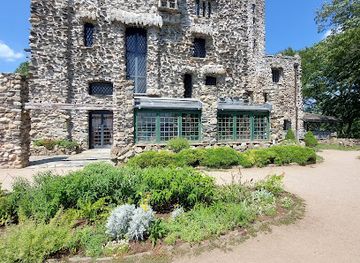
Gillette Castle State Park
Discover the historic charm and natural beauty of Gillette Castle State Park, a captivating blend of architecture and scenic landscapes in Connecticut.
-
Park
New Haven Green
Discover the historic charm and serene beauty of New Haven Green, a central park in downtown New Haven, Connecticut, perfect for relaxation and exploration.
-
Historical place museum
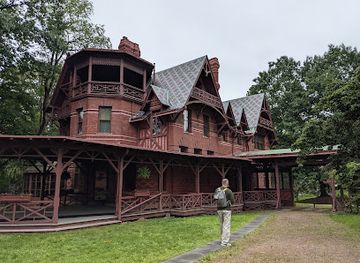
The Mark Twain House & Museum
Explore the life and legacy of Mark Twain at his beautifully preserved home and museum in Hartford, Connecticut, a must-see for literature enthusiasts.
-
City park
Lighthouse Point Park
Experience the stunning coastal views and rich history of Lighthouse Point Park, a serene escape in New Haven, Connecticut, perfect for relaxation and recreation.
Explore Greater New Haven on the map
Plan your trip on one map. See where the top cities, national parks and sights are, and book hotels and experiences in a few clicks.
Best hotels in Greater New Haven
Best restaurants in Greater New Haven
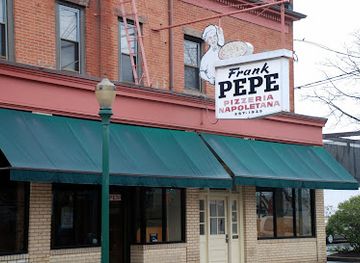
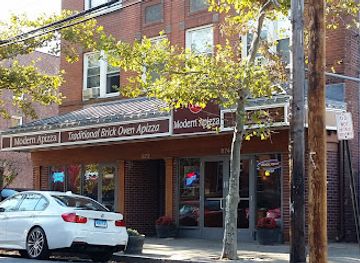
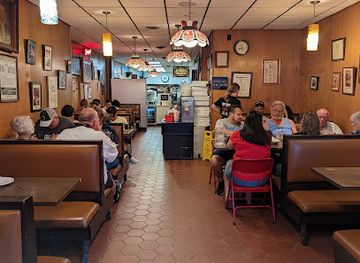
Dining is central to Greater New Haven’s identity, with New Haven-style apizza the best-known local speciality. Traditionally thin-crusted and cooked at high heat, it is associated with coal-fired pizzerias in the city, but the region’s food culture extends well beyond pizza. Wooster Square and neighbouring districts offer Italian-American cooking, while downtown and the university area contain restaurants influenced by East Asian, South Asian, Middle Eastern, Latin American and other culinary traditions. Seafood appears in coastal communities and seasonal menus, and Connecticut produce, orchard fruit, dairy and baked goods are available through farm shops and markets. Cafés, delis, diners, breweries and contemporary restaurants create a broad range of informal choices, while established inns and dining rooms in surrounding towns provide a quieter evening setting. Menus and businesses change, so local listings are useful for confirming current opening arrangements and reservations.
-
Pizza
Frank Pepe Pizzeria Napoletana
Experience legendary coal-fired pizza at Frank Pepe Pizzeria Napoletana in New Haven – where tradition meets flavor.
-
Pizza
Modern Apizza
Experience the authentic taste of Italy at Modern Apizza - where tradition meets innovation in every slice.
-
Pizza
Sally's Apizza
Discover Sally's Apizza in New Haven - home to authentic coal-fired pizzas with rich flavors and a vibrant atmosphere.
-
Seafood
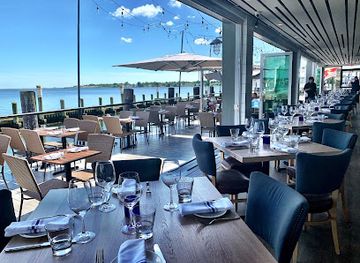
Shell & Bones Oyster Bar & Grill
Experience the best seafood in New Haven at Shell & Bones Oyster Bar & Grill - where fresh flavors meet stunning waterfront views.
Best bars in Greater New Haven
New Haven has the region’s most varied evening scene, concentrated around downtown, the Chapel Street area, Crown Street and nearby university districts. Bars range from long-established pubs and beer-focused venues to cocktail rooms, wine bars and restaurants that remain busy after dark. Live music, theatre and performance spaces are particularly important, with audiences drawn from Yale, local communities and visitors. The city has some late-night clubs, but Greater New Haven is not primarily a large-scale nightclub destination. In Branford, East Haven, Hamden, Milford and West Haven, evening life is more commonly centred on neighbourhood pubs, restaurants, breweries and occasional live music. Coastal venues can feel more seasonal, while university terms bring noticeable changes in city-centre activity. Check current age, entry and closing arrangements, and use a taxi or car service when returning from areas not well served by late public transport.
-
Bar
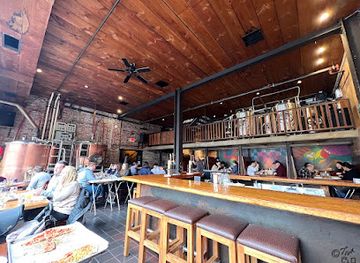
BAR
Experience the lively brewpub and nightlife of BAR in New Haven, featuring unique beer cocktails and mouthwatering pizzas.
-
Sports bar
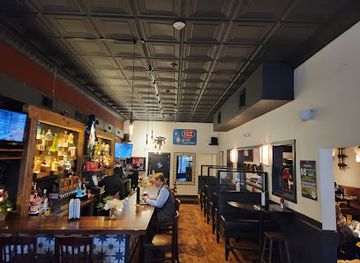
Prime 16
Experience the ultimate sports bar in New Haven with gourmet burgers, craft beers, and a vibrant atmosphere at Prime 16.
-
Bar
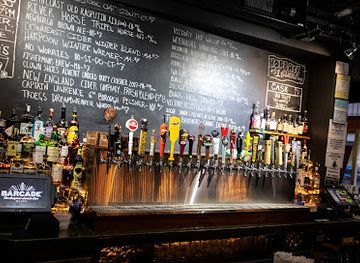
Barcade
Discover the perfect blend of nostalgia and nightlife at Barcade, where vintage gaming meets craft beer in New Haven.
-
Spanish
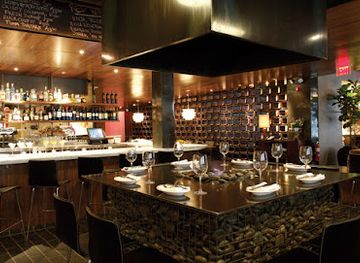
Barcelona Wine Bar
Experience authentic Spanish cuisine and a vibrant atmosphere at Barcelona Wine Bar, a top spot for tapas and fine wines in New Haven.
Best nightclubs in Greater New Haven
New Haven has the region’s most varied evening scene, concentrated around downtown, the Chapel Street area, Crown Street and nearby university districts. Bars range from long-established pubs and beer-focused venues to cocktail rooms, wine bars and restaurants that remain busy after dark. Live music, theatre and performance spaces are particularly important, with audiences drawn from Yale, local communities and visitors. The city has some late-night clubs, but Greater New Haven is not primarily a large-scale nightclub destination. In Branford, East Haven, Hamden, Milford and West Haven, evening life is more commonly centred on neighbourhood pubs, restaurants, breweries and occasional live music. Coastal venues can feel more seasonal, while university terms bring noticeable changes in city-centre activity. Check current age, entry and closing arrangements, and use a taxi or car service when returning from areas not well served by late public transport.
-
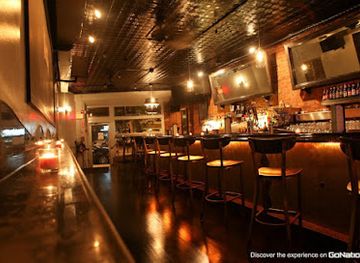
Bar
Stella Blues
Experience the vibrant nightlife of New Haven at Stella Blues, where live music and a friendly atmosphere await you.
-
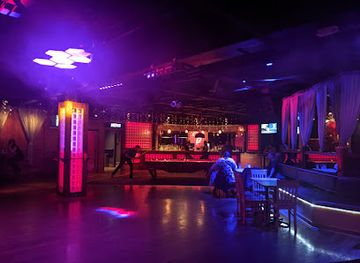
Night club
Club Vandome
Discover the vibrant nightlife at Club Vandome, New Haven's premier nightclub, offering an electrifying atmosphere and unforgettable experiences.
-
Lounge
Diesel Lounge
Discover the lively atmosphere of Diesel Lounge in New Haven, where creative cocktails and vibrant events meet to create unforgettable nights.
-
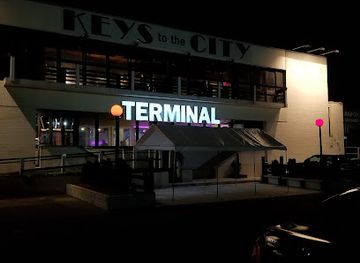
Night club
Terminal 110
Experience New Haven's vibrant nightlife at Terminal 110 - a premier night club and live music venue that guarantees a memorable evening.

Best shops in Greater New Haven
Shopping in Greater New Haven is strongest in independent businesses, food culture and specialised retail rather than large luxury districts. Downtown New Haven and the streets around Yale contain bookshops, galleries, clothing stores, design-led shops and cafés, while Chapel Street and nearby areas are useful for browsing small retailers alongside historic architecture. Wooster Square and other neighbourhoods offer delis, bakeries and Italian food shops where visitors can find regional ingredients and prepared foods. Farmers’ markets and seasonal market stalls provide Connecticut produce, baked goods, preserves and locally made products, with availability varying through the year. In Branford, Milford, Hamden and other surrounding communities, traditional town centres combine independent shops, antiques, services and restaurants, while larger commercial areas provide practical everyday retail. Suitable regional purchases include Connecticut food products, books connected with local history, artwork, ceramics and small-scale crafts; visitors should distinguish locally made goods from generic souvenirs.
-
Flea market
The Boulevard Flea Market
Explore The Boulevard Flea Market in New Haven for unique finds, local crafts, and delicious street food at an eclectic weekend destination.
-
Shopping mall
Amity Shopping Center
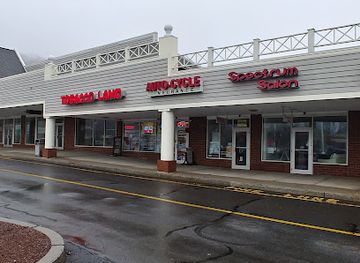
Experience the best shopping and dining at Amity Shopping Center in New Haven, Connecticut, a must-visit destination for every tourist.
-
Cigar shop
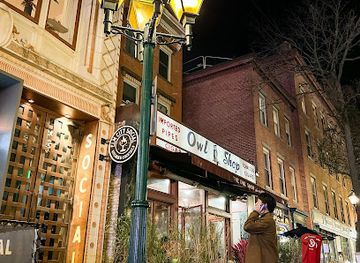
The Owl Shop
Discover The Owl Shop in New Haven, a unique cigar shop featuring a bar, coffee shop, and live music venue, perfect for relaxation and entertainment.
-
Health food store
Edge of the Woods Market
Discover the vibrant flavors of health and wellness at Edge of the Woods Market, your go-to destination for organic produce, vegan delights, and artisanal treats.


Get your free copy of our complete guide to Greater New Haven, delivered straight to you.
Everything on this page, from attractions and restaurants to essentials and local phrases, in one PDF you can read offline, print or share.
Already have an account? Sign in
Your Greater New Haven guide is ready.
We'll send it to · Not you? Sign out

Getting your guide ready…
We are putting together a fresh copy of the Greater New Haven guide. This can take up to a minute.
This can take a few moments. If your browser asks, choose Allow so the download can start. You'll find the guide in your Downloads folder.
Nothing happened? Download it again
Sorry, the guide is taking longer than usual. Please try again in a minute, or get it by email instead.
Greater New Haven essentials
Currency and Payment
Safety
Emergency Situations
Do's and Don'ts
Local Tips
From Eve
Local phrases worth knowing
You don't need to get them perfect. A few words go a long way, and locals appreciate the effort.
Basics
| English | Local | Say it |
|---|---|---|
| Hello | Hey | [Hay] |
| Goodbye | See ya | [See yah] |
| Yes | Yeah | [Yah] |
| No | Nah | [Nah] |
| Please/You're welcome | No problem | [No prob-lum] |
| Thank you | Thanks | [Thanks] |
| Excuse me/Sorry | Sorry 'bout that | [Sorry 'bout that] |
| How are you? | How ya doin'? | [How yah doin'?] |
| Fine. And you? | Good. And you? | [Good. And you?] |
| Do you speak English? | Do ya speak English? | [Do yah speak English?] |
| I don't understand | I don't get it | [I don't get it] |
Eating & Drinking
| English | Local | Say it |
|---|---|---|
| I'd like to see the menu, please | Can I see the menu? | [Can I see the menu?] |
| I don't eat meat | I’m a vegetarian | [I'm a vege-tarian] |
| Cheers! | Cheers! | [Cheers!] |
| I would like to pay, please | Can I get the check? | [Can I get the check?] |
Emergencies
| English | Local | Say it |
|---|---|---|
| Help! | Help! | [Help!] |
| Go away! | Get lost! | [Get lost!] |
| Call the Police! | Call the cops! | [Call the cops!] |
| Call a doctor! | Get a doctor! | [Get a doctor!] |
| I'm lost | I’m lost | [I'm lost] |
| I'm ill | I’m not feelin' well | [I'm not feelin' well] |
Shopping
| English | Local | Say it |
|---|---|---|
| I'd like to buy... | I wanna buy... | [I wanna buy...] |
| I'm just looking | Just browsing | [Just browsing] |
| How much is it? | How much's this? | [How much's this?] |
| That's too expensive | That's way too pricey | [That's way too pricey] |
| Can you lower the price? | Can ya give me a better price? | [Can ya give me a better price?] |
Time & Numbers
| English | Local | Say it |
|---|---|---|
| What time is it? | What time is it? | [What time is it?] |
| It's one o'clock | It's one o'clock | [It's one o'clock] |
| Half past (10) | Half past ten | [Half past ten] |
| Morning | Morning | [Morning] |
| Afternoon | Afternoon | [Afternoon] |
| Evening | Evening | [Evening] |
| Yesterday | Yesterday | [Yesterday] |
| Today | Today | [Today] |
| Tomorrow | Tomorrow | [Tomorrow] |
| 1 | One | [One] |
| 2 | Two | [Two] |
| 3 | Three | [Three] |
| 4 | Four | [Four] |
| 5 | Five | [Five] |
| 6 | Six | [Six] |
| 7 | Seven | [Seven] |
| 8 | Eight | [Eight] |
| 9 | Nine | [Nine] |
| 10 | Ten | [Ten] |
Transport & Directions
| English | Local | Say it |
|---|---|---|
| Where's a/the...? | Where's the...? | [Where's the...?] |
| What's the address? | What's the address? | [What's the address?] |
| Can you show me (on the map)? | Can you show me on the map? | [Can you show me on the map?] |
| When's the next (bus)? | When's the next bus? | [When's the next bus?] |
| A ticket (to ....) | A ticket to... | [A ticket to...] |
History of Greater New Haven
Quinnipiac Homelands and Early Settlement
Before English colonisation, the area around present-day New Haven and the lower Quinnipiac River was inhabited by Indigenous peoples, including the Quinnipiac, whose communities used the coast, wetlands, rivers and inland forests. In 1638, English Puritan settlers led by John Davenport and Theophilus Eaton established New Haven Colony. Their planned settlement centred on a grid around the Green, an arrangement that still shapes the city’s historic core. Colonisation brought profound displacement, legal and economic change, and the transformation of Indigenous land and waterways.
New Haven Colony and Connecticut Union
New Haven developed as a separate English colony during the seventeenth century, with a strong emphasis on religious governance, maritime trade and agriculture. Its political independence ended when New Haven Colony was absorbed into Connecticut in 1664–65. The original town plan survived, however, and the Green became one of the clearest physical reminders of the colonial settlement. Branford, East Haven, Milford and other neighbouring communities also grew from seventeenth-century English settlements, each developing its own relationship with the coast, rivers and surrounding farmland.
Yale and the Making of an Intellectual Centre
Yale College was founded in 1701, initially in Saybrook before moving to New Haven in 1716. It was named Yale College in 1718 after a major benefaction from Elihu Yale. Over subsequent centuries, the institution expanded from a colonial college into a major university, influencing the region’s architecture, economy, publishing, education and cultural life. Yale’s laboratories, libraries, museums and professional schools helped make New Haven an international centre of scholarship, while the university’s presence also created enduring social and economic contrasts within the city.
Port, Commerce and Industrial Growth
New Haven Harbour and the lower Quinnipiac River supported shipping, warehousing and manufacturing as the region expanded in the eighteenth and nineteenth centuries. Industries included hardware, clocks, firearms, carriage components and other metal goods, building a reputation for skilled production across the New Haven area. Railways strengthened the city’s role as a transport and commercial centre, connecting it with New York, Boston and inland Connecticut. Industrial growth attracted workers and immigrants, leaving a legacy visible in former factories, worker housing, waterfront infrastructure and neighbourhood institutions.
The Amistad Case, 1839–1841
In 1839, Africans who had been kidnapped and sold into slavery in Cuba seized control of the schooner La Amistad. The vessel was intercepted near Long Island and the legal proceedings eventually brought the case to New Haven, where the captives were held and tried in federal court. The United States Supreme Court later ruled in their favour in 1841, recognising their right to resist illegal captivity. The case became an important episode in the history of abolition, maritime law and American debates over slavery, with continuing relevance to New Haven’s civic memory.
Migration, Neighbourhoods and Cultural Change
During the nineteenth and twentieth centuries, migration reshaped Greater New Haven. Irish, Italian, Jewish, Eastern European, African American, Caribbean, Latin American and other communities established businesses, religious institutions, clubs and social networks. Wooster Square became strongly associated with Italian-American New Haven, while other neighbourhoods developed their own cultural identities. Food traditions, festivals, architecture and community organisations reflect these successive arrivals. The region’s present-day character is therefore the product of continuing movement and adaptation rather than a single inherited tradition.
Urban Renewal and Contemporary Reinvention
After the Second World War, New Haven experienced industrial decline, suburbanisation and major urban-renewal programmes that altered established neighbourhoods and transport patterns. Some projects removed housing and businesses, while others created civic, educational and cultural facilities. In recent decades, the city and surrounding towns have seen renewed interest in waterfront access, historic buildings, independent businesses, arts institutions and knowledge-based industries. The region still contains visible inequalities and contested development histories, but its current identity draws on both its industrial past and its continuing academic, cultural and maritime roles.
Greater New Haven in Photos
Browse through our photo collection highlighting the charm and character of the destination.
Neighbouring regions of Greater New Haven
The closest regions to Greater New Haven, if you have time for more than one.
-
-

-

-

-


Swipe for more regions
Explore more

Explore more of Connecticut
Discover Connecticut: A blend of charming coastal towns, rich history, and scenic landscapes, perfect for nature lovers, history buffs, and cultural enthusiasts.
Explore Connecticut