

Free Arorangi Travel Guide & Mobile App
Plan your Arorangi trip with Evendo. Get free guides to top attractions, restaurants, hotels, and bars. Web access or download the mobile app.


Arorangi, Cook Islands, offers west-coast Rarotonga beaches, lagoon swimming, village heritage, sunset views and warm island hospitality.
A Pacific Village on Rarotonga’s Western Shore
Arorangi occupies the western side of Rarotonga, the largest island in the Cook Islands, where a narrow coastal plain meets the island’s dramatic volcanic interior. The district is less urban than nearby Avarua and is defined by palms, gardens, small settlements and a string of beaches facing the warm, reef-fringed lagoon. The main coastal road links Arorangi with the rest of the island, while inland tracks and mountain trails lead towards forested valleys and steep green ridges.Read more about Arorangi
Lagoon, Beaches and Sunset Light
Church Heritage and Island Rhythm
When is the best time to visit Arorangi?
Best: October–December · 28–29°C| Month | High (°C) | Rainfall (mm) |
|---|---|---|
| January | 30 | 150 |
| February | 29 | 150 |
| March | 29 | 150 |
| April | 29 | 150 |
| May | 29 | 150 |
| June | 29 | 150 |
| July | 29 | 150 |
| August | 29 | 150 |
| September | 29 | 150 |
| October (best) | 29 | 150 |
| November (best) | 29 | 150 |
| December (best) | 28 | 150 |
Getting to and around Arorangi
How to get there
Transportation
Best attractions in Arorangi
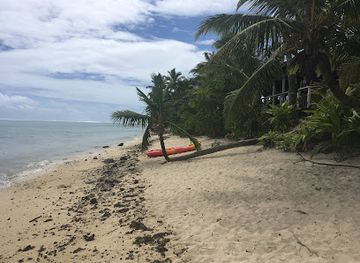
Arorangi’s main attractions centre on its western coastline and living village character. Aroa Beach has a broad sandy shoreline and access to the Aroa Lagoon Marine Sanctuary, where shallow water and protected reef areas can offer rewarding swimming and snorkelling when conditions are favourable. The district’s Cook Islands Christian Church is important both as a place of worship and as a reminder of Rarotonga’s nineteenth-century mission history. Inland, the foothills and valleys provide a greener, quieter contrast to the shore, with guided walks offering insight into tropical vegetation and island landscapes rather than formal sightseeing infrastructure. The coastal road is itself an engaging way to experience Arorangi, passing gardens, family homes, small businesses and beach access points before continuing towards Avarua or the southern villages. Sunset views across the western lagoon are a natural highlight, while nearby districts provide additional cultural venues, markets and organised water activities.
-
Grill
Shipwreck Hut Bar & Restaurant & Accomodation
Discover the vibrant atmosphere of Shipwreck Hut Bar & Restaurant in Arorangi, where delicious cuisine meets live music and stunning views.
9 min drive · 2.9 km from city centre
-
Black Rock
Explore Black Rock, a breathtaking tourist attraction in Avarua, where stunning landscapes and adventure await in the serene beauty of the Cook Islands.
-
Christian church
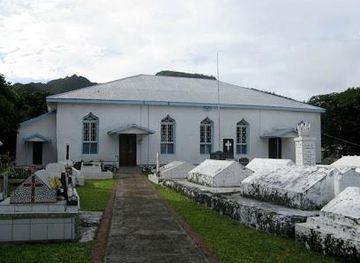
Arorangi CICC Church
Experience the serene beauty and cultural significance of Arorangi CICC Church, a peaceful retreat in the heart of the Cook Islands.
17 min walk · 1.4 km from city centre


Best landmarks in Arorangi
The Arorangi Cook Islands Christian Church is the district’s principal cultural landmark, representing the deep role of Christianity in Rarotongan community life since the arrival of missionaries and Tahitian teachers in the nineteenth century. Its church setting and traditions connect the modern village with a period that transformed education, public organisation and ceremony across the island. Aroa Lagoon Marine Sanctuary forms a different kind of landmark: its reef-fringed waters express the ecological importance of Rarotonga’s coast and the community’s efforts to protect marine life. The western coastal road, lined with palms, gardens and traditional settlement patterns, also reveals the relationship between the island’s narrow inhabited plain and its mountainous interior. Rather than monumental civic architecture, Arorangi’s identity is carried by its church, coastline, family lands and community spaces.
-
Cafe
Beluga
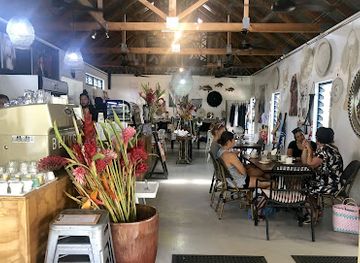
Discover the vibrant flavors of Arorangi at Beluga Cafe, where every cup of coffee tells a story of the Cook Islands.
6 min drive · 2.0 km from city centre
-
 Resort hotel
Crown Beach & Spa Resort Rarotonga
Experience unparalleled luxury and tranquility at Crown Beach & Spa Resort Rarotonga, your ultimate tropical getaway in the heart of the Cook Islands.
13 min walk · 1.0 km from city centre
-
Restaurant
The Waterline Restaurant and Outrigger Beach Bar
Experience the best of Cook Islands cuisine at The Waterline Restaurant and Outrigger Beach Bar, where stunning ocean views meet exceptional flavors.
15 min walk · 1.2 km from city centre
-
Cafe
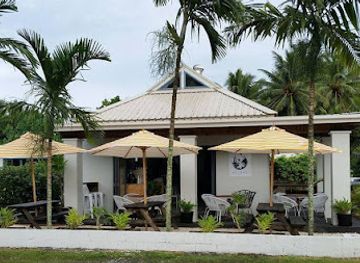
Flying Turtle Cafe
Experience the vibrant flavors and stunning views at Flying Turtle Cafe in Rarotonga, the perfect spot for tourists seeking local delicacies.
11 min walk · 0.9 km from city centre
Explore Arorangi on the map
Plan your Arorangi trip on one map. See where the top attractions, landmarks, restaurants, bars and hotels are, find what's near where you're staying, and book hotels and experiences in a few clicks.
Best hotels in Arorangi
Best restaurants in Arorangi
Dining in Arorangi reflects the produce and relaxed pace of a Polynesian island community. Menus commonly draw on fish, coconut, taro, sweet potato, tropical fruit and locally familiar preparations such as raw fish marinated in citrus and coconut, often known as ika mata, alongside dishes cooked in an umu, the Cook Islands earth oven. Beachside restaurants and resort dining rooms tend to combine island ingredients with New Zealand, Pacific and international influences, while smaller cafés and takeaways provide simpler meals suited to a day by the lagoon. The area has fewer dining options than central Avarua, so opening patterns can be seasonal and advance checking is sensible. For markets, broader takeaway choice and local food stalls, visitors usually travel to Avarua, particularly around Punanga Nui Market when it is operating. Fresh fruit, coconut-based flavours and seafood remain central to the island’s culinary identity.
-
Resort hotel
Crown Beach & Spa Resort Rarotonga
Adults-only paradise on Rarotonga's Sunset Coast: private pool villas, pristine lagoon snorkeling, glorious sunsets, and serene spa luxury for ultimate couple's tranquility.
13 min walk · 1.0 km from city centre
-
Restaurant
The Waterline Restaurant and Outrigger Beach Bar
Experience breathtaking ocean views and savor authentic Polynesian cuisine at The Waterline Restaurant and Outrigger Beach Bar in Rarotonga.
15 min walk · 1.2 km from city centre
-
Restaurant
Antipodes rarotonga
Discover Antipodes Rarotonga: A culinary haven in Avarua blending local flavors with stunning island views.
16 min walk · 1.3 km from city centre
-
Restaurant
Flying Turtle Cafe
Discover culinary bliss at Flying Turtle Cafe in Rarotonga - where fresh local flavors meet a vibrant atmosphere amidst tropical beauty.
11 min walk · 0.9 km from city centre
Best bars in Arorangi
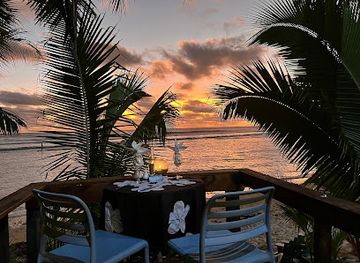
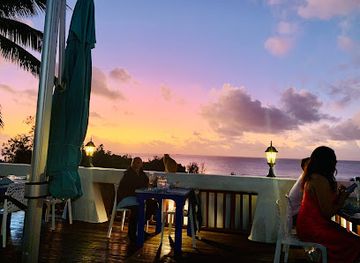
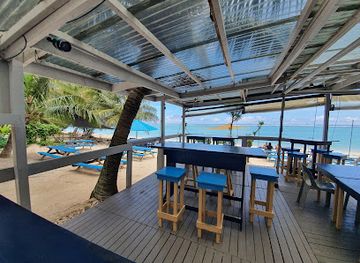
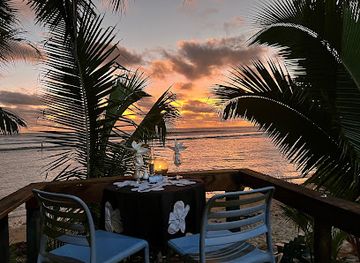
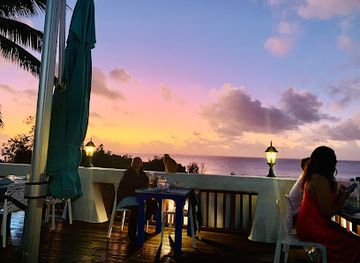
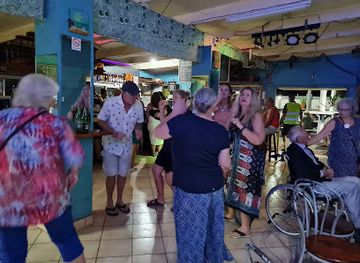
Arorangi’s evenings are generally quiet and social rather than club-focused. Resort bars, casual beach venues and restaurants provide places for sunset drinks, local beer, cocktails and relaxed conversation, with the western coastline offering wide views across the lagoon as daylight fades. Live music, island dance and cultural performances may appear at hotels or organised community events, although programmes vary and should be checked locally. There is no concentrated nightclub district in Arorangi; visitors seeking a broader late-evening scene usually travel towards Avarua or Muri, where bars, entertainment venues and larger resorts are more numerous. After dark, roads can be poorly lit and transport options limited, so arranging a taxi or transfer is preferable to walking long distances along the coastal road. Respect for residential areas and Sunday customs is important throughout the island.
-
Bar
21.3 Vaiana's Bar & Bistro
Experience the fusion of flavorful dishes and refreshing drinks at Vaiana's Bar & Bistro, the ultimate beachside retreat in Avarua.
8 min drive · 2.8 km from city centre
-
Restaurant
The Waterline Restaurant and Outrigger Beach Bar
Experience exquisite dining and breathtaking views at The Waterline Restaurant and Outrigger Beach Bar in Rarotonga.
15 min walk · 1.2 km from city centre
-
Restaurant
Antipodes rarotonga
Experience the flavors of Rarotonga at Antipodes Rarotonga, where local ingredients meet culinary creativity in a warm dining atmosphere.
16 min walk · 1.3 km from city centre
-
Bar
Castaway Resort Rarotonga
Discover tranquility and adventure at Castaway Resort Rarotonga, your perfect tropical getaway in the heart of the Cook Islands.
5 min drive · 1.6 km from city centre
Best nightclubs in Arorangi
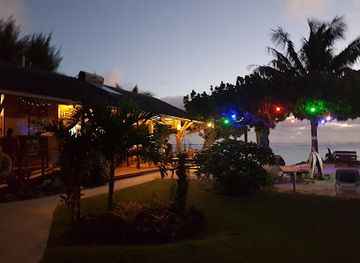
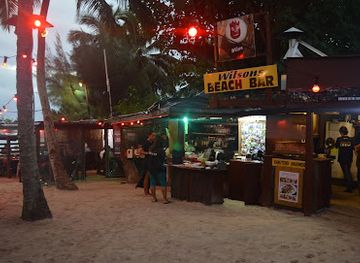
Arorangi’s evenings are generally quiet and social rather than club-focused. Resort bars, casual beach venues and restaurants provide places for sunset drinks, local beer, cocktails and relaxed conversation, with the western coastline offering wide views across the lagoon as daylight fades. Live music, island dance and cultural performances may appear at hotels or organised community events, although programmes vary and should be checked locally. There is no concentrated nightclub district in Arorangi; visitors seeking a broader late-evening scene usually travel towards Avarua or Muri, where bars, entertainment venues and larger resorts are more numerous. After dark, roads can be poorly lit and transport options limited, so arranging a taxi or transfer is preferable to walking long distances along the coastal road. Respect for residential areas and Sunday customs is important throughout the island.
-
Grill
Shipwreck Hut Bar & Restaurant & Accomodation
Enjoy local flavors and live music in a tropical paradise at Shipwreck Hut Bar & Restaurant, the heart of Arorangi District dining.
9 min drive · 2.9 km from city centre
-
Bar
Wilsons Bar & Restaurant
Discover the lively ambiance and delightful local flavors at Wilsons Bar & Restaurant in Arorangi District, a top destination for tourists.
5 min drive · 1.6 km from city centre
-
Bar
Roadhouse Bar & Restaurant
Discover the lively Roadhouse Bar & Restaurant in Arorangi District, where delicious food meets a vibrant atmosphere in a tropical paradise.
12 min walk · 1.0 km from city centre
-
Night club
Nan's Seafood Bar
Experience the vibrant nightlife at Nan's Seafood Bar in Rarotonga, where fresh seafood meets lively entertainment in a tropical paradise.
16 min walk · 1.3 km from city centre
Best shops in Arorangi
Shopping in Arorangi is small-scale and practical, with convenience shops, accommodation-based retail and locally made items available around the coastal settlement rather than a large commercial centre. Visitors looking for wider choice should travel to Avarua, where market stalls, galleries, craft outlets and independent shops sell pareu fabric, woven goods, carvings, jewellery, shell-based ornaments and locally produced food products. Punanga Nui Market is particularly associated with island produce, cooked food and crafts when its market days are taking place. Rarotongan designs often feature bright floral patterns and motifs connected with the sea and Polynesian heritage, while black pearls from the wider Cook Islands are a notable specialist purchase; buyers should seek reputable sellers and clear information about quality and origin. Packaged coffee, coconut products and tropical preserves can also provide useful gifts, subject to airline and customs rules.
-
Cafe
Beluga
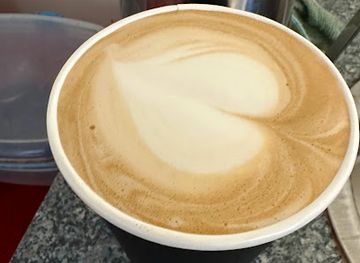
Experience the perfect blend of local culture and exceptional coffee at Beluga in Arorangi District, a must-visit cafe for every traveler.
6 min drive · 2.0 km from city centre
-
Brewery
RAROTONGA BREWERY
Experience the authentic flavors of Rarotonga at Rarotonga Brewery, where local craft beers meet island hospitality in a vibrant setting.
12 min walk · 1.0 km from city centre
-
Coffee shop
Brews and Scoops
Experience the rich flavors of artisanal coffee and delightful ice creams at Brews and Scoops, Avarua's favorite coffee shop.
5 min drive · 1.7 km from city centre
-
Jewelry store
Gus and Sophies' Pearl Lounge
Explore the exquisite pearl jewelry of Gus and Sophies' Pearl Lounge in Arorangi District, where tradition meets elegance in every piece.
15 min walk · 1.2 km from city centre


Get your free copy of our complete guide to Arorangi, delivered straight to you.
Everything on this page, from attractions and restaurants to essentials and local phrases, in one PDF you can read offline, print or share.
Already have an account? Sign in
Your Arorangi guide is ready.
We'll send it to · Not you? Sign out

Getting your guide ready…
We are putting together a fresh copy of the Arorangi guide. This can take up to a minute.
This can take a few moments. If your browser asks, choose Allow so the download can start. You'll find the guide in your Downloads folder.
Nothing happened? Download it again
Sorry, the guide is taking longer than usual. Please try again in a minute, or get it by email instead.
Arorangi essentials
Currency and Payment
Safety
Emergency Situations
Do's and Don'ts
Local Tips
From Eve
Local phrases worth knowing
You don't need to get them perfect. A few words go a long way, and locals appreciate the effort.
Basics
| English | Local | Say it |
|---|---|---|
| Hello | Kia Orana | [key-ah oh-rah-nah] |
| Goodbye | Aere ra | [eye-ree rah] |
| Yes | Ae | [eye] |
| No | Kare | [kah-reh] |
| Please/You're welcome | Meitaki | [may-tah-kee] |
| Thank you | Meitaki | [may-tah-kee] |
| Excuse me/Sorry | Tatau | [tah-tow] |
| How are you? | Pehea koe? | [peh-heh-ah koh-eh] |
| Fine. And you? | Maitai. E koe? | [my-tie. eh koh-eh] |
| Do you speak English? | E koe e akakite i te reo Ingarangi? | [eh koh-eh eh ah-kah-kee-teh ee teh reh-oh een-gah-rahng-ee] |
| I don't understand | Kare au e manako | [kah-reh ow eh mah-nah-koh] |
Eating & Drinking
| English | Local | Say it |
|---|---|---|
| I'd like to see the menu, please | Ka kite au i te meniu, meitaki | [kah kee-teh ow ee teh meh-nee-oo, may-tah-kee] |
| I don't eat meat | Kare au e kai i te kai | [kah-reh ow eh kai ee teh kai] |
| Cheers! | Manuia! | [mah-noo-yah] |
| I would like to pay, please | Ka tuku au i te moni, meitaki | [kah too-koo ow ee teh moh-nee, may-tah-kee] |
Emergencies
| English | Local | Say it |
|---|---|---|
| Help! | Aue! | [ow-eh] |
| Go away! | Taku haere atu! | [tah-koo high-reh ah-too] |
| Call the Police! | Piri koe ki te Purata | [pee-ree koh-eh kee teh poo-rah-tah] |
| Call a doctor! | Piri koe ki te Rata | [pee-ree koh-eh kee teh rah-tah] |
| I'm lost | Kua ngaro au | [koo-ah ngah-roh ow] |
| I'm ill | Kua mate au | [koo-ah mah-teh ow] |
Shopping
| English | Local | Say it |
|---|---|---|
| I'd like to buy... | Ka oronga au... | [kah oh-ron-gah ow] |
| I'm just looking | Taku kiteanga no te mea | [tah-koo kee-teh-ah-ngah no teh meh-ah] |
| How much is it? | E hia tenei? | [eh hee-ah teh-neh-ee] |
| That's too expensive | Tei rahi te moni | [teh rah-hee teh moh-nee] |
| Can you lower the price? | E aore koe e tuku i te moni? | [eh ow-reh koh-eh eh too-koo ee teh moh-nee] |
Time & Numbers
| English | Local | Say it |
|---|---|---|
| What time is it? | Kia aha te wa? | [key-ah ah-hah teh wah] |
| It's one o'clock | E tahi te wa | [eh tah-hee teh wah] |
| Half past (10) | E toru nui | [eh toh-roo noo-ee] |
| Morning | Te ata | [teh ah-tah] |
| Afternoon | Te aiai | [teh eye-eye] |
| Evening | Te po | [teh poh] |
| Yesterday | I raro ake nei | [ee rah-roh ah-keh neh-ee] |
| Today | I tenei ra | [ee teh-neh-ee rah] |
| Tomorrow | Apopo | [ah-poh-poh] |
| 1 | Tahi | [tah-hee] |
| 2 | Rua | [roo-ah] |
| 3 | Toru | [toh-roo] |
| 4 | Apati | [ah-pah-tee] |
| 5 | Rima | [ree-mah] |
| 6 | Ono | [oh-no] |
| 7 | Fitu | [fee-too] |
| 8 | Varu | [vah-roo] |
| 9 | Iva | [ee-vah] |
| 10 | Ngauru | [ngah-oo-roo] |
Transport & Directions
| English | Local | Say it |
|---|---|---|
| Where's a/the...? | Kei whea te...? | [keh-ee feh-ah teh] |
| What's the address? | Ko wai te tuuru? | [koh why teh too-roo] |
| Can you show me (on the map)? | E taea e koe te whakaatu mai i ahau (i te mahere)? | [eh tah-eh-ah eh koh-eh teh fah-kah-ah-too my ee ah-how (ee teh mah-heh-reh)] |
| When's the next (bus)? | Ka aha te reira (pahi)? | [kah ah-hah teh reh-ee-rah pah-hee] |
| A ticket (to ....) | He tikiti (ki ....) | [heh te-kee-tee kee] |
History of Arorangi
Arorangi Before European Contact
Arorangi developed within the Polynesian settlement system of Rarotonga long before European missionaries arrived. Communities organised life around extended family connections, cultivated taro and other crops on the fertile coastal plain, fished the lagoon and maintained relationships with the island’s interior valleys. Authority and land use were shaped by chiefly institutions, oral traditions and networks linking Rarotonga’s districts. Much of the early history is preserved through Cook Islands Māori traditions and archaeological evidence rather than through written accounts, and the visible landscape of gardens, mountains and coast still reflects the close relationship between settlement and environment.
Missionaries Reach Rarotonga
Christian missionaries associated with the London Missionary Society reached Rarotonga in the early nineteenth century, with the influential Tahitian teachers Papeiha and Tiberio arriving in 1823. Their work helped establish Christianity among communities that were already connected through local chiefly authority and inter-island exchange. Arorangi became one of the important western centres of the new faith, and the district’s church traditions remain closely linked with this period of profound social change. Conversion altered ceremonies, education, political relationships and patterns of community life, although the process involved local leadership and adaptation rather than simply an outside imposition.
The Arorangi Mission Community
During the nineteenth century, Arorangi grew as a settled Christian district with a church at the centre of communal life. Mission activity encouraged literacy, teaching and new forms of public organisation, while local agriculture, fishing and exchanges between villages continued to support the population. The Cook Islands Christian Church became one of the country’s most enduring institutions, and Arorangi’s church is associated with the district’s early Christian history. The surviving religious landscape is therefore significant not only for its buildings but also for the social networks, music and community customs that developed around worship.
Colonial Administration and Island Connections
Rarotonga entered a more formal colonial framework when the Cook Islands became a British protectorate in 1888 and was annexed by New Zealand in 1900. These changes brought new administrative systems and strengthened the island’s links with wider Pacific trade and government networks. Arorangi remained a village district rather than an independent urban centre, connected to the other coastal communities by roads, boats and later improved transport. Churches, family land and agricultural activity continued to give the western side of the island a distinct local character as administrative activity increasingly concentrated around Avarua.
Modern Rarotonga and Arorangi
The twentieth century brought expanded schooling, overseas migration, wage employment and stronger connections with New Zealand, while tourism gradually became central to Rarotonga’s economy. Arorangi’s beaches and western sunsets encouraged the growth of visitor accommodation, restaurants and water-based activities, but the district retained its residential and community character. Since the Cook Islands became self-governing in free association with New Zealand in 1965, local institutions and Cook Islands Māori identity have remained important features of public life. Today, Arorangi combines a living village landscape with the services and experiences associated with a major island holiday destination.
Arorangi in Photos
Browse through our photo collection highlighting the charm and character of the destination.
Cities near Arorangi
The closest cities to Arorangi, if you have time for more than one stop.
-

-

-

-

-


Swipe for more cities

