

Fleuve Comoé, Comoe Travel Guide
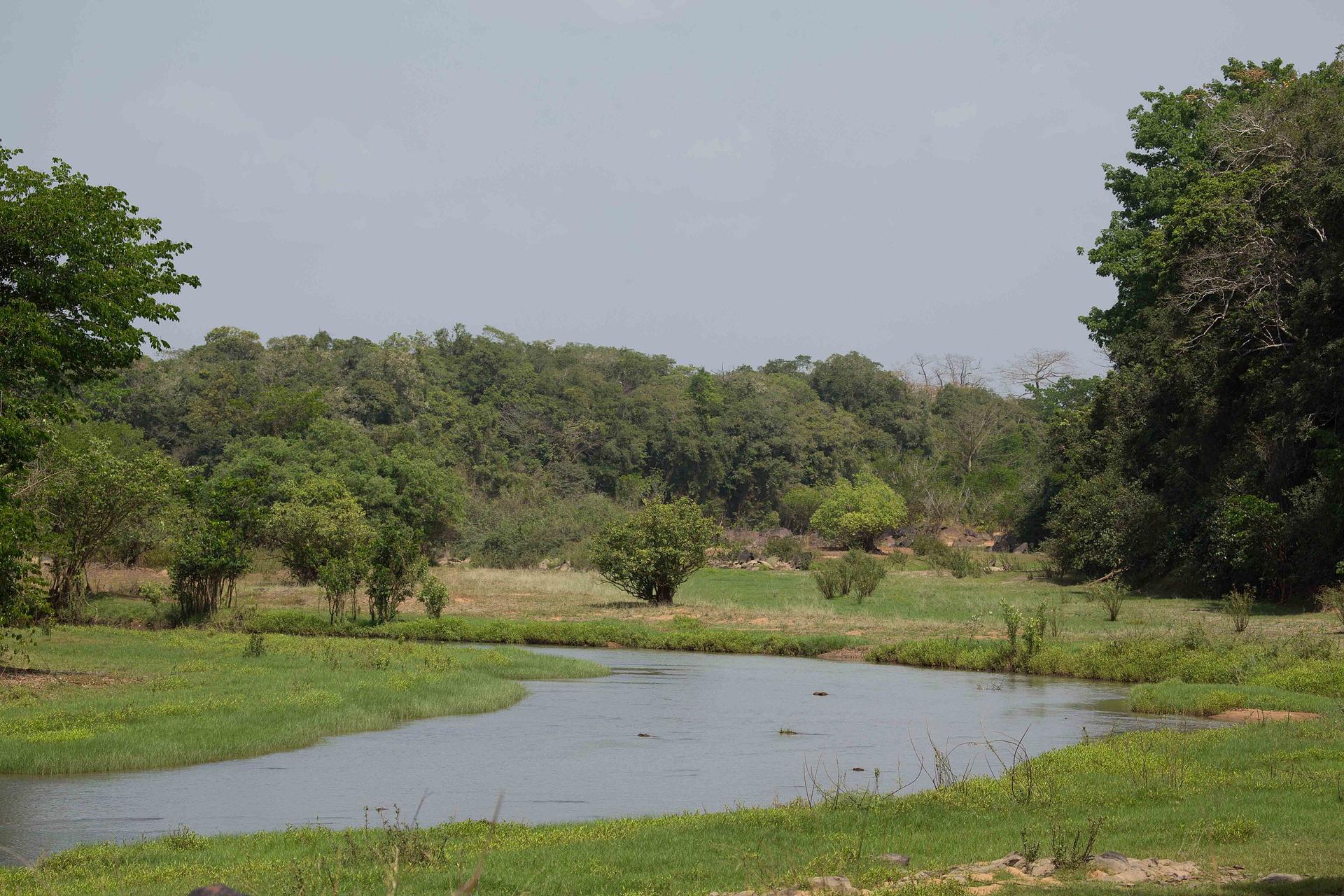
Discover the Fleuve Comoé near Daoukro: a scenic river offering nature, culture, and Ivorian hospitality.
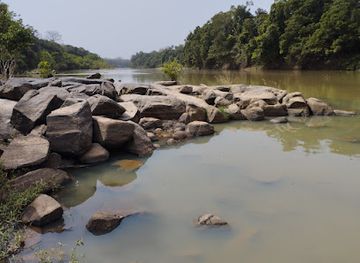
The Fleuve Comoé (Comoé River) is a vital waterway in Côte d'Ivoire, West Africa, stretching over 1,160 km. Originating in Burkina Faso, it meanders through diverse landscapes, supporting wildlife, agriculture, and communities along its banks. Near Daoukro, it offers a tranquil escape into nature and Ivorian culture.
A brief summary to Fleuve Comoé
- 8C2X+QQV, Daoukro, CI

Know before you go
Hi, I'm Eve. Here are a few practical things to know before exploring Fleuve Comoé.
- Visit early in the morning or late afternoon for the best light for photography and a cooler climate.
- Bring binoculars to enhance your birdwatching experience along the riverbanks.
- Consider hiring a local guide to learn more about the biodiversity and history of the area.
Do you manage this location?
Take control to get all the benefits, like improved information, better appearance, and stronger visibility across AI-powered discovery. Learn more about listing your business on Evendo
Activate your presenceOther nearby places you may find interesting
The closest places of the same kind, if this one is not quite what you had in mind.

Explore Fleuve Comoé on the Map
A handpicked selection of must-see spots near Fleuve Comoé, mapped for you.
Getting There
-
Car
From Daoukro, head towards the Fleuve Comoé by following local roads. The river is located near Daoukro, so the drive is short. Use main roads, orienting yourself using landmarks. There are no tolls. Parking is available near the river. Car rentals in Daoukro average $40-$60 per day.
-
Taxi
Taxis are available in Daoukro. A short taxi ride to Fleuve Comoé from the town center will cost approximately $1-$2. Negotiate the fare before starting your journey.
Discover more about Fleuve Comoé













Your all‑in‑one travel companion app
Explore expert travel guides, compare and book tours, experiences, hotels, and more—all from the palm of your hand. Download now for seamless trip planning wherever your wanderlust takes you.


Explore More of Comoe
Looking beyond Fleuve Comoé? Discover Comoe for broader travel guides, local hot-spots, and regional highlights.
Explore Comoe
Explore the serene trails of Kweku Nyame Kurom in Ghana's Bono Region, where nature and culture intertwine for an unforgettable hiking adventure.
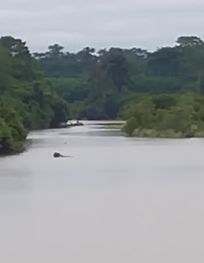
Explore the Comoe River, a West African lifeline supporting biodiversity, agriculture, and cultural heritage.
