Stone Gate Travel Guide
Free Guide: Discover Zagreb's Stone Gate: a historic passage transformed into a sacred shrine, where faith and history intertwine.


A brief summary of Stone Gate
Discover Zagreb's Stone Gate: a historic passage transformed into a sacred shrine, where faith and history intertwine.
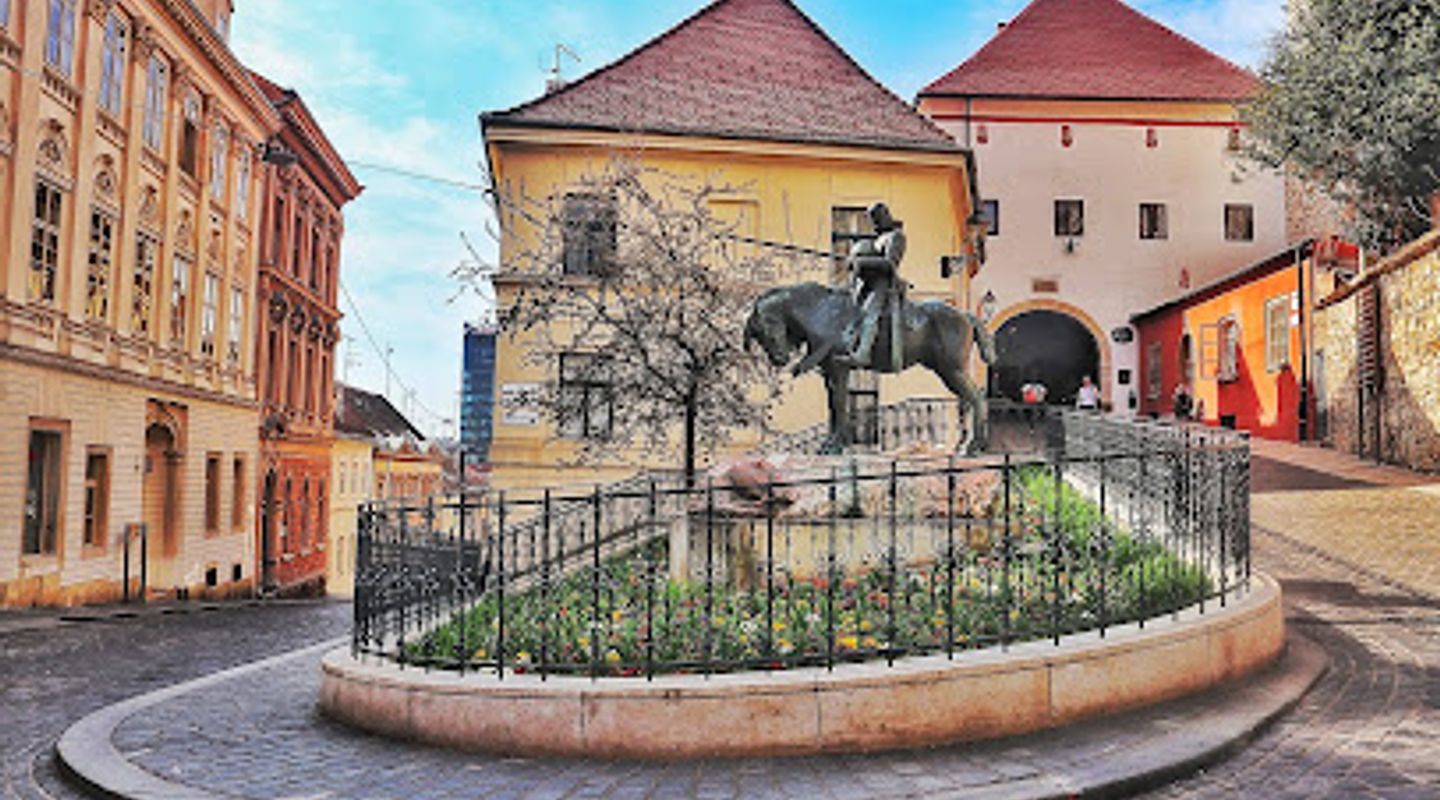
The Stone Gate (Kamenita Vrata), the only remaining gate of old Zagreb, is now a revered shrine. A 1731 fire destroyed the gate, but a painting of the Virgin Mary and Child miraculously survived, transforming the gate into a chapel and a site of pilgrimage.
Opening hours
- Every dayOpen 24 hours
Opening hours as listed on the venue’s Google Business Profile. Hours can change for services and special events, so check with the venue before you go.
- Address
- Kamenita ul. 1, 10000, Zagreb
- Phone
- Website
Getting there
Walking
Public Transport
Taxi
Discover more about Stone Gate
Overview
The Stone Gate (Kamenita Vrata) stands as a testament to faith and resilience in the heart of Zagreb's Upper Town. Originally built in the 13th century as part of the Gradec fortified city walls, it was one of the four main entrances to medieval Zagreb. Today, it is the only remaining gate.In 1731, a devastating fire swept through Gradec, destroying most of the wooden structures. Amidst the destruction, a painting of the Virgin Mary with the baby Jesus remained untouched. This event was seen as a divine sign, transforming the Stone Gate into a chapel. The painting, now housed in a baroque altar, draws pilgrims and visitors who light candles and offer prayers. Stone slabs engraved with expressions of gratitude, often bearing the words “Hvala Ti” (Thank You), adorn the gate's passage.Beyond its religious significance, the Stone Gate offers a glimpse into Zagreb's history. The gate's architecture, marked by weathered surfaces and historic inscriptions, reflects its medieval origins. A statue of Dora Krupićeva, a character from August Šenoa's novel “The Goldsmith's Treasure,” stands in a niche, adding a literary touch to the site. The Stone Gate is open to all, providing a space for quiet contemplation and reflection.
Evendo Review Centre
 Google
Guest reviews
Explore Stone Gate on the map
A handpicked selection of must-see spots near Stone Gate, mapped for you.
Get your free copy of our complete guide to Stone Gate, delivered straight to you.
Everything on this page, from opening hours and how to get there to Eve’s tips and the best time to go, in one PDF you can read offline, print or share.
Already have an account? Sign in
Your Stone Gate guide is ready.
We'll send it to · Not you? Sign out

Getting your guide ready…
We are putting together a fresh copy of the Stone Gate guide. This can take up to a minute.
This can take a few moments. If your browser asks, choose Allow so the download can start. You'll find the guide in your Downloads folder.
Nothing happened? Download it again
Sorry, the guide is taking longer than usual. Please try again in a minute, or get it by email instead.
Unlock the best of Stone Gate
Skip-the-line tickets, guided tours with entry, and walking tours of the area, booked in a few clicks.


Other nearby places you may find interesting
The closest places of the same kind, if this one is not quite what you had in mind.
-
-
-
-
-


Swipe for more places
More to explore near Stone Gate

 Best experiences near Stone Gate
 Best hotels near Stone Gate
 Best landmarks near Stone Gate
 Best attractions near Stone Gate
 Best shops near Stone Gate
 Best restaurants near Stone Gate
 Best bars near Stone Gate
Do you manage this location?
Take control to get all the benefits, like improved information, better appearance, and stronger visibility across AI-powered discovery.
Explore more

Explore more of Banovina
Explore Banovina, Croatia's serene region of natural beauty, historic landmarks, and rich cultural heritage, perfect for nature enthusiasts and history lovers.
Explore Banovina
Explore more of Croatia
Discover Croatia: A Mediterranean paradise with stunning coastlines, ancient cities, and rich cultural heritage. Perfect for beach lovers, history buffs, and nature enthusiasts.
Explore Croatia