

Free Banovina Travel Guide & Mobile App
Explore Banovina with free travel guides. Discover regional history, expert tips, proposed trips, and audio guides on web or mobile app.


Explore Banovina in central Croatia for river landscapes, frontier fortresses, thermal waters, rural food and the layered history of Sisak-Moslavina.
Read more about Banovina
When is the best time to visit Banovina?
Best: June, August–September · 24–28°C| Month | High (°C) | Rainfall (mm) |
|---|---|---|
| January | 6 | 80 |
| February | 8 | 70 |
| March | 13 | 80 |
| April | 17 | 90 |
| May | 21 | 90 |
| June (best) | 25 | 80 |
| July | 29 | 70 |
| August (best) | 28 | 80 |
| September (best) | 24 | 90 |
| October | 18 | 90 |
| November | 11 | 80 |
| December | 7 | 80 |
Getting to and around Banovina
How to get there
Transportation
Top city travel guides in Banovina
The cities of Banovina, and the easiest places to base yourself.

Swipe for more cities
Destinations in Banovina
Resorts, valleys and scenic spots worth a trip of their own.
-

-

-


Swipe for more destinations
Best attractions in Banovina
Banovina's attractions are spread across a rural landscape rather than concentrated in a single resort town. Sisak, on the region's northern edge, provides the strongest historical introduction through its riverside Old Town Fortress and museums, while Petrinja combines civic heritage, craft traditions and access to the Kupa valley. Southwards, Glina and Hrvatska Kostajnica offer smaller-scale historic environments shaped by frontier history, although earthquake damage and reconstruction may affect what can be visited. Topusko is the region's principal thermal destination, with spa and bathing facilities set among wooded hills. The ruins of Zrin Castle reward travellers interested in medieval history, while Petrova gora provides forest walking and important Second World War memorial heritage. Along the Una and Kupa, quiet roads, fishing traditions and river scenery create opportunities for unhurried outdoor travel. Churches, village cemeteries, traditional farm landscapes and local cultural collections add depth, but opening arrangements can be limited outside the larger towns. Banovina is best approached as a region of connected historical and landscape experiences, with time allowed for distances, changing road conditions and the realities of post-earthquake reconstruction.
-
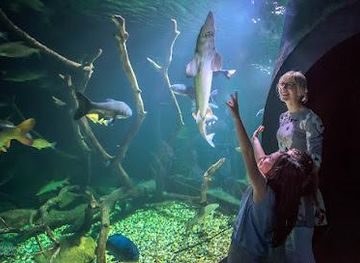
Aquarium
Aquatika
Explore Aquatika in Karlovac, a breathtaking aquarium showcasing the beauty of freshwater ecosystems and fostering a love for aquatic conservation.
-
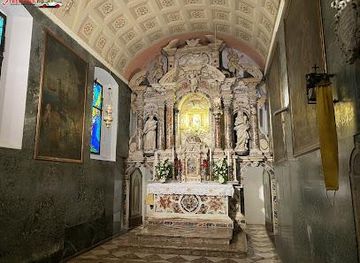
Catholic church
Church of Mary of God of Trsat
Discover the serene beauty of the Church of Mary of God of Trsat, a historic pilgrimage site with stunning views in Rijeka, Croatia.
-
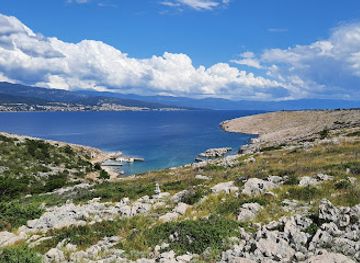
Tourist attraction
Biserujka
Explore the breathtaking beauty of Biserujka Cave, a stunning natural attraction on the island of Krk, Croatia, featuring remarkable stalactite and stalagmite formations.
-
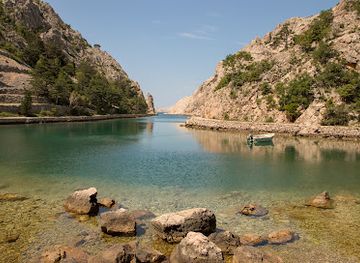
Tourist attraction
Zavratnica Cove
Discover Zavratnica Cove: A stunning Croatian Adriatic inlet with fjord-like scenery, a WWII shipwreck, and protected natural beauty.
Best landmarks in Banovina
Sisak Fortress is Banovina's most recognisable historic structure, a substantial brick stronghold at the confluence of the Kupa and Sava whose role in the 1593 battle made it a symbol of the region's frontier history. Farther south, the remains of Zrin Castle stand as a powerful, though ruinous, reminder of the medieval Zrin family and the fortified noble landscape that preceded Habsburg frontier administration. The old urban fabric and churches of Hrvatska Kostajnica reflect its position beside the Una and its long military and trading history, while Petrinja's civic buildings and Kupa-side setting express the character of a historic market town undergoing reconstruction. Topusko's spa landscape and surviving historic features represent a different kind of landmark, based on thermal waters rather than defence. In the wooded country of Petrova gora, the monumental memorial complex at the summit commemorates the wartime history of the area and forms a striking contrast with the surrounding forest. Across Banovina, rivers, wooded ridges and borderland roads are themselves important geographical markers, linking scattered settlements and explaining the region's strategic past.
-
National park
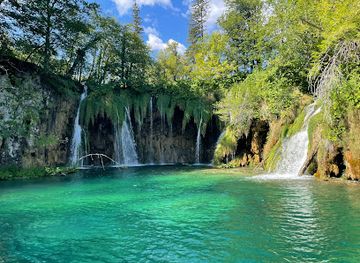
Plitvice Lakes National Park
Discover Plitvice Lakes National Park: A breathtaking cascade of sixteen interconnected lakes and stunning waterfalls in the heart of Croatia.
-
Historical landmark
Diocletian's Palace
Explore Diocletian's Palace in Split: A UNESCO site where Roman history thrives in a vibrant, modern city. Discover ancient gates, temples, and hidden gems.
-
Tourist attraction
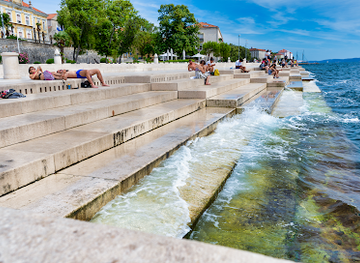
Sea Organ
Experience the enchanting melodies of the Adriatic Sea at Zadar's Sea Organ, where nature and architecture create a symphony of sound.
-
National park
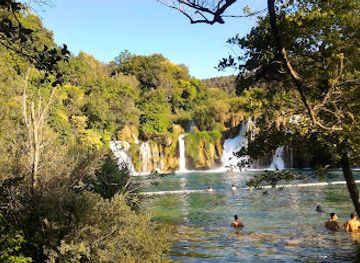
Krka National Park
Discover cascading waterfalls, historic monasteries, and diverse wildlife in Croatia's stunning Krka National Park, a natural and cultural gem.

Explore Banovina on the map
Plan your trip on one map. See where the top cities, national parks and sights are, and book hotels and experiences in a few clicks.
Best hotels in Banovina
Best restaurants in Banovina
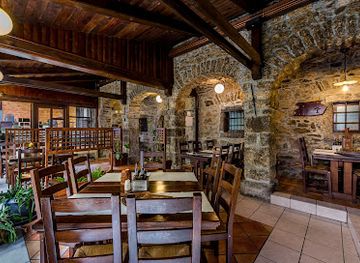
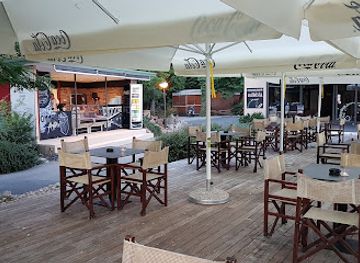
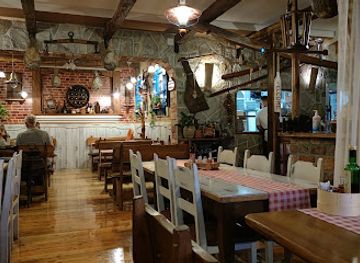
Dining in Banovina reflects the continental cooking of central Croatia and the region's agricultural and riverine setting. Restaurants, inns and household producers may serve freshwater fish, soups, stews, grilled meats, seasonal vegetables, potatoes, beans and rustic breads, with smoked and cured products appearing in local shops and on traditional tables. The Kupa and Una help explain the presence of fish dishes, while forested and farming districts contribute mushrooms, honey, fruit preserves and other seasonal produce. Petrinja, Sisak and the larger towns offer the broadest choice of cafés, bakeries and everyday restaurants; in smaller settlements, meals may centre on a rural inn or a pre-arranged local kitchen. Regional cooking overlaps with wider Croatian traditions, so dishes such as štrukli, pastries and grilled meats should not automatically be described as exclusive to Banovina. Markets and independent food shops are useful for picnic supplies, particularly when travelling between towns. Service is generally informal, and visitors should check opening arrangements in rural areas rather than relying on late dining.
-
Modern European
Castle Bistro
Experience exquisite Modern European cuisine at Castle Bistro in Karlovac, where every dish tells a story and every meal is a celebration.
-
Meat
Konoba Volta & Sobe Ela
Savor traditional Croatian flavors at Konoba Volta & Sobe Ela in Fužine, where every dish tells a story and every sip delights.
-
Restaurant
SABBIA Restaurant, lounge bar & night club
Experience culinary delights and vibrant nightlife at SABBIA Restaurant in Crikvenica - where Mediterranean flavors meet stunning Adriatic views.
-
Croatian
Konoba Karoca
Experience authentic Croatian cuisine at Konoba Karoca in Crikvenica—where every dish tells a story of tradition and flavor.
Best bars in Banovina
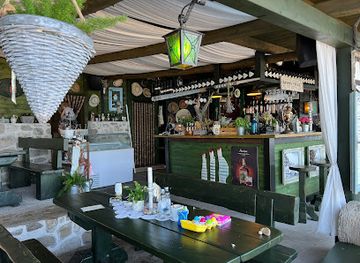
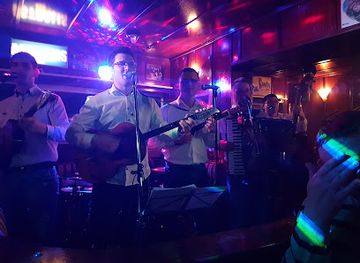
Evening life in Banovina is modest and concentrated in the larger settlements, especially Sisak and Petrinja, rather than organised around a major club scene. Local cafés and bars are the main social venues, serving coffee during the day and drinks into the evening, while traditional pubs and restaurants provide a quieter alternative in smaller towns. Occasional live music, cultural programmes and seasonal events may add energy to town centres, but schedules vary and should be checked locally. Topusko and the smaller southern communities generally suit relaxed evenings after a day outdoors or at the thermal facilities rather than late-night entertainment. In Hrvatska Kostajnica, the river setting and historic centre can make for a pleasant evening stroll, though visitors should not expect a dense nightlife district. As elsewhere in Croatia, responsible drinking and consideration for residents are important, particularly in small communities where accommodation may be close to cafés and public squares.
-
Bar
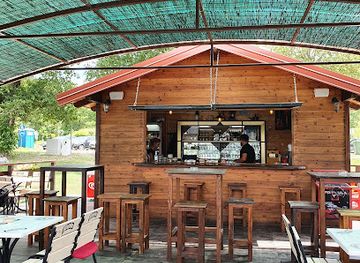
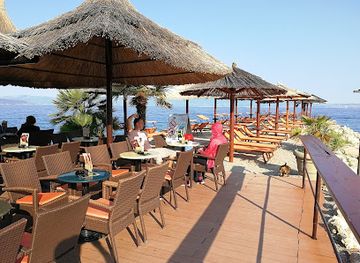
Banova Villa Beach Bar
Experience the perfect blend of relaxation and vibrant atmosphere at Banova Villa Beach Bar, a coastal gem on the shores of Rab, Croatia.
-
Bar
Beach bar Čoka
Discover relaxation and flavor at Beach Bar Čoka, a scenic lakeside bar in Fužine, Croatia, perfect for unwinding and enjoying nature.
-
Cocktail bar
Sunset Beach Bar
Experience the perfect blend of relaxation and vibrant nightlife at Sunset Beach Bar, where stunning views and delicious cocktails await you.
-
Bar
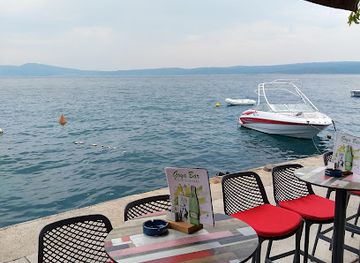
Goya Cocktail Bar
Experience the vibrant nightlife of Selce at Goya Cocktail Bar, where exceptional cocktails meet stunning Adriatic views.
Best nightclubs in Banovina
Evening life in Banovina is modest and concentrated in the larger settlements, especially Sisak and Petrinja, rather than organised around a major club scene. Local cafés and bars are the main social venues, serving coffee during the day and drinks into the evening, while traditional pubs and restaurants provide a quieter alternative in smaller towns. Occasional live music, cultural programmes and seasonal events may add energy to town centres, but schedules vary and should be checked locally. Topusko and the smaller southern communities generally suit relaxed evenings after a day outdoors or at the thermal facilities rather than late-night entertainment. In Hrvatska Kostajnica, the river setting and historic centre can make for a pleasant evening stroll, though visitors should not expect a dense nightlife district. As elsewhere in Croatia, responsible drinking and consideration for residents are important, particularly in small communities where accommodation may be close to cafés and public squares.
-
Disco club
Cocomo Club
Experience the vibrant nightlife at Cocomo Club in Novalja, Croatia, where every night is a festival of music, dance, and unforgettable memories.
-
Bar
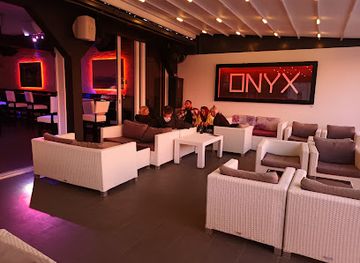
Onyx Night Club
Experience the electrifying nightlife at Onyx Night Club in Punat, where music, dance, and unforgettable moments await you.
-
Night club
Diamond Nightclub
Discover the ultimate nightlife experience at Diamond Nightclub in Žgombići – a hub of music, dancing, and unforgettable moments.
-
Night club
Astralis
Discover the electrifying nightlife of Astralis in Karlovac, where music, dance, and vibrant energy create unforgettable experiences.


Best shops in Banovina
Shopping in Banovina is predominantly local and practical, with the broadest range in Sisak and Petrinja and smaller selections in Glina, Hrvatska Kostajnica, Topusko and other market towns. Central streets contain everyday shops, bakeries, cafés and independent services, while markets and food stalls are useful places to look for seasonal fruit, vegetables, honey, preserves, smoked products and other provisions from the surrounding countryside. Visitors may also find locally made pottery, woodwork, textiles or small craft items through cultural events and community businesses, although availability is not necessarily continuous. Petrinja's historic association with craft and pottery gives locally produced ceramics particular interest when they are available. Rural shops can be widely spaced, so buy supplies before heading into the hills or towards the Una. The most meaningful souvenirs are often durable food products or small handmade objects purchased directly from local producers, supporting communities rebuilding after war damage and the 2020 earthquakes rather than relying on mass-produced regional branding.
-
Coffee store
Milman Coffee
Discover the heart of Crikvenica at Milman Coffee, where exceptional brews meet a cozy atmosphere for an unforgettable coffee experience.
-
Supermarket
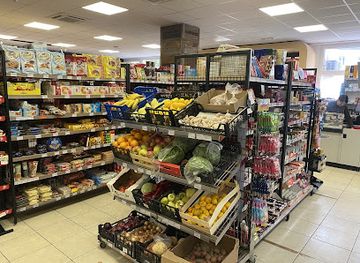
Kroatis
Explore the flavors of Croatia at Kroatis, the leading supermarket in Fužine, offering a wide range of local and international products.
-
Gift shop
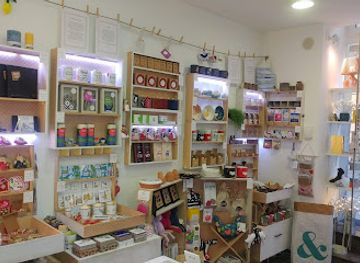
Take Me Home - Croatian Design Shop -
Explore Take Me Home, Zagreb's premier gift shop, offering unique Croatian souvenirs and handcrafted treasures to cherish forever.
-
Sporting goods store
Intersport Crikvenica
Discover top-notch sporting goods and gear at Intersport Crikvenica, perfect for your outdoor adventures in Croatia's stunning coastal town.

Get your free copy of our complete guide to Banovina, delivered straight to you.
Everything on this page, from attractions and restaurants to essentials and local phrases, in one PDF you can read offline, print or share.
Already have an account? Sign in
Your Banovina guide is ready.
We'll send it to · Not you? Sign out

Getting your guide ready…
We are putting together a fresh copy of the Banovina guide. This can take up to a minute.
This can take a few moments. If your browser asks, choose Allow so the download can start. You'll find the guide in your Downloads folder.
Nothing happened? Download it again
Sorry, the guide is taking longer than usual. Please try again in a minute, or get it by email instead.
Banovina essentials
Currency and Payment
Safety
Emergency Situations
Do's and Don'ts
Local Tips
From Eve
Local phrases worth knowing
You don't need to get them perfect. A few words go a long way, and locals appreciate the effort.
Basics
| English | Local | Say it |
|---|---|---|
| Hello | Zdravo | [Zdra-vo] |
| Goodbye | Doviđenja | [Dovi-đen-ya] |
| Yes | Da | [Dah] |
| No | Ne | [Neh] |
| Please/You're welcome | Molim | [Mo-leem] |
| Thank you | Hvala | [Hva-la] |
| Excuse me/Sorry | Izvinite | [Iz-vee-nee-teh] |
| How are you? | Kako ste? | [Kah-ko steh] |
| Fine. And you? | Dobro. A vi? | [Do-bro. Ah vee?] |
| Do you speak English? | Govoriš li engleski? | [Go-vo-reesh lee en-gle-ski?] |
| I don't understand | Ne razumem | [Neh rah-zoo-mem] |
Eating & Drinking
| English | Local | Say it |
|---|---|---|
| I'd like to see the menu, please | Hteo bih da vidim meni, molim | [Hteh-o beekh dah vee-deem meh-nee, mo-leem] |
| I don't eat meat | Ne jedem meso | [Neh yeh-dem meh-so] |
| Cheers! | Živeli! | [Zhee-ve-lee] |
| I would like to pay, please | Hteo bih da platim, molim | [Hteh-o beekh dah plah-teem, mo-leem] |
Emergencies
| English | Local | Say it |
|---|---|---|
| Help! | Upomoć! | [Oo-poh-moch] |
| Go away! | Odlazi! | [Od-lah-zee] |
| Call the Police! | Pozovite policiju! | [Po-zoh-vee-teh po-lee-tsi-yu] |
| Call a doctor! | Pozovite doktora! | [Po-zoh-vee-teh dok-to-ra] |
| I'm lost | Izgubio sam se | [Iz-goo-bee-o sahm seh] |
| I'm ill | Bolestan sam | [Bo-le-stan sahm] |
Shopping
| English | Local | Say it |
|---|---|---|
| I'd like to buy... | Hteo bih da kupim... | [Hteh-o beekh dah koo-peem] |
| I'm just looking | Samo gledam | [Sah-mo gleda-m] |
| How much is it? | Koliko košta? | [Ko-lee-ko kosh-ta] |
| That's too expensive | To je preskupo | [To yeh pre-skoo-po] |
| Can you lower the price? | Možete li spustiti cenu? | [Mo-zhe-teh lee spoos-tee-tee tseh-nu] |
Time & Numbers
| English | Local | Say it |
|---|---|---|
| What time is it? | Koliko je sati? | [Ko-lee-ko yeh sah-tee] |
| It's one o'clock | Jedan je sat | [Yeh-dan yeh saht] |
| Half past (10) | Pola (deset) | [Po-la (deh-set)] |
| Morning | Jutro | [Yoo-tro] |
| Afternoon | Poslepodne | [Pos-lep-od-neh] |
| Evening | Veče | [Veh-che] |
| Yesterday | Juče | [Yoo-che] |
| Today | Danas | [Dah-nas] |
| Tomorrow | Sutra | [Soo-tra] |
| 1 | 1 | [Jedan] |
| 2 | 2 | [Dva] |
| 3 | 3 | [Tri] |
| 4 | 4 | [Četiri] |
| 5 | 5 | [Pet] |
| 6 | 6 | [Šest] |
| 7 | 7 | [Sedam] |
| 8 | 8 | [Osam] |
| 9 | 9 | [Devet] |
| 10 | 10 | [Deset] |
Transport & Directions
| English | Local | Say it |
|---|---|---|
| Where's a/the...? | Gde je ...? | [Gdeh yeh ...?] |
| What's the address? | Koja je adresa? | [Ko-yah yeh ah-dre-sah] |
| Can you show me (on the map)? | Možeš li mi pokazati (na mapi)? | [Mo-zhe-sh lee mee po-ka-za-tee (nah mah-pee)?] |
| When's the next (bus)? | Kada je sledeći (autobus)? | [Kah-dah yeh sleh-deh-chi (au-to-boos)?] |
| A ticket (to ....) | Jedna karta (do ....) | [Yed-na kar-ta (do ....)] |
History of Banovina
Siscia and the Roman Frontier
The Roman settlement of Siscia developed at modern Sisak, where the Kupa, Sava and Odra waterways created an important strategic and commercial position. It became a major town of the province of Pannonia, with military, administrative and trading functions. Although Sisak lies on the northern edge of the historical Banovina rather than deep within it, its Roman legacy provides essential context for the region's later importance. Archaeological remains and museum collections in Sisak reveal a town connected to wider imperial networks, while the river corridors continued to shape movement and settlement long after Roman rule ended.
Medieval Noble Families and Zrin
During the medieval period, the area was organised through estates, fortified settlements and church foundations linked to powerful Croatian and Hungarian noble families. The Zrin family became particularly associated with the region through its stronghold at Zrin, south of modern Petrinja and near the contemporary border area. The castle was built in a landscape where control of routes and woodland resources mattered greatly. The Zrin name later became prominent in Croatian political and military history, and the castle ruins remain a tangible reminder of the aristocratic and defensive structures that preceded the Military Frontier.
The Ottoman Wars and the Military Frontier
From the sixteenth century, Banovina became a contested borderland during the Ottoman wars. Fortified towns, watch posts and military settlements guarded routes towards the Kupa and Una, while communities were repeatedly displaced and resettled. Sisak's 1593 victory over an Ottoman army was a major event in the wider Habsburg-Croatian frontier struggle, even though the battle took place at the northern edge of Banovina. In subsequent centuries, much of the region was administered within the Military Frontier, leaving a legacy of military planning, mixed settlement patterns and fortified architecture.
Habsburg Administration and the Banija Name
Under Habsburg rule, the region's frontier institutions gradually changed as military authority was reduced and civil administration expanded. The name Banija, or Banovina, reflects the area's historical association with the office of the ban, a high-ranking Croatian governor, although the region's exact boundaries have varied over time. Towns such as Petrinja, Glina and Hrvatska Kostajnica developed as administrative, trading and military centres. Road improvements, schools, churches and public buildings introduced new layers of Central European influence while older rural and frontier traditions continued.
Industrial and Agricultural Modernisation
In the nineteenth and twentieth centuries, Banovina remained predominantly rural but became more closely connected to regional markets through roads, railways and river transport. Agriculture, forestry, livestock raising and small-scale crafts formed the economic foundation, while nearby Sisak developed major industrial functions. Petrinja became associated with food production and craft traditions, and spa development at Topusko encouraged a more specialised form of tourism. These changes did not erase the region's rural character, but they linked its towns and villages more closely to the economic life of central Croatia.
War, Displacement and Reconstruction
Banovina was one of the areas most affected by the Croatian War of Independence from 1991 to 1995. Fighting, occupation, destruction and population displacement changed the social and physical landscape of towns and villages, particularly around Petrinja, Glina and the southern border districts. The post-war period brought reconstruction and the return or resettlement of residents, but demographic and economic difficulties remained. The earthquakes of December 2020 caused further severe damage across Sisak-Moslavina County, including historic buildings and homes. Recovery and rebuilding are now part of the region's contemporary history.
Banovina in Photos
Browse through our photo collection highlighting the charm and character of the destination.
Neighbouring regions of Banovina
The closest regions to Banovina, if you have time for more than one.
-

-

-

-

-


Swipe for more regions
Explore more

Explore more of Croatia
Discover Croatia: A Mediterranean paradise with stunning coastlines, ancient cities, and rich cultural heritage. Perfect for beach lovers, history buffs, and nature enthusiasts.
Explore Croatia