
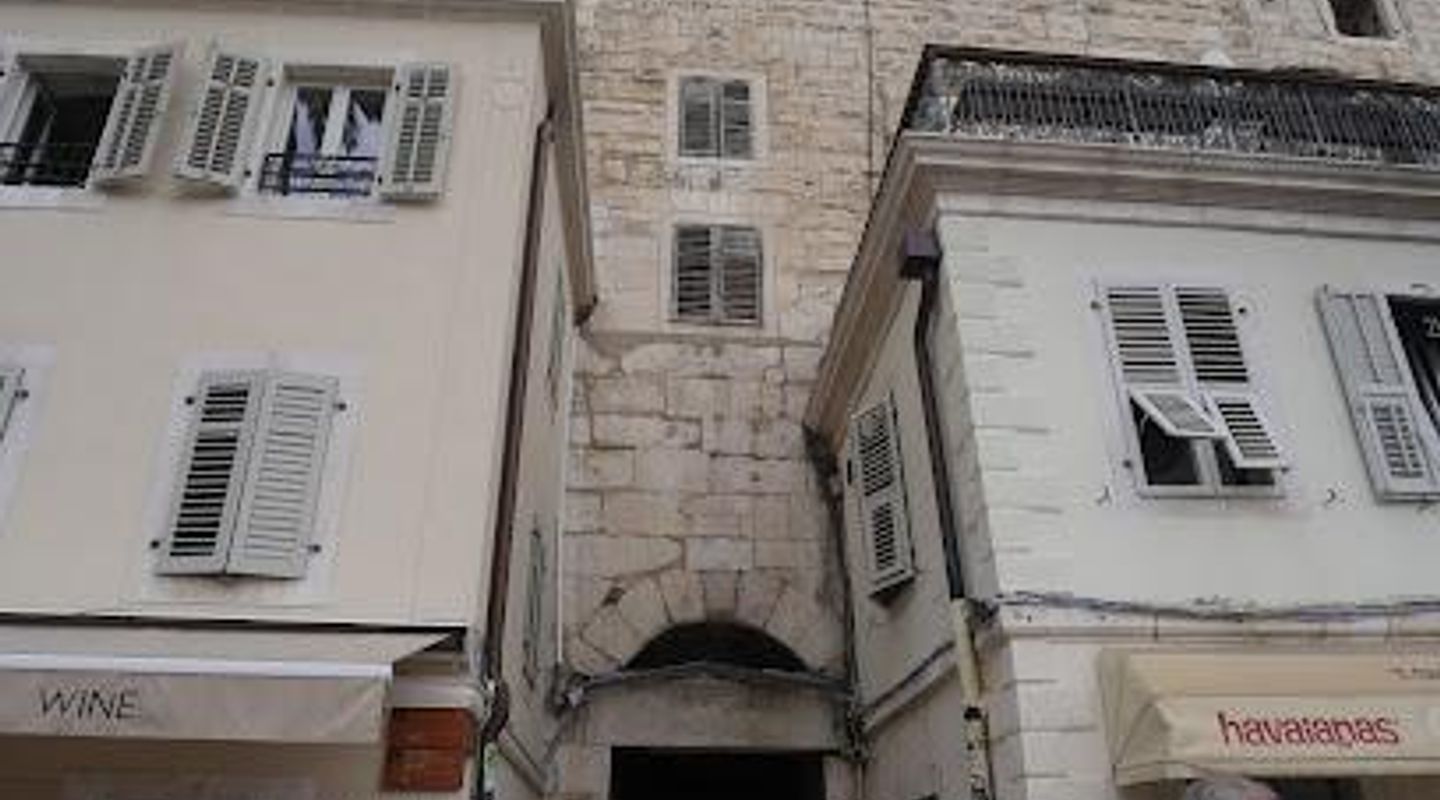
Brass Gate, Dalmatia Travel Guide
Enter Diocletian's Palace through this unassuming gate, once a direct sea passage, now a vibrant path from Split's Riva.
The Brass Gate, also known as the Southern Gate or Porta Aenea, offers a unique and modest entrance to Diocletian's Palace from Split's Riva promenade. Unlike the other more elaborate gates, it provided direct access to the sea and the palace's substructures. Today, it's a popular entry point for visitors and leads to souvenir shops in the basement halls.
A brief summary to Brass Gate
- Obala Hrvatskog narodnog preporoda 22, Split, 21000, HR
- Click to display
- Click to display
- Monday 8:30 am-10 pm
- Tuesday 8:30 am-10 pm
- Wednesday 8:30 am-10 pm
- Thursday 8:30 am-10 pm
- Friday 8:30 am-10 pm
- Saturday 8:30 am-10 pm
- Sunday 8:30 am-10 pm

Know before you go
Hi, I'm Eve. Here are a few practical things to know before exploring Brass Gate.
- Visit early in the morning to avoid crowds and enjoy a more peaceful experience.
- Take a guided tour to learn about the history and significance of the gate and surrounding sites.
- Explore the substructures and cellars accessible from the gate, which now house souvenir shops and exhibitions.
- Walk along the Riva promenade after visiting the gate to soak in the vibrant atmosphere of Split.
Do you manage this location?
Take control to get all the benefits, like improved information, better appearance, and stronger visibility across AI-powered discovery. Learn more about listing your business on Evendo
Activate your presenceOther nearby places you may find interesting
The closest places of the same kind, if this one is not quite what you had in mind.


Explore Brass Gate on the Map
A handpicked selection of must-see spots near Brass Gate, mapped for you.
Unlock the Best of Brass Gate
Buy tickets
-
No tickets available
Book tours with entry


Book tours without entry
-
No tours available
Getting There
-
Walking
From the Riva promenade, simply walk towards the Diocletian's Palace. The Brass Gate is located on the southern side of the Palace, directly accessible from the waterfront. It's the most direct entry point from the sea.
-
Public Transport
If arriving by public transport to Split's main bus or train station, walk along the Riva promenade towards Diocletian's Palace. The Brass Gate is easily accessible from the Riva. Bus tickets cost approximately 11kn if purchased on board or 9kn from a kiosk.
-
Taxi/Ride-Share
Ask your taxi or ride-share driver to drop you off at the Riva promenade. From there, the Brass Gate is a short walk along the waterfront towards Diocletian's Palace. A taxi from the airport to the Old Town costs approximately 30 EUR.
Discover more about Brass Gate













Your all‑in‑one travel companion app
Explore expert travel guides, compare and book tours, experiences, hotels, and more—all from the palm of your hand. Download now for seamless trip planning wherever your wanderlust takes you.


Explore More of Dalmatia
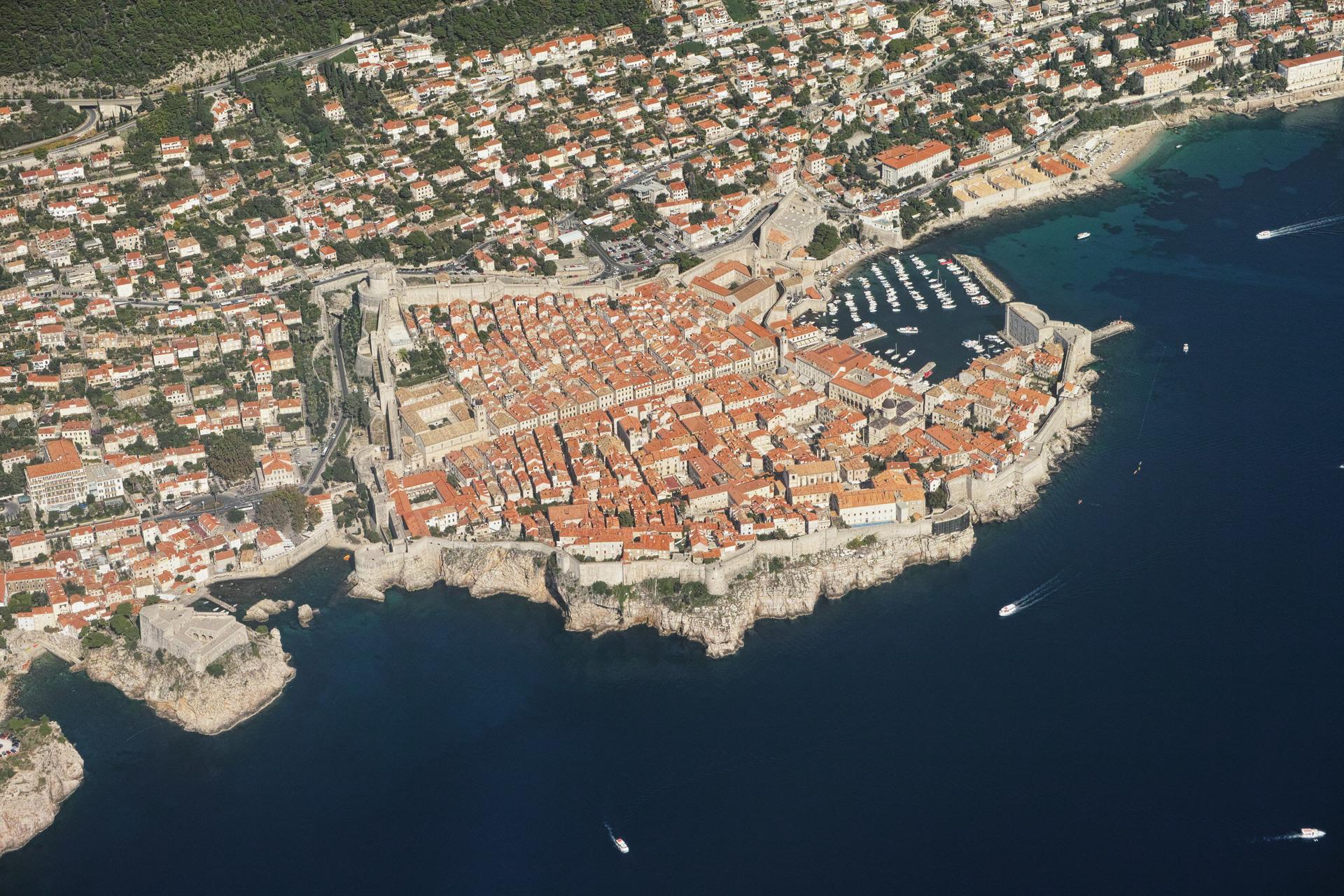
Looking beyond Brass Gate? Discover Dalmatia for broader travel guides, local hot-spots, and regional highlights.
Explore Dalmatia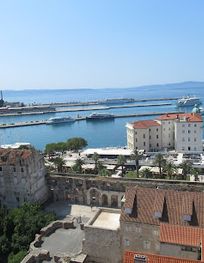
Discover the rich history and breathtaking views at the Eastern Tower of Diocletian's Palace in Split, a must-see historical landmark.
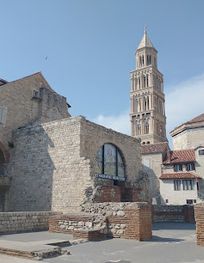
Uncover the secrets beneath Diocletian's Palace in Split, exploring ancient Roman cellars and substructures.
