Dvigrad ruins Travel Guide
Free Guide: Explore the mystical ruins of Dvigrad, a remarkably preserved medieval town in Istria, offering a unique journey back in time.


A brief summary of Dvigrad ruins
Explore the mystical ruins of Dvigrad, a remarkably preserved medieval town in Istria, offering a unique journey back in time.
Explore the evocative ruins of Dvigrad, a medieval town abandoned in the 17th century due to disease and conflict. Wander through the remains of stone houses, defensive walls, and the prominent Church of St. Sophia, imagining life in this once-thriving Istrian settlement.
Opening hours
- Every dayOpen 24 hours
Opening hours as listed on the venue’s Google Business Profile. Hours can change for services and special events, so check with the venue before you go.
- Address
- 52352, Kanfanar
Getting there
Car
Public Transport
Discover more about Dvigrad ruins
Overview
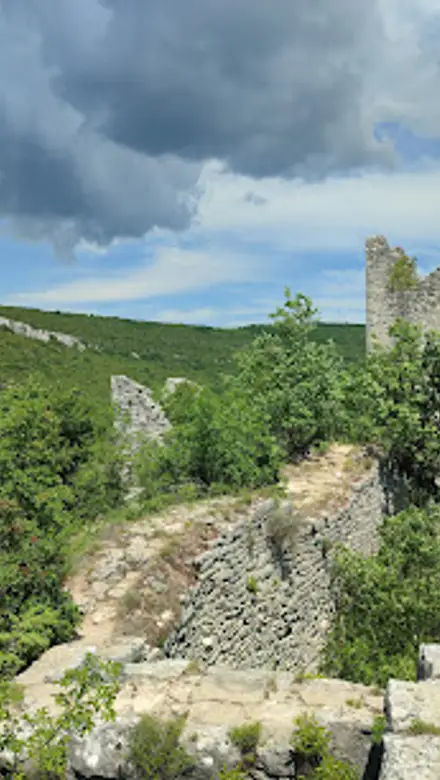
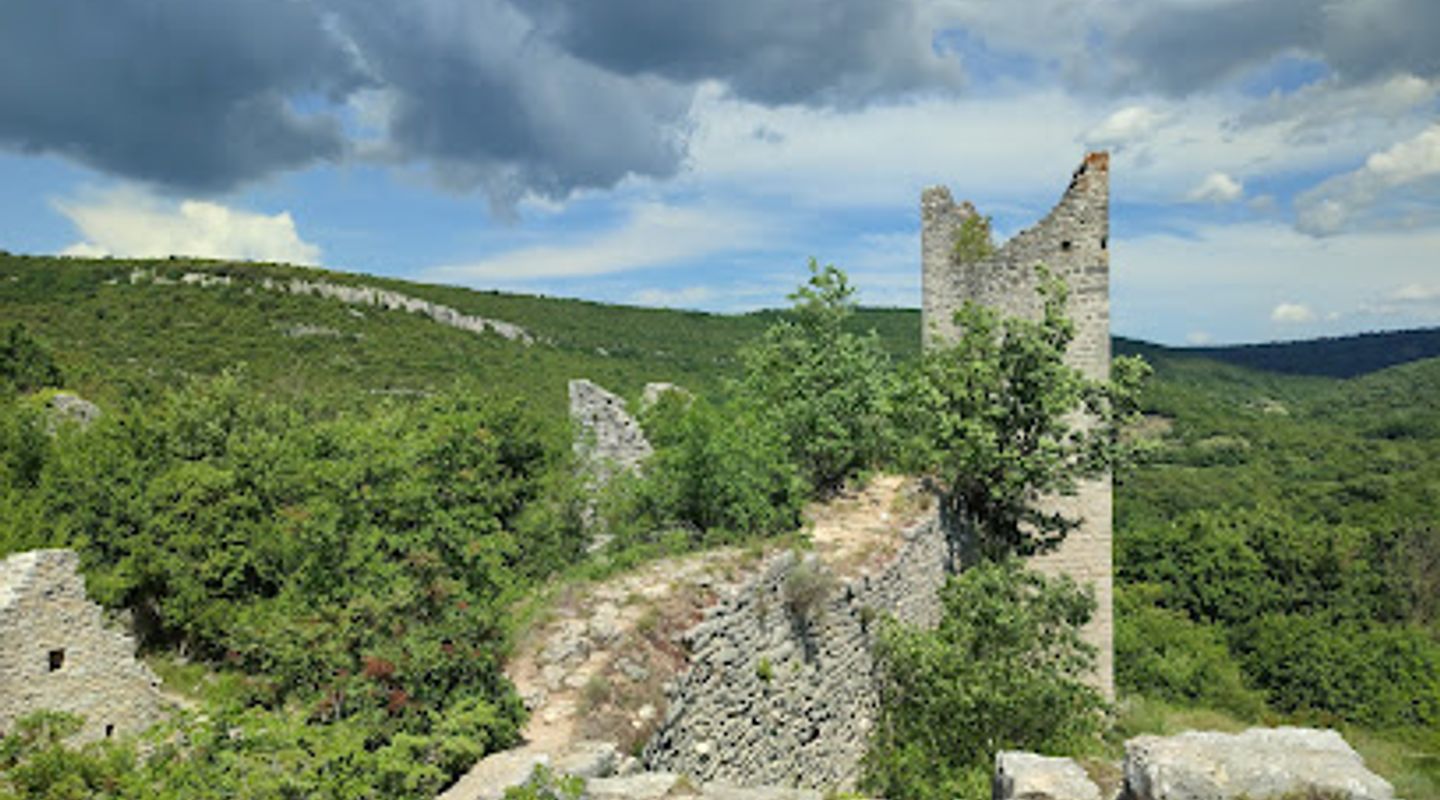
Dvigrad, meaning 'Two Towns,' is a captivating abandoned medieval town in the heart of Istria, Croatia. The site, located in the Draga Valley near Kanfanar, offers a unique glimpse into the past. Once a significant political and cultural center, Dvigrad's history stretches back to the Illyrians, with the settlement first mentioned in writing in the 9th century. The town thrived due to its strategic location, fertile land, and access to water.Visitors can explore the well-preserved ruins of Moncastello, the northern castle, which include defensive walls, towers, and gates. The Church of St. Sophia, a three-nave basilica dating back to the 13th century with origins potentially as early as the 5th century, stands as a prominent feature. The remains of over 200 structures, including houses and communal spaces, provide insight into the daily lives of the medieval inhabitants.Constant battles, plague, and malaria epidemics led to Dvigrad's decline, with most inhabitants abandoning the town by the 17th century. Today, Dvigrad is a cultural heritage site where visitors can wander through the haunting ruins and absorb the mystical atmosphere.
Evendo Review Centre
 Google
Guest reviews
Explore Dvigrad ruins on the map
A handpicked selection of must-see spots near Dvigrad ruins, mapped for you.
Get your free copy of our complete guide to Dvigrad ruins, delivered straight to you.
Everything on this page, from opening hours and how to get there to Eve’s tips and the best time to go, in one PDF you can read offline, print or share.
Already have an account? Sign in
Your Dvigrad ruins guide is ready.
We'll send it to · Not you? Sign out

Getting your guide ready…
We are putting together a fresh copy of the Dvigrad ruins guide. This can take up to a minute.
This can take a few moments. If your browser asks, choose Allow so the download can start. You'll find the guide in your Downloads folder.
Nothing happened? Download it again
Sorry, the guide is taking longer than usual. Please try again in a minute, or get it by email instead.
Unlock the best of Dvigrad ruins
Skip-the-line tickets, guided tours with entry, and walking tours of the area, booked in a few clicks.


Other nearby places you may find interesting
The closest places of the same kind, if this one is not quite what you had in mind.
-
-
-
-
-


Swipe for more places
More to explore near Dvigrad ruins

 Best experiences near Dvigrad ruins
 Best hotels near Dvigrad ruins
 Best landmarks near Dvigrad ruins
 Best attractions near Dvigrad ruins
 Best shops near Dvigrad ruins
 Best restaurants near Dvigrad ruins
 Best bars near Dvigrad ruins
Do you manage this location?
Take control to get all the benefits, like improved information, better appearance, and stronger visibility across AI-powered discovery.
Explore more

Explore more of Istrian Peninsula
Discover the Istrian Peninsula in Croatia: A blend of historical charm, stunning coastlines, and culinary delights, perfect for an unforgettable travel experience.
Explore Istrian Peninsula
Explore more of Croatia
Discover Croatia: A Mediterranean paradise with stunning coastlines, ancient cities, and rich cultural heritage. Perfect for beach lovers, history buffs, and nature enthusiasts.
Explore Croatia