

Kaptol (Zagreb) Travel Guide - Free
Explore Kaptol in Zagreb with Evendo's free guide. Find the best shops, historic streets, restaurants, and gems on web or mobile.


Kaptol in Zagreb pairs its cathedral, medieval streets and Archbishop’s Palace with Dolac Market, cafés, Ribnjak Park and Upper Town history.
A Medieval Core Above the City
Kaptol is one of the historic settlements from which central Zagreb developed, centred on the cathedral and the former ecclesiastical community that grew around it. Sitting north of Ban Jelačić Square, it feels more secluded than the commercial centre below: Kaptol Street rises gently towards the cathedral precinct, while narrow lanes lead towards Opatovina, Ribnjak and the slopes of the Upper Town. Its identity is closely tied to Zagreb’s Roman Catholic heritage, but the district is not simply a monument zone. Residents, office workers, market shoppers and visitors share its streets, particularly around the approaches to Dolac Market and the cathedral.Read more about Kaptol
Streets, Stone and Sacred Architecture
Markets, Green Space and Contemporary Zagreb
Best attractions in Kaptol
Kaptol’s principal attraction is the Zagreb Cathedral, whose tall twin towers and richly restored historic fabric define the neighbourhood’s skyline, although visitor access can be affected by ongoing post-earthquake conservation. The surrounding cathedral precinct is rewarding for its concentration of canonical residences, ecclesiastical buildings and remnants of the old defensive walls, including the preserved medieval tower known as the Prišlin Tower. Kaptol Street leads south towards Dolac Market, where the covered hall and open-air stalls offer an immediate encounter with Zagreb’s food culture and daily routines. To the east, Ribnjak Park provides lawns, mature trees and a calmer setting beneath the historic quarter. Nearby Opatovina, with its old lanes and evening cafés, forms another useful route towards the Upper Town, though it should be understood as a neighbouring historic area rather than treated as part of every definition of Kaptol.
-
Tourist attraction
Ban Josip Jelačić Statue
Discover the heart of Zagreb at the Ban Josip Jelačić Statue, a historic landmark symbolizing Croatian pride and vibrant city life.
3 min walk · 0.2 km from neighbourhood centre
-
Tourist attraction
Spomenik prostitutki
Explore the unique Spomenik Prostitutki in Zagreb, a monument honoring the city’s complex history and the narratives of its women.
4 min walk · 0.4 km from neighbourhood centre


Best landmarks in Kaptol
The Zagreb Cathedral is Kaptol’s defining landmark, a major ecclesiastical building whose medieval origins, nineteenth-century restoration and earthquake damage reflect successive chapters in Zagreb’s history. Its precinct is bordered by former canonical residences and the Archbishop’s Palace, giving the area an architectural coherence rarely found so close to a modern central square. Sections of Kaptol’s medieval fortifications remain visible, including the Prišlin Tower, a reminder that the ecclesiastical settlement was once defended against regional conflict. Kaptol Street forms the principal urban approach, while Dolac Market immediately to the south marks the transition from the cathedral quarter to the city’s commercial heart. Ribnjak Park, on the eastern side, is less monumental but important to the neighbourhood’s setting, opening a green edge beneath the historic buildings and providing a spatial contrast to the dense stone streets.
-
Sculpture
Ban Josip Jelačić Statue
Explore the historic Ban Josip Jelačić Statue in Zagreb, a symbol of Croatian pride and vibrant city life, surrounded by culture and charm.
3 min walk · 0.2 km from neighbourhood centre
-
Cathedral
Cathedral of Zagreb
Discover the breathtaking Gothic architecture and rich history of the Cathedral of Zagreb, a must-see tourist attraction in Croatia's capital.
1 min walk · 0.1 km from neighbourhood centre
-
 Religious destination
Stone Gate
Discover the Stone Gate in Zagreb: a historical landmark and spiritual retreat that embodies the city's rich cultural heritage.
4 min walk · 0.3 km from neighbourhood centre
-
Fortress
Lotrščak Tower
Discover the history and breathtaking views from Lotrščak Tower, a must-visit landmark in Zagreb's beautiful skyline.
6 min walk · 0.5 km from neighbourhood centre


Explore Kaptol on the map
A handpicked selection of must-see spots in Kaptol, mapped for you.
Best hotels in Kaptol
Best restaurants in Kaptol
Dining in Kaptol is shaped by its position between Dolac Market, the cathedral precinct and the Upper Town approaches. Restaurants and cafés along Kaptol Street serve a mixture of Croatian and Central European cooking, with menus often drawing on ingredients associated with the nearby market, while smaller cafés provide places for coffee between visits to the cathedral and old walls. Around Dolac, visitors can look for simple market-oriented foods and seasonal produce, although the market is primarily a place to shop rather than a dedicated food hall. The streets towards Opatovina add a more contemporary restaurant and café atmosphere, particularly in the evening. Local specialities found across Zagreb, such as štrukli, grilled meats, soups and pastries, may appear alongside modern interpretations, but the neighbourhood’s dining identity is best understood as a compact blend of historic setting, everyday market culture and central-city hospitality rather than a single cuisine.
-
European
Nokturno
Discover authentic European flavors at Nokturno in Zagreb, where exceptional cuisine meets a warm and inviting atmosphere.
3 min walk · 0.2 km from neighbourhood centre
-
Croatian
La Štruk
Experience authentic Croatian cuisine at La Štruk in Zagreb, home of delicious homemade štrukli and local specialties.
3 min walk · 0.2 km from neighbourhood centre
-
Bistro
Pod Zidom Bistro
Experience authentic Croatian cuisine at Pod Zidom Bistro in Zagreb - where local flavors meet exceptional service in a cozy setting.
1 min walk · 0.1 km from neighbourhood centre
-
Croatian
Gostionica Ficlek
Discover the rich flavors of Croatia at Gostionica Ficlek, where authentic cuisine meets warm hospitality in Zagreb.
1 min walk · 0.1 km from neighbourhood centre


Best bars in Kaptol
Kaptol’s nightlife is modest and compact rather than club-focused. The streets around Opatovina and the western edge of Kaptol lead towards bars, cafés and informal evening meeting places, while Kaptol Street offers restaurants and venues suited to a slower dinner or drink. The area’s historic setting makes its evenings feel different from Zagreb’s larger entertainment zones, but it is not a district dominated by nightclubs. Live music and late-night options are more widely distributed through the central city and Upper Town, so visitors should check current listings if a particular performance is important. Around the cathedral and residential lanes, the atmosphere becomes quieter after evening services and dinner hours; visitors should keep voices down when leaving venues and avoid treating the historic streets as an all-night party area.
-
Irish pub
Harat's Pub
Discover the vibrant ambiance and authentic Irish experience at Harat's Pub in the heart of Zagreb.
2 min walk · 0.1 km from neighbourhood centre
-
Cafe
History Bar & Club
Discover the vibrant nightlife at History Bar & Club in Zagreb, where cocktails, espresso, and entertainment meet in a lively atmosphere.
5 min walk · 0.4 km from neighbourhood centre
-
Pub
Tolkien's House
Experience the literary charm of Tolkien's House in Zagreb, a cozy pub offering a delightful atmosphere and local culinary treats.
4 min walk · 0.3 km from neighbourhood centre
-
Irish pub
Oliver Twist
Discover the vibrant spirit of an authentic Irish pub in Zagreb, offering a delightful atmosphere, extensive drink selection, and hearty Irish cuisine.
4 min walk · 0.3 km from neighbourhood centre


Best nightclubs in Kaptol
Kaptol’s nightlife is modest and compact rather than club-focused. The streets around Opatovina and the western edge of Kaptol lead towards bars, cafés and informal evening meeting places, while Kaptol Street offers restaurants and venues suited to a slower dinner or drink. The area’s historic setting makes its evenings feel different from Zagreb’s larger entertainment zones, but it is not a district dominated by nightclubs. Live music and late-night options are more widely distributed through the central city and Upper Town, so visitors should check current listings if a particular performance is important. Around the cathedral and residential lanes, the atmosphere becomes quieter after evening services and dinner hours; visitors should keep voices down when leaving venues and avoid treating the historic streets as an all-night party area.
-
Night club
Night Club & Rock Bar Alcatraz
Discover the electrifying nightlife at Night Club & Rock Bar Alcatraz in Zagreb, where live music and dancing create unforgettable experiences.
7 min walk · 0.6 km from neighbourhood centre
-
Bar
Funk club
Experience the nightlife of Zagreb at Funk Club, where lively music and a vibrant atmosphere create unforgettable nights out.
4 min walk · 0.3 km from neighbourhood centre
-
Bar
Thalia Caffe Bar & Night Club
Experience Zagreb's vibrant nightlife at Thalia Caffe Bar & Night Club, where great drinks and lively beats come together for an unforgettable night out.
6 min walk · 0.5 km from neighbourhood centre
-
Night club
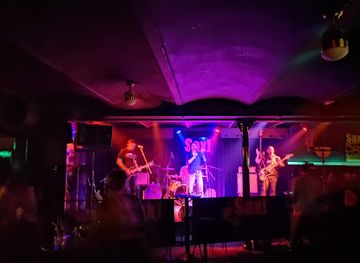
Club Sax!
Discover Club Sax, Zagreb's top night club, where electrifying music and vibrant atmosphere unite for an unforgettable nightlife experience.
5 min walk · 0.4 km from neighbourhood centre


Best shops in Kaptol
Shopping in Kaptol centres on practical food retail and small central-city businesses rather than a specialised fashion district. Dolac Market, immediately beside the neighbourhood, is the essential shopping experience: stalls sell seasonal fruit and vegetables, dairy products, meat, flowers and other everyday goods, with the covered market hall continuing the trade in less weather-dependent surroundings. The market’s distinctive red parasols and long-standing relationship with Zagreb’s surrounding agricultural areas make it an important part of local life as well as a visitor stop. Kaptol Street and the lanes towards the Upper Town contain cafés, convenience shops, galleries and independent businesses, while the Kaptol Centre provides a more conventional enclosed retail option near the historic quarter. Visitors should distinguish these local shopping streets from the larger retail areas of the Lower Town, which are nearby but not part of Kaptol’s traditional market identity.
-
Shopping mall
Centar Kaptol
Experience high-end shopping and gourmet dining at Centar Kaptol, the luxurious shopping mall in the heart of Zagreb, Croatia.
8 min walk · 0.7 km from neighbourhood centre
-
Gift shop
Take Me Home - Croatian Design Shop -
Explore Take Me Home – a Croatian design shop offering unique gifts and souvenirs that embody the spirit of Croatia's rich culture.
6 min walk · 0.5 km from neighbourhood centre
-
Collectibles store
Small Antique Shop Sarađen
Explore unique antiques and collectibles at Small Antique Shop Sarađen in Zagreb, where history comes alive through exquisite treasures.
3 min walk · 0.3 km from neighbourhood centre
-
Souvenir store
Souvenirnica
Discover authentic Croatian souvenirs at Souvenirnica in Zagreb, where tradition meets craftsmanship in every unique piece.
1 min walk · 0.1 km from neighbourhood centre


Kaptol essentials
Getting There
Getting Around
Safety
Emergency Situations
Do's and Don'ts
Local Tips

From Eve
Local phrases worth knowing
You don't need to get them perfect. A few words go a long way, and locals appreciate the effort.
Basics
| English | Local | Say it |
|---|---|---|
| Hello | Bok | [Bohk] |
| Goodbye | Doviđenja | [Doh-vee-jen-ya] |
| Yes | Da | [Dah] |
| No | Ne | [Neh] |
| Please/You're welcome | Molim | [Moh-leem] |
| Thank you | Hvala | [Hvah-lah] |
| Excuse me/Sorry | Oprostite | [Oh-pros-tee-teh] |
| How are you? | Kako si? | [Kah-koh see?] |
| Fine. And you? | Dobro. A ti? | [Doh-bro. Ah tee?] |
| Do you speak English? | Govorite li engleski? | [Goh-voh-ree-teh lee ehn-gles-kee?] |
| I don't understand | Ne razumijem | [Neh rah-zoo-mee-yem] |
Eating & Drinking
| English | Local | Say it |
|---|---|---|
| I'd like to see the menu, please | Molim vas, mogu li vidjeti jelovnik? | [Moh-leem vahs, moh-goo lee vee-dyeh-tee yeh-lohv-neek?] |
| I don't eat meat | Ne jedem meso | [Neh yeh-dehm meh-soh] |
| Cheers! | Živjeli! | [Zhee-vyeh-lee] |
| I would like to pay, please | Mogu li platiti, molim? | [Moh-goo lee plah-tee-tee, moh-leem?] |
Emergencies
| English | Local | Say it |
|---|---|---|
| Help! | Pomoć! | [Poh-mohch!] |
| Go away! | Idi odavde! | [Ee-dee oh-dahv-deh!] |
| Call the Police! | Zovite policiju! | [Zoh-vee-teh poh-lee-tsee-yoo!] |
| Call a doctor! | Zovite doktora! | [Zoh-vee-teh dohk-toh-rah!] |
| I'm lost | Izgubio/la sam se | [Eez-goo-bi-oh/lah sahm seh] |
| I'm ill | Bolestan/sna sam | [Boh-leh-stahn/snah sahm] |
Shopping
| English | Local | Say it |
|---|---|---|
| I'd like to buy... | Želio bih kupiti... | [Zheh-lyoh bee koo-pee-tee] |
| I'm just looking | Samo gledam | [Sah-moh gleh-dahm] |
| How much is it? | Koliko košta? | [Koh-lee-koh koh-shta?] |
| That's too expensive | To je pre skupo | [Toh yeh preh skoo-poh] |
| Can you lower the price? | Možete li spustiti cijenu? | [Moh-zheh-teh lee spoos-tee-tee tsee-yeh-noo?] |
Time & Numbers
| English | Local | Say it |
|---|---|---|
| What time is it? | Koliko je sati? | [Koh-lee-koh yeh sah-tee?] |
| It's one o'clock | Jedan je sat | [Yeh-dahn yeh saht] |
| Half past (10) | Pola (deset) | [Poh-lah (deh-set)] |
| Morning | Jutro | [Yoo-troh] |
| Afternoon | Popodne | [Poh-pohd-neh] |
| Evening | Večer | [Veh-chehr] |
| Yesterday | Jučer | [Yoo-cher] |
| Today | Danas | [Dah-nahs] |
| Tomorrow | Sutra | [Soo-trah] |
| 1 | Jedan | [Yeh-dahn] |
| 2 | Dva | [Dvah] |
| 3 | Tri | [Tree] |
| 4 | Četiri | [Cheh-tee-ree] |
| 5 | Pet | [Peh-t] |
| 6 | Šest | [Shehst] |
| 7 | Sedam | [Seh-dahm] |
| 8 | Osam | [Oh-sahm] |
| 9 | Devet | [Deh-veht] |
| 10 | Deset | [Deh-set] |
Transport & Directions
| English | Local | Say it |
|---|---|---|
| Where's a/the...? | Gdje je... | [Gdyeh yeh...] |
| What's the address? | Koja je adresa? | [Koh-yah yeh ah-deh-sah?] |
| Can you show me (on the map)? | Možete li mi pokazati (na karti)? | [Moh-zheh-teh lee mee poh-kah-zah-tee (nah kahr-tee)?] |
| When's the next (bus)? | Kada je sljedeći (autobus)? | [Kah-dah yeh sleh-deh-chee (ow-toh-boos)?] |
| A ticket (to ....) | Jednu kartu (do ....) | [Yeh-dnoo kahr-too (doh ....)] |
History of Kaptol
The Bishop’s Settlement
Kaptol emerged as the ecclesiastical settlement of Zagreb, developing around the bishop’s seat established in the late eleventh century. King Ladislaus founded the Zagreb diocese in 1094, and the cathedral precinct became the institutional centre of the settlement on the hill north of the Medveščak stream. Canons, clergy, craftsmen and service workers gradually formed a distinct community separate from the fortified trading settlement of Gradec across the valley. The division between Kaptol and Gradec shaped Zagreb’s medieval urban structure and remained visible in separate jurisdictions, rival institutions and different patterns of street development.
Cathedral and Defensive Walls
The cathedral was built and enlarged over several centuries, reflecting the importance and changing fortunes of the diocese. Medieval Kaptol suffered during periods of conflict, including the Ottoman threat that affected the wider region in the fifteenth and sixteenth centuries. Defensive walls and towers were built around the ecclesiastical settlement, and fragments of this fortified perimeter survive among later buildings. The cathedral precinct, canonical houses and fortified edges gave Kaptol a more enclosed character than the commercial streets leading south towards the market and Gradec.
From Separate Towns to Zagreb
Kaptol and Gradec retained distinct civic and ecclesiastical identities until the political and urban consolidation of the nineteenth century, when the settlements increasingly functioned as parts of a growing Zagreb. The area around the cathedral remained associated with the archbishopric and religious administration, while nearby streets gained a stronger commercial role as the city expanded. The 1880 earthquake caused serious damage across Zagreb, including to the cathedral, prompting major restoration and reconstruction campaigns. Architect Hermann Boll’s late nineteenth-century work helped create the cathedral’s familiar neo-Gothic appearance and altered the visual character of the precinct.
Restoration After the 2020 Earthquake
The earthquake of 22 March 2020 damaged the cathedral and numerous historic buildings in and around central Zagreb, making Kaptol a prominent focus of the city’s long-term restoration effort. Repairs have required structural assessment, conservation work and careful treatment of historic stone and decorative elements. The process has also affected how visitors experience the precinct, with access and views changing as work progresses. Kaptol therefore remains both a medieval urban quarter and a living example of the practical challenges involved in preserving Zagreb’s architectural heritage.
Kaptol in Photos
Browse through our photo collection highlighting the charm and character of the destination.
Neighbourhoods near Kaptol
The closest neighbourhoods to Kaptol, if you have time for more than one stop.
-
-

-

-

-


Swipe for more neighbourhoods
Explore more

Explore more of Zagreb
Zagreb blends Austro-Hungarian architecture, lively markets, museums and café culture with green parks, historic streets and easy access to Croatia’s capital.
Explore Zagreb