

Boca Pistol Travel Guide - Free Web & App
Your ultimate guide to Boca Pistol. Discover top landmarks, proposed trips, and local tips. Free on the web or via the Evendo companion app.


Boca Pistol in Curaçao’s Shete Boka National Park offers powerful surf, limestone inlets, coastal walks and natural scenery near Westpunt.
Wind, Limestone and Sea Spray
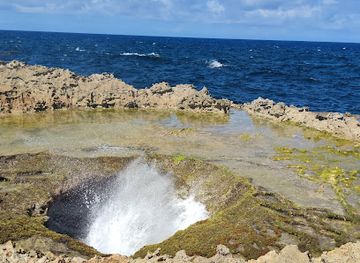
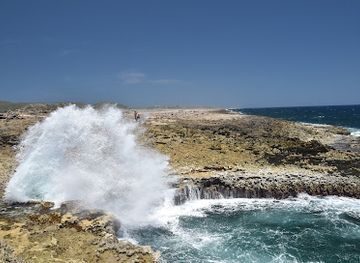
Boca Pistol is a dramatic coastal inlet within Shete Boka National Park on Curaçao’s rugged north coast. Unlike the island’s sheltered southern bays, this exposed shoreline faces the open Caribbean Sea, where trade winds and powerful ocean swells drive water into narrow limestone channels. The resulting spray can shoot high above the rocks, giving the site its vivid name. Boca Pistol is a compact natural attraction rather than a settlement, resort or independent tourism district, and it is best understood as one of several coastal bokas, or inlets, protected within the national park.Read more about Boca Pistol
Part of Shete Boka National Park
Remote Coast and Practical Exploration
When is the best time to visit Boca Pistol?
Best: April–June · 30–31°C| Month | High (°C) | Rainfall (mm) |
|---|---|---|
| January | 29 | 44 |
| February | 29 | 37 |
| March | 30 | 25 |
| April (best) | 30 | 13 |
| May (best) | 30 | 9 |
| June (best) | 31 | 8 |
| July | 31 | 8 |
| August | 31 | 10 |
| September | 31 | 15 |
| October | 30 | 20 |
| November | 30 | 27 |
| December | 30 | 35 |
Getting to and around Boca Pistol
How to get there
Transportation
Best attractions in Boca Pistol
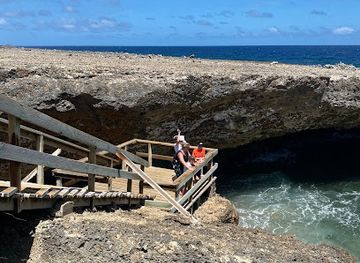
Boca Pistol is the defining coastal attraction within its section of Shete Boka National Park, where Atlantic-facing waves force spray through a narrow rocky opening. The wider park offers a sequence of related landscapes rather than a conventional collection of built attractions. At Boka Tabla, surf enters a sea cave and surges against the limestone interior, while Boka Wandomi is associated with a natural bridge shaped by coastal erosion. Other park inlets provide changing views of wave-cut cliffs, dry scrub and rugged shoreline. The contrast with Curaçao’s calm southern bays is central to the experience: this is a place for watching the sea’s energy rather than swimming or sunbathing. The park’s paths and viewpoints also reveal cacti, salt-tolerant vegetation and the stark textures of the island’s northern terrain. Nearby western Curaçao attractions, including beaches and the landscape around Mount Christoffel, can be visited separately but should not be confused with Boca Pistol itself.
-
Suplado / Jacuzzi
Discover the serene beauty of Suplado / Jacuzzi in Barber, Curaçao, a perfect spot for relaxation and adventure amidst nature's wonders.
-
Tourist attraction
Blue Room Cave
Explore the breathtaking Blue Room Cave in Curaçao, a hidden gem with stunning blue waters, rich marine life, and an unforgettable snorkeling adventure.
-
Tourist attraction
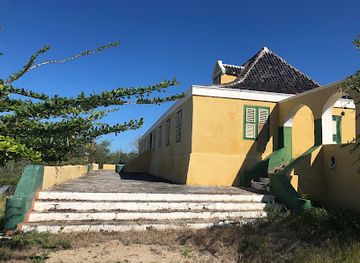
Landhuis San Juan
Explore the architectural beauty and rich heritage of Landhuis San Juan, a captivating tourist attraction in the heart of Curaçao.
-
Tourist attraction
Natural bridge
Experience the breathtaking beauty of Curaçao's Natural Bridge, a stunning natural wonder showcasing the island's geological marvels and vibrant coastal scenery.
Best landmarks in Boca Pistol
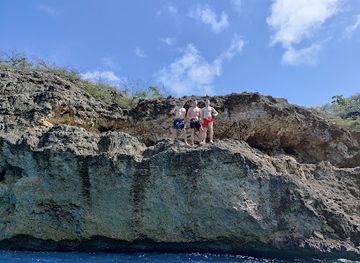
Boca Pistol is itself the principal natural landmark: a narrow coastal opening where surf is compressed against the rock and thrown into the air in sudden, gunshot-like bursts. Its significance lies in the combination of name, sound, spray and exposed setting, which captures the force of Curaçao’s northern sea. Within the same protected landscape, Boka Tabla is notable for its wave-filled sea cave, while Boka Wandomi is associated with a naturally formed limestone bridge. The surrounding cliffs, rock platforms and dry coastal vegetation are equally important because they show the continuing relationship between erosion and the island’s arid environment. These are natural landmarks rather than architectural monuments; there are no town squares, historic streets or major buildings at Boca Pistol itself. The value of the site is found in the coastline’s physical character and its place within Shete Boka National Park.
-
Bridge
Queen Emma Bridge
Explore the Queen Emma Bridge in Willemstad, Curaçao: a historical floating bridge connecting vibrant districts with stunning waterfront views.
-
Shopping mall
Renaissance Mall & Rif Fort
Experience Curaçao's history and luxury at the Renaissance Mall & Rif Fort: a unique blend of shopping, dining, and culture in a historic setting.
-
Shopping mall
Mambo Beach Boulevard
Experience the vibrant charm of Mambo Beach Boulevard, a premier shopping and nightlife destination in Willemstad, Curaçao, offering unforgettable ocean views and local flavors.
-
Tourist attraction
Hato Caves
Explore the stunning Hato Caves of Curaçao - a breathtaking blend of natural beauty and rich history waiting to be discovered.
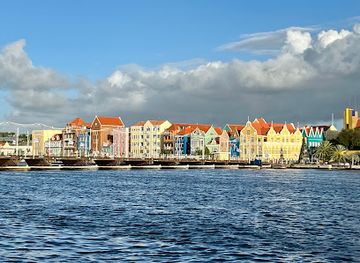

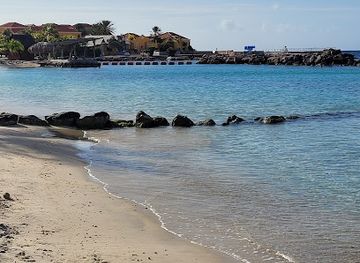
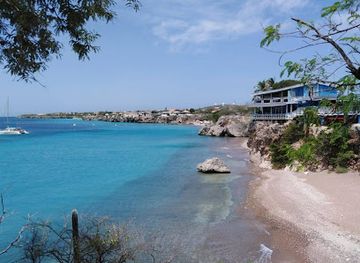
Explore Boca Pistol on the map
Plan your trip on one map. See where the top attractions, landmarks, restaurants and hotels are, and book hotels and experiences in a few clicks.
Best hotels in Boca Pistol
Best restaurants in Boca Pistol
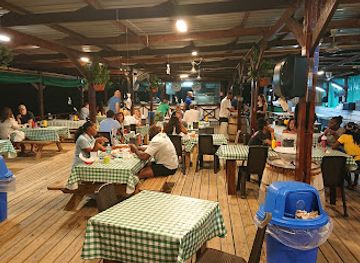
There is no substantial dining scene at Boca Pistol, and visitors should plan to eat before entering Shete Boka National Park or continue to a nearby village afterwards. Food options in western Curaçao are concentrated in settlements and beach areas such as Westpunt, Lagun, Barber and Soto, where the choice may include casual local cooking, simple cafés and restaurants serving seafood or other island-influenced dishes. Curaçao’s food culture reflects Caribbean, Dutch, Latin American and Afro-Curaçaoan traditions, with fish, stewed meats, fried savoury snacks and spicy sauces appearing in different settings. Exact offerings and opening arrangements vary, particularly in rural areas, so carrying water and a snack is sensible for a park visit. Farm stalls and small local shops may be useful for provisions, but Boca Pistol itself should be treated as a nature site rather than a dining destination.
-
Seafood
De Visserij piscadera
Discover De Visserij Piscadera in Willemstad for an unforgettable seafood dining experience amidst stunning Caribbean views.
-
Restaurant
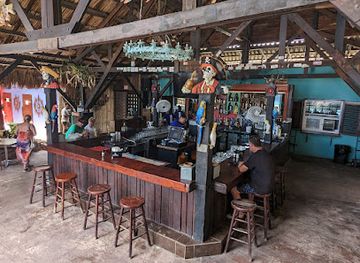
Pirate Bay Curaçao Beach Club and Restaurant
Discover Pirate Bay Curaçao: A beachfront paradise offering delicious food, refreshing drinks, and breathtaking ocean views.
-
Restaurant
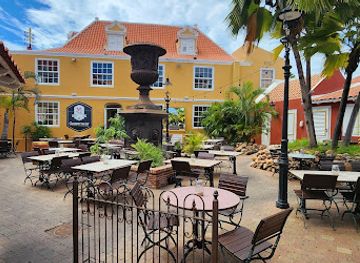
Restaurant & Café Gouverneur De Rouville
Experience the vibrant flavors of Curaçao at Restaurant & Café Gouverneur De Rouville – where delicious food meets breathtaking views.
-
Restaurant
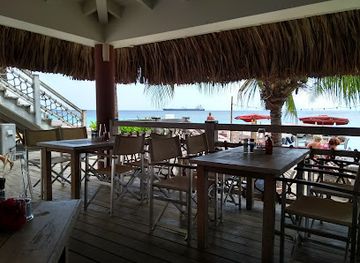
Karakter Beach - Lounge - Restaurant
Discover the flavors of paradise at Karakter Beach - Lounge - Restaurant in Curaçao, where exquisite dining meets stunning ocean views.
Best bars in Boca Pistol
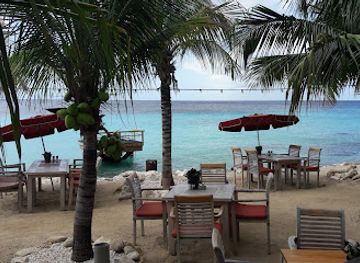
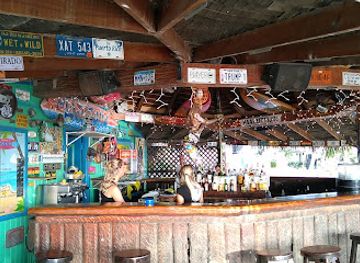
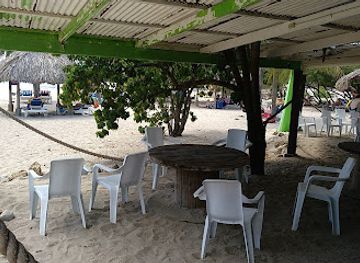
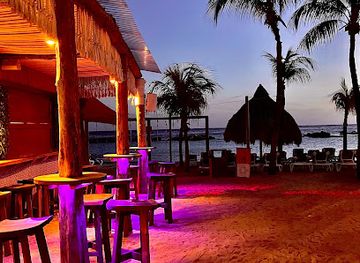
Boca Pistol has no nightlife infrastructure and becomes a quiet, dark coastal landscape after the park’s visiting hours. Evening entertainment is more likely to be found in the accommodation areas and settlements of western Curaçao than at the inlet itself. Westpunt, Lagun, Barber and Soto may offer relaxed bars, casual restaurants or local evening gatherings, but the atmosphere is generally low-key rather than club-oriented and availability can vary. Willemstad provides Curaçao’s broadest choice of late-night venues, but it is a considerable distance from Shete Boka and belongs to a separate urban setting. Visitors staying near the park may instead spend the evening at a guesthouse, resort or holiday property, listening to the wind and surf rather than expecting organised entertainment on the protected coast.
-
Bar
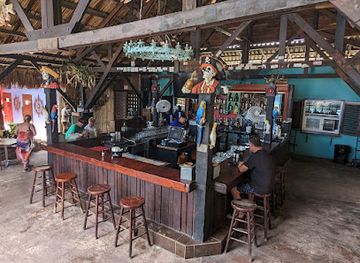
Pirate Bay Curaçao Beach Club and Restaurant
Experience the enchanting Caribbean charm at Pirate Bay Curaçao Beach Club and Restaurant, a perfect blend of relaxation, dining, and fun.
-
Restaurant
Karakter Beach - Lounge - Restaurant
Experience the best of Curacao at Karakter Beach - where exquisite dining meets stunning ocean views in a relaxing beach lounge atmosphere.
-
Bar
Wet & Wild Beach Club
Discover the vibrant atmosphere of Wet & Wild Beach Club in Willemstad, Curaçao, where relaxation meets excitement on the stunning Caribbean shore.
-
Bar
Daaibooi Beach Bar
Discover the vibrant Daaibooi Beach Bar in Curaçao, where refreshing drinks and stunning ocean views create the perfect tropical escape.
Best nightclubs in Boca Pistol
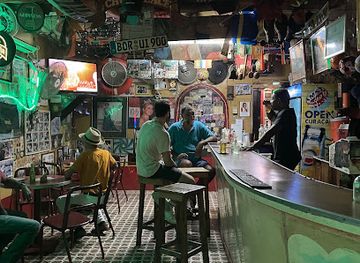
Boca Pistol has no nightlife infrastructure and becomes a quiet, dark coastal landscape after the park’s visiting hours. Evening entertainment is more likely to be found in the accommodation areas and settlements of western Curaçao than at the inlet itself. Westpunt, Lagun, Barber and Soto may offer relaxed bars, casual restaurants or local evening gatherings, but the atmosphere is generally low-key rather than club-oriented and availability can vary. Willemstad provides Curaçao’s broadest choice of late-night venues, but it is a considerable distance from Shete Boka and belongs to a separate urban setting. Visitors staying near the park may instead spend the evening at a guesthouse, resort or holiday property, listening to the wind and surf rather than expecting organised entertainment on the protected coast.
-
Bar
Netto Bar
Experience the vibrant nightlife at Netto Bar in Willemstad, Curaçao, where local culture meets refreshing cocktails and lively entertainment.
-
Gay bar
GAZE Bar & Lounge Curaçao
Discover the vibrant nightlife at GAZE Bar & Lounge, a premier gay bar in Curaçao, offering cocktails, live music, and an inclusive atmosphere.
-
Bar
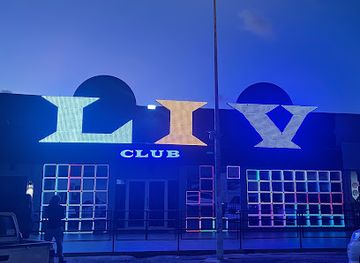
Club LIV Curaçao
Discover the electric nightlife at Club LIV Curaçao, where Caribbean beats and vibrant atmosphere create unforgettable memories.
-
Bar
Rif fort bar
Discover the lively Rif Fort Bar in Otrobanda, Curaçao, where refreshing drinks and stunning views create an unforgettable experience.

Best shops in Boca Pistol
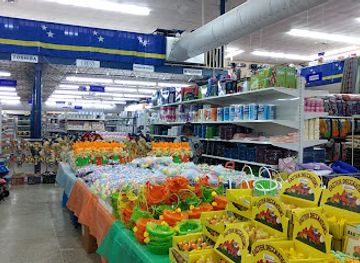
Shopping at Boca Pistol is limited to whatever visitor facilities may be available at the wider Shete Boka entrance, so the site should not be approached as a retail destination. Practical supplies are more readily obtained in Willemstad or in western settlements such as Barber and Westpunt, where small shops and larger visitor businesses serve local communities and travellers. Curaçaoan products that visitors may encounter elsewhere on the island include local food specialities, arts and crafts, island-produced liqueurs, ceramics, textiles and artwork, though availability differs between businesses. Farm stalls and small roadside sellers can appear in rural areas, but they are not guaranteed to operate at every visit. For substantial choice, independent shops and markets in Willemstad are more appropriate than the remote northern coast, while purchases in protected areas should never involve removing shells, stones, plants or other natural material.
-
Shopping mall
Renaissance Mall & Rif Fort
Explore the Renaissance Mall & Rif Fort, a vibrant shopping experience blending modern retail and historical charm in Willemstad, Curaçao.
-
Tourist attraction
Boka Pistol
Explore Boka Pistol: A breathtaking coastal paradise in Curaçao, perfect for snorkeling, hiking, and soaking in stunning Caribbean views.
-
Department store
La Curacao
Discover a world of shopping at La Curacao in Willemstad, offering everything from electronics to household goods in a vibrant atmosphere.
-
Clothing store
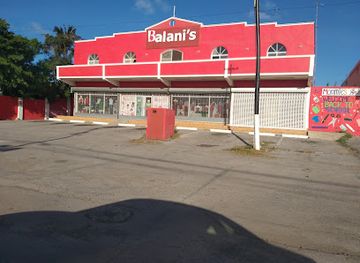
Balani's
Explore unique fashion and local craftsmanship at Balani's, the go-to clothing store in Willemstad, Curaçao, where style meets island culture.
Get your free copy of our complete guide to Boca Pistol, delivered straight to you.
Everything on this page, from attractions and restaurants to essentials and local phrases, in one PDF you can read offline, print or share.
Already have an account? Sign in
Your Boca Pistol guide is ready.
We'll send it to · Not you? Sign out

Getting your guide ready…
We are putting together a fresh copy of the Boca Pistol guide. This can take up to a minute.
This can take a few moments. If your browser asks, choose Allow so the download can start. You'll find the guide in your Downloads folder.
Nothing happened? Download it again
Sorry, the guide is taking longer than usual. Please try again in a minute, or get it by email instead.
Boca Pistol essentials
Currency and Payment
Safety
Emergency Situations
Do's and Don'ts
Local Tips
From Eve
Local phrases worth knowing
You don't need to get them perfect. A few words go a long way, and locals appreciate the effort.
Basics
| English | Local | Say it |
|---|---|---|
| Hello | Bon dia | [bon dee-ah] |
| Goodbye | Ayo | [ah-yo] |
| Yes | Si | [see] |
| No | No | [no] |
| Please/You're welcome | Por fabor | [por fa-bor] |
| Thank you | Danki | [dahn-kee] |
| Excuse me/Sorry | Pardon | [par-don] |
| How are you? | Kon ta bai? | [kohn tah by] |
| Fine. And you? | Bon. I boso? | [bon. ee boh-soh?] |
| Do you speak English? | Bo ta papia Ingles? | [boh tah pah-pee-ah een-gles?] |
| I don't understand | Mi no ta kompronde | [mee noh tah kohm-prohn-deh] |
Eating & Drinking
| English | Local | Say it |
|---|---|---|
| I'd like to see the menu, please | Mi ke mira e menu, por fabor | [mee keh mee-rah eh meh-noo por fa-bor] |
| I don't eat meat | Mi no ta kome karni | [mee noh tah koh-meh kahr-nee] |
| Cheers! | Salud! | [sah-lood] |
| I would like to pay, please | Mi ke paga, por fabor | [mee keh pah-gah por fa-bor] |
Emergencies
| English | Local | Say it |
|---|---|---|
| Help! | Yudami! | [yoo-dah-mee] |
| Go away! | Bai for di aki! | [bahy for dee ah-kee] |
| Call the Police! | Yama polis! | [yah-mah poh-lees] |
| Call a doctor! | Yama un dòkter! | [yah-mah oon dock-ter] |
| I'm lost | Mi a perde | [mee ah pehr-deh] |
| I'm ill | Mi ta malu | [mee tah mah-loo] |
Shopping
| English | Local | Say it |
|---|---|---|
| I'd like to buy... | Mi ke kumpra... | [mee keh koom-prah] |
| I'm just looking | Mi ta solamente mira | [mee tah soh-lah-men-teh mee-rah] |
| How much is it? | Kuantu esaki ta kost'é? | [kwan-too eh-sah-kee tah kohs-teh] |
| That's too expensive | Esaki ta muchu karu | [eh-sah-kee tah moo-choo kah-roo] |
| Can you lower the price? | Bo por baisa e preis? | [boh por bahy-sah eh preys] |
Time & Numbers
| English | Local | Say it |
|---|---|---|
| What time is it? | Kuantu ora e ta? | [kwan-too oh-rah eh tah] |
| It's one o'clock | E ta un ora | [eh tah oon oh-rah] |
| Half past (10) | Mitad di dies | [mee-tahd dee dees] |
| Morning | Mardugá | [mahr-doo-gah] |
| Afternoon | Atardi | [ah-tahr-dee] |
| Evening | Anochi | [ah-noh-chee] |
| Yesterday | Ayera | [ah-ye-rah] |
| Today | Awe | [ah-weh] |
| Tomorrow | Mañana | [mah-nyah-nah] |
| 1 | Un | [oon] |
| 2 | Dòs | [dohs] |
| 3 | Tres | [trehs] |
| 4 | Kuater | [kwah-ter] |
| 5 | Sinku | [seen-koo] |
| 6 | Seis | [seys] |
| 7 | Siete | [syeh-teh] |
| 8 | Ocho | [oh-choh] |
| 9 | Nuebe | [nweh-beh] |
| 10 | Dies | [dees] |
Transport & Directions
| English | Local | Say it |
|---|---|---|
| Where's a/the...? | Unda ta e...? | [oon-dah tah eh] |
| What's the address? | Kiko ta e adres? | [kee-koh tah eh ah-drehs] |
| Can you show me (on the map)? | Bo por mustra mi (riba e map)? | [boh por moos-trah mee ree-bah eh map] |
| When's the next (bus)? | Ora ta bini e siguiente (bus)? | [oh-rah tah bee-nee eh see-gwee-ehn-teh bus] |
| A ticket (to ....) | Un ticket (pa ....) | [oon tee-keh (pah)] |
History of Boca Pistol
A Coast Shaped by Sea and Stone
Boca Pistol belongs to Curaçao’s rugged northern coastline, where marine erosion has carved openings, ledges and caves into the island’s coastal rock. The name refers to the forceful jets of water produced when waves enter the narrow inlet and are expelled upwards, an effect created by the relationship between swell, wind and the shape of the rocks. This is geological change on a much longer timescale than human history: the coastline continues to be remodelled by storms, salt spray and repeated wave impact.
Indigenous Curaçao
Before European colonisation, Curaçao was inhabited by Indigenous peoples associated with the Caquetío, part of the wider Arawakan cultural world. Archaeological evidence elsewhere on the island records early occupation, movement and use of coastal and inland resources, although Boca Pistol itself is primarily known as a natural coastal feature rather than a major archaeological centre. The wider island landscape would have been understood through its water sources, rock shelters, bays and routes across the dry terrain.
Colonial Land Use and the Northern Coast
Spanish and later Dutch control brought Curaçao into Atlantic networks of shipping, trade and plantation agriculture. The dry western landscape was used for activities suited to its climate, including livestock keeping and the cultivation of hardy crops, while salt, fishing and maritime movement shaped other parts of the island. The exposed coast around the bokas remained comparatively remote, but it formed part of the broader landscape through which local communities travelled and obtained marine resources.
Protection Through Shete Boka
Modern recognition of the northern coast’s geological and ecological value led to the protection of Shete Boka National Park, which encompasses a chain of coastal inlets and adjoining dry terrain. Management has focused on allowing visitors to experience the surf and landforms while limiting damage to fragile habitats and hazardous cliff edges. Boca Pistol is now visited as part of this protected coastal landscape, where conservation, controlled access and nature-based tourism are more important than large-scale development.
Boca Pistol in Photos
Browse through our photo collection highlighting the charm and character of the destination.
Cities in Boca Pistol
The towns and cities of Boca Pistol, and the easiest places to base yourself.
-

-

-

-

-

-


Swipe for more cities
Neighbouring destination travel guides
The closest destinations to Boca Pistol, if you have time for more than one.
-

-

-

-

-


Swipe for more destinations
Explore more

Explore more of Band'abou
Band'abou, Curaçao’s western district, combines reef-fringed beaches, national parks, plantation history, hiking and quiet village life.
Explore Band'abou
Explore more of Curacao
Discover Curacao, where vibrant culture, stunning beaches, and historic charm come together to create a Caribbean paradise like no other.
Explore Curacao