Otrobanda: Willemstad's Vibrant Other Side
Discover Otrobanda, Willemstad: A vibrant UNESCO World Heritage site with colorful colonial architecture, captivating street art, and a rich cultural tapestry waiting to be explored.
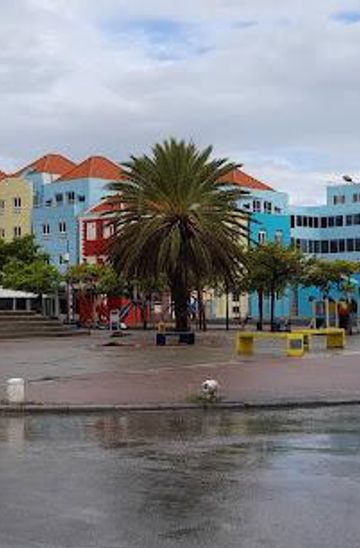
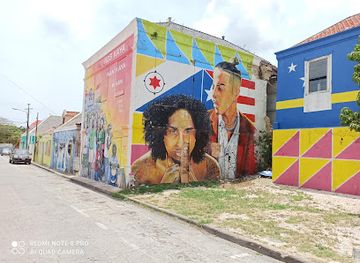
Otrobanda, meaning 'the other side' in Papiamentu, is a historic quarter of Willemstad, Curaçao, offering a captivating blend of colonial architecture, vibrant street art, and rich cultural experiences. Founded in 1707, this UNESCO World Heritage site boasts a unique atmosphere, distinct from the bustling Punda district across the Queen Emma Bridge. Wander through its narrow, winding streets, admire the colorful building facades, and discover hidden murals that depict Curaçaoan life. Visit the Kura Hulanda Museum to delve into the island's complex history, or explore the modern Renaissance Mall & Rif Fort for shopping and dining. As the sun sets, Otrobanda comes alive with music, dance, and the enticing aromas of local cuisine, providing a sensory-rich immersion into Curaçaoan culture. Whether you're interested in history, art, or simply soaking up the island vibes, Otrobanda promises an unforgettable experience.
A brief summary to Otrobanda
- Willemstad, Otrobanda, CW

Know before you go
Hi, I'm Eve. Here are a few practical things to know before exploring Otrobanda.
- Explore beyond the main streets to discover hidden murals and local shops tucked away in the narrow alleys.
- Visit the Kura Hulanda Museum to gain a deeper understanding of Curaçao's history and its role in the transatlantic slave trade.
- Enjoy the sunset from the Rif Fort, offering panoramic views of Willemstad and the Caribbean Sea.
- Sample local cuisine at one of Otrobanda's many restaurants, trying traditional dishes like keshi yena (stuffed cheese) or funchi (cornmeal porridge).
- Take a walking tour to learn about the history and culture of Otrobanda from a knowledgeable local guide.
Do you manage this location?
Take control to get all the benefits, like improved information, better appearance, and stronger visibility across AI-powered discovery. Learn more
Activate your presenceOther nearby places you may find interesting
Getting There
-
Walking
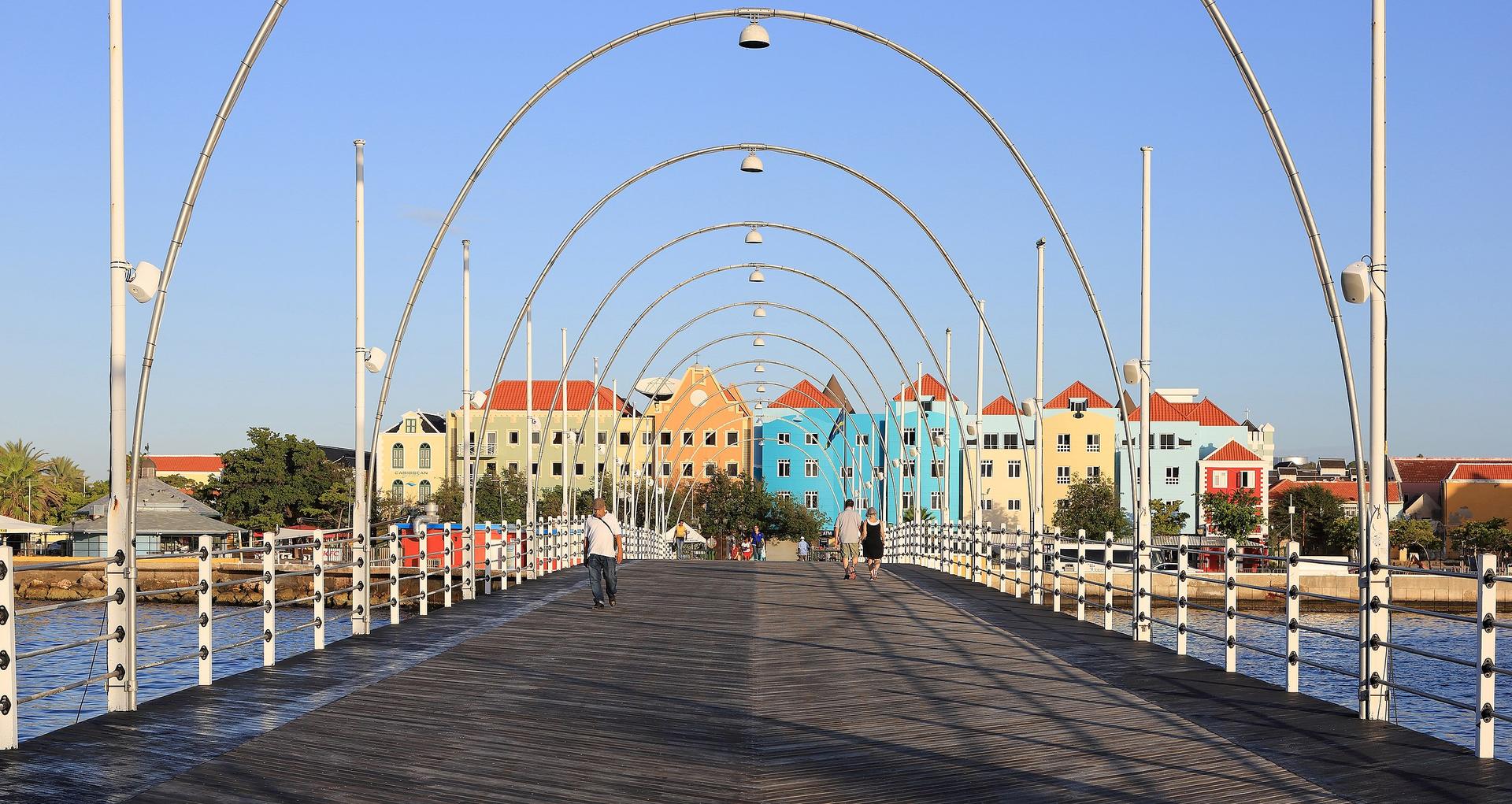
From the Punda side of Willemstad, cross the Queen Emma Bridge (also known as the 'Swinging Old Lady') to reach Otrobanda. The bridge is a pedestrian-only pontoon bridge that swings open to allow ships to pass. The walk across the bridge offers stunning views of St. Anna Bay and the colorful waterfront buildings. The crossing is free.
-
Public Transport
If arriving by bus from other parts of Curaçao, disembark at the Otrobanda bus terminal (also known as 'AWASA'), located next to the underpass. From the terminal, Otrobanda's main attractions are within easy walking distance. Bus fares within the city are typically ANG 2.00 - ANG 2.50. You can pay cash on the bus.
-
Taxi/Ride-Share
Taxis are readily available throughout Willemstad. A taxi from Punda to Otrobanda will cost approximately ANG 25-55. Ensure the driver is using a government-issued fixed rate card and agree on the fare before starting your journey. Note that fares may increase by 25% at night or with more than 4 passengers. Tipping 10% is customary.
-
Driving
If driving, paid parking is available in Otrobanda. You can park at 'the movies @ otrobanda' or the casino next to it. Alternatively, you can park in the parking garage of the Renaissance Mall & Rif Fort. Be aware of the reintroduction of paid parking in Willemstad, covering Punda and Otrobanda, starting October 15th, 2024. Parking meters are available with flexible payment options, including contactless payment, Smart One cards, and the FlowbirdApp E.Wallet.
Discover more about Otrobanda
Explore the best of what Otrobanda has to offer













More about Otrobanda
Discover Otrobanda in Curacao: A colorful, historic neighborhood rich in culture, architecture, and local cuisine, offering unique experiences for every traveler.
Tell me more about Otrobanda
Discover the vibrant Curaçao Cruise Terminal, your gateway to stunning beaches, rich culture, and unforgettable island experiences.
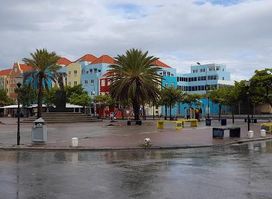
Explore Otrobanda, Willemstad: A vibrant UNESCO World Heritage Site with colorful colonial architecture, rich history, captivating street art, and a lively cultural scene.