

Otrobanda, Curacao Travel Guide
Discover Otrobanda in Curacao: A colorful, historic neighborhood rich in culture, architecture, and local cuisine, offering unique experiences for every traveler.
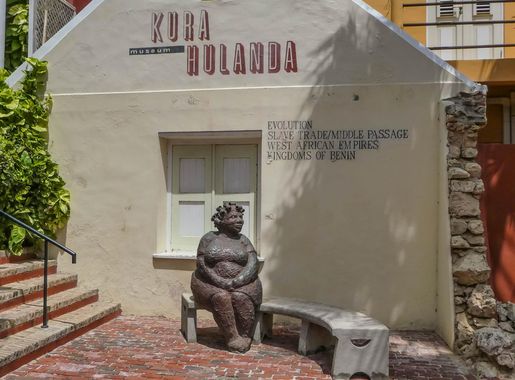
Otrobanda, meaning 'The Other Side,' is a vibrant neighborhood in Willemstad, the capital city of Curacao. Known for its colorful colonial architecture, Otrobanda stands as a testament to the island's rich history and culture. The area is filled with narrow streets and alleys that invite tourists to wander and explore. Each turn reveals beautifully restored buildings, lively murals, and hidden courtyards. One of the highlights of Otrobanda is the Kura Hulanda Museum, which offers an in-depth look at the African diaspora and the history of slavery in the Caribbean. The museum is set in a series of restored 18th and 19th-century buildings, offering both historical insight and architectural beauty. Another must-visit is the Queen Emma Bridge, also known as the 'Swinging Old Lady.' This floating bridge connects Otrobanda to Punda, another historic district in Willemstad, and provides stunning views of the harbor. Otrobanda is also a hub for local cuisine and nightlife. Many traditional restaurants serve delicious seafood and local dishes like 'keshi yena' and 'stoba.' As the sun sets, the area comes alive with music and dance, offering tourists a chance to experience the vibrant local culture. Whether you're interested in history, architecture, or simply soaking up the local atmosphere, Otrobanda has something to offer everyone.

Know before you go
Hi, I'm Eve. Here are a few practical things to know before exploring Otrobanda.
- Visit the Kura Hulanda Museum early in the day to avoid crowds and take your time exploring the exhibits.
- Wear comfortable shoes for walking as the streets are narrow and often cobblestoned.
- Cross the Queen Emma Bridge in the evening for a stunning view of the illuminated harbor.
- Try local dishes at small, family-run restaurants for an authentic culinary experience.
- Keep some cash on hand as not all local vendors accept credit cards.
Explore Otrobanda: Things to Do, Places to Eat, Hotels & More
Handpicked recommendations for top attractions, local dining, accommodations, and more

Top Attractions & Sightseeing in Otrobanda
Top-rated picks
Best Attractions

Cruise Pier Curaçao
Experience the vibrant atmosphere of Cruise Pier Curaçao, where stunning scenery meets local culture in the heart of Willemstad.

MV Superior Producer - Curaçao Iconic Shipwreck
Explore the MV Superior Producer Shipwreck in Curaçao, a diver's paradise filled with history and vibrant marine life.

Parke Leyba
Discover the tranquil beauty of Parke Leyba in Willemstad, Curaçao—a perfect blend of nature and relaxation in a vibrant Caribbean setting.

Rif Old City Otrobanda
Discover the vibrant heart of Curaçao in Rif Old City Otrobanda, a UNESCO World Heritage site brimming with colorful architecture, rich history, and captivating street art.

Best landmarks in Otrobanda
Top-rated picks
Best Landmarks

Curaçao Cruise Terminal
Discover the stunning Curaçao Cruise Terminal, your gateway to the vibrant culture, history, and natural beauty of this Caribbean paradise.

Brión Square
Experience the vibrant atmosphere of Brión Square in Willemstad, a cultural hub filled with history, local food, and stunning views of Curaçao.

The Curaçao Museum
Explore the vibrant culture and rich history of Curaçao at The Curaçao Museum, a must-visit destination in Willemstad.

Curaçao Sign
Experience the vibrant spirit of Curaçao at the iconic Curaçao Sign, a must-visit landmark in Willemstad for unforgettable photos and cultural immersion.

Best restaurants in Otrobanda
Top-rated picks
Best Restaurants
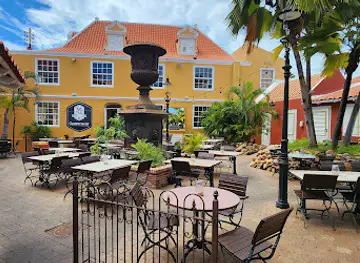
Restaurant & Café Gouverneur De Rouville
Experience authentic Curaçaoan cuisine at Restaurant & Café Gouverneur De Rouville in Willemstad—where flavor meets stunning waterfront views.

Iguana Café
Experience authentic Caribbean flavors at Iguana Café in Willemstad – where great food meets stunning waterfront views.
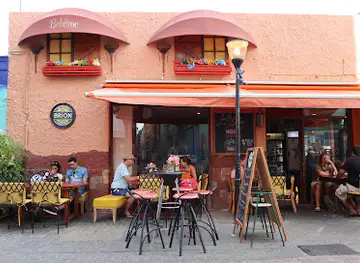
La Bohème Curaçao
Discover La Bohème Curaçao: A vibrant dining destination offering delicious Caribbean cuisine in the heart of Willemstad.

Steak & Ribs
Discover unparalleled flavors at Steak & Ribs in Willemstad – where every bite tells a story of Caribbean culinary mastery.

Best bars in Otrobanda
Top-rated picks
Best Bars

Restaurant & Café Gouverneur De Rouville
Experience the vibrant flavors of Curaçao at Restaurant & Café Gouverneur De Rouville, where culinary delight meets stunning harbor views.

Iguana Café
Discover the vibrant flavors of the Caribbean at Iguana Café, a must-visit culinary gem in Willemstad, Curaçao, offering stunning waterfront views.

La Bohème Curaçao
Discover La Bohème Curaçao—where Caribbean culinary delights meet a cozy atmosphere perfect for breakfast, brunch, and lunch.
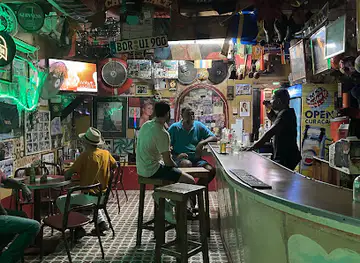
Netto Bar
Discover the unique charm of Netto Bar in Willemstad, Curaçao - a vibrant spot for cocktails, local culture, and unforgettable experiences.

Best nightclubs in Otrobanda
Top-rated picks
Best Nightclubs

Wet & Wild Beach Club
Experience the vibrant atmosphere and tropical flavors at Wet & Wild Beach Club, Curaçao's ultimate beach destination.

Netto Bar
Discover the vibrant nightlife at Netto Bar in Willemstad, Curaçao, where refreshing drinks and a lively atmosphere await.

Cafe De Tijd
Experience the lively nightlife and vibrant atmosphere of Cafe De Tijd in Willemstad, a must-visit night club for tourists and locals alike.

Doo-shee cocktail bar
Experience the vibrant nightlife of Willemstad at Doo-shee Cocktail Bar, where exceptional cocktails and a lively atmosphere await you.

Best shops in Otrobanda
Top-rated picks
Best Shops

Renaissance Mall & Rif Fort
Discover the Renaissance Mall & Rif Fort in Willemstad, Curaçao – a unique blend of shopping, dining, and local culture.

Sambil Curacao
Discover the vibrant shopping experience at Sambil Curacao, where local charm meets international brands in a tropical paradise.

Penha Duty Free Curacao in Punda
Discover a premier shopping destination in the heart of Willemstad, offering luxurious perfumes, cosmetics, and liquors at unbeatable duty-free prices.

Colon Winkelcentrum
Discover a shopping paradise at Colon Winkelcentrum in Willemstad, where local charm meets international retail in a vibrant atmosphere.

Explore Otrobanda on the Map
A handpicked selection of must-see spots in Otrobanda, mapped for you.
Otrobanda Essentials
-
Otrobanda is located in Willemstad, the capital of Curaçao. The nearest airport is Hato International Airport (CUR), situated about 10 kilometers from Otrobanda. From the airport, you can take a taxi, which takes approximately 15-20 minutes to reach Otrobanda. Alternatively, you can rent a car at the airport for more flexibility during your stay.
-
Otrobanda is compact and many attractions are within walking distance. To explore further, local buses (called 'konvoois') are available and connect different parts of Willemstad. Taxis are also readily available, but make sure to agree on a fare before starting your journey as they do not use meters. Renting a bicycle is another wonderful way to explore the area at your own pace.
-
The official currency of Curaçao is the Netherlands Antillean Guilder (ANG), also known as the florin. US dollars are widely accepted, and most establishments accept major credit cards. ATMs are plentiful in Otrobanda, so withdrawing cash is convenient. However, it's good to have some local currency for smaller vendors and markets.
-
Otrobanda is generally safe for tourists, but it’s wise to exercise standard precautions. Avoid walking alone at night in poorly lit areas. Petty theft, such as pickpocketing, can occur in crowded places, so keep your belongings secure. Areas to be cautious of include the backstreets and less populated areas at night.
-
In case of an emergency, dial 911 for police, fire, or medical assistance. The primary hospital in Willemstad is St. Elisabeth Hospital, located nearby in Otrobanda. For minor health issues, there are several pharmacies in the area. It is recommended to have travel insurance that covers medical emergencies.
-
Fashion: Do dress comfortably and according to the warm climate. Avoid overly revealing clothing when visiting religious sites. Religion: Do respect local customs and traditions. Entering churches should be done quietly and respectfully. Public Transport: Do be patient and courteous when using local buses. Don't eat or drink on public transport. Greetings: Do greet locals with a friendly 'Bon dia' (Good day) or 'Bon tardi' (Good afternoon). A handshake is common. Eating & Drinking: Do try local dishes like 'Keshi Yena' and 'Funchi.' Don't refuse food offerings as it can be considered impolite.
-
To experience Otrobanda like a local, visit the floating market where Venezuelan merchants sell fresh produce. Walk through the narrow streets to admire the colorful colonial architecture. Engage with the locals as they are friendly and often willing to share interesting stories about the history of Otrobanda. Don't miss the opportunity to experience live music at local bars and restaurants for a taste of the island's vibrant culture.
When is the best time to visit Otrobanda?
Useful Local Phrases for Otrobanda
You don't need to speak the language perfectly. Even learning a few simple words can make conversations warmer—and locals usually appreciate the effort.
— Eve

Here are the phrases I use most often in Otrobanda. Try a few—you'll be surprised how far they go! 😊
❤️
-
- HelloHalo
[ha-lo] - GoodbyeAyo
[ah-yo] - YesSi
[see] - NoNo
[no] - Please/You’re welcomePor fabor
[por fah-bor] - Thank youDank you
[dank yu] - Excuse me/SorryDesculpa
[des-kool-pah] - How are you?Kon ta?
[kon tah] - Fine. And you?Bon. I ta?
[bown. ee tah] - Do you speak English?Bo ta papia Papiamento?
[bo tah pah-pee-ah pah-pee-ah-men-toh] - I don't understandMi no ta komprondé
[mee no tah kom-pron-day]
- HelloHalo
-
- I’d like to see the menu, pleaseMi ke mira e menu, por fabor
[mee keh mee-rah eh meh-noo, por fah-bor] - I don’t eat meatMi no ta kome carne
[mee no tah koh-meh kar-neh] - Cheers!Salud!
[sah-lud] - I would like to pay, pleaseMi ke paga, por fabor
[mee keh pah-gah, por fah-bor]
- I’d like to see the menu, pleaseMi ke mira e menu, por fabor
-
- Help!Ayuda!
[ah-yoo-dah] - Go away!Bai awa!
[bye ah-wah] - Call the Police!Hama e Polisia!
[hah-mah eh poh-lee-syah] - Call a doctor!Hama un doktor!
[hah-mah oon dok-tor] - I’m lostMi ta perde
[mee tah pear-deh] - I’m illMi ta mal
[mee tah mahl]
- Help!Ayuda!
-
- I’d like to buy...Mi ke compra...
[mee keh kom-prah] - I’m just lookingMi ta solamente mira
[mee tah so-la-men-teh mee-rah] - How much is it?Kuanto ta?
[kwahn-toh tah] - That’s too expensiveEso ta demasiado caro
[eh-soh tah deh-mah-si-ah-doh kah-roh] - Can you lower the price?Bo por baja e precio?
[bo por bah-hah eh preh-syo]
- I’d like to buy...Mi ke compra...
-
- What time is it?Kiko ora ta?
[kee-koh oh-rah tah] - It’s one o’clockTa un ora
[tah oon oh-rah] - Half past (10)Mediu pas (10)
[meh-dee-yoo pahs (diez)] - MorningMañana
[mah-nyah-nah] - AfternoonTarde
[tahr-deh] - EveningAnochi
[ah-noh-chee] - YesterdayAyer
[ah-yer] - TodayAwor
[ah-wor] - TomorrowMañana
[mah-nyah-nah] - 1Un
[oon] - 2Dos
[dohs] - 3Tres
[tres] - 4Cuatro
[kwah-troh] - 5Cinco
[seen-koh] - 6Seis
[says] - 7Siete
[syay-teh] - 8Ocho
[oh-choh] - 9Nueve
[nweh-veh] - 10Diez
[diez]
- What time is it?Kiko ora ta?
-
- Where's a/the...?Unda ta un/di...?
[oon-dah tah oon/dee] - What's the address?Kiko ta e adres?
[kee-koh tah eh ah-dres] - Can you show me (on the map)?Bo por mustra mi (riba e mapa)?
[bo por moos-trah mee (ree-bah eh mah-pah)] - When's the next (bus)?Kando ta e proksimo (bus)?
[kan-do tah eh prok-see-mo (boos)] - A ticket (to ....)Un tiket (pa....)
[oon tee-ket (pah....)]
- Where's a/the...?Unda ta un/di...?
History of Otrobanda
-
Otrobanda, meaning 'The Other Side' in Papiamentu, was established in 1707 as the western part of Willemstad, the capital of Curacao. It was created to accommodate the overflow population from the more established Punda district on the eastern side of St. Anna Bay. This area quickly developed its own unique character and became an essential part of the island's history.
-
Otrobanda is renowned for its unique blend of Dutch colonial architecture and Caribbean influences. The district features a range of colorful buildings with steep gabled roofs, ornate facades, and intricate detailing. Many of these structures are protected as UNESCO World Heritage Sites, reflecting the area's rich architectural heritage.
-
One of the most vibrant aspects of Otrobanda's culture is the Floating Market. Vendors from Venezuela and other neighboring regions sail to Curacao to sell fresh produce, fish, and other goods directly from their boats. This market has been a staple of local life for decades, adding a unique and bustling atmosphere to the district.
-
Otrobanda played a significant role during the era of the transatlantic slave trade. Curacao was a major hub for the Dutch West India Company's slave trade operations. The district was home to many warehouses and auction sites where enslaved Africans were bought and sold. This dark chapter in Otrobanda's history is remembered through various monuments and museums in the area.
-
Over the centuries, Otrobanda has become a melting pot of cultures. The district is home to descendants of African slaves, Dutch settlers, Sephardic Jews, and other immigrant communities. This diverse cultural tapestry is reflected in the area's vibrant festivals, music, and cuisine, making Otrobanda a living testament to Curacao's multicultural heritage.
-
The Queen Emma Bridge, also known as the 'Swinging Old Lady,' connects Otrobanda to Punda. Built in 1888, this floating pontoon bridge is a significant historical landmark and a vital link between the two districts. The bridge swings open to allow ships to pass through, offering both a practical function and a charming spectacle for visitors.
-
In recent years, Otrobanda has undergone significant restoration and revitalization efforts. Historic buildings have been renovated, new cultural spaces have emerged, and the area has seen a resurgence in tourism. These efforts aim to preserve Otrobanda's rich history while fostering a vibrant and sustainable future for the district.
Neighbouring Regions of Otrobanda
The closest regions to Otrobanda, if you have time for more than one.


Your all‑in‑one travel companion app
Explore expert travel guides, compare and book tours, experiences, hotels, and more—all from the palm of your hand. Download now for seamless trip planning wherever your wanderlust takes you.


Explore More of Curacao

Looking beyond Otrobanda? Discover Curacao for broader travel guides, local hot-spots, and regional highlights.
Explore CuracaoOtrobanda in Photos
Browse through our photo collection highlighting the charm and character of the destination.


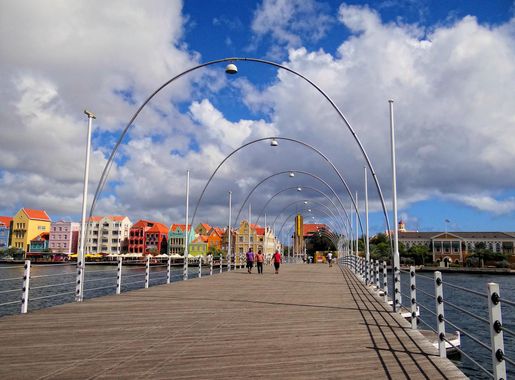


The Colorful Heart of Otrobanda, Curacao
Otrobanda, meaning 'The Other Side,' is a vibrant neighborhood in Willemstad, the capital city of Curacao. Known for its colorful colonial architecture, Otrobanda stands as a testament to the island's rich history and culture. The area is filled with narrow streets and alleys that invite tourists to wander and explore. Each turn reveals beautifully restored buildings, lively murals, and hidden courtyards. One of the highlights of Otrobanda is the Kura Hulanda Museum, which offers an in-depth look at the African diaspora and the history of slavery in the Caribbean. The museum is set in a series of restored 18th and 19th-century buildings, offering both historical insight and architectural beauty. Another must-visit is the Queen Emma Bridge, also known as the 'Swinging Old Lady.' This floating bridge connects Otrobanda to Punda, another historic district in Willemstad, and provides stunning views of the harbor. Otrobanda is also a hub for local cuisine and nightlife. Many traditional restaurants serve delicious seafood and local dishes like 'keshi yena' and 'stoba.' As the sun sets, the area comes alive with music and dance, offering tourists a chance to experience the vibrant local culture. Whether you're interested in history, architecture, or simply soaking up the local atmosphere, Otrobanda has something to offer everyone.