

Cedar Valley Travel Guide - Free Web & App
Your ultimate guide to Cedar Valley. Discover top landmarks, proposed trips, and local tips. Free on the web or via the Evendo companion app.


Discover the tranquility of Cedar Valley in Cyprus, where lush greenery, majestic cedar trees, and historical landmarks create an unforgettable experience.
Read more about Cedar Valley
When is the best time to visit Cedar Valley?
Best: April–May, October · 21–29°C| Month | High (°C) | Rainfall (mm) |
|---|---|---|
| January | 17 | 68 |
| February | 17 | 57 |
| March | 18 | 45 |
| April (best) | 21 | 15 |
| May (best) | 27 | 8 |
| June | 32 | 2 |
| July | 35 | 1 |
| August | 35 | 1 |
| September | 33 | 6 |
| October (best) | 29 | 30 |
| November | 23 | 52 |
| December | 19 | 71 |
Getting to and around Cedar Valley
How to get there
Transportation
Best attractions in Cedar Valley
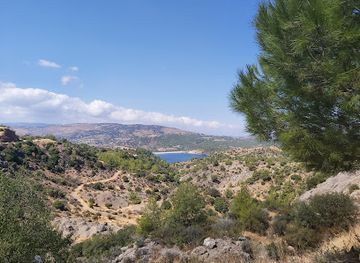
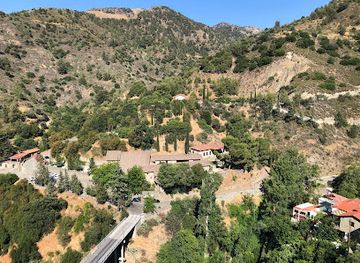
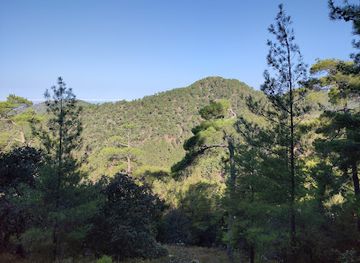
Cedar Valley in Cyprus offers a mesmerizing blend of natural beauty and historical significance. Visitors can explore the lush greenery of the valley, with its towering cedar trees and picturesque walking trails. The area is also home to ancient ruins, including the Temple of Aphrodite and the Adonis Baths, providing a glimpse into Cyprus' rich history. With its tranquil atmosphere and stunning scenery, Cedar Valley is a must-visit destination for nature lovers and history enthusiasts alike.
-
Tourist attraction
Paphos Forest
Discover Cyprus's hidden gem: Paphos Forest, a sprawling natural paradise with hiking trails, diverse wildlife, and ancient historical sites nestled in the Troodos Mountains.
-
Winery
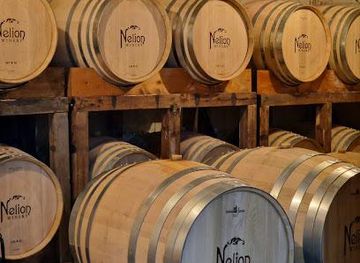
Nelion Winery
Discover the authentic taste of Cyprus at Nelion Winery, a family-run estate in the Diarizos Valley crafting exquisite wines from indigenous grapes amidst stunning vineyard views.
-
Park
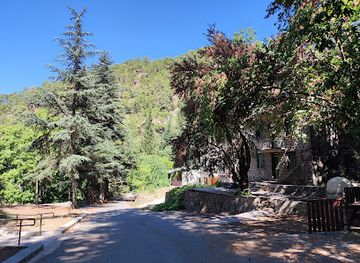
Εκδρομικός Χώρος Σταυρού της Ψώκας
Escape to the tranquil heart of Paphos Forest at Stavros tis Psokas Picnic Site, where nature's beauty meets recreational bliss, offering a serene retreat for all.
-
 Hiking area
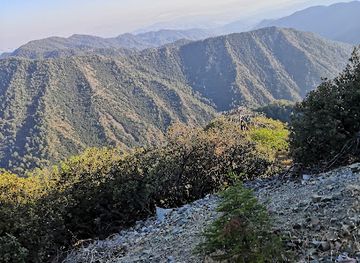
Selladi tou Stavrou trail
Hike through fragrant pine forests and discover panoramic views on the Selladi tou Stavrou Trail, a serene escape into the heart of Cyprus's Paphos Forest near Stavros tis Psokas.
Best landmarks in Cedar Valley
Cedar Valley in Cyprus offers visitors a mesmerizing journey through ancient history and natural beauty. From the majestic Cedar Forest, home to the legendary Cedar of Lebanon trees, to the mythical Baths of Aphrodite where the goddess of love is said to have bathed, visitors are immersed in a landscape steeped in ancient mythology and archaeological wonders. Explore the ruins of ancient temples and tombs, marvel at the stunning views of the surrounding mountains and valleys, and discover the rich cultural heritage of this enchanting region.
-
Monastery
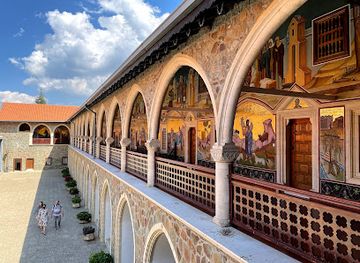
Kykkos Monastery
Discover the spiritual splendor and breathtaking beauty of Kykkos Monastery in the heart of Cyprus' Troodos Mountains.
-
Nature preserve
Paphos Forest
Discover the enchanting Paphos Forest – a nature lover's paradise in Cyprus with stunning landscapes and diverse wildlife.
-
Monastery
Monastery of Saint John Lampadistes
Explore a UNESCO World Heritage Site in Cyprus, featuring stunning Byzantine frescoes, rich history, and serene mountain views in the Troodos region.
-
Hiking area
Μονοπάτι Μελέτης της Φύσης Χορτερή - hiking route Chorteri nature trail
Explore the Chorteri Nature Trail in Cyprus, a scenic hiking area with stunning views, diverse wildlife, and an unforgettable outdoor experience.
Explore Cedar Valley on the map
Plan your trip on one map. See where the top attractions, landmarks, restaurants and hotels are, and book hotels and experiences in a few clicks.
Best hotels in Cedar Valley
Best restaurants in Cedar Valley
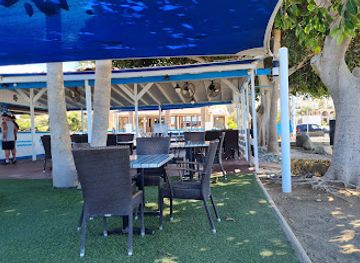
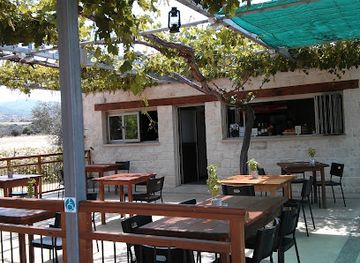
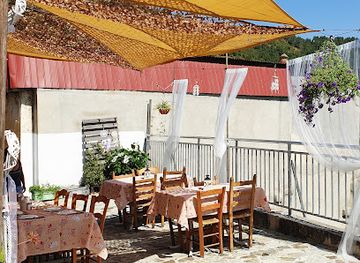
The dining scene in Cedar Valley offers a delightful mix of traditional Cypriot cuisine and international flavors, catering to a diverse range of tastes. Visitors can enjoy fresh seafood dishes at charming seaside tavernas, indulge in rich mezes and succulent grilled meats at cozy local restaurants, or savor gourmet fusion cuisine at upscale dining establishments. With picturesque views of the surrounding landscape and warm hospitality from the locals, dining in Cedar Valley is not just a meal, but a cultural experience that will leave visitors craving more.
-
Restaurant
Santa Barbara Resto & Beach Bar
Experience authentic Greek and Mediterranean flavors at Santa Barbara Resto & Beach Bar in Argaka, Cyprus—where every meal is a seaside celebration.
-
Restaurant
Half Way House Restaurant
Experience authentic Cypriot cuisine with stunning beach views at Half Way House Restaurant in Argaka.
-
Restaurant
Το Στέκι της Τσακκίστρας
Experience authentic Cypriot cuisine at Το Στέκι της Τσακκίστρας - where tradition meets taste in Tsakistra.
Get your free copy of our complete guide to Cedar Valley, delivered straight to you.
Everything on this page, from attractions and restaurants to essentials and local phrases, in one PDF you can read offline, print or share.
Already have an account? Sign in
Your Cedar Valley guide is ready.
We'll send it to · Not you? Sign out

Getting your guide ready…
We are putting together a fresh copy of the Cedar Valley guide. This can take up to a minute.
This can take a few moments. If your browser asks, choose Allow so the download can start. You'll find the guide in your Downloads folder.
Nothing happened? Download it again
Sorry, the guide is taking longer than usual. Please try again in a minute, or get it by email instead.
Cedar Valley essentials
Currency and Payment
Safety
Emergency Situations
Do's and Don'ts
Local Tips
From Eve
Local phrases worth knowing
You don't need to get them perfect. A few words go a long way, and locals appreciate the effort.
Basics
| English | Local | Say it |
|---|---|---|
| Hello | Γεια σας | [Ya sas] |
| Goodbye | Αντίο | [An-dio] |
| Yes | Ναι | [Ne] |
| No | Όχι | [Ohi] |
| Please/You're welcome | Παρακαλώ | [Pa-ra-ka-lo] |
| Thank you | Ευχαριστώ | [Ef-ha-ri-sto] |
| Excuse me/Sorry | Συγγνώμη | [Si-gno-mi] |
| How are you? | Τι κάνετε; | [Ti ka-ne-te] |
| Fine. And you? | Καλά. Εσείς; | [Ka-la. E-sis] |
| Do you speak English? | Μιλάτε Αγγλικά; | [Mi-la-te An-gli-ka] |
| I don't understand | Δεν καταλαβαίνω | [Den ka-ta-la-ve-no] |
Eating & Drinking
| English | Local | Say it |
|---|---|---|
| I'd like to see the menu, please | Θα ήθελα να δω το μενού, παρακαλώ | [Tha i-the-la na tho to me-noo, pa-ra-ka-lo] |
| I don't eat meat | Δεν τρώω κρέας | [Den tro-o kre-as] |
| Cheers! | ΥΓΕΙΑ! | [Yi-a] |
| I would like to pay, please | Θα ήθελα να πληρώσω, παρακαλώ | [Tha i-the-la na pli-ro-so, pa-ra-ka-lo] |
Emergencies
| English | Local | Say it |
|---|---|---|
| Help! | Βοήθεια! | [Vo-i-thi-a] |
| Go away! | Φύγε! | [Fi-ge] |
| Call the Police! | Καλέστε την Αστυνομία! | [Ka-les-te tin As-ti-no-mia] |
| Call a doctor! | Καλέστε ένα γιατρό! | [Ka-les-te e-na gia-tro] |
| I'm lost | Έχω χαθεί | [E-ho cha-thi] |
| I'm ill | Είμαι άρρωστος | [E-mai a-ro-stos] |
Shopping
| English | Local | Say it |
|---|---|---|
| I'd like to buy... | Θα ήθελα να αγοράσω... | [Tha i-the-la na a-gho-ra-so] |
| I'm just looking | Απλώς κοιτάω | [Ap-los ki-ta-o] |
| How much is it? | Πόσο κοστίζει; | [Po-so kos-ti-zi] |
| That's too expensive | Αυτό είναι πολύ ακριβό | [Au-to i-ne po-li a-kri-vo] |
| Can you lower the price? | Μπορείτε να μειώσετε την τιμή; | [Bo-rei-te na mi-o-se-te tin ti-mi] |
Time & Numbers
| English | Local | Say it |
|---|---|---|
| What time is it? | Τι ώρα είναι; | [Ti o-ra i-ne] |
| It's one o'clock | Είναι μία ώρα | [I-ne mia o-ra] |
| Half past (10) | Μισή (10) | [Mi-si (de-ka)] |
| Morning | Πρωί | [Pro-i] |
| Afternoon | Απόγευμα | [A-po-gev-ma] |
| Evening | Βράδυ | [Vra-di] |
| Yesterday | Χθες | [Hthes] |
| Today | Σήμερα | [Si-me-ra] |
| Tomorrow | Αύριο | [Au-rio] |
| 1 | Ένα | [E-na] |
| 2 | Δύο | [Thi-o] |
| 3 | Τρία | [Tri-a] |
| 4 | Τέσσερα | [Tes-se-ra] |
| 5 | Πέντε | [Pen-de] |
| 6 | Έξι | [E-xi] |
| 7 | Εφτά | [Ef-ta] |
| 8 | Οχτώ | [Oh-to] |
| 9 | Εννέα | [En-ne-a] |
| 10 | Δέκα | [De-ka] |
Transport & Directions
| English | Local | Say it |
|---|---|---|
| Where's a/the...? | Πού είναι ένα/το...; | [Pou i-ne e-na/to] |
| What's the address? | Ποια είναι η διεύθυνση; | [Pia i-ne i di-ef-thin-si] |
| Can you show me (on the map)? | Μπορείτε να μου δείξετε (στο χάρτη); | [Bo-rei-te na mu thi-xe-te (sto har-ti)] |
| When's the next (bus)? | Πότε είναι το επόμενο (λεωφορείο); | [Po-te i-ne to e-po-me-no (le-o-fo-ri-o)] |
| A ticket (to ....) | Ένα εισιτήριο (για...); | [E-na i-si-ti-rio (gia)] |
History of Cedar Valley
Ancient Origins and Early Settlements
Cedar Valley, nestled in the Troodos Mountains, has a rich history that dates back to ancient times. Archaeological evidence suggests that the area was inhabited by early settlers who were drawn to its fertile land and abundant natural resources. These early communities engaged in agriculture, herding, and small-scale mining, laying the groundwork for the valley's long-standing tradition of working with nature.
Byzantine Influence
During the Byzantine period, Cedar Valley became a significant site for religious and cultural development. The region saw the establishment of several monasteries and churches, some of which still stand today as testaments to the valley's spiritual heritage. The Byzantine influence is evident in the architectural styles and religious artifacts that have been preserved in the area.
The Era of Venetian Rule
In the 15th century, Cyprus came under Venetian rule, and Cedar Valley was no exception. The Venetians were keen on exploiting the natural resources of the region, particularly its abundant cedar trees, which were highly prized for shipbuilding. This period saw an increase in the extraction and exportation of cedar wood, which played a crucial role in Venetian naval dominance.
Ottoman Period
The Ottoman conquest of Cyprus in 1571 brought significant changes to Cedar Valley. The Ottomans introduced new agricultural practices and crops, such as tobacco and cotton, which flourished in the valley's climate. The population of the area grew as people migrated to Cedar Valley for its arable land and economic opportunities. Ottoman architectural influences can still be seen in some of the valley's older buildings.
British Colonial Era
Cedar Valley, like the rest of Cyprus, came under British control in 1878. The British administration focused on modernizing the infrastructure and improving the economic conditions of the region. Roads were built to connect the valley with other parts of the island, facilitating trade and travel. The British also promoted the cultivation of new crops and the conservation of the cedar forests, recognizing their ecological importance.
Modern-Day Conservation Efforts
In recent decades, Cedar Valley has become a focal point for environmental conservation efforts. Recognizing the ecological significance of the endemic Cyprus cedar (Cedrus brevifolia), local and international organizations have worked to protect and preserve the valley's unique flora and fauna. These efforts have turned Cedar Valley into a haven for nature lovers and ecotourists, who come to experience its pristine landscapes and rich biodiversity.
Cultural Traditions and Festivals
Cedar Valley is not just a place of natural beauty but also a hub of cultural traditions. The local communities celebrate various festivals throughout the year, showcasing traditional Cypriot music, dance, and cuisine. These events offer visitors a glimpse into the vibrant cultural life of the valley and the enduring customs that have been passed down through generations.
Cedar Valley in Photos
Browse through our photo collection highlighting the charm and character of the destination.
Cities in Cedar Valley
The towns and cities of Cedar Valley, and the easiest places to base yourself.

Swipe for more cities
Neighbouring destination travel guides
The closest destinations to Cedar Valley, if you have time for more than one.
-

-

-

-

-


Swipe for more destinations
Explore more

Explore more of Tylliria Region
Discover the untouched beauty and rich history of Tylliria Region in Cyprus, where serene landscapes meet ancient traditions and adventure awaits at every turn.
Explore Tylliria Region
Explore more of Cyprus
Discover Cyprus: A Mediterranean paradise with a rich tapestry of history, culture, and breathtaking landscapes, offering a perfect blend of relaxation and adventure.
Explore Cyprus