Background

Kamares Aqueduct: A Testament to Time

Discover the historical grandeur of the Kamares Aqueduct in Larnaca, Cyprus, a stunning example of ancient engineering, blending Roman and Ottoman influences, and offering a tranquil escape.

4.4

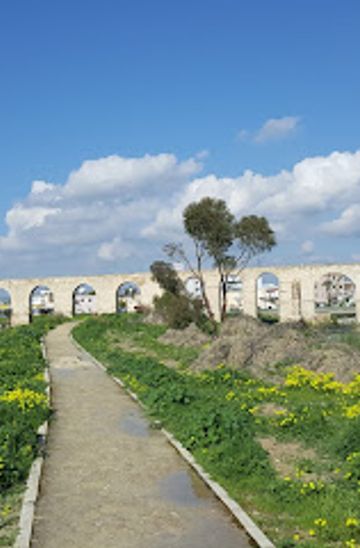
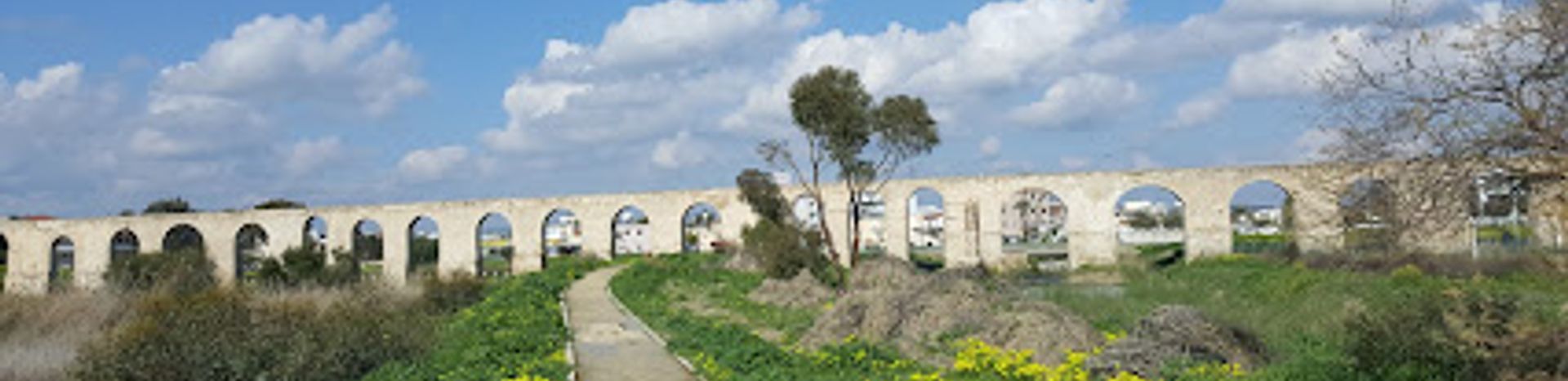
The Kamares Aqueduct, an iconic landmark of Larnaca, Cyprus, stands as a majestic reminder of historical engineering prowess. Constructed in 1746 by Ottoman Governor Bekir Pasha, this Roman-style aqueduct addressed Larnaca's critical need for a reliable freshwater supply, channeling water from the Tremithos River, some 10 km away. Featuring a series of elegant arches, the aqueduct showcases a blend of Roman and Ottoman architectural influences. Although it ceased operation in 1939, replaced by modern piping, its well-preserved arches continue to captivate visitors, offering a glimpse into the ingenuity of past civilizations. The surrounding area provides a tranquil setting for leisurely walks, photography, and reflection on Cyprus's rich cultural heritage. Illuminated at night, the Kamares Aqueduct presents a particularly enchanting spectacle, making it a must-see destination for history enthusiasts and casual travelers alike. The aqueduct is easily accessible and free to explore, providing a unique blend of historical significance and scenic beauty.

A brief summary to Kamares Aqueduct

  • Monday 12 am-12 am
  • Tuesday 12 am-12 am
  • Wednesday 12 am-12 am
  • Thursday 12 am-12 am
  • Friday 12 am-12 am
  • Saturday 12 am-12 am
  • Sunday 12 am-12 am

Local tips

  • Visit during the early morning or late afternoon for the best lighting for photography and to avoid the midday heat.
  • Combine your visit with a walk around the Larnaca Salt Lake to see the flamingos (seasonal) and explore the natural surroundings.
  • Wear comfortable shoes, as the area is ideal for walking and exploring the nearby park and cobbled paths.
  • Bring water and snacks, as there are limited facilities nearby, especially during off-peak seasons.
  • Check for local events or guided tours that may offer deeper insights into the aqueduct's history and significance.
widget icon

Getting There

  • Public Transport

    From Larnaca city center (Finikoudes Promenade), take bus number 420, 421, 448, 452, 455, 408, 410, 412, 413, or 414 from the Finikoudes Bus Stop to the Limassol Avenue 5 stop. The journey takes approximately 15-20 minutes. From there, it's a short walk to the Kamares Aqueduct. A single bus fare costs approximately €1.50, payable in cash on the bus.

  • Taxi/Ride-Share

    A taxi or ride-share from Larnaca city center to the Kamares Aqueduct typically takes 10-15 minutes, depending on traffic. Expect to pay around €8-€10 for the ride. Popular ride-sharing apps operate in Larnaca, offering a convenient alternative to traditional taxis.

  • Walking

    If you're up for a walk, you can reach the Kamares Aqueduct from Larnaca city center (Finikoudes Promenade) in approximately 30-40 minutes. Head west along the main road (towards Limassol), and follow the signs to the aqueduct. The walk is relatively straightforward and offers scenic views of the surrounding area.

  • Driving

    If driving from Larnaca city center, head southwest on the B1 road (Larnaca-Limassol highway). Take exit 78 towards Larnaca/Airport and continue on the road until you reach the Kamares Aqueduct on your right. Free parking is available near the site.

Unlock the Best of Kamares Aqueduct

Buy tickets

    No tickets available

Book tours with entry

    No tours available

Book tours without entry

    No tours available

Discover more about Kamares Aqueduct

The Kamares Aqueduct, also known as the Bekir Pasha Aqueduct, is a remarkable historical structure located on the outskirts of Larnaca, Cyprus. This impressive aqueduct, built in 1746 during the Ottoman period, stands as a testament to the engineering ingenuity required to solve the city's freshwater scarcity. Constructed under the patronage of Ottoman Governor Bekir Pasha, who personally funded the project, the Kamares Aqueduct represents a significant investment in the development and well-being of Larnaca. Prior to the aqueduct's construction, Larnaca struggled with limited access to fresh water, hindering its growth as a vital port city. Recognizing this critical need, Bekir Pasha initiated the construction of a water supply system based on traditional Roman engineering principles. The aqueduct was designed to transport water from the Tremithos River, approximately 10 kilometers away, using a series of arches that allowed water to flow naturally into the city through gravity. The name "Kamares" is derived from the Greek word for "arches," aptly describing the aqueduct's most distinctive architectural feature. Originally, the aqueduct comprised 75 arches, gracefully spanning the landscape and creating a visually striking structure. Constructed primarily from durable limestone, the aqueduct's design reflects a blend of Roman and Ottoman influences, showcasing the architectural styles prevalent during its construction. The arches not only served a functional purpose but also added to the aesthetic appeal of the structure, making it a prominent landmark in the region. The Kamares Aqueduct remained in operation until 1939, serving as Larnaca's primary water source for nearly two centuries. During this time, it played a crucial role in supporting the city's population, agriculture, and overall development. The aqueduct's reliable water supply contributed to Larnaca's prosperity as a major trading hub and port of call in the Eastern Mediterranean. With the advent of modern water infrastructure, the Kamares Aqueduct was eventually decommissioned, its function replaced by modern pipes and pumping systems. However, rather than being demolished or forgotten, the aqueduct was preserved as a historical monument, recognizing its cultural and architectural significance. Today, the Kamares Aqueduct stands as a popular tourist attraction, drawing visitors from around the world to admire its grandeur and learn about its history. The well-preserved arches offer excellent photo opportunities, particularly during sunset when the golden light bathes the structure in a warm glow. Visitors can stroll along the cobbled paths that run alongside the aqueduct, taking in the serene atmosphere and reflecting on the ingenuity of past generations. The surrounding area has been developed into a park, providing a tranquil setting for leisurely walks and picnics. The park connects to the Larnaca Salt Lake, offering visitors the opportunity to explore the natural beauty of the region and observe migratory birds, including flamingos, that frequent the lake during the winter months. The Kamares Aqueduct is not only a visual delight but also an educational resource, providing insights into the history of water management and engineering in Cyprus. Information boards are strategically placed along the site, offering details about the aqueduct's construction, function, and cultural significance. The Kamares Aqueduct is easily accessible from Larnaca city center, either by car, public transportation, or on foot. Its proximity to other attractions, such as the Larnaca Salt Lake and Hala Sultan Tekke mosque, makes it a convenient stop on any itinerary. Visiting the Kamares Aqueduct is a unique experience that combines history, architecture, and natural beauty. It is a testament to human ingenuity and a reminder of the importance of water as a life-sustaining resource. Whether you are a history enthusiast, a nature lover, or simply seeking a peaceful escape, the Kamares Aqueduct is a must-see destination in Cyprus that captures the essence of the island's rich cultural heritage. The Kamares Aqueduct stands as a symbol of Larnaca's past, present, and future, inviting visitors to step back in time and appreciate the enduring legacy of this remarkable structure. Its arches continue to inspire awe and wonder, reminding us of the ingenuity and resourcefulness of those who came before us. Preservation efforts are ongoing to ensure that the Kamares Aqueduct remains a historical landmark for generations to come. Restoration projects aim to maintain its original features and protect it from decay, ensuring that visitors can continue to enjoy its beauty and significance for years to come. The Kamares Aqueduct is more than just a collection of arches; it is a living monument that tells a story of innovation, resilience, and cultural exchange. It is a place where history comes alive, inviting visitors to connect with the past and appreciate the enduring legacy of this remarkable structure.

Popular Experiences near Kamares Aqueduct

Popular Hotels near Kamares Aqueduct

Select Currency