

Martinengo Bastion, Famagusta Travel Guide
Free Guide: Explore the imposing Martinengo Bastion in Famagusta, a remarkable example of Renaissance military architecture with panoramic views and a rich history dating back to the Venetian era.


A brief summary of Martinengo Bastion
Explore the imposing Martinengo Bastion in Famagusta, a remarkable example of Renaissance military architecture with panoramic views and a rich history dating back to the Venetian era.
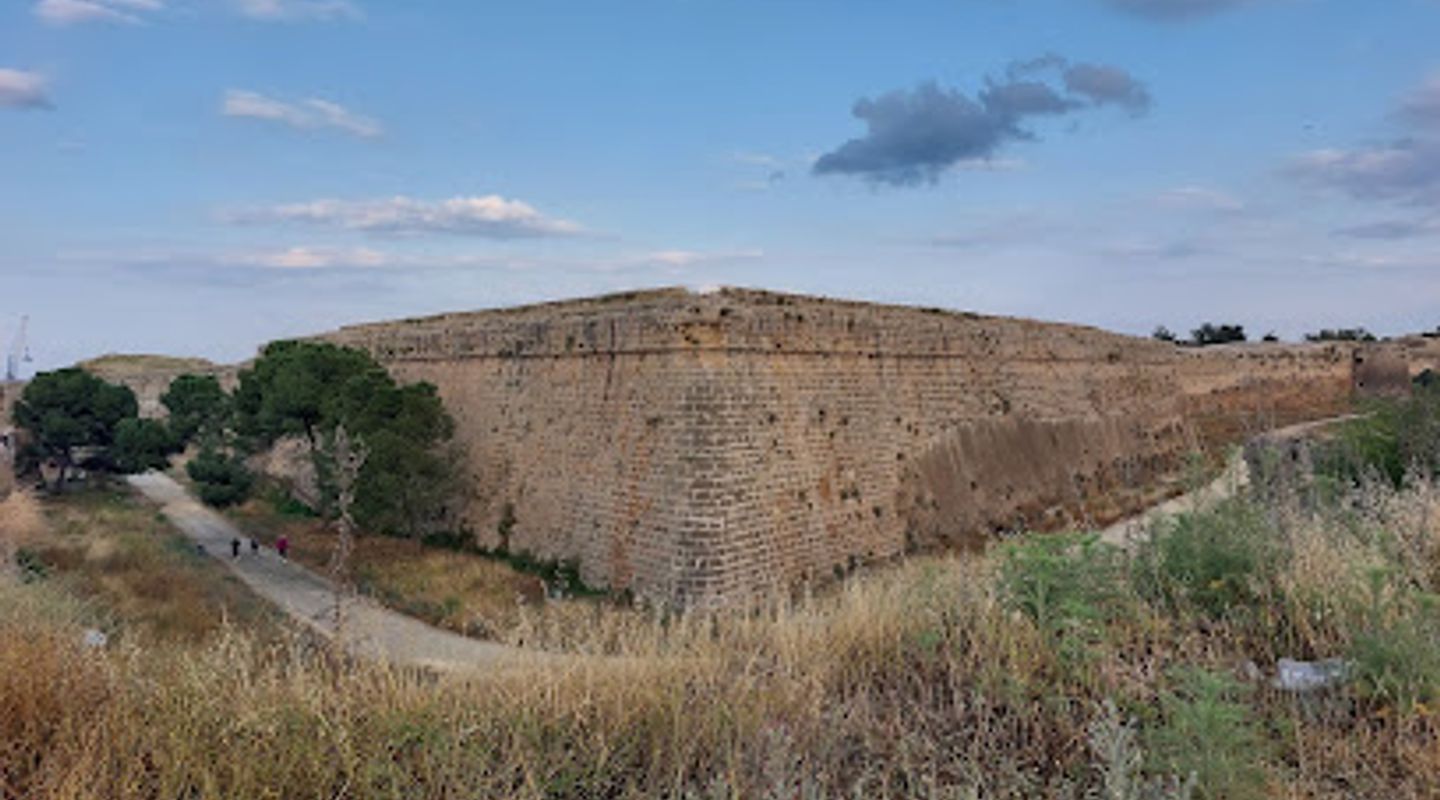
The Martinengo Bastion, a formidable arrowhead-shaped fortification in Famagusta, stands as a testament to Renaissance military architecture. Constructed in the 16th century by the Venetians, it was designed by Giovanni Girolamo Sanmicheli to bolster the city's defenses. Named after Hiernino Martinengo, a Venetian commander, the bastion's innovative design, featuring thick walls and strategic positioning, allowed for extensive fields of fire, making it a key element in Famagusta's defense against the Ottoman Empire. Today, visitors can explore its well-preserved structure, imagining the intense battles it once withstood and appreciating its architectural ingenuity. The bastion offers panoramic views of the city and the sea, providing a unique glimpse into Cyprus's rich and complex history, blending Venetian, Ottoman, and modern influences.
- Address
- 4WHP+75P, Hisar Yolu Sk, Gazimağusa 99450
Getting there
Walking
Public Transport
Taxi/Ride-Share
Driving
Discover more about Martinengo Bastion
Overview
Martinengo Bastion, also known as Tophane, is a remarkable example of Renaissance military architecture located in the northwest corner of the walled city of Famagusta, Cyprus. Constructed by the Venetians in the 16th century, this imposing bastion stands as a testament to the strategic importance of Famagusta and the advanced military engineering of the time. Its design, attributed to Giovanni Girolamo Sanmicheli, was inspired by the fortifications of Florence designed by Michelangelo, and it served as a prototype for fortifications across Europe and America. The bastion's construction began in 1550 and was completed in 1562, following Sanmicheli's death in 1559. It was named in honor of Hiernino Martinengo, a Venetian commander sent to reinforce Famagusta, though he died en route. The bastion's arrowhead shape, unique within the Famagusta city walls, allowed it to command a wide field of fire, providing a significant defensive advantage. Its thick walls, reaching up to six meters in some places, were built using earth as the primary material to absorb the impact of cannon fire. Wide ditches surrounded the structure, and its lower sections were integrated into the bedrock to prevent tunneling or mining by attackers. Inside the bastion, dual ramps provided easy access for horses and heavy munitions, enabling quick supply to the cannons positioned within. A curved passageway facilitated movement from one side of the bastion to the other, and chimneys were installed to ventilate gunpowder smoke. The bastion also included storage spaces for gunpowder barrels and cannonballs, ensuring a constant supply of ammunition during sieges. Martinengo Bastion played a crucial role in the defense of Famagusta during the Ottoman siege of 1570-1571. Despite being heavily outnumbered, the Venetian defenders held out for eleven months, thanks in part to the bastion's formidable defenses. The Ottomans themselves recognized the bastion's strength, referring to Famagusta as almost impregnable after finally capturing the city. Today, Martinengo Bastion is a popular tourist attraction, offering visitors a glimpse into the island's rich history and architectural heritage. The site has undergone restoration work to preserve its structure and enhance the visitor experience. Visitors can explore the bastion's interior, walk along its walls, and enjoy panoramic views of Famagusta and the surrounding area. The bastion's peaceful and secluded setting provides a stark contrast to its military past, making it a unique and thought-provoking destination. Within the bastion's grounds, visitors can also find two interesting churches, including the Armenian monastery of Ganchvor, built in 1346 by Armenian refugees. The Church of Our Lady of Mount Carmel, located next to the monastery, offers a contrasting architectural style. The bastion's location within the walled city also makes it a convenient starting point for exploring other historical landmarks, such as the Cathedral of St. Nicholas (Lala Mustafa Pasha Mosque), Othello Castle, and the Venetian Palace. Despite its historical significance, Martinengo Bastion remains relatively unknown to many visitors. Its distance from the city center and lack of prominent signage may contribute to its low profile. However, those who make the effort to visit will be rewarded with a fascinating glimpse into Cyprus's past and a deeper appreciation for the island's cultural heritage. The Martinengo Bastion stands not only as a monument to military engineering but also as a symbol of resilience and cultural exchange. Its Venetian origins, Ottoman history, and modern-day restoration reflect the diverse influences that have shaped Cyprus over the centuries. A visit to this remarkable site is an enriching experience for anyone interested in history, architecture, or the cultural heritage of the Mediterranean. Exploring the Martinengo Bastion offers a unique perspective on the history and strategic importance of Famagusta. The site's well-preserved structure, panoramic views, and peaceful atmosphere make it a must-see destination for travelers seeking to connect with the past and appreciate the beauty of Cyprus's cultural landscape. Whether you are a history enthusiast, an architecture lover, or simply looking for a tranquil escape, the Martinengo Bastion promises an unforgettable experience. Recent conservation efforts have further enhanced the visitor experience, with improved drainage, new emergency doors and gates, visitor safety measures, and accessibility for persons with disabilities. Informational materials provide context and insights into the bastion's history and significance, while bird control measures help protect the site from damage. These improvements ensure that the Martinengo Bastion will continue to inspire and educate visitors for generations to come.
Evendo Review Centre
 Google
Guest reviews
Explore Martinengo Bastion on the map
A handpicked selection of must-see spots near Martinengo Bastion, mapped for you.
Get your free copy of our complete guide to Martinengo Bastion, delivered straight to you.
Everything on this page, from opening hours and how to get there to Eve’s tips and the best time to go, in one PDF you can read offline, print or share.
Already have an account? Sign in
Your Martinengo Bastion guide is ready.
We'll send it to · Not you? Sign out

Getting your guide ready…
We are putting together a fresh copy of the Martinengo Bastion guide. This can take up to a minute.
This can take a few moments. If your browser asks, choose Allow so the download can start. You'll find the guide in your Downloads folder.
Nothing happened? Download it again
Sorry, the guide is taking longer than usual. Please try again in a minute, or get it by email instead.
Other nearby places you may find interesting
The closest places of the same kind, if this one is not quite what you had in mind.
-
-
-

-
-


Swipe for more places
More to explore near Martinengo Bastion

 Best experiences near Martinengo Bastion
 Best hotels near Martinengo Bastion
 Best landmarks near Martinengo Bastion
 Best attractions near Martinengo Bastion
 Best shops near Martinengo Bastion
 Best restaurants near Martinengo Bastion
 Best bars near Martinengo Bastion
Do you manage this location?
Take control to get all the benefits, like improved information, better appearance, and stronger visibility across AI-powered discovery.
Explore more
Explore more of Famagusta
Discover Famagusta: A captivating blend of ancient history, stunning architecture, and beautiful beaches on the east coast of Cyprus.
Explore Famagusta
Explore more of Cyprus
Discover Cyprus: A Mediterranean paradise with a rich tapestry of history, culture, and breathtaking landscapes, offering a perfect blend of relaxation and adventure.
Explore Cyprus
