
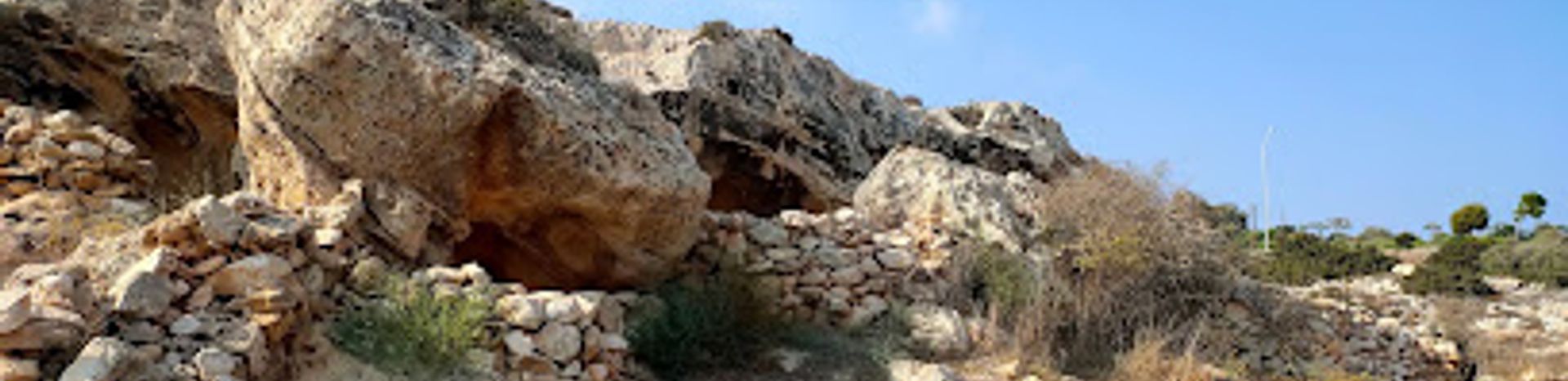
Ayia Napa Aqueduct: A Testament to Ancient Engineering
Explore the ancient Ayia Napa Aqueduct, a Roman-era marvel showcasing remarkable engineering and offering a tranquil escape amidst Cyprus's rich history and natural beauty.
The Ayia Napa Aqueduct, a historical landmark dating back to Roman times with Frankish alterations, stands as a testament to ancient engineering prowess. Once crucial for supplying water to the Ayia Napa Monastery and surrounding areas, it remains one of the few preserved aqueducts in Cyprus. Visitors can explore the well-preserved structure, appreciate its historical significance, and enjoy the tranquil surroundings. While some may find the area slightly neglected, the aqueduct offers a unique glimpse into the past and a peaceful escape from the bustling resort town, making it a worthwhile visit for history enthusiasts and those seeking a moment of reflection. The site provides a blend of cultural heritage and natural beauty, inviting exploration and contemplation.
A brief summary to Ayia Napa Aqueduct
- X2Q3+JRF, Ayia Napa, CY

Know before you go
Hi, I'm Eve. Here are a few practical things to know before exploring Ayia Napa Aqueduct.
- Wear comfortable shoes for walking along the aqueduct path and exploring the surrounding area.
- Visit during the early morning or late afternoon for the best lighting for photography and to avoid the midday heat.
- Combine your visit with a trip to the nearby Ayia Napa Monastery for a comprehensive cultural experience.
Do you manage this location?
Take control to get all the benefits, like improved information, better appearance, and stronger visibility across AI-powered discovery. Learn more
Activate your presence

Getting There
-
Walking
From Ayia Napa Square, head south on Nissi Avenue. After about 300 meters, turn left towards the Ayia Napa Monastery. Walk past the monastery and continue straight. After approximately 500 meters, you will reach a traffic circle. Take the second exit onto Kavo Gkreko Avenue. Continue walking for another 700 meters until you see the sign for Ayia Napa Aqueduct on your right. The aqueduct is a short walk from the main road.
-
Public Transport
From Ayia Napa Square, walk to the nearest bus stop on Nissi Avenue. Take bus 101 or 102 towards Protaras and get off at the 'Ayia Napa Aqueduct' stop. The bus ride is approximately 10 minutes and costs €1.50 - €2.00. From the bus stop, follow the signs to the aqueduct, a short 5-minute walk.
-
Taxi/Ride-Share
A taxi from the center of Ayia Napa to the aqueduct costs approximately €10-€15 and takes about 5-10 minutes, depending on traffic. Ride-sharing services are also available in Ayia Napa, with similar pricing.
-
Driving
From the center of Ayia Napa, follow Kavo Gkreko Avenue. After approximately 2 kilometers, look for signs for the Ayia Napa Aqueduct on your right. Turn right and follow the road to the aqueduct. Parking is available near the site. Parking fees may apply, typically around €2-€3 per hour.
Discover more about Ayia Napa Aqueduct
Explore the best of what Ayia Napa Aqueduct has to offer













More about Makronissos Peninsula
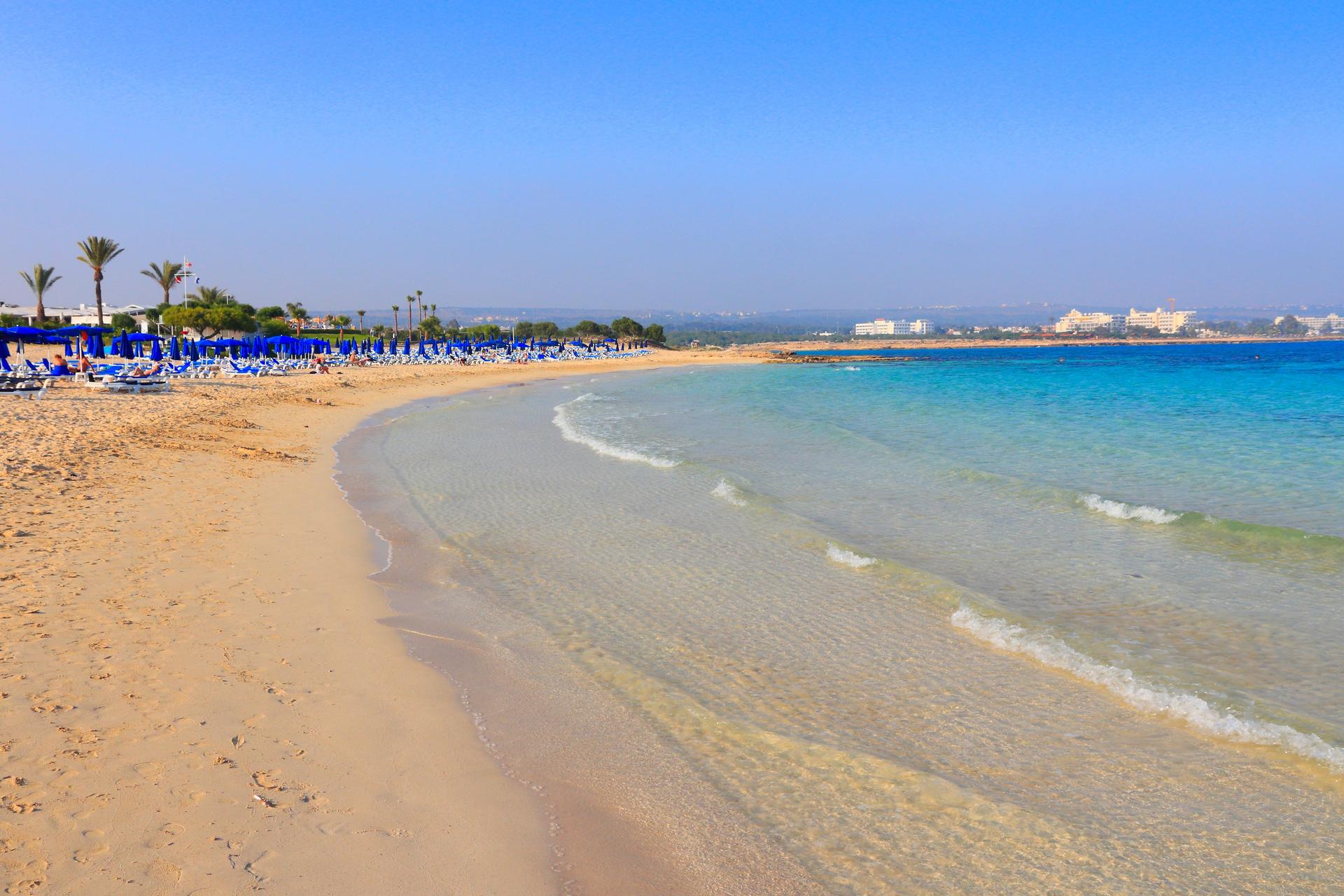
Discover the serene beauty and historical allure of the Makronissos Peninsula in Cyprus, where golden beaches meet ancient tombs and stunning Mediterranean views.
Tell me more about Makronissos Peninsula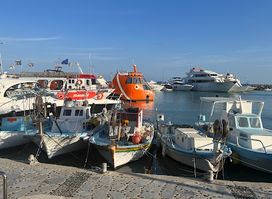
Discover the beauty of Ayia Napa's coastline with Famagusta Napa Boat cruises. Explore sea caves, swim in crystal waters, and create unforgettable memories.

Discover the allure of Zypern in Ayia Napa: Beaches, history, and vibrant culture await in this Mediterranean paradise.
