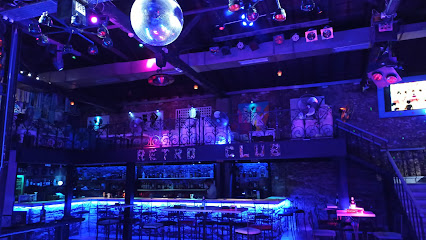
Archaeological Site of Tenta: A Window to Neolithic Cyprus
Explore the ancient Neolithic settlement of Tenta near Kalavasos, Cyprus, and step back 9,000 years to discover the island's earliest inhabitants and their fascinating way of life.
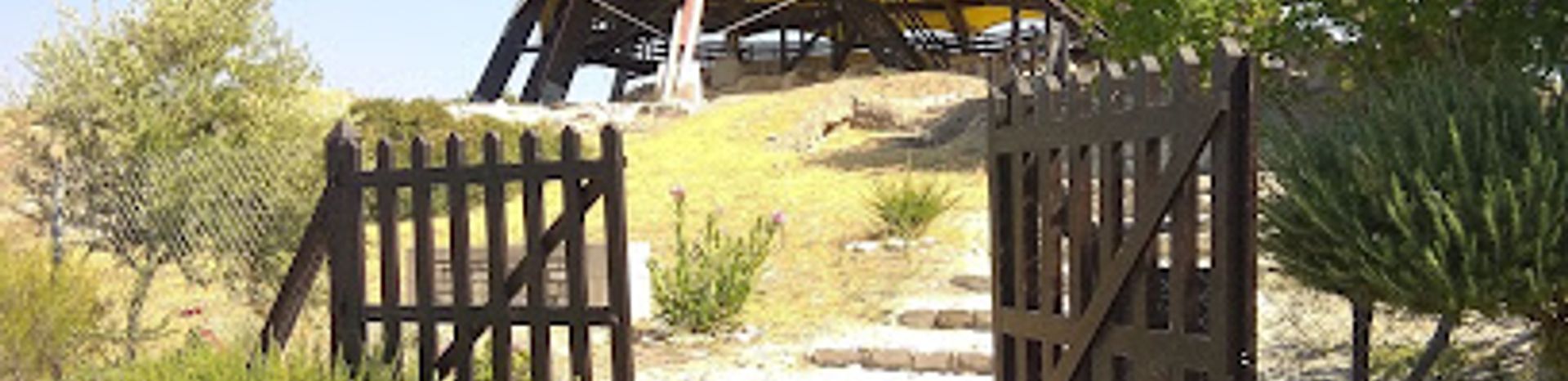
The Archaeological Site of Tenta, near Kalavasos village, offers a captivating glimpse into Neolithic Cyprus, dating back to 7000-6000 BC. This significant Aceramic Neolithic settlement, perched on a small hill overlooking the Vasilikos River, reveals the island's earliest inhabitants' lives through its circular architecture and rich archaeological finds. Protected by a distinctive domed canopy, Tenta provides a unique opportunity to explore ancient structures and learn about the transition from nomadic lifestyles to settled agricultural societies. Informative displays enhance the visitor experience, making it an ideal destination for history enthusiasts and those seeking a tranquil exploration of Cyprus's ancient past. Don't miss this chance to step back in time and connect with the roots of Cypriot civilization.
A brief summary to Archaeological Site of Tenta at Kalavasos
- Q823+X7P, Kalavasos, CY
- Visit website
- Monday 9:30 am-4 pm
- Tuesday 9:30 am-4 pm
- Wednesday 9:30 am-4 pm
- Thursday 9:30 am-4 pm
- Friday 9:30 am-4 pm
Local tips
- Visit during the cooler months (spring or fall) for a more comfortable experience, as summers in Cyprus can be very hot.
- Wear comfortable shoes suitable for walking on uneven terrain, as the site involves some walking.
- Check the official website for the most up-to-date opening hours and any special events or guided tours.
- Combine your visit with a trip to the nearby Kalavasos village to experience traditional Cypriot life and cuisine.
- Consider purchasing a multi-day entry card from the Department of Antiquities for access to other museums and ancient monuments in Cyprus.

Getting There
-
Driving
If driving from Larnaca or Limassol, take the A1 highway and exit towards Kalavasos (Exit 46). Follow the signs to the village and then to the Archaeological Site of Tenta. There is free parking available near the site. Note that the roads are generally in good condition. From the village center, follow the road towards the site, which is clearly signposted. The drive from either city is approximately 30 minutes. Free parking is available near the site.
-
Public Transport
From Larnaca, take the Intercity Buses line 401 or 407 to Kalavasos. The bus journey takes approximately 50-60 minutes. From the 'Kalavasos - Mari Road' bus stop, it's about a 20-minute walk to the site. Follow the main road through the village and then the signs to the Archaeological Site of Tenta. A single bus fare costs approximately €4-€5.
-
Taxi/Ride-Share
A taxi or ride-share from Larnaca or Limassol to the Archaeological Site of Tenta will cost approximately €45-€70, depending on the time of day and traffic. The journey takes around 30-40 minutes. Taxis can drop you off directly at the site entrance.
Discover more about Archaeological Site of Tenta at Kalavasos
Iconic landmarks you can’t miss

Myrto House
3.5 km
Experience traditional Cypriot charm at Myrto House in Tochni: stone-built apartments, peaceful village life, and easy access to island exploration.
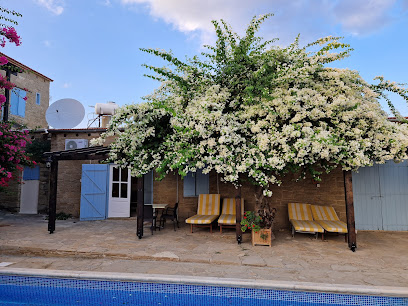
Mespilo House
3.8 km
Experience the authentic charm of Tochni, Cyprus, at Mespilo House, where traditional architecture meets modern comfort in a tranquil setting.
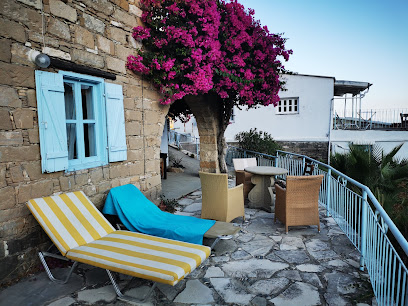
Cyprus Villages Traditional Houses
3.8 km
Experience the authentic charm of Cyprus at the Cyprus Villages Traditional Houses, where history meets comfort in picturesque Tochni.
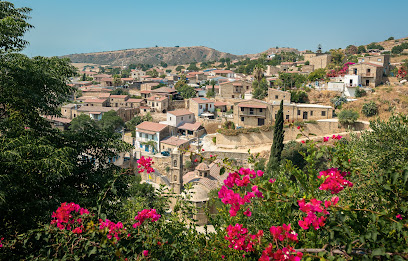
Zygi Public Beach
4.3 km
Experience the serene beauty of Zygi Public Beach in Cyprus, where golden sands meet crystal-clear waters for a perfect day of relaxation and local flavor.
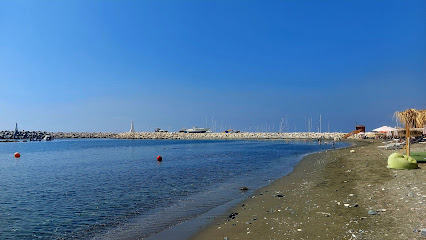
Kalymnos parking
4.5 km
Discover the convenience of Kalymnos parking in Pentakomo, Cyprus. Enjoy free parking while exploring the stunning landscapes and attractions of the region.
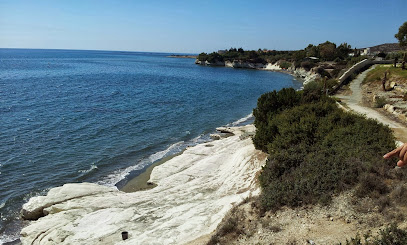
Kalymnos Beach
4.6 km
Discover the tranquil beauty of Kalymnos Beach in Pentakomo, Cyprus, where crystal-clear waters meet golden sands for an unforgettable coastal escape.
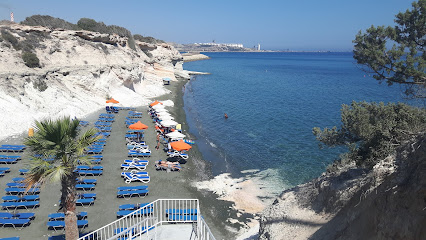
Chirokitia Eco-Village
5.7 km
Discover the tranquility of Chirokitia Eco-Village, where wellness meets ecological living in the heart of Cyprus.
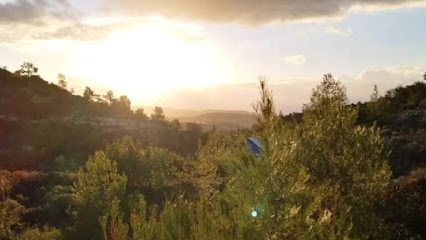
The House of Achilles
6.1 km
Discover the historical charm of the House of Achilles in Choirokoitia, a site rich in myth and ancient Cypriot culture.
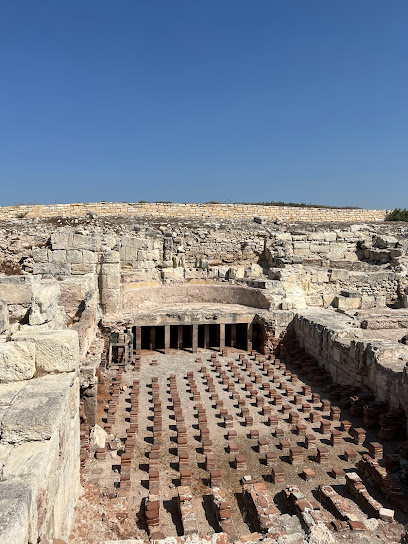
New Kokkini
8.3 km
Discover the breathtaking beauty of New Kokkini, a tranquil mountain peak in Cyprus perfect for hiking, photography, and nature exploration.

Holy Monastery of Agios Minas
9.9 km
Explore the serene beauty and rich history of the Holy Monastery of Agios Minas in Vavla, a cherished spiritual retreat in Cyprus.
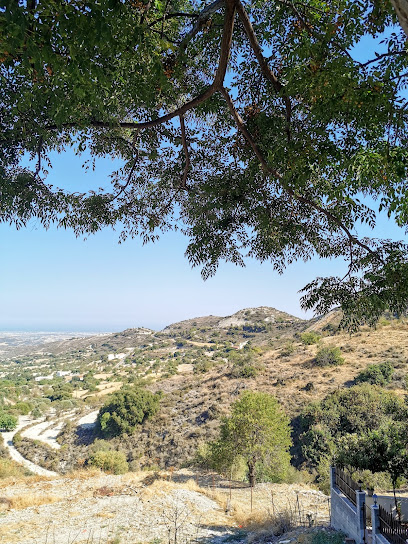
View Point Pano Lefkara
11.9 km
Discover breathtaking panoramic views of Lefkara and the Cypriot landscape, a haven of culture, history, and natural beauty.
View of Dipotamos dam
11.9 km
Discover the serene beauty of Dipotamos Dam in Cyprus - a perfect escape for nature lovers and photography enthusiasts alike.
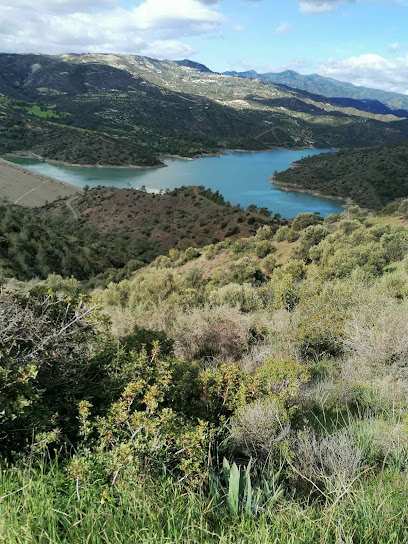
Lefkara
12.4 km
Explore Lefkara, a UNESCO World Heritage site in Cyprus, famous for its traditional lace-making and stunning architecture in a picturesque village setting.
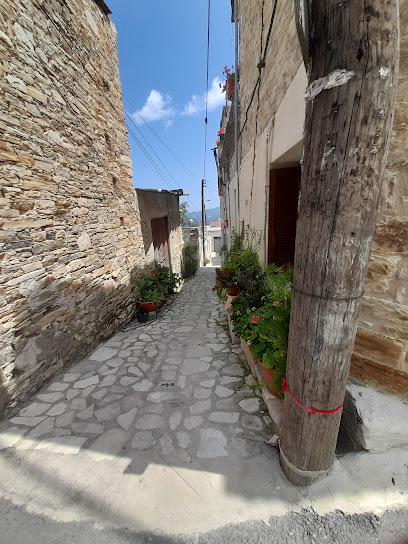
Faucet of Lefkara
12.5 km
Explore the Faucet of Lefkara, a UNESCO-recognized gem in Cyprus, showcasing rich culture, stunning architecture, and traditional craftsmanship.
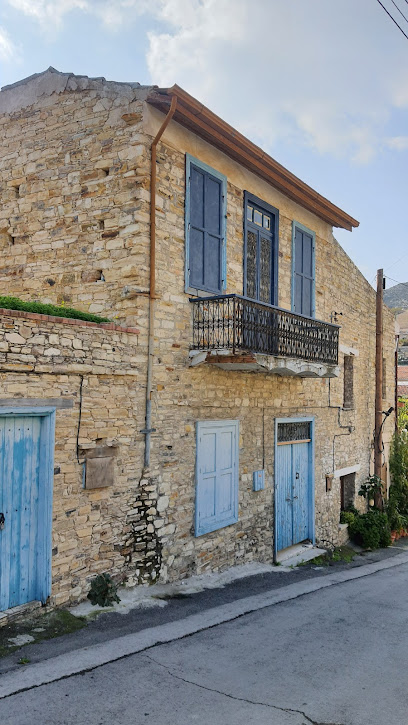
Parklane, a Luxury Collection Resort & Spa, Limassol
12.7 km
Discover the ultimate luxury experience at Parklane, a Luxury Collection Resort & Spa in Limassol, offering stunning views, exquisite dining, and top-notch amenities.
Unmissable attractions to see

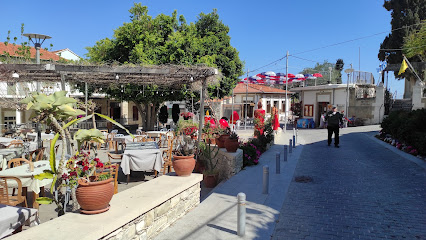
Kalavasos Village Square
2.3 km
Discover the authentic charm of Cyprus at Kalavasos Village Square, a picturesque hub of local culture, history, and warm hospitality nestled amidst traditional stone buildings and vibrant flowers.
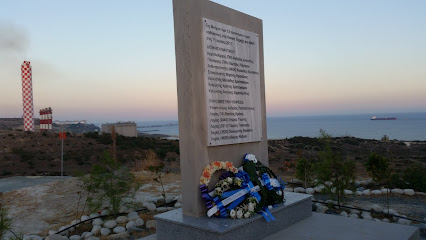
Μνημείο για τους 13 πεσόντες της έκρηξης στο Μαρί
3.2 km
A solemn memorial in Mari, Cyprus, honoring the 13 lives lost in the tragic 2011 naval base explosion, offering a space for reflection and remembrance of this devastating event.
Zygi Marina
4.4 km
Experience the beauty of Zygi Marina, a coastal paradise in Cyprus offering stunning views, local cuisine, and unforgettable adventures.
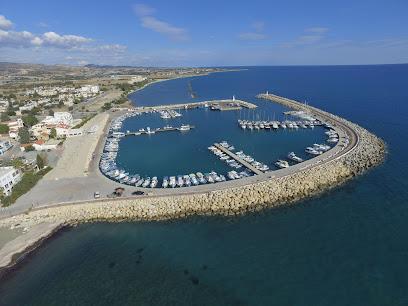
Fish spot
4.4 km
Experience authentic Cypriot cuisine and stunning Mediterranean views at Fish Spot in Zygi, a charming fishing village offering fresh seafood and a tranquil escape.
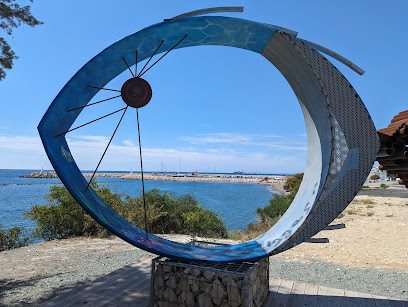
Governor's Beach - Blue Flag
4.7 km
Discover the serene beauty of Governor's Beach, Cyprus: chalk-white rocks, crystal-clear waters, and tranquil atmosphere await on this Blue Flag-awarded coastal paradise.
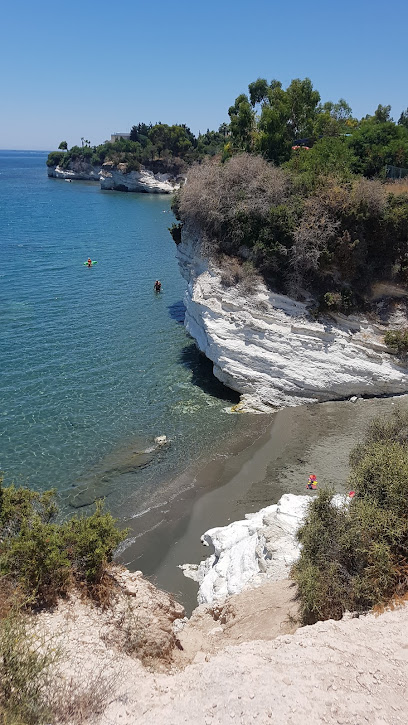
Governor's Beach
5.0 km
Explore the pristine shores of Governor's Beach, a tranquil paradise in Cyprus, perfect for relaxation, swimming, and breathtaking views.
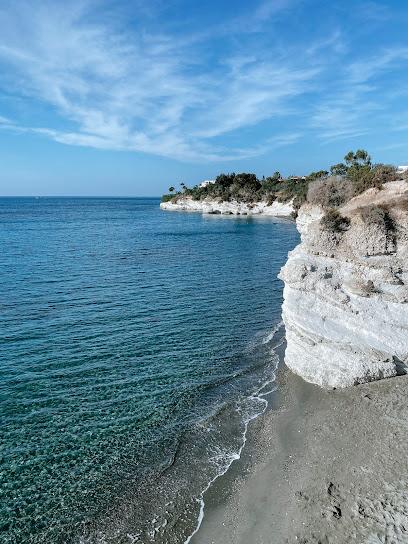
White Stones Beach
5.1 km
Discover the serene beauty of White Stones Beach in Cyprus: a hidden coastal paradise with striking white cliffs, turquoise waters, and tranquil hiking trails near Governor's Beach.
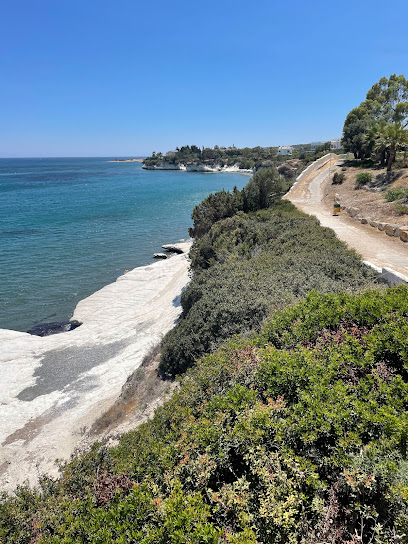
Choirokoitia
5.7 km
Unearth the secrets of Neolithic Cyprus at Choirokoitia, a UNESCO World Heritage site showcasing one of the Mediterranean's best-preserved prehistoric settlements, revealing the dawn of civilization.
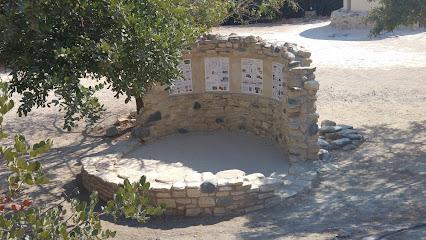
Sayious Adventure Park
5.9 km
Discover the thrill of adventure sports, motorcycle rides, and paintball battles at Sayious Adventure Park in beautiful Asgata, Cyprus.

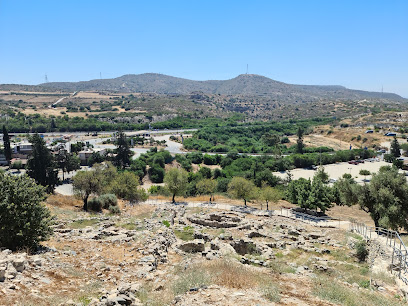
Neolithic Settlement of Choirokoitia
6.1 km
Uncover the rich history of ancient Cyprus at the Neolithic Settlement of Choirokoitia, a UNESCO World Heritage site with breathtaking views.
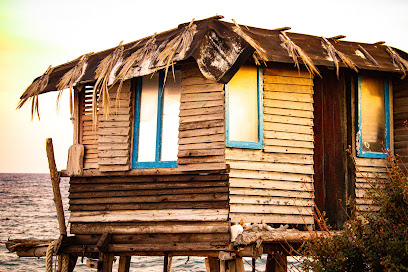
Fisherman's hut
6.6 km
Discover the serene beauty of Fisherman's Hut in Maroni, Cyprus, where traditional fishing culture meets breathtaking Mediterranean views, offering an authentic Cypriot experience.
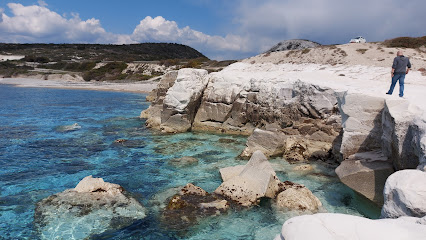
White Rocks
6.6 km
Discover the mesmerizing beauty of White Rocks in Cyprus: a stunning coastal landscape with unique white limestone formations, crystal-clear waters, and serene atmosphere, perfect for nature lovers.
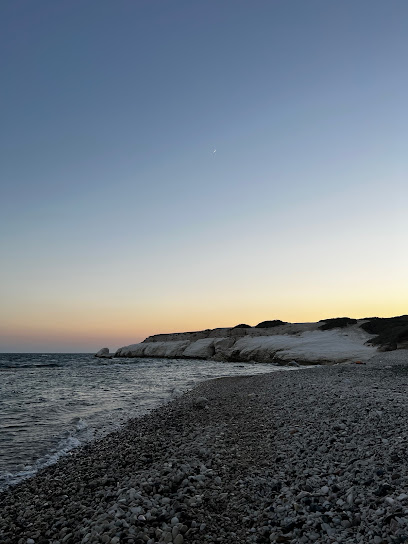
Ale Rep beach
6.6 km
Discover the unspoiled beauty of Ale Rep Beach in Pentakomo, Cyprus: a tranquil paradise with golden sands and crystal-clear waters, perfect for relaxation and nature lovers.
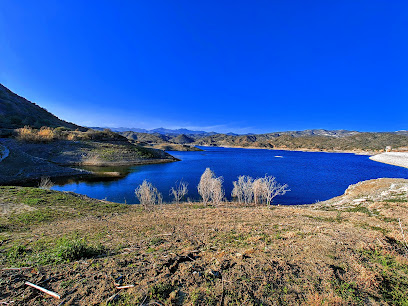
View point Kalavasos Reservoir
7.0 km
Discover breathtaking panoramic views and serene nature at Kalavasos Reservoir viewpoint, a tranquil Cypriot escape offering hiking, birdwatching, and peaceful picnics amidst stunning scenery.
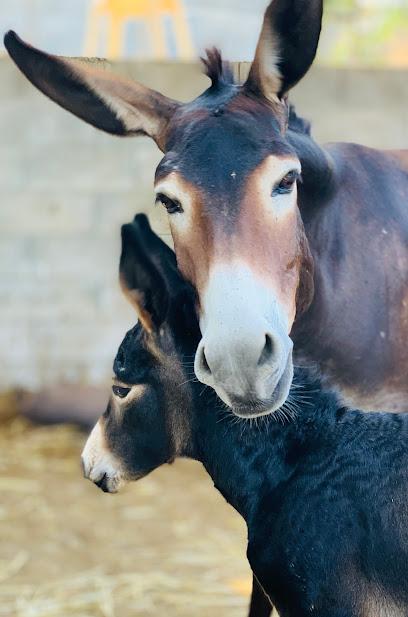
Golden Donkeys Farm
7.8 km
Discover Cyprus's rural charm at the Golden Donkeys Farm in Skarinou: interact with donkeys, explore traditions, and enjoy a peaceful escape.
Essential places to dine

Retro tavern
2.2 km
Discover the essence of Cyprus at Retro Tavern: where tradition meets flavor in every dish.
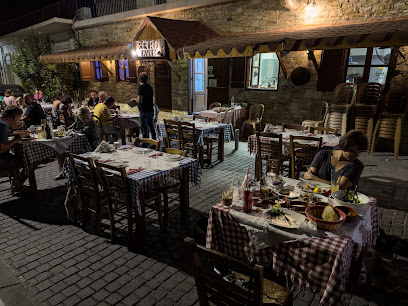
Tochni Tavern
3.8 km
Experience authentic Cypriot flavors at Tochni Tavern, where tradition meets taste in a picturesque village setting.
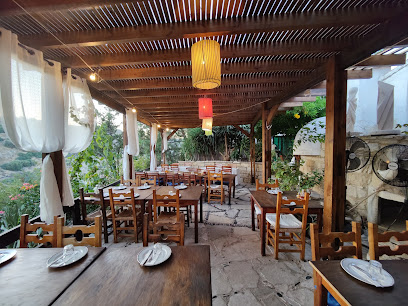
OLD ZYGI ,Fish Tavern
4.1 km
Experience the best of Cypriot seafood at Old Zygi Fish Tavern - where freshness meets tradition in every bite.
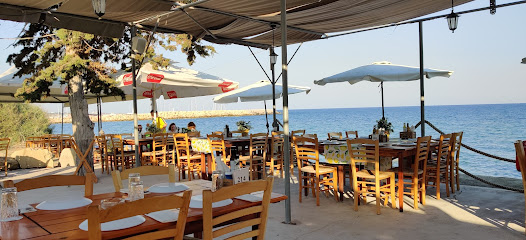
Lenia's Traditional Tavern
4.1 km
Discover the rich flavors of Cyprus at Lenia's Traditional Tavern, where every meal tells a story of tradition and hospitality.
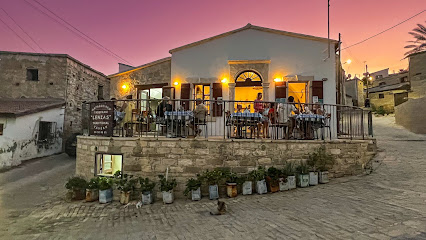
Captain's Table Fish Tavern
4.3 km
Experience the best seafood dining at Captain's Table Fish Tavern in Zygi - where fresh flavors meet breathtaking Mediterranean views.
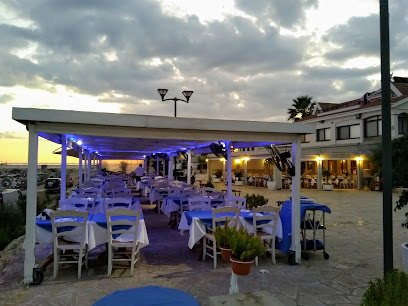
Kalymnos Fish Tavern
4.5 km
Discover authentic Cypriot seafood delights at Kalymnos Fish Tavern on Governor's Beach in Limassol - where every meal is a seaside celebration.
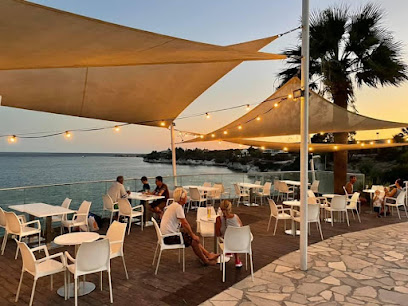
Adamos Fish Tavern
5.2 km
Experience authentic Cypriot seafood at Adamos Fish Tavern with stunning sea views and delicious local flavors.
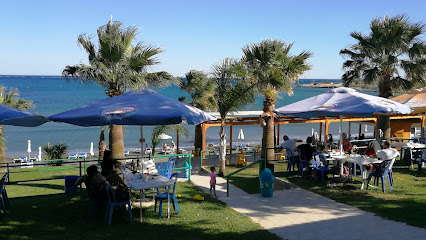
Faros Fish Restaurant
5.2 km
Discover authentic Mediterranean seafood at Faros Fish Restaurant in Cyprus—where every dish tells a story of flavor and tradition.
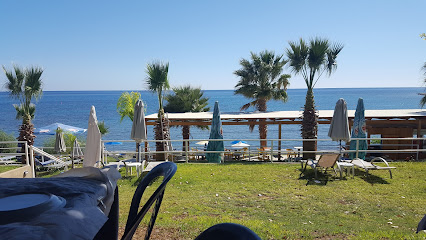
The Deck Beach Bar
5.3 km
Experience vibrant coastal relaxation at The Deck Beach Bar in Cyprus – where stunning views meet delightful cuisine.
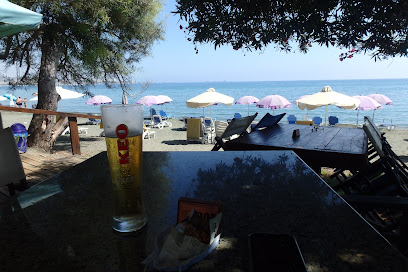
Thalassa
5.4 km
Discover authentic Cypriot cuisine at Thalassa in Pentakomo - where local flavors meet serene surroundings.
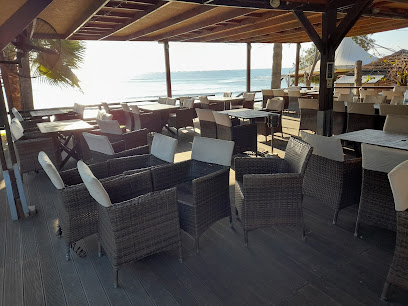
Sofroniou Beach Restaurant (Akti Sofroniou)
5.4 km
Experience authentic Cypriot flavors at Sofroniou Beach Restaurant in Limassol—where every meal is paired with stunning sea views.
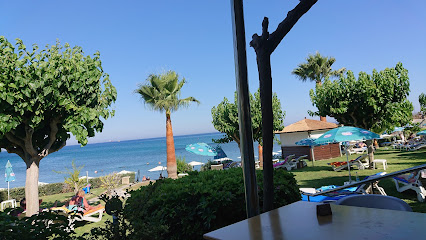
Dragon Nest
5.7 km
Experience authentic Cypriot cuisine at Dragon Nest - where every meal is a journey into local flavors.
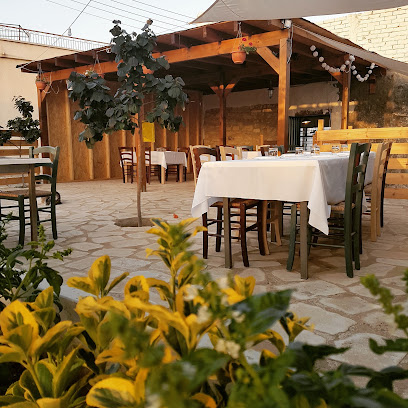
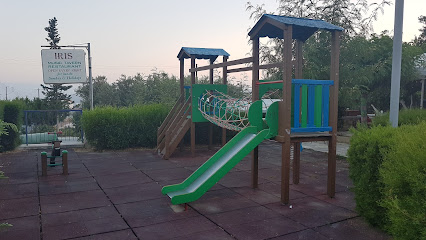
Coffee Bar Iris
5.7 km
Discover Coffee Bar Iris in Pentakomo - where great coffee meets lively local music in a cozy setting perfect for relaxation.
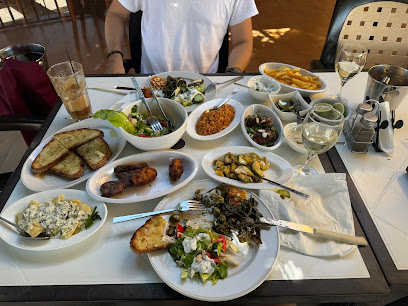
Annas Tavern
5.8 km
Experience authentic Cypriot cuisine at Annas Tavern in Pentakomo—where tradition meets taste in a warm and inviting atmosphere.
Rainbow Restaurant
6.1 km
Experience authentic Cypriot cuisine at Rainbow Restaurant in Choirokoitia - where every dish is a celebration of local flavors.
Markets, malls and hidden boutiques

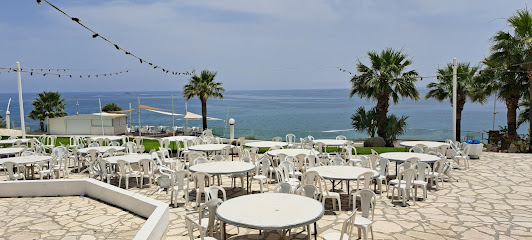
White Rock Cafe
4.5 km
Experience the essence of Cyprus at White Rock Cafe, where local flavors and stunning views create an unforgettable coffee experience.
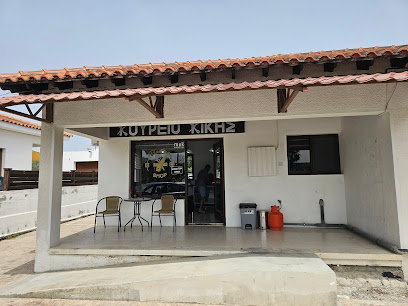
KIKI'S BARBER SHOP SKARINOU
8.9 km
Discover Kiki's Barber Shop in Skarinou: where exceptional grooming meets Cypriot hospitality in a charming local atmosphere.
Layia Village Crafts Nature Retreat
11.1 km
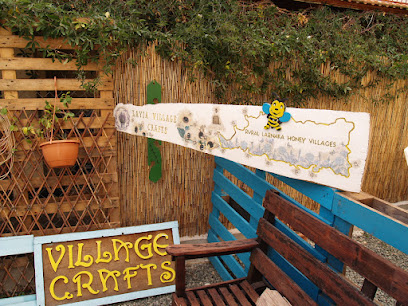
Explore unique Cypriot crafts at Layia Village Crafts Nature Retreat, a tranquil haven for art lovers and souvenir seekers.
Lefkara Arts & Crafts
11.6 km
Explore the exquisite craftsmanship of Lefkara Arts & Crafts, where unique jewelry and traditional lace-making come together in a beautiful Cypriot village.
Handcraft supermarket
12.3 km
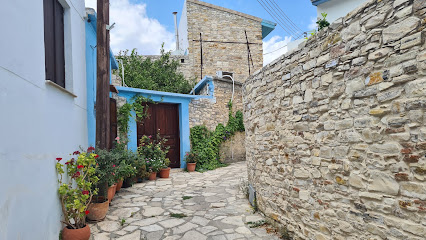
Explore the artistry of Cyprus at Handcraft Supermarket in Pano Lefkara, where unique handmade clothing and accessories await.
Lefkara Museum of Traditional Embroidery and Silversmith Work
12.5 km
Experience the rich heritage of Cypriot craftsmanship at the Lefkara Museum, celebrating traditional embroidery and exquisite silversmith work.
Mini Market Aristodemou
12.6 km
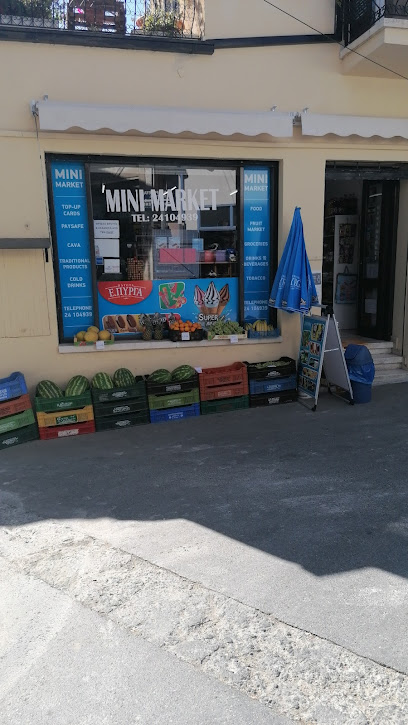
Discover the flavors of Cyprus at Mini Market Aristodemou, your local grocery store in the heart of Pano Lefkara.
Lefkara Hotel Boutique
12.6 km
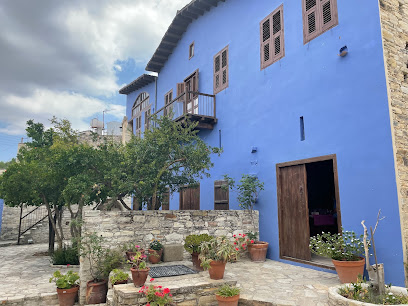
Experience the perfect blend of tradition and modern comfort at Lefkara Hotel Boutique, your gateway to the enchanting village of Pano Lefkara, Cyprus.
Church of the Holy Cross
12.6 km
Explore the Church of the Holy Cross in Pano Lefkara, a stunning Greek Orthodox church offering rich history, breathtaking views, and serene spirituality.
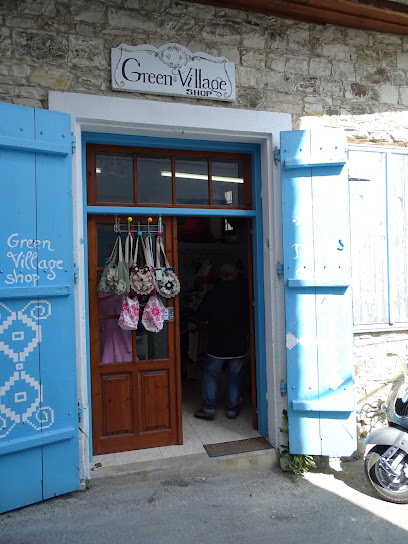
Green Village Lefkara
12.6 km
Discover the exquisite craftsmanship of Cyprus at Green Village Lefkara, a clothing store that embodies the island's rich heritage and artistry.
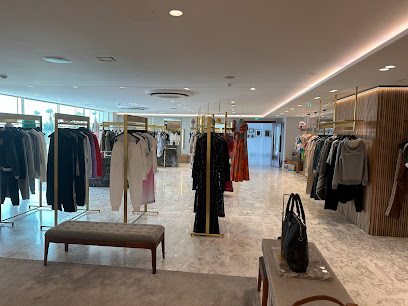
First Boutique Parklane Resort & Spa
12.7 km
Experience unparalleled luxury and tranquility at First Boutique Parklane Resort & Spa, a premier destination in Limassol, Cyprus.
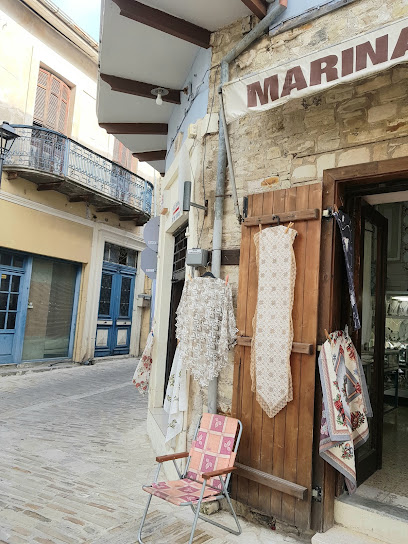
Marina's Shop
12.7 km
Explore the enchanting Marina's Shop in Pano Lefkara for exquisite handcrafted jewelry that embodies the rich cultural heritage of Cyprus.
To Kafeneio tis Pareas
12.7 km
Experience the heart of Cyprus at To Kafeneio tis Pareas, where exceptional coffee meets warm hospitality in a charming village setting.
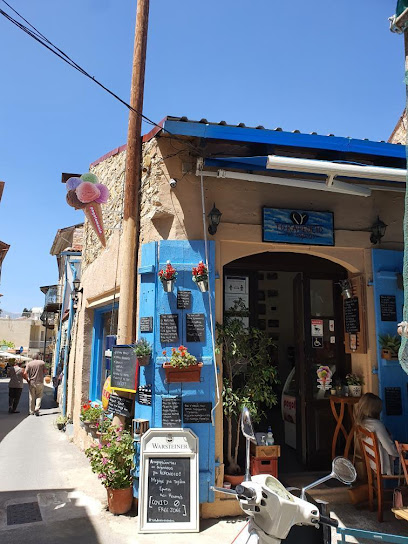
Coffee Yard Cafe-Restaurant
12.7 km
Experience the essence of Cypriot cuisine and coffee culture at Coffee Yard Cafe-Restaurant in the picturesque village of Pano Lefkara.
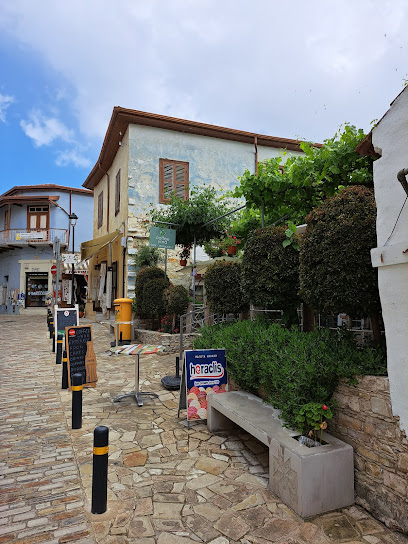
Iconic jewellery cy
12.7 km
Discover the exquisite craftsmanship of Pano Lefkara's Iconic Jewelry Store, where tradition meets elegance in every piece.
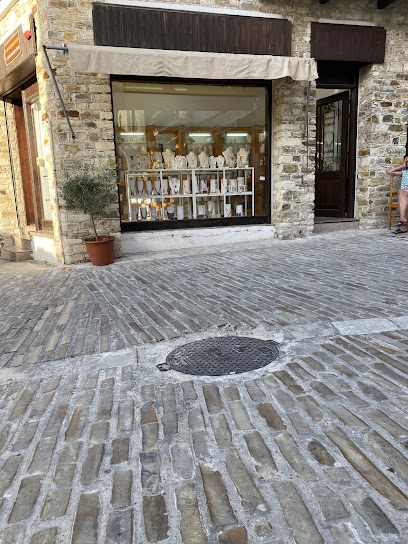
Essential bars & hidden hideouts

Palm Beach - Kalymnos
4.5 km
Discover the enchanting vibe of Palm Beach in Kalymnos, a perfect blend of relaxation and seaside excitement on the Cyprus coast.
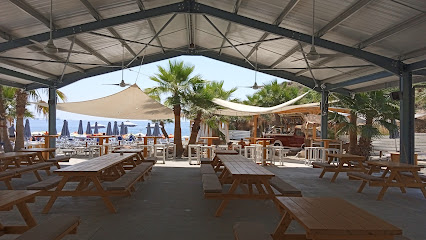
Retreat & Club Edition Finesse
4.9 km
Discover the charm of Retreat & Club Edition Finesse, a distinguished wine bar and café in Maroni, Cyprus, offering a perfect blend of fine wines and exquisite cuisine.
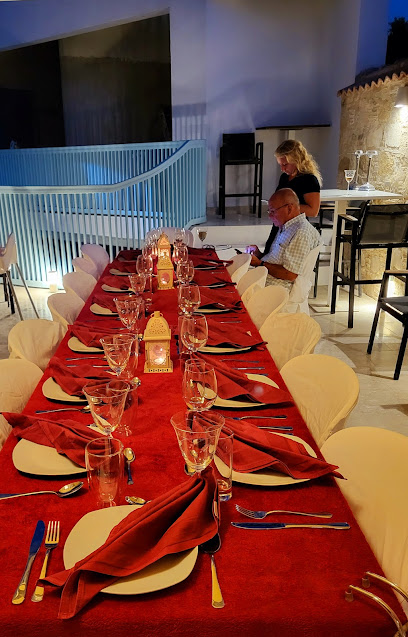
Granny's Island by Granny’s Ford
5.2 km
Experience the vibrant atmosphere and stunning sea views at Granny's Island – the ultimate cocktail bar in Pentakomo, Cyprus.
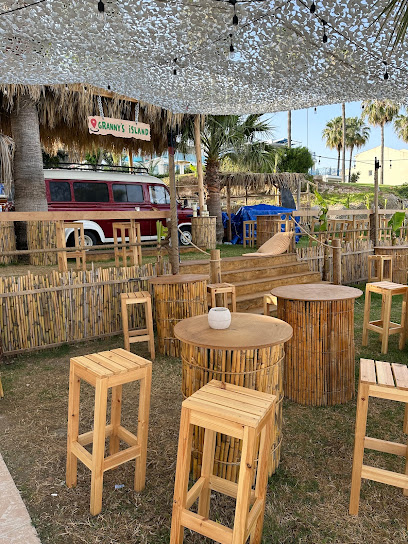
Ithaki Beach Bar
10.5 km
Experience the vibrant atmosphere and stunning views at Ithaki Beach Bar in Cyprus - your perfect beach getaway!
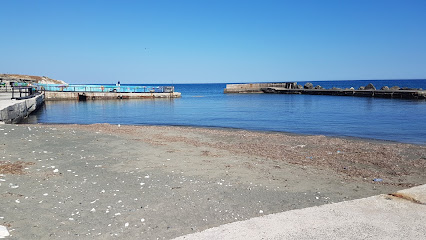
Malindi Beach Bar & Restaurant
13.4 km
Experience the best of Mediterranean cuisine at Malindi Beach Bar & Restaurant, where seafood and Greek flavors come alive by the sea.
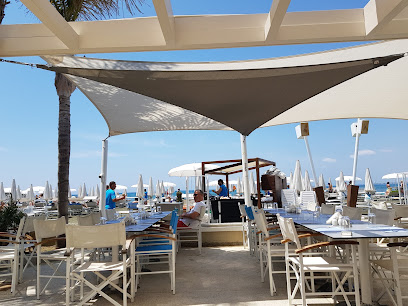
Cavo Pare Beach Life
13.4 km
Discover Cavo Pare Beach Life in Pareklisia, Cyprus - a perfect blend of beach vibes, refreshing drinks, and stunning Mediterranean views.
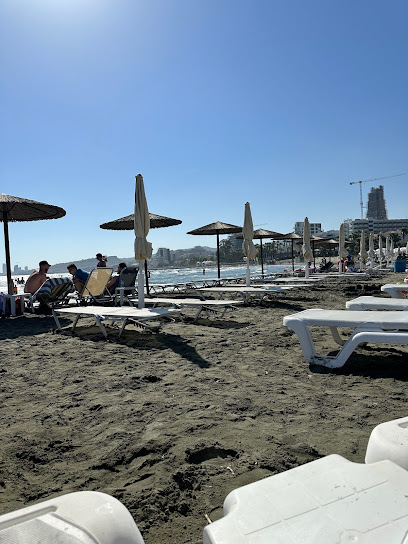
PlusSea
14.1 km
Experience the blend of beachside relaxation and gourmet dining at PlusSea in Agios Tychon, Cyprus, with stunning Mediterranean views.
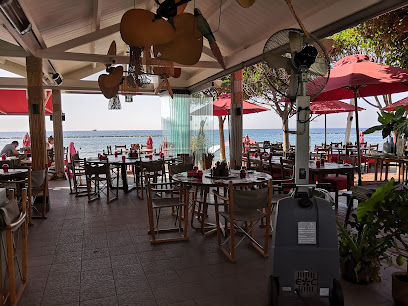
Sands Beach Club-Resto
14.6 km
Experience exquisite Mediterranean dining at Sands Beach Club-Resto in Limassol, Cyprus, where every meal is a celebration of local flavors and breathtaking views.
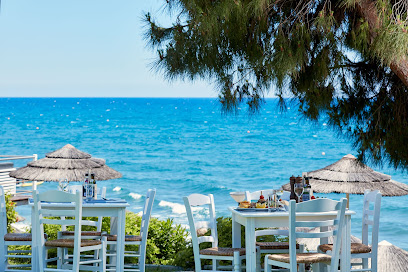
Dasoui Green Wood Tavern Cafe Bar
15.7 km
Experience the authentic flavors of Cyprus at Dasoui Green Wood Tavern Cafe Bar, a serene culinary retreat in Prastio surrounded by nature.
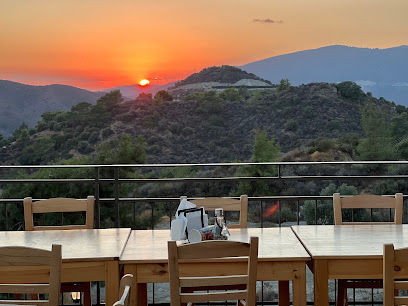
Be One Bar
16.3 km
Discover the vibrant cocktail culture at Be One Bar in Agios Tychon, where exquisite drinks meet stunning Mediterranean views.
Trippers Bar
16.6 km
Experience the vibrant nightlife at Trippers Bar in Agios Tychon, Cyprus, where great drinks and a lively atmosphere await.
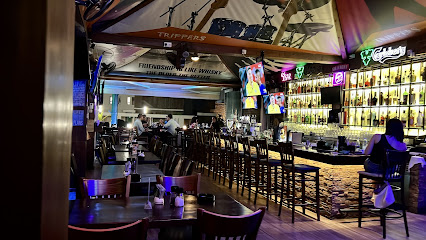
Vista Bar
16.7 km
Experience luxury at Vista Bar in Agios Tychon, Cyprus, where exquisite cocktails and stunning views create the perfect retreat for relaxation.
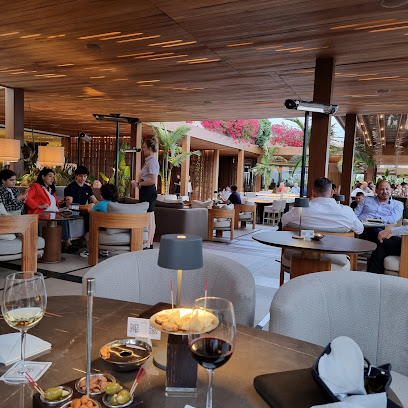
Sash Shisha
16.7 km
Experience the vibrant nightlife of Agios Tychon at Sash Shisha, where delicious burgers and relaxing hookah create the perfect evening escape.
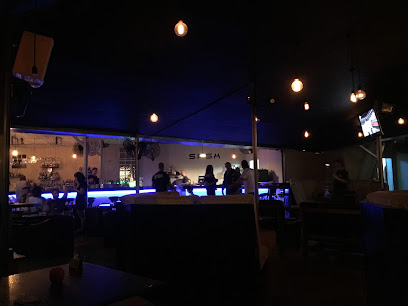
Booms karaoke bar
16.9 km
Experience the vibrant nightlife at Booms Karaoke Bar in Agios Tychon, Cyprus, where singing, fun, and camaraderie come together for unforgettable evenings.
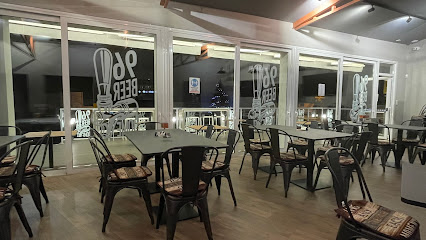
BeerDome96
17.0 km
Discover the lively atmosphere of BeerDome96 in Agios Tychon, Cyprus, where great drinks and friendly vibes await every visitor.
Nightclubs & after hour spots

NOROOF
10.0 km
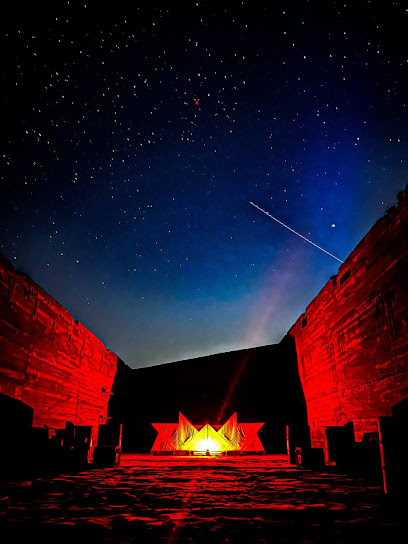
Experience the ultimate nightlife at NOROOF in Moni, Cyprus, where art and music collide for an unforgettable party atmosphere.
The Wood Bar
12.6 km
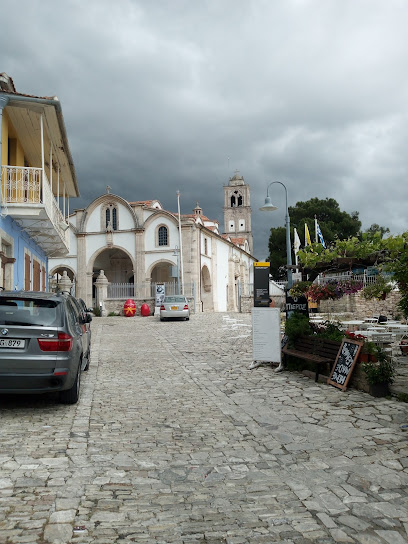
Discover the lively atmosphere of The Wood Bar in Pano Lefkara, where local culture meets refreshing drinks and vibrant entertainment for an unforgettable night out.
Theama Venue
15.8 km
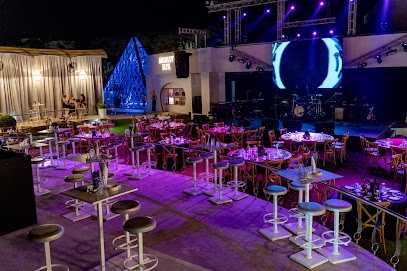
Experience the thrill of Limassol's nightlife at Theama Venue, a premier night club featuring live music and unforgettable events in a stunning outdoor setting.
Silk velvet gentlemen's club
18.8 km
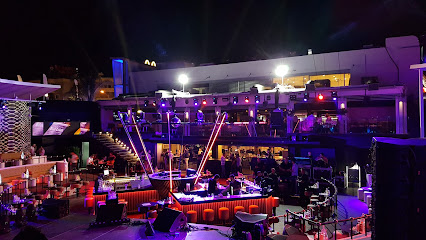
Discover the opulent nightlife at Silk Velvet Gentlemen's Club in Mouttagiaka, where glamour meets entertainment for an unforgettable experience.
Summer Breeze Club
19.4 km
Dive into Yermasoyias' vibrant nightlife at Summer Breeze Club, where electrifying beats and unforgettable memories await every party enthusiast.
VIP Room Gold
19.4 km
Discover the vibrant nightlife of Limassol at VIP Room Gold, where luxury meets an unforgettable party atmosphere.
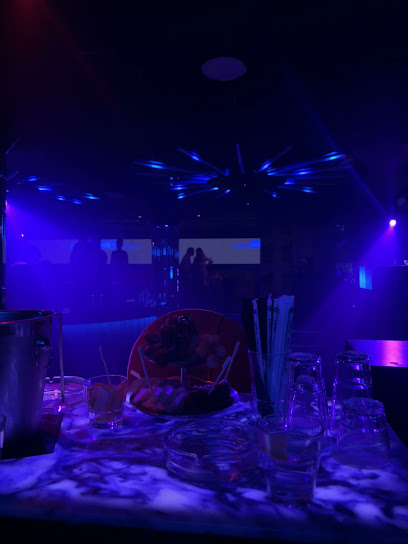
Royalty club
19.7 km
Discover the Royalty Club, a premier night club in Germasogeia, Cyprus, offering vibrant music, dancing, and a welcoming atmosphere for all.
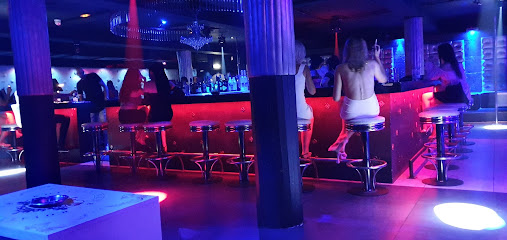
Royalty
20.0 km
Discover the electrifying atmosphere of Royalty Night Club in Germasogeia, where unforgettable nightlife experiences await.
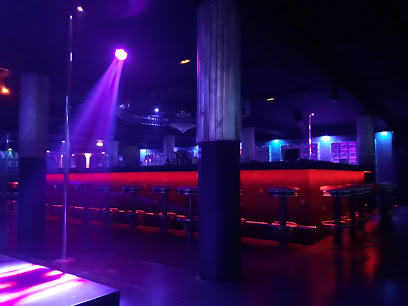
Arsenic Lounge Bar
20.1 km
Discover the electrifying nightlife of Arsenic Lounge Bar in Germasogeia, Cyprus - a hotspot for cocktails, dancing, and live entertainment.
Couture House CY
20.1 km
Discover the electrifying nightlife at Couture House CY in Germasogeia, where music, cocktails, and dancing create unforgettable memories.
Club Eleven
20.2 km
Discover the electrifying nightlife at Club Eleven, a premier night club in Germasogeia, Cyprus, showcasing vibrant music and a lively atmosphere.
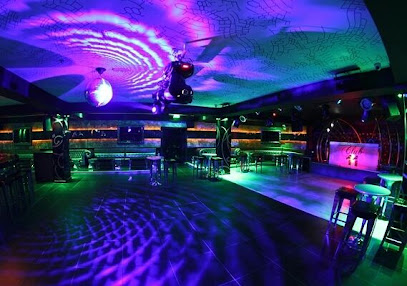
MAXI CLUB
20.5 km
Discover the electric atmosphere of MAXI CLUB, Limassol's ultimate nightlife hotspot, where unforgettable nights and world-class DJs await.
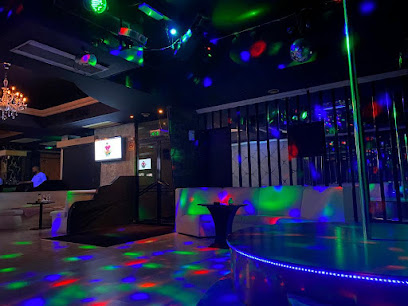
Rotonta piano restaurant bar
20.9 km
Discover the vibrant nightlife of Germasogeia at Rotonta, where exquisite dining meets electrifying entertainment in Cyprus.
Voice Karaoke Club
25.0 km
Experience the vibrant nightlife of Limassol at Voice Karaoke Club, where every song is a chance to shine and make unforgettable memories.
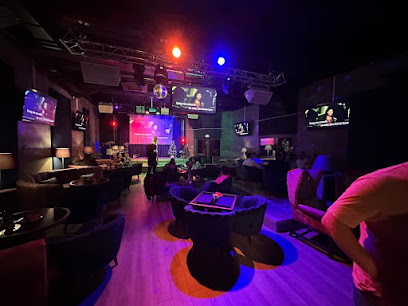
Metropole Retro Club
25.1 km
Experience the vibrant energy of Limassol's nightlife at Metropole Retro Club, where retro beats and modern vibes collide for an unforgettable night.