Παλαιοχριστιανική Οικία με Τρικλίνιο, Kourion Archaeological Site Travel Guide
Discover the Paleochristian Triclinium at Kourion, Cyprus: Unearth ancient mosaics and explore early Christian life in this captivating historical landmark with stunning Mediterranean views.
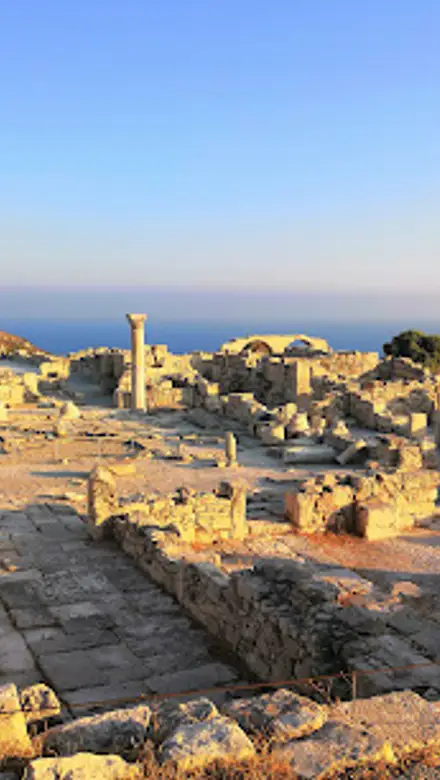
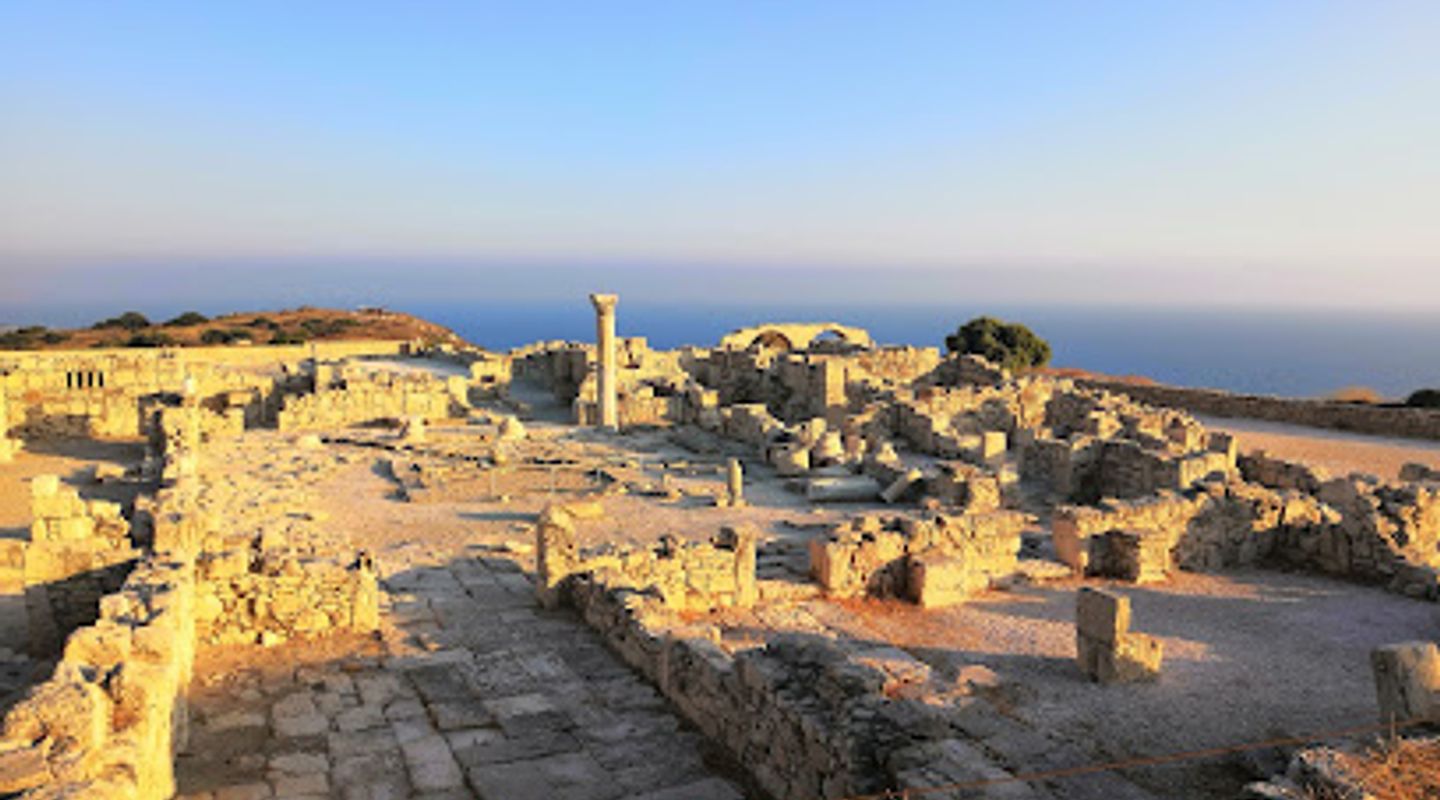
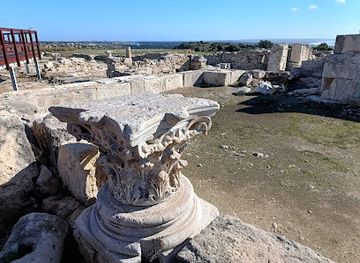
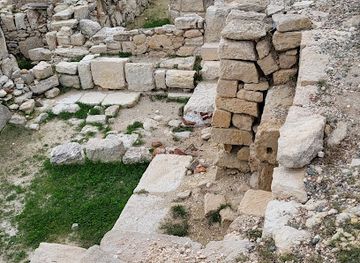
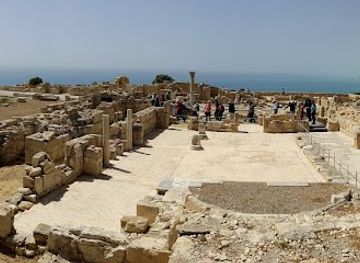
The Paleochristian Triclinium, nestled within the ancient city-kingdom of Kourion, offers a fascinating glimpse into early Christian life on Cyprus. This well-preserved structure, once a part of a larger residential complex, features intricate mosaic floors depicting scenes from daily life and mythology, showcasing the blend of Roman and early Christian artistic styles. The triclinium, or dining hall, served as a communal gathering space, providing insight into the social customs and religious practices of the time. Visitors can explore the ruins and admire the artistry of the mosaics while enjoying panoramic views of the Mediterranean coastline. Located within the broader Kourion Archaeological Site, the Triclinium is easily accessible and provides a unique perspective on the island's rich history and cultural heritage. A visit here offers a captivating journey back in time, revealing the layers of civilization that have shaped Cyprus.
A brief summary to Παλαιοχριστιανική Οικία με Τρικλίνιο
- Ancient Kourion, Chypre, Episkopi, GB
- Click to display
- Monday 8:15 am-5 pm
- Tuesday 8:15 am-5 pm
- Wednesday 8:15 am-5 pm
- Thursday 8:15 am-5 pm
- Friday 8:15 am-5 pm
- Saturday 8:15 am-5 pm
- Sunday 8:15 am-5 pm

Know before you go
Hi, I'm Eve. Here are a few practical things to know before exploring Παλαιοχριστιανική Οικία με Τρικλίνιο.
- Visit early in the morning or late afternoon to avoid the midday heat and crowds, ensuring a more pleasant and intimate experience.
- Wear comfortable walking shoes as the site involves walking on uneven terrain and exploring extensive ruins.
- Bring water and sunscreen, especially during the summer months, as there is limited shade available at the archaeological site.
- Combine your visit with other nearby attractions within the Kourion Archaeological Site, such as the Greco-Roman theater and the House of Eustolios, to make the most of your trip.
- Check for events happening at the Kourion Theatre during the summer months for an immersive experience of ancient Cypriot culture.
Do you manage this location?
Take control to get all the benefits, like improved information, better appearance, and stronger visibility across AI-powered discovery. Learn more about listing your business on Evendo
Activate your presenceOther nearby places you may find interesting
The closest places of the same kind, if this one is not quite what you had in mind.
Explore Παλαιοχριστιανική Οικία με Τρικλίνιο on the Map
A handpicked selection of must-see spots near Παλαιοχριστιανική Οικία με Τρικλίνιο, mapped for you.
Unlock the Best of Παλαιοχριστιανική Οικία με Τρικλίνιο
Buy tickets
-
No tickets available
Book tours with entry

Book tours without entry
-
No tours available
Getting There
-
Public Transport
From Limassol, take bus line 16 towards Kourion Beach. The bus ride is approximately 40 minutes. Get off at the stop closest to Kourion Archaeological Site (ask the driver for assistance). From the bus stop, it's about a 10-20 minute uphill walk to the entrance of the site. The bus fare is approximately €1.50 per person each way.
-
Taxi/Ride-Share
From Limassol, a taxi or ride-share to Kourion Archaeological Site will take approximately 20-30 minutes, depending on traffic. The estimated fare is between €20-€30. From Episkopi, a taxi ride to the site is much shorter, costing around €8-€10 and taking only 5 minutes.
-
Walking
If you are in Episkopi, you can walk to Kourion Archaeological Site. Head southwest on the main road towards the coast; the distance is approximately 3 kilometers. The walk will take around 30-40 minutes. Make sure to wear comfortable shoes and bring water, especially during the summer months.
Discover more about Παλαιοχριστιανική Οικία με Τρικλίνιο
More to explore near Παλαιοχριστιανική Οικία με Τρικλίνιο
-

Best experiences near Παλαιοχριστιανική Οικία με Τρικλίνιο
-

Best hotels near Παλαιοχριστιανική Οικία με Τρικλίνιο
-

Best landmarks near Παλαιοχριστιανική Οικία με Τρικλίνιο
-

Best shops near Παλαιοχριστιανική Οικία με Τρικλίνιο
-

Best restaurants near Παλαιοχριστιανική Οικία με Τρικλίνιο
-

Best bars near Παλαιοχριστιανική Οικία με Τρικλίνιο







Your all‑in‑one travel companion app
Explore expert travel guides, compare and book tours, experiences, hotels, and more—all from the palm of your hand. Download now for seamless trip planning wherever your wanderlust takes you.


Explore More of Kourion Archaeological Site
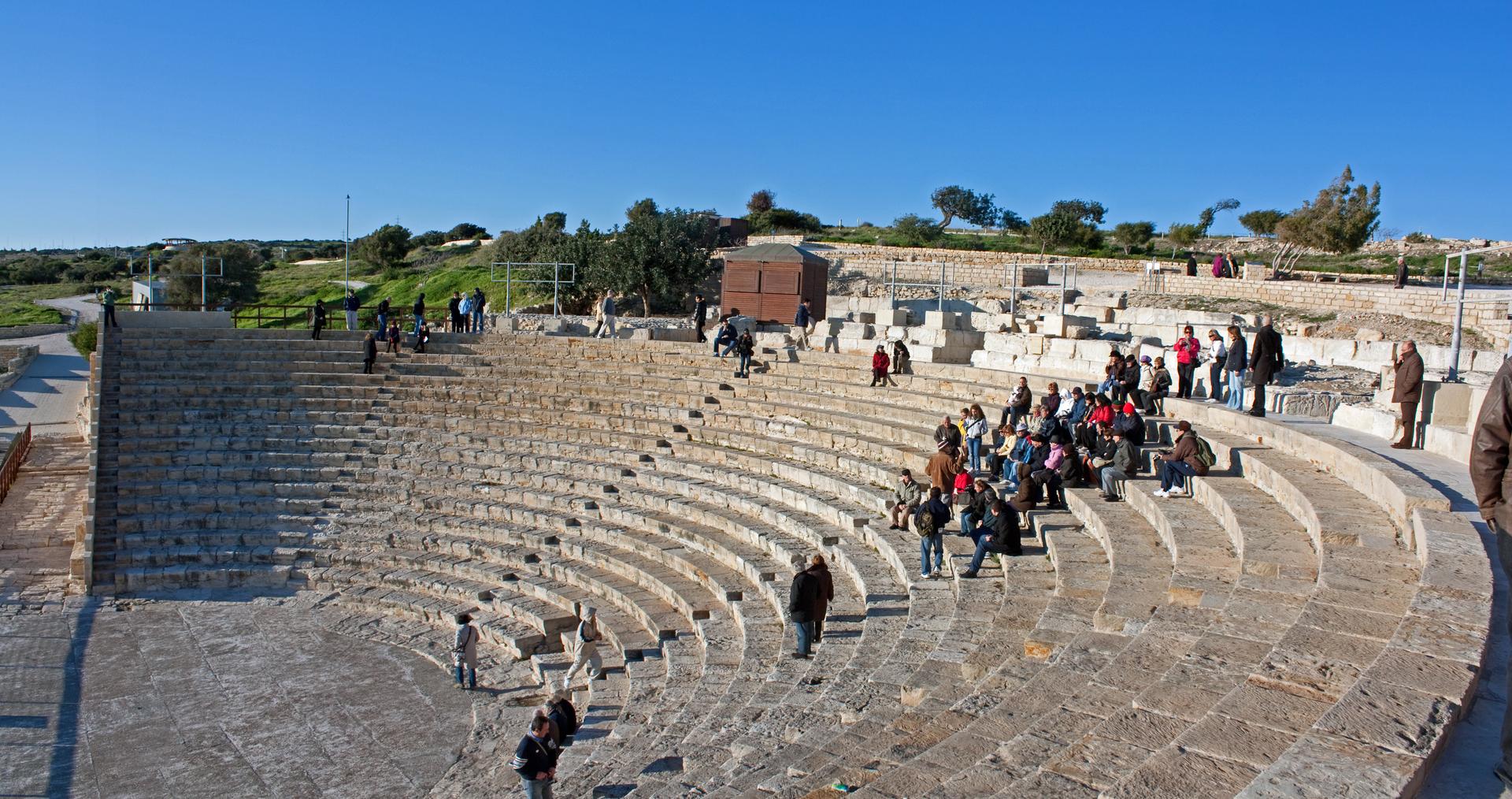
Looking beyond Παλαιοχριστιανική Οικία με Τρικλίνιο? Discover Kourion Archaeological Site for broader travel guides, local hot-spots, and regional highlights.
Explore Kourion Archaeological Site
Discover the unspoiled beauty of Zapallo Bay in Episkopi, Cyprus: a secluded beach with golden sands, crystal waters, and dramatic cliffs, perfect for a tranquil escape.

Explore the captivating ruins of Ancient Kourion, a city-kingdom steeped in history, with breathtaking views of the Cyprus coastline.