Background

Ancient Kourion: A Journey Through Time

Explore the ancient city-kingdom of Kourion in Cyprus: a captivating blend of Greco-Roman history, stunning mosaics, and breathtaking Mediterranean views. A must-see archaeological treasure.

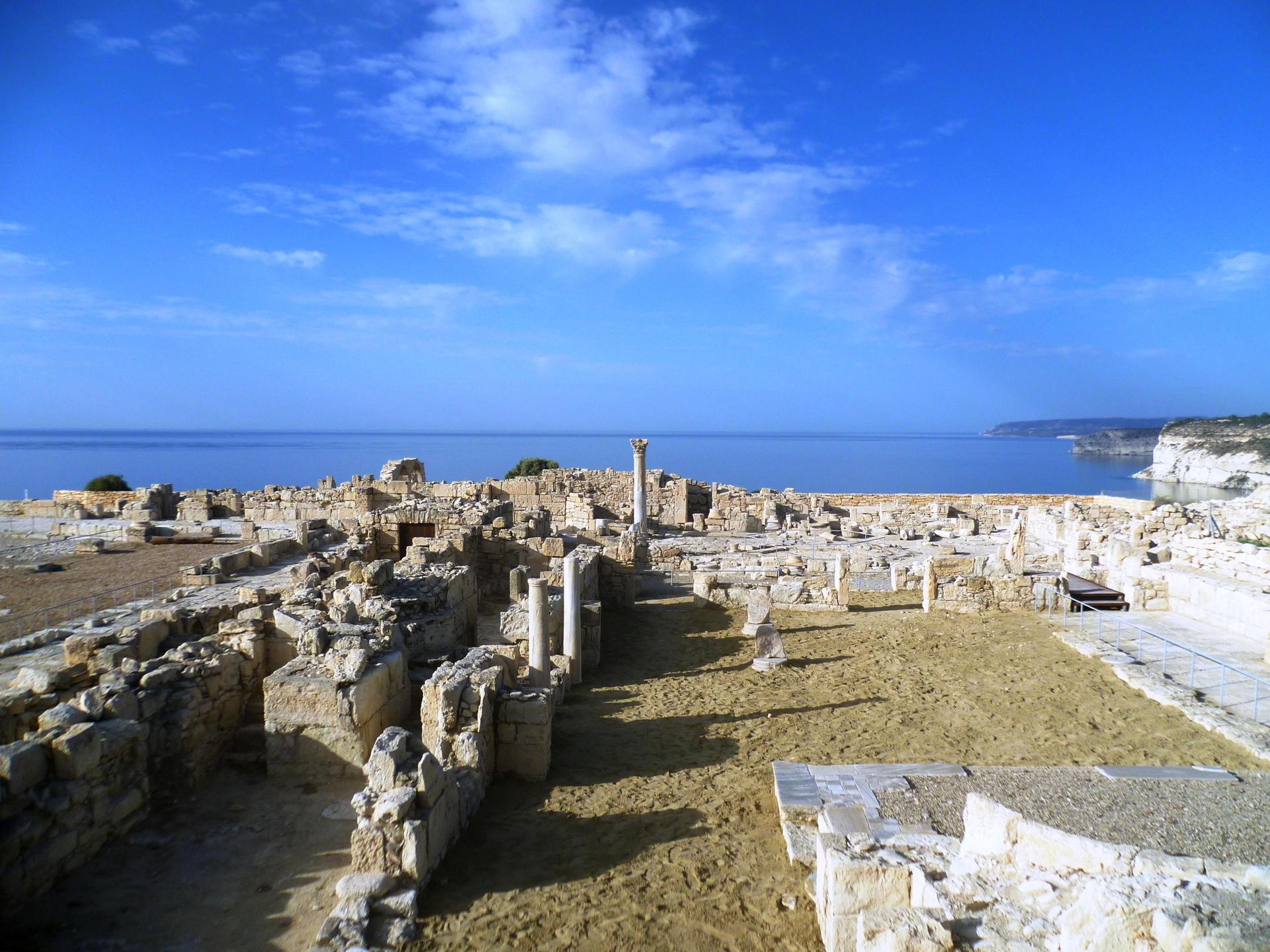
Perched dramatically on a hilltop overlooking the Mediterranean Sea, Ancient Kourion is one of Cyprus's most impressive archaeological sites. This once-powerful city-kingdom boasts a rich history, with evidence of settlement dating back to the Neolithic period. Explore remarkably well-preserved Greco-Roman ruins, including a stunning theatre that still hosts performances today, intricate mosaic floors in the Houses of Achilles and the Gladiators, and the remains of an early Christian basilica. Wander through the Roman Agora, envisioning bustling commerce, and discover the House of Eustolios, a former villa transformed into a public recreation center. Kourion offers a captivating glimpse into Cyprus's past, blending ancient mythology, Roman grandeur, and early Christian heritage, all set against a breathtaking coastal backdrop. Don't miss the adjacent Kourion Beach for a refreshing dip after exploring the ruins.

A brief summary to Ancient Kourion

  • Episkopi, GB

Local tips

  • Wear comfortable shoes, as the site involves a lot of walking on uneven ground. Bring water, especially during summer.
  • Visit early in the morning or late afternoon to avoid the midday heat and crowds.
  • Combine your visit with a trip to nearby Kourion Beach for a refreshing swim after exploring the ruins.
  • Don't miss the Local Archaeological Museum of Kourion in Episkopi, included in the entrance fee, to see artifacts from the site.
  • Check for performances at the ancient theatre, especially during summer, for a unique cultural experience.
widget icon

Getting There

  • Public Transport

    From Limassol, take bus number 16 or 16B towards Kourion Beach. The bus ride takes approximately 40 minutes. Get off at the Kourion Beach stop and walk for about 10 minutes uphill to the archaeological site entrance. A single bus fare costs approximately €1.50.

  • Taxi/Ride-Share

    A taxi or ride-share from Limassol to Ancient Kourion takes about 20-30 minutes, depending on traffic. Expect to pay around €20-€30 for the ride. Taxis are readily available in Limassol, or you can use ride-sharing apps.

  • Driving

    If driving from Limassol, take the A6 highway west towards Paphos. Exit at the Kourion turnoff and follow the signs to the archaeological site. Parking is available near the entrance and is included in the ticket price.

Unlock the Best of Ancient Kourion

Buy tickets

    No tickets available

Book tours with entry

    No tours available

Book tours without entry

    No tours available

Discover more about Ancient Kourion

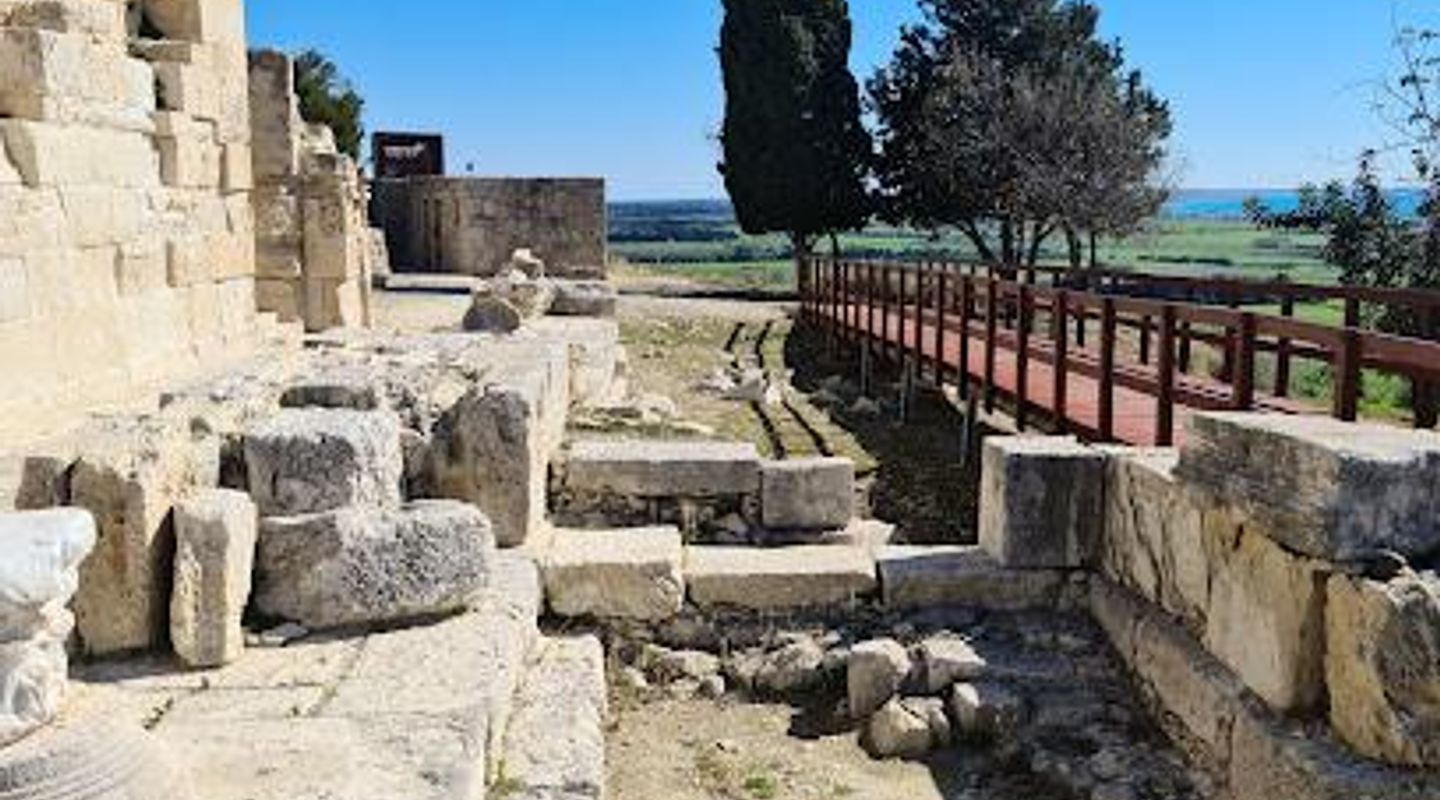
Ancient Kourion, also known as Curium, stands as a testament to Cyprus's rich and layered past. Located near Episkopi, about 19 kilometers west of Limassol, this archaeological site offers visitors a chance to step back in time and explore the remarkably well-preserved ruins of a once-thriving city-kingdom. The strategic location of Kourion, perched on a limestone promontory nearly 100 meters above the sea, provided both a commanding view and natural defenses, making it a desirable settlement for various civilizations throughout history. The history of Kourion stretches back to the Neolithic period, with evidence suggesting habitation as early as 4500-3900 BC. However, the city's formal establishment is attributed to Argives from the Peloponnese in the 13th century BC. According to legend, these settlers were descendants of those who participated in the Trojan War. Over the centuries, Kourion experienced periods of Egyptian, Persian, Roman, and Byzantine rule, each leaving its mark on the city's architecture and culture. One of the most iconic structures at Kourion is its Greco-Roman Theatre. Originally built in the 2nd century BC, it was later expanded in the 2nd century AD to accommodate up to 3,500 spectators. The theatre has been meticulously restored and continues to host musical and theatrical performances, particularly during the summer months, providing a unique opportunity to experience ancient drama in its original setting. The panoramic views of the Mediterranean Sea from the theatre add to the spectacle. East of the theatre lie the remains of the House of Eustolios, a once-private Roman villa transformed into a public recreation center during the Early Christian period. The villa is renowned for its exquisite mosaic floors, depicting scenes from daily life and Christian symbols. The bathing complex within the House of Eustolios offers insights into the Roman bathing rituals, with remnants of cold baths (frigidarium), warm baths (tepidarium), and hot baths (caldarium) still visible. Further exploration of Kourion reveals the Roman Agora, the city's central marketplace and administrative hub. Surrounded by porticos with marble columns, the Agora housed shops, public baths, and a Nymphaeum, a temple dedicated to water nymphs. The remains of an Early Christian Basilica, dating back to the 5th century AD, stand nearby, showcasing the transition from Roman paganism to Christianity. The basilica features intricate mosaic floors, an atrium, and a baptistery, making it one of the most important early Christian monuments on the island. Other notable sites at Kourion include the House of Achilles and the House of the Gladiators, both named for the scenes depicted on their mosaic floors. These villas offer glimpses into the lives of Kourion's elite residents and their fascination with mythology and gladiatorial combat. The Earthquake House provides a poignant reminder of the devastating earthquakes that struck Kourion in the 4th century AD, with the skeletal remains of residents found amidst the rubble. Beyond the acropolis, the Stadium of Kourion lies about 1 kilometer to the west. This ancient stadium, dating back to the 2nd century AD, was used for athletic competitions and could accommodate up to 6,000 spectators. The Sanctuary of Apollo Hylates, located a short distance from Kourion, was a major religious center dedicated to the god of woodlands. The sanctuary features temples, altars, and other structures dating back to the 8th century BC. Visiting Kourion requires comfortable shoes, as the site involves a fair amount of walking on uneven terrain. It is also advisable to bring water, sunscreen, and a hat, especially during the hot summer months. The site is open daily, with varying hours depending on the season. A small entrance fee is required, but it includes access to the Local Archaeological Museum of Kourion in Episkopi, which houses a collection of artifacts unearthed at the site. Kourion offers a captivating journey through time, blending ancient mythology, Roman grandeur, and early Christian heritage. Its remarkably well-preserved ruins, stunning coastal views, and ongoing archaeological discoveries make it a must-see destination for history buffs and anyone seeking to experience the rich cultural tapestry of Cyprus. After exploring the ancient city, take a short drive down to Kourion Beach. This beautiful stretch of coastline offers a chance to relax, swim in the crystal-clear waters, and enjoy the views of the ancient city perched on the cliffs above. Several taverns and restaurants line the beach, serving fresh seafood and local Cypriot cuisine.

Popular Experiences near Ancient Kourion

Popular Hotels near Ancient Kourion

Select Currency