

Stavrovouni Monastery Travel Guide
Free Guide: Discover Cyprus's spiritual heart at Stavrovouni Monastery, a mountaintop sanctuary founded by St. Helena, offering breathtaking views and a glimpse into ancient monastic traditions.


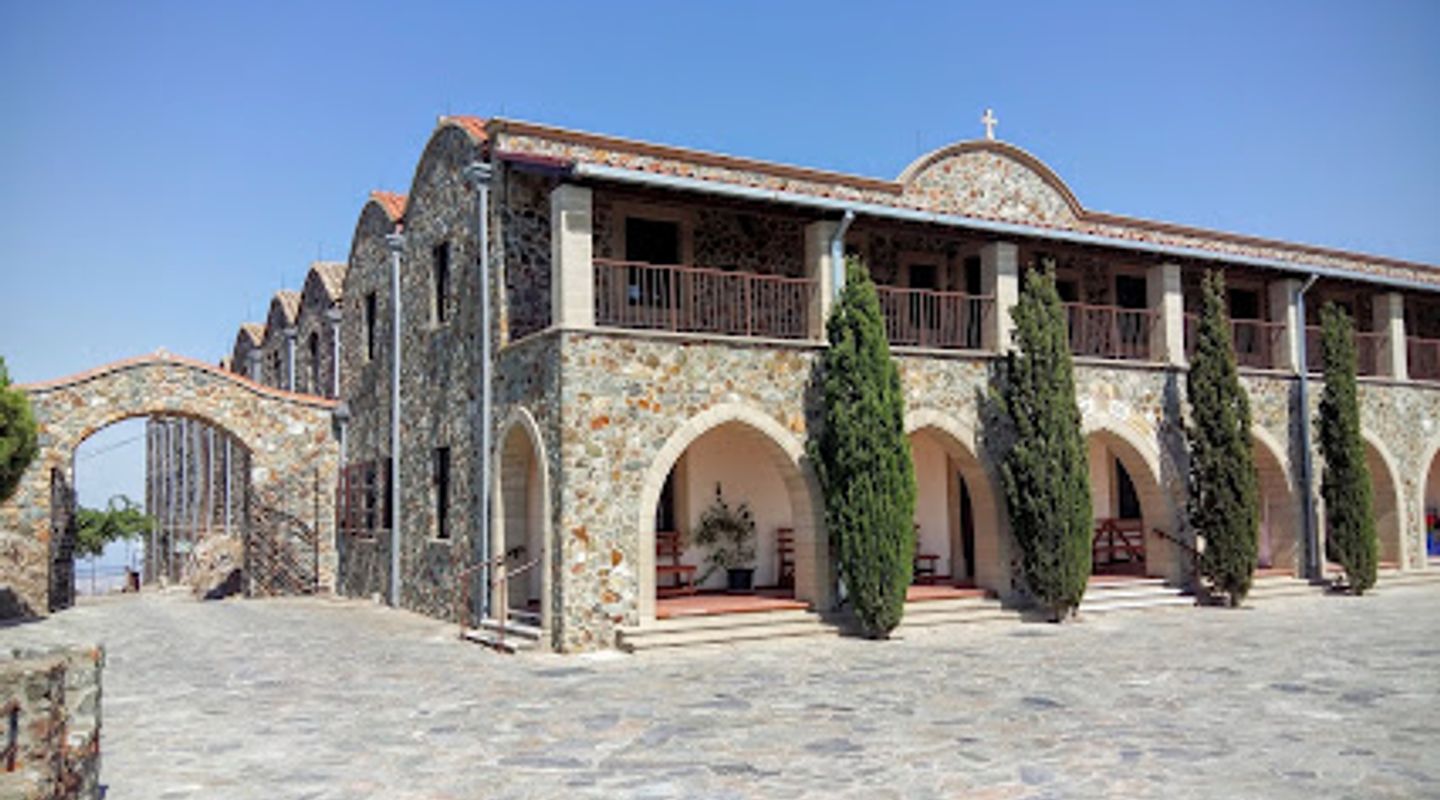
A brief summary of Stavrovouni Monastery
Discover Cyprus's spiritual heart at Stavrovouni Monastery, a mountaintop sanctuary founded by St. Helena, offering breathtaking views and a glimpse into ancient monastic traditions.
Perched atop a rugged peak near Pyrga, the Stavrovouni Monastery is a beacon of faith and history in Cyprus. Founded in the 4th century by St. Helena, mother of Emperor Constantine the Great, it's one of the island's oldest monasteries. The monastery is said to house a fragment of the Holy Cross, brought here by St. Helena herself. While women are not permitted inside the monastery, the panoramic views from the mountain are breathtaking, offering vistas of the Mesaoria plain, the Troödos Mountains, and the Mediterranean Sea. Male visitors should adhere to a modest dress code, and all are welcome to visit the nearby Agia Varvara Monastery at the foot of the mountain. Stavrovouni offers a unique glimpse into monastic life and Cypriot religious heritage.
Opening hours
- Every day2 pm–11 am
Opening hours as listed on the venue’s Google Business Profile. Hours can change for services and special events, so check with the venue before you go.
- Address
- Stavrovouni Monastery, Pyrga 7648, Cyprus
- Phone
Getting there
Driving
Taxi/Ride-Share
Public Transport
Discover more about Stavrovouni Monastery
Overview
Rising dramatically from the Cypriot landscape, the Stavrovouni Monastery stands as a testament to centuries of faith and tradition. Located on the summit of Mount Stavrovouni, near the village of Pyrga, this Orthodox monastery offers visitors not only a spiritual experience but also unparalleled panoramic views of the island. Legend has it that the monastery was founded in 327-328 AD by St. Helena, the mother of Emperor Constantine the Great, during her pilgrimage to the Holy Land. According to tradition, St. Helena discovered the three crosses used in the crucifixion of Jesus and the two thieves. While en route to Constantinople, her ship was caught in a storm off the coast of Cyprus, forcing her to land. It is said that the Holy Cross miraculously transported itself to the peak of Mount Stavrovouni, accompanied by a divine light. Inspired, St. Helena established a small chapel to house a fragment of the cross, marking the beginning of the Stavrovouni Monastery. Historical records from the Byzantine period confirm Stavrovouni's significance as a religious center from as early as the 4th century. Abbot Daniel, a Russian traveler who visited Cyprus in 1106, documented the presence of the Holy Cross on Mount Olympus (as Stavrovouni was then known), attributing its power to warding off evil spirits and curing illnesses. The monastery's name, derived from the Greek words 'stavros' (cross) and 'vouno' (mountain), reflects its dedication to the Holy Cross. Throughout its history, Stavrovouni Monastery has faced periods of hardship and decline, particularly during foreign invasions. However, it has also experienced periods of revival and growth. In the late 19th century, Elder Dionysios Christidis, a Cypriot monk from Mount Athos, revitalized the monastery, transforming it into a thriving monastic community. Today, the monks of Stavrovouni follow strict ascetic principles, similar to those practiced on Mount Athos in Greece. Their daily life is dedicated to prayer, contemplation, and the preservation of the monastery's traditions. Visitors to Stavrovouni are immediately struck by its imposing location and the sense of serenity that permeates the site. The monastery complex includes a central church, chapels, and living quarters for the monks. The church is adorned with frescoes and icons, reflecting the rich artistic heritage of the Orthodox tradition. One of the monastery's most prized possessions is a large, silver, cross-shaped reliquary containing a fragment of the Holy Cross, believed to have been left by St. Helena herself. Other relics include the Cross of the Good Thief, one of the Holy Nails, and a piece of the rope that bound Jesus to the Cross. While the Stavrovouni Monastery offers a unique spiritual experience, it's important to be aware of its specific rules and customs. In accordance with its long-standing tradition, women are not permitted to enter the main monastery complex. However, female travelers can visit the Church of All Saints, located just outside the monastery grounds, and the Agia Varvara Monastery on the foothills of Stavrovouni, which is accessible to all visitors. Men who visit the monastery are expected to dress modestly, wearing long pants and shirts with sleeves. Photography is prohibited inside the monastery, and visitors are encouraged to maintain a respectful and quiet demeanor. Beyond its religious significance, Stavrovouni Monastery offers breathtaking panoramic views of the surrounding landscape. From the summit, visitors can see the Mesaoria plain stretching towards Famagusta, the Troödos Mountains rising to the northwest, and the coastline encompassing Larnaca and the Mediterranean Sea. The views are particularly stunning at sunrise and sunset, casting a golden glow over the Cypriot countryside. At the foot of Mount Stavrovouni lies the Agia Varvara Monastery, a dependency of Stavrovouni. This monastery is open to both men and women and is renowned for its icon-painting workshop. Here, visitors can observe monks creating traditional Byzantine-style icons, using techniques passed down through generations. The Agia Varvara Monastery also offers a peaceful retreat, with its tranquil gardens and welcoming atmosphere. Visiting Stavrovouni Monastery is an opportunity to delve into the religious history of Cyprus, experience the monastic way of life, and witness the stunning natural beauty of the island. Whether you are a pilgrim seeking spiritual solace or a traveler interested in cultural heritage, Stavrovouni offers a unique and unforgettable experience. An impressive annual ceremony and festival is held at Stavrovouni Monastery on September 14 to mark the day of the Raising of the Holy Cross.
Evendo Review Centre
 Google
Guest reviews
Explore Stavrovouni Monastery on the map
A handpicked selection of must-see spots near Stavrovouni Monastery, mapped for you.
Get your free copy of our complete guide to Stavrovouni Monastery, delivered straight to you.
Everything on this page, from opening hours and how to get there to Eve’s tips and the best time to go, in one PDF you can read offline, print or share.
Already have an account? Sign in
Your Stavrovouni Monastery guide is ready.
We'll send it to · Not you? Sign out

Getting your guide ready…
We are putting together a fresh copy of the Stavrovouni Monastery guide. This can take up to a minute.
This can take a few moments. If your browser asks, choose Allow so the download can start. You'll find the guide in your Downloads folder.
Nothing happened? Download it again
Sorry, the guide is taking longer than usual. Please try again in a minute, or get it by email instead.
Other nearby places you may find interesting
The closest places of the same kind, if this one is not quite what you had in mind.
-
-
-
-
-


Swipe for more places
More to explore near Stavrovouni Monastery

 Best experiences near Stavrovouni Monastery
 Best hotels near Stavrovouni Monastery
 Best landmarks near Stavrovouni Monastery
 Best attractions near Stavrovouni Monastery
 Best shops near Stavrovouni Monastery
 Best restaurants near Stavrovouni Monastery
 Best bars near Stavrovouni Monastery
Do you manage this location?
Take control to get all the benefits, like improved information, better appearance, and stronger visibility across AI-powered discovery.
Explore more

Explore more of Larnaca District
Explore Larnaca District: A captivating blend of ancient history, stunning beaches, and vibrant nightlife on the southern coast of Cyprus.
Explore Larnaca District
Explore more of Cyprus
Discover Cyprus: A Mediterranean paradise with a rich tapestry of history, culture, and breathtaking landscapes, offering a perfect blend of relaxation and adventure.
Explore Cyprus
