Bee & Embroidery Museum: A Stitch in Time
Discover the sweet traditions of Cyprus at the Bee & Embroidery Museum in Kato Drys, where beekeeping and lacemaking intertwine to reveal the island's rich cultural heritage.
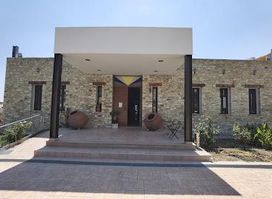
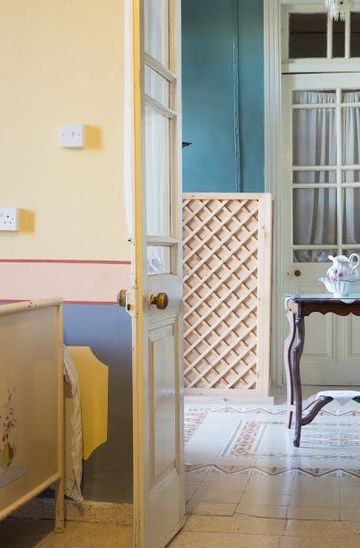
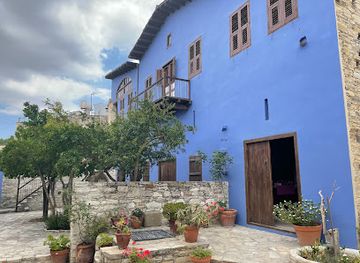
Nestled in the tranquil village of Kato Drys, the Bee & Embroidery Museum offers a captivating glimpse into Cypriot rural life. Housed within a beautifully restored 300-year-old residence, the museum showcases the intertwined traditions of beekeeping and intricate embroidery, reflecting the island's rich cultural heritage. Visitors can explore exhibits detailing the life cycle of bees, honey production techniques, and the significance of beekeeping in Cypriot society. Complementing this is a stunning display of traditional lace and embroidery, known as 'Lefkaritika,' some dating back to the 19th century. The museum provides an immersive experience, complete with guided tours, demonstrations of traditional crafts, and opportunities to sample local honey and other homemade products, making it a delightful and educational stop for all ages.
A brief summary to Bee & Embroidery Museum
- Kato Drys, CY
- Click to display
- Click to display
- Wednesday 10 am-3 pm
- Thursday 10 am-3 pm
- Friday 10 am-3 pm
- Saturday 10 am-3 pm
- Sunday 10 am-3 pm

Know before you go
Hi, I'm Eve. Here are a few practical things to know before exploring Bee & Embroidery Museum.
- Visit during the off-season (spring or fall) for a more personalized experience and fewer crowds.
- Don't miss the honey tasting session to sample local varieties and learn about their unique flavors.
- Check the museum's Facebook page for information on special events, workshops, and seasonal activities.
- Combine your visit with a stroll through Kato Drys village to admire the traditional architecture and soak up the peaceful atmosphere.
- Consider purchasing local honey or Lefkaritika embroidery as a unique and authentic souvenir.
Do you manage this location?
Take control to get all the benefits, like improved information, better appearance, and stronger visibility across AI-powered discovery. Learn more
Activate your presenceOther nearby places you may find interesting
Getting There
-
Driving
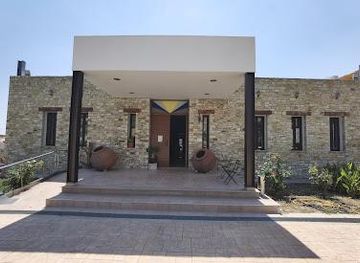
From the A5 highway, take the exit towards Lefkara. Follow the signs to Kato Drys. Once in Kato Drys, follow the road through the village center. The museum is located in the heart of the village; look for signs indicating its location. Parking is available in designated areas within the village, typically free of charge. Be mindful of narrow streets and local traffic.
-
Public Transport
From Larnaca, take the 408 bus to Kofinou station, then transfer to the 404 bus towards Kato Drys. The bus stops at the 4th Stop Kato Drys, a short walk from the museum. Check the CyBuses website for the most up-to-date schedule as services are infrequent. A single bus fare costs approximately €2-€4 depending on the distance.
Discover more about Bee & Embroidery Museum
Explore the best of what Bee & Embroidery Museum has to offer













More about Larnaca District
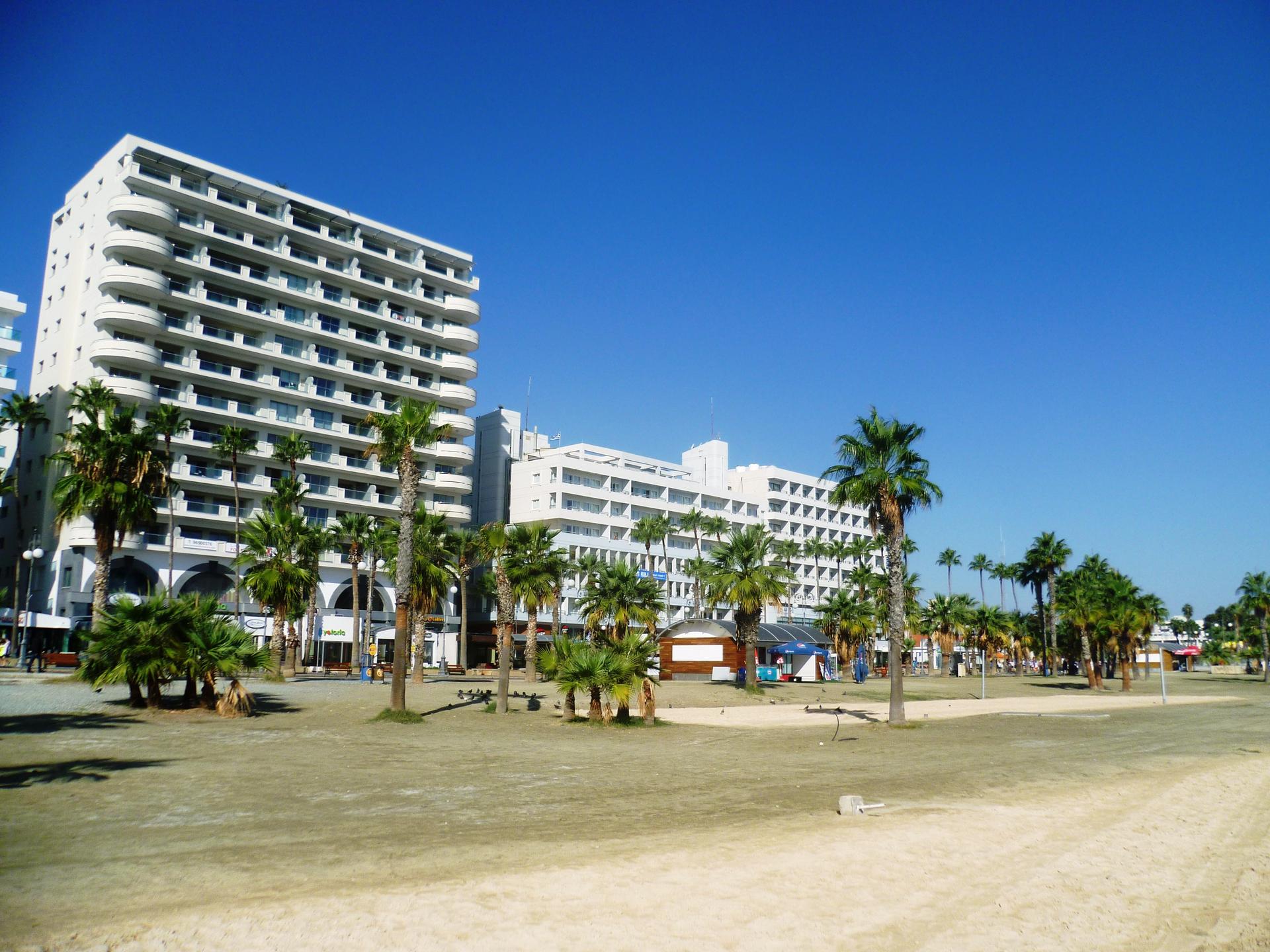
Explore Larnaca District: A captivating blend of ancient history, stunning beaches, and vibrant nightlife on the southern coast of Cyprus.
Tell me more about Larnaca District