Kamares Aqueduct, Larnaca Travel Guide
Free Guide: Discover the historical Kamares Aqueduct in Larnaca, Cyprus, an 18th-century Ottoman marvel showcasing Roman-style architecture and the ingenuity of ancient water systems, a must-see landmark.


A brief summary of Kamares Aqueduct
Discover the historical Kamares Aqueduct in Larnaca, Cyprus, an 18th-century Ottoman marvel showcasing Roman-style architecture and the ingenuity of ancient water systems, a must-see landmark.
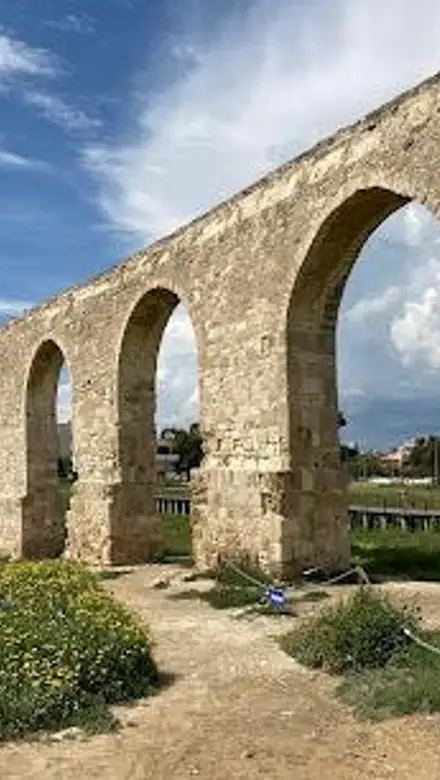
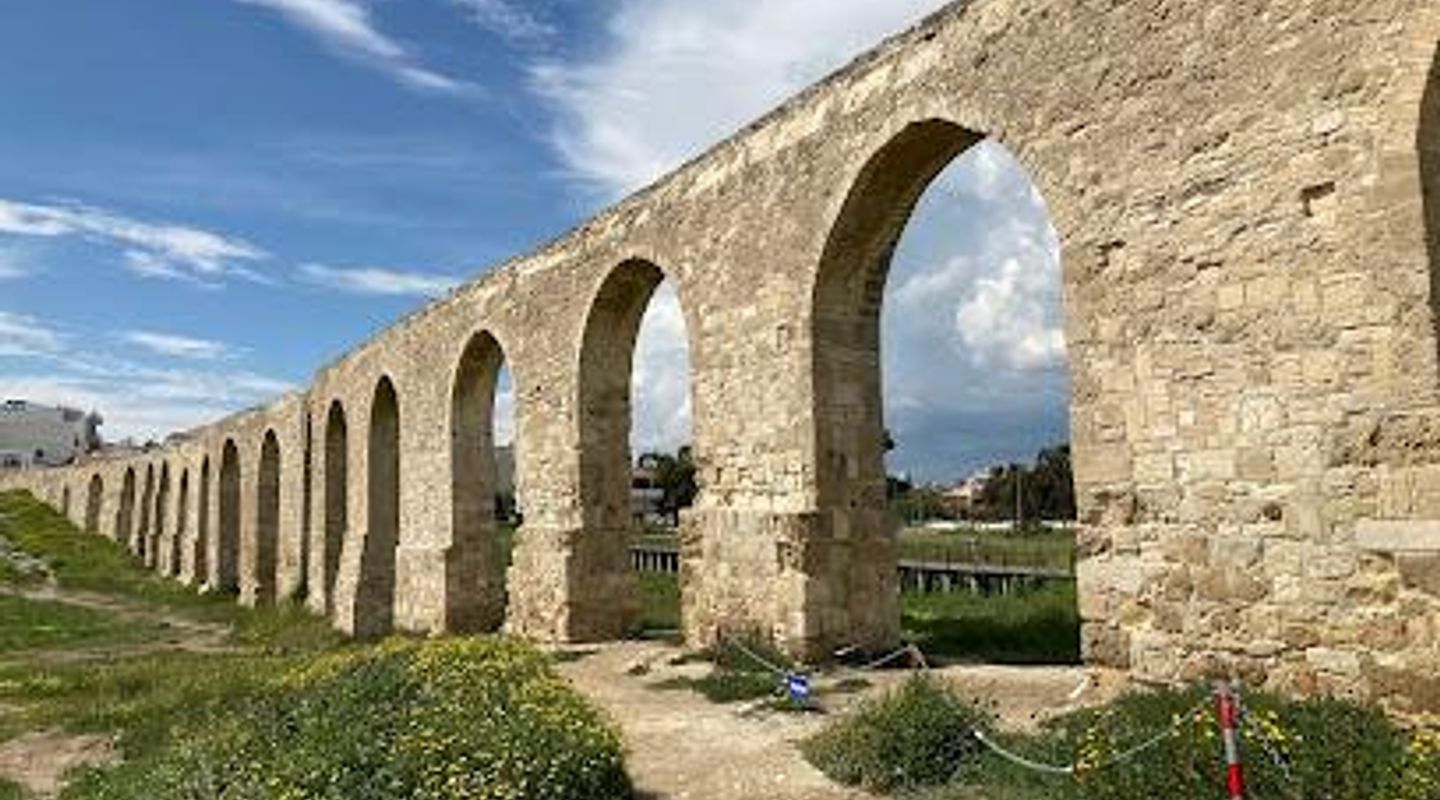
The Kamares Aqueduct, an iconic landmark of Larnaca, Cyprus, stands as a proud testament to the island's rich history and engineering ingenuity. Constructed in the 18th century during Ottoman rule, this impressive structure, also known as the Bekir Pasha Aqueduct, provided a vital water supply to the city for nearly two centuries. Its elegant series of arches, built in the Roman style, stretches across the landscape, offering a captivating glimpse into the past. Today, the Kamares Aqueduct is a popular destination for locals and tourists alike, offering a serene and picturesque setting for leisurely walks, photography, and reflection on the island's cultural heritage. The aqueduct is easily accessible and provides a unique blend of historical significance and architectural beauty, making it a must-see attraction for anyone visiting Larnaca. Its proximity to the Larnaca Salt Lake adds to its appeal, offering visitors the chance to combine a historical excursion with the natural beauty of the surrounding landscape. The site is particularly enchanting at sunset, when the golden light casts a warm glow over the arches, creating a magical atmosphere.
Opening hours
- Every dayOpen 24 hours
Opening hours as listed on the venue’s Google Business Profile. Hours can change for services and special events, so check with the venue before you go.
- Address
- WJ72+C3Q, Larnaca 6040, Cyprus
- Phone
Getting there
Public Transport
Taxi/Ride-Share
Driving
Walking
Discover more about Kamares Aqueduct
Overview
The Kamares Aqueduct, also known as the Bekir Pasha Aqueduct, is a prominent historical landmark located just outside the city of Larnaca, Cyprus. This impressive structure stands as a testament to the engineering prowess of the 18th century and the island's rich cultural heritage. Built during the Ottoman period, the aqueduct served as a vital water supply system for Larnaca, addressing the city's growing need for fresh water. Its elegant arches, constructed in the Roman style, stretch across the landscape, creating a captivating sight that attracts visitors from around the world. The aqueduct's history dates back to 1747 when Ebubekir Pasha, the Ottoman Governor of Larnaca, initiated its construction. The project was completed in 1750, at a cost of 50,000 qirsh, funded by Ebubekir Pasha himself. The aqueduct was designed to transport water from a source approximately 10 kilometers away, near the village of Tremithos, to the city of Larnaca. This was achieved through a network of underground channels, wells, and the iconic series of arches that characterize the structure. The Kamares Aqueduct remained in operation until 1939, providing a reliable water supply to Larnaca for nearly two centuries. Its significance extended beyond mere functionality; it became a symbol of the city's development and the harmonious blend of Roman and Ottoman influences. Foreign travelers often regarded it as one of the most important monuments constructed during the Ottoman period in Cyprus. The aqueduct's architectural design is a marvel of its time. The arches, constructed from local limestone, showcase the ingenuity of ancient builders. The structure originally consisted of 75 arches, stretching over a considerable distance. The design cleverly utilized gravity to move water, eliminating the need for pumps or mechanical assistance. The arches are not only functional but also aesthetically pleasing, adding to the aqueduct's visual appeal. Today, the Kamares Aqueduct is a popular tourist attraction, drawing visitors who come to admire its historical significance and architectural beauty. The site offers a serene and picturesque setting for leisurely walks and photography. Information boards provide details about the aqueduct's history and construction, enhancing the visitor experience. The aqueduct is particularly striking at sunset, when the golden light bathes the arches in a warm glow, creating a magical atmosphere. The surrounding area is equally enchanting, with lush greenery and scenic views that complement the architectural splendor of the aqueduct. Many visitors take the opportunity to picnic in the nearby fields, enjoying the tranquil ambiance and historical significance of their surroundings. The site also connects to the Larnaca Salt Lake, offering visitors the chance to explore the natural beauty of the area. Preservation efforts have been undertaken in recent years to protect the aqueduct from decay and maintain its original features. These efforts ensure that the aqueduct remains a historical landmark for future generations to appreciate. The Kamares Aqueduct stands as a reminder of the importance of water management in ancient societies and the ingenuity of past civilizations. Visiting the Kamares Aqueduct is a unique experience that combines history, architecture, and natural beauty. It is a must-see attraction for anyone interested in Cyprus's rich cultural heritage. The aqueduct offers a glimpse into the past, showcasing the engineering achievements of the Ottoman period and the blending of Roman and Ottoman influences. Its serene setting and picturesque views make it an ideal destination for a relaxing day out. The Kamares Aqueduct is more than just a historical monument; it is a symbol of Larnaca's identity and a testament to the enduring legacy of past civilizations. Its arches stand tall, reminding us of the importance of preserving our cultural heritage and appreciating the ingenuity of those who came before us. Whether you are a history enthusiast, a nature lover, or simply looking for a beautiful spot to relax, the Kamares Aqueduct is a destination that will captivate your senses and leave you with a lasting impression.
Evendo Review Centre
 Google
Guest reviews
Explore Kamares Aqueduct on the map
A handpicked selection of must-see spots near Kamares Aqueduct, mapped for you.
Get your free copy of our complete guide to Kamares Aqueduct, delivered straight to you.
Everything on this page, from opening hours and how to get there to Eve’s tips and the best time to go, in one PDF you can read offline, print or share.
Already have an account? Sign in
Your Kamares Aqueduct guide is ready.
We'll send it to · Not you? Sign out

Getting your guide ready…
We are putting together a fresh copy of the Kamares Aqueduct guide. This can take up to a minute.
This can take a few moments. If your browser asks, choose Allow so the download can start. You'll find the guide in your Downloads folder.
Nothing happened? Download it again
Sorry, the guide is taking longer than usual. Please try again in a minute, or get it by email instead.
Unlock the best of Kamares Aqueduct
Skip-the-line tickets, guided tours with entry, and walking tours of the area, booked in a few clicks.
 Tour with entry
Larnaca Salt Lake and Cultural Highlights Bike Tour
from $31.98 Tour with entry
Cyprus: Private Larnaca City Tour & Glass-Bottom Boat Trip
from $212.12 Tour with entry
Private Full-Day Tour in Larnaca with Hotel Pick Up
from $373.07 Tour with entry
Larnaca's Splendors: From Private Ancient Echoes to Wine
from $724.83
Other nearby places you may find interesting
The closest places of the same kind, if this one is not quite what you had in mind.
-
-
-
-
-


Swipe for more places
More to explore near Kamares Aqueduct

 Best experiences near Kamares Aqueduct
 Best hotels near Kamares Aqueduct
 Best landmarks near Kamares Aqueduct
 Best attractions near Kamares Aqueduct
 Best shops near Kamares Aqueduct
 Best restaurants near Kamares Aqueduct
 Best bars near Kamares Aqueduct
Do you manage this location?
Take control to get all the benefits, like improved information, better appearance, and stronger visibility across AI-powered discovery.
Explore more

Explore more of Larnaca
Discover Larnaca, Cyprus: A coastal city rich in history, culture, and natural beauty, offering stunning beaches, ancient sites, and vibrant local life.
Explore Larnaca
Explore more of Cyprus
Discover Cyprus: A Mediterranean paradise with a rich tapestry of history, culture, and breathtaking landscapes, offering a perfect blend of relaxation and adventure.
Explore Cyprus