Saint Barnabas Monastery: A Spiritual and Historical Haven
Discover the spiritual and historical significance of Saint Barnabas Monastery near Tuzla, Cyprus, featuring Byzantine architecture, an icon museum, and archaeological treasures.
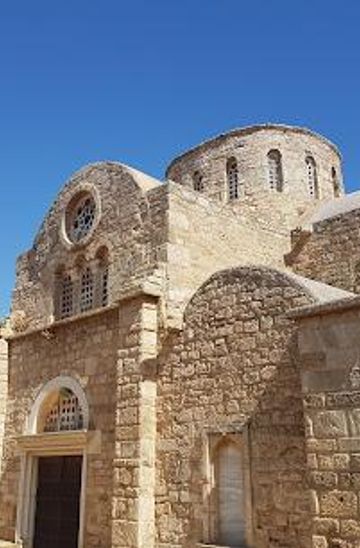
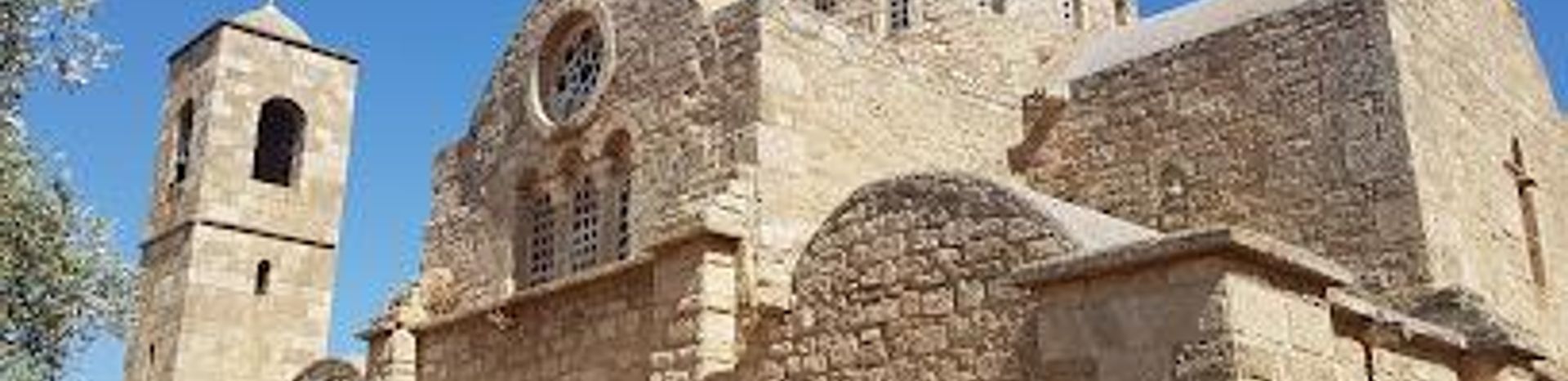
Nestled near Tuzla, Cyprus, the Saint Barnabas Monastery is a captivating blend of spirituality and history. Dedicated to Saint Barnabas, the patron saint of Cyprus, this site features stunning Byzantine architecture set against a serene landscape. Visitors can explore intricately carved icons and ancient frescoes that narrate the island's rich religious heritage. The monastery also houses an archaeological museum, showcasing artifacts that highlight the area's cultural significance. Wander through tranquil grounds, absorb the peaceful ambiance, and gain insights into Greek Orthodox traditions. With its picturesque views and architectural details, the monastery offers a unique experience for those seeking a spiritual retreat or a cultural journey, making it a must-see destination in Cyprus.
A brief summary to Saint Barnabas Monastery
- 5VFJ+V4X, Tuzla, CY
- Monday 8 am-6 pm
- Tuesday 8 am-6 pm
- Wednesday 8 am-6 pm
- Thursday 8 am-6 pm
- Friday 8 am-6 pm
- Saturday 8 am-6 pm
- Sunday 8 am-6 pm

Know before you go
Hi, I'm Eve. Here are a few practical things to know before exploring Saint Barnabas Monastery.
- Visit early in the morning to enjoy a quieter atmosphere and cooler temperatures, enhancing your experience of the serene surroundings.
- Explore the archaeological museum for a fascinating insight into local history, showcasing artifacts from the ancient city of Enkomi.
- Dress modestly when visiting, as this is a religious site; women should cover their shoulders and knees.
- Combine your visit with a trip to the nearby ancient city of Salamis or the Royal Tombs for a comprehensive historical tour of the area.
- Check the opening hours in advance, as the monastery may close during religious events or holidays.
Do you manage this location?
Take control to get all the benefits, like improved information, better appearance, and stronger visibility across AI-powered discovery. Learn more
Activate your presence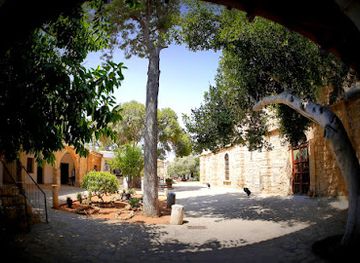
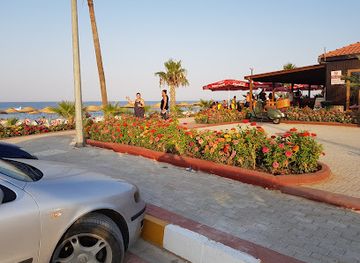
Getting There
-
Taxi/Ride-Share
From Famagusta or nearby towns like Ayia Napa, a taxi or ride-share is a convenient option. The journey from Ayia Napa takes approximately 10-15 minutes. Confirm the fare before starting your trip. A taxi from Famagusta to Saint Barnabas Monastery typically costs around €15-€20.
-
Driving
If driving from Famagusta, take the main road towards Tuzla. The monastery is located just outside Tuzla, well-signposted. Parking is available near the monastery entrance. Parking is free.
Discover more about Saint Barnabas Monastery
Explore the best of what Saint Barnabas Monastery has to offer













More about Kokkinochoria Red Soil Villages

Discover the charm and culture of Cyprus in the Kokkinochoria, where rich red soil, traditional villages, and warm hospitality await.
Tell me more about Kokkinochoria Red Soil Villages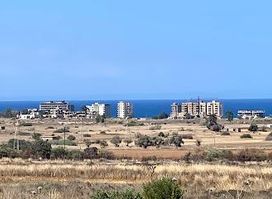
Discover the poignant history of Famagusta at this Deryneia viewpoint, offering panoramic views of the abandoned city of Varosha and a cultural center for reflection.
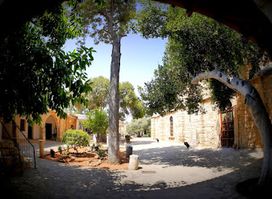
Discover the spiritual and historical significance of Saint Barnabas Monastery near Tuzla, Cyprus, home to ancient relics, stunning Byzantine architecture, and the tomb of the island's patron saint.