Πύλη Πάφου, Nicosia Travel Guide
Free Guide: Explore Paphos Gate in Nicosia, a historic landmark showcasing Venetian military architecture and centuries of Cypriot history.


A brief summary of Πύλη Πάφου
Explore Paphos Gate in Nicosia, a historic landmark showcasing Venetian military architecture and centuries of Cypriot history.
Paphos Gate, or Πύλη Πάφου, is a historic entrance in Nicosia's Venetian walls, dating back to the 16th century. Once a key defensive point, it now welcomes visitors to explore the city's rich past.
- Address
- 59F4+GW7, Nicosia 1010
- Phone
- Website
Getting there
Walking
Public Transport
Taxi
Discover more about Πύλη Πάφου
Overview
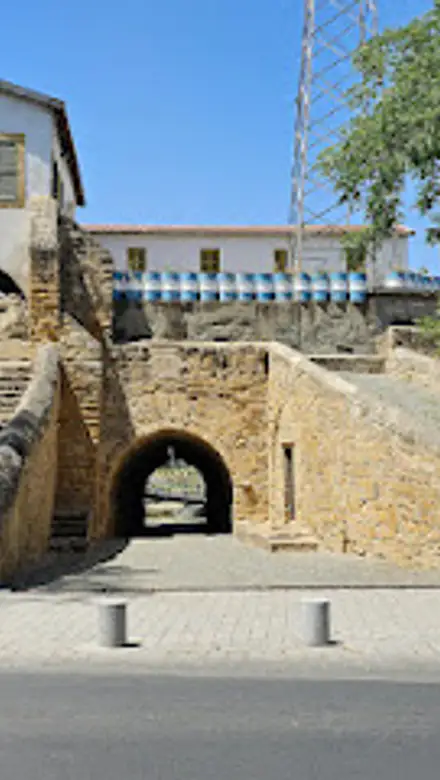
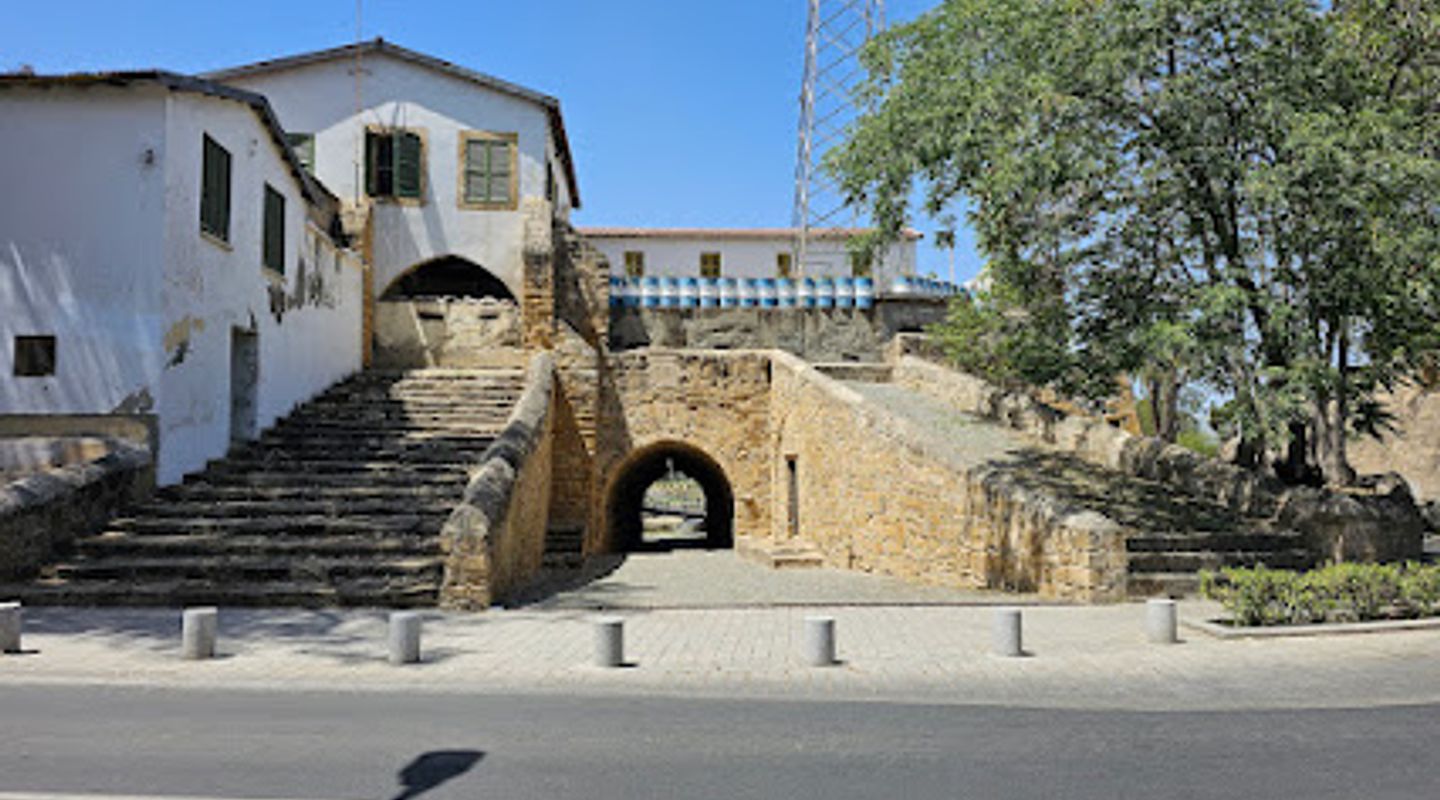
Paphos Gate, known in Greek as Πύλη Πάφου (Pyli Pafou) and in Turkish as Baf Kapısı, stands as one of the original three entrances in the Venetian Walls that encircle the old city of Nicosia. Constructed by the Venetians in the 16th century, the gate was strategically positioned on the western side of the fortifications, facing the road that once led to the ancient city of Paphos, thus giving it its name. It was also historically known as the Gate of San Domenico, named after the nearby Dominican abbey.The gate's architecture is simple yet characteristic of the Venetian military style, featuring an opening in the thick defensive walls covered with a barrel vault. Originally, a small guardhouse flanked the gate to monitor access. During the British occupation in 1878, part of the walls between Paphos Gate and the Roccas Bastion were demolished to create a wider opening, improving access but altering the original fortifications. Above the gate sits the Paphos Gate Police Station.Today, Paphos Gate serves as a tangible link to Nicosia's layered past, blending historical charm with modern vibrancy. Informational plaques offer historical context, and the surrounding area is home to cafes, shops, and cultural activities. Visitors can walk through the well-preserved gate and explore the adjacent Venetian city wall.
Evendo Review Centre
 Google
Guest reviews
Explore Πύλη Πάφου on the map
A handpicked selection of must-see spots near Πύλη Πάφου, mapped for you.
Get your free copy of our complete guide to Πύλη Πάφου, delivered straight to you.
Everything on this page, from opening hours and how to get there to Eve’s tips and the best time to go, in one PDF you can read offline, print or share.
Already have an account? Sign in
Your Πύλη Πάφου guide is ready.
We'll send it to · Not you? Sign out

Getting your guide ready…
We are putting together a fresh copy of the Πύλη Πάφου guide. This can take up to a minute.
This can take a few moments. If your browser asks, choose Allow so the download can start. You'll find the guide in your Downloads folder.
Nothing happened? Download it again
Sorry, the guide is taking longer than usual. Please try again in a minute, or get it by email instead.
Unlock the best of Πύλη Πάφου
Skip-the-line tickets, guided tours with entry, and walking tours of the area, booked in a few clicks.


Other nearby places you may find interesting
The closest places of the same kind, if this one is not quite what you had in mind.
-
-
-
-
-


Swipe for more places
More to explore near Πύλη Πάφου

 Best experiences near Πύλη Πάφου
 Best hotels near Πύλη Πάφου
 Best landmarks near Πύλη Πάφου
 Best attractions near Πύλη Πάφου
 Best shops near Πύλη Πάφου
 Best restaurants near Πύλη Πάφου
 Best bars near Πύλη Πάφου
Do you manage this location?
Take control to get all the benefits, like improved information, better appearance, and stronger visibility across AI-powered discovery.
Explore more

Explore more of Nicosia
Discover the rich history, cultural tapestry, and modern vibrancy of Nicosia, the last divided capital in Europe, offering a unique blend of ancient and contemporary attractions.
Explore Nicosia
Explore more of Cyprus
Discover Cyprus: A Mediterranean paradise with a rich tapestry of history, culture, and breathtaking landscapes, offering a perfect blend of relaxation and adventure.
Explore Cyprus